Application Protocol
- ✓Surface prep → etch → bond → place → cure → seal
- ✓Curing angles, timing cues, and margin control
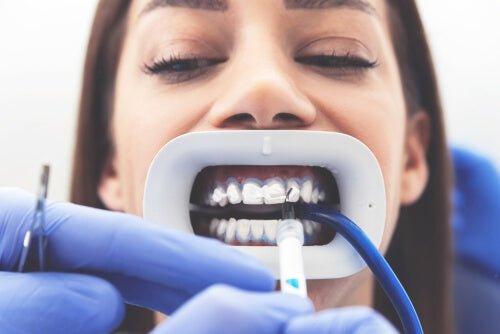
- ✓Isolation technique to protect soft tissue

Download LaserGlow's professional tooth gem guide covering the complete application process, curing times, tool and adhesive selection, placement maps, aftercare instructions, and safe removal guidance. Written for trained providers, beauty studios, and whitening professionals who want a reliable clinical reference — and available to any buyer who wants to understand the full process before applying or booking.
This guide is medically reviewed by David Hanna, RDH, a Registered Dental Hygienist, to ensure the enamel safety guidance, application technique, and aftercare recommendations reflect responsible professional practice.
This is a practical, clinic-ready reference — not a marketing brochure. It covers what you need to apply tooth gems correctly, give clients the right aftercare instructions, and handle removal safely. Whether you are setting up a tooth gem service at your studio or learning for the first time, this guide is designed to be a useful reference you can keep.
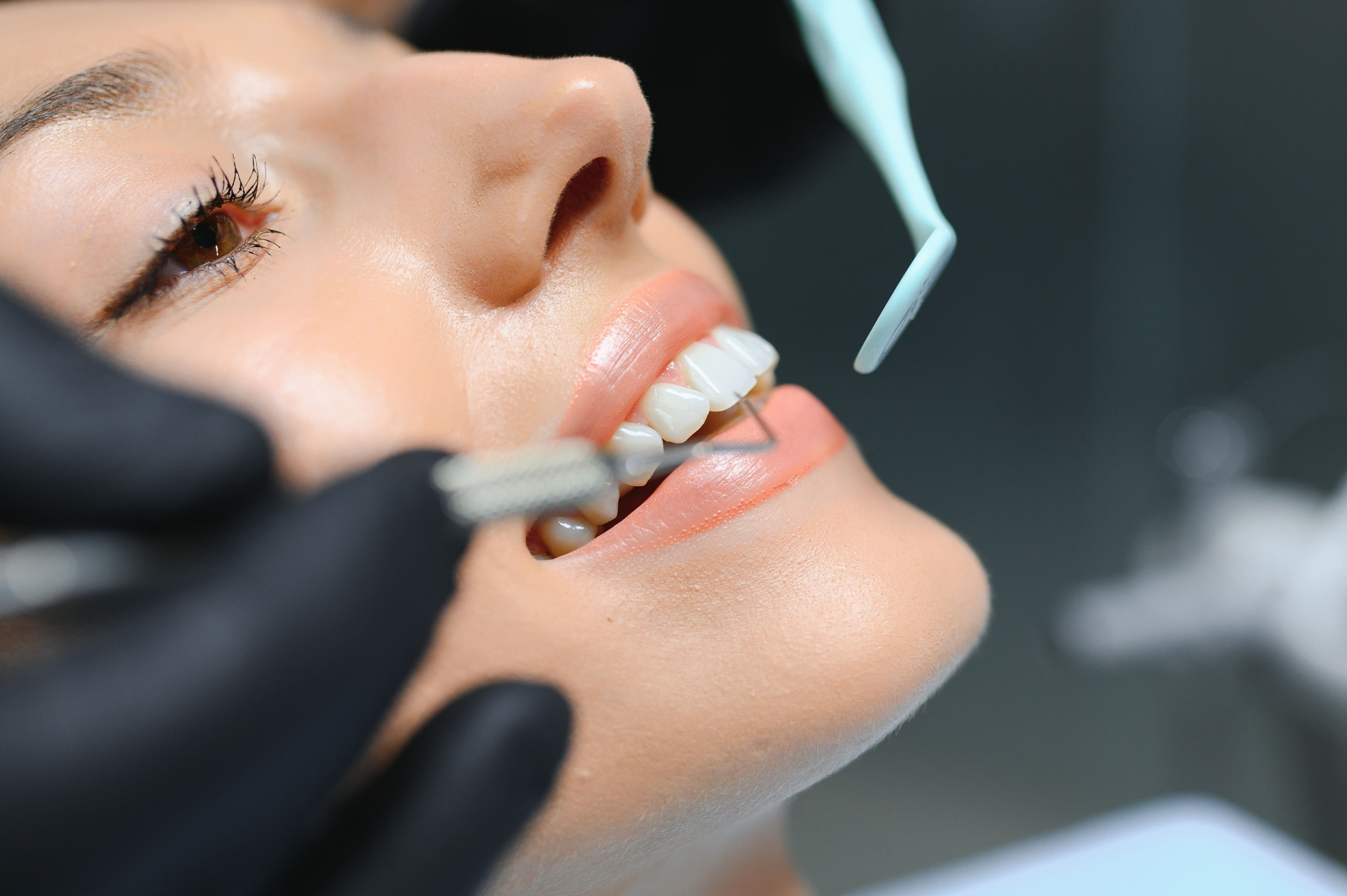
Tooth gem application follows a straightforward bonding sequence. Each step builds on the last, so a clean, dry field in prep leads to better adhesive control and more reliable curing. Here is how the process typically flows from start to finish.
Use this reference table as a quick summary of each step, timing, and what to watch for. Full detail on each step is covered in the downloadable PDF guide.
| Step | Goal | Timing | Key notes |
|---|---|---|---|
| Prep | Clean, dry field | 30–60 s | Polish, rinse, isolate. No oils or fluoride directly before. |
| Etch | Enamel retention | ~20 s | Rinse thoroughly. Dry to a chalky white surface. |
| Bond | Adhesive interface | 10–20 s | Thin even layer — no pooling at the gem margins. |
| Place | Gem position | — | Verify symmetry and alignment before curing. |
| Cure | Polymerization | 20–40 s | Correct angle; protect soft tissue; confirm full set. |
| Seal | Margin protection | 10–20 s | Thin coat; remove oxygen-inhibited layer if needed. |
Proper aftercare helps a tooth gem bond last longer and reduces the chance of early detachment. The first 24 hours are the most important window. Providers should give clients clear written aftercare instructions at the end of every appointment.
For a full printable aftercare card to give clients, download the free guide below or visit the Tooth Gem Aftercare and Safety guide.
Tooth gems should be removed using controlled professional tools and technique, not pried off at home. The goal of professional removal is to separate the gem cleanly, then polish away any adhesive residue without scratching or thinning the enamel surface.
DIY removal using fingernails, sharp tools, or force can chip the gem or pull at the enamel surface in ways that cause discomfort or sensitivity. Providers should cover this clearly in aftercare instructions and explain what to do if a gem comes loose unexpectedly.
For detailed professional removal steps, see the Tooth Gem Removal Guide.
Enter your email to receive the complete professional tooth gem PDF guide — application protocols, curing reference, placement maps, aftercare handout, and removal guidance, all in one clinic-ready document. Reviewed by David Hanna, RDH.
No spam — just the guide and occasional tips for tooth gem providers. Unsubscribe anytime.
This guide is one part of LaserGlow's tooth gem resource cluster. Use the links below to go deeper on application, designs, aftercare, removal, or to shop kits and supplies.
Quick answers for professionals and shoppers about the guide, tooth gem application, curing, aftercare, and removal.
Yes. Enter your email above and the full PDF will be sent instantly. You may also receive occasional professional tips from LaserGlow — unsubscribe anytime.
It is designed for estheticians, whitening professionals, beauty studio owners, and tooth gem artists who want a structured clinical reference. Informed DIY buyers may also find it useful with the understanding that professional application is always recommended.
The PDF covers the full application sequence with timing, tool and adhesive guidance, placement maps, aftercare instructions, and safe removal steps. It is reviewed by David Hanna, RDH, for enamel safety accuracy.
When done with proper materials and technique — and when removal is handled professionally — tooth gem application does not require drilling and is generally considered enamel-safe. The main risk factors are poor technique, inappropriate adhesives, and unsafe DIY removal.
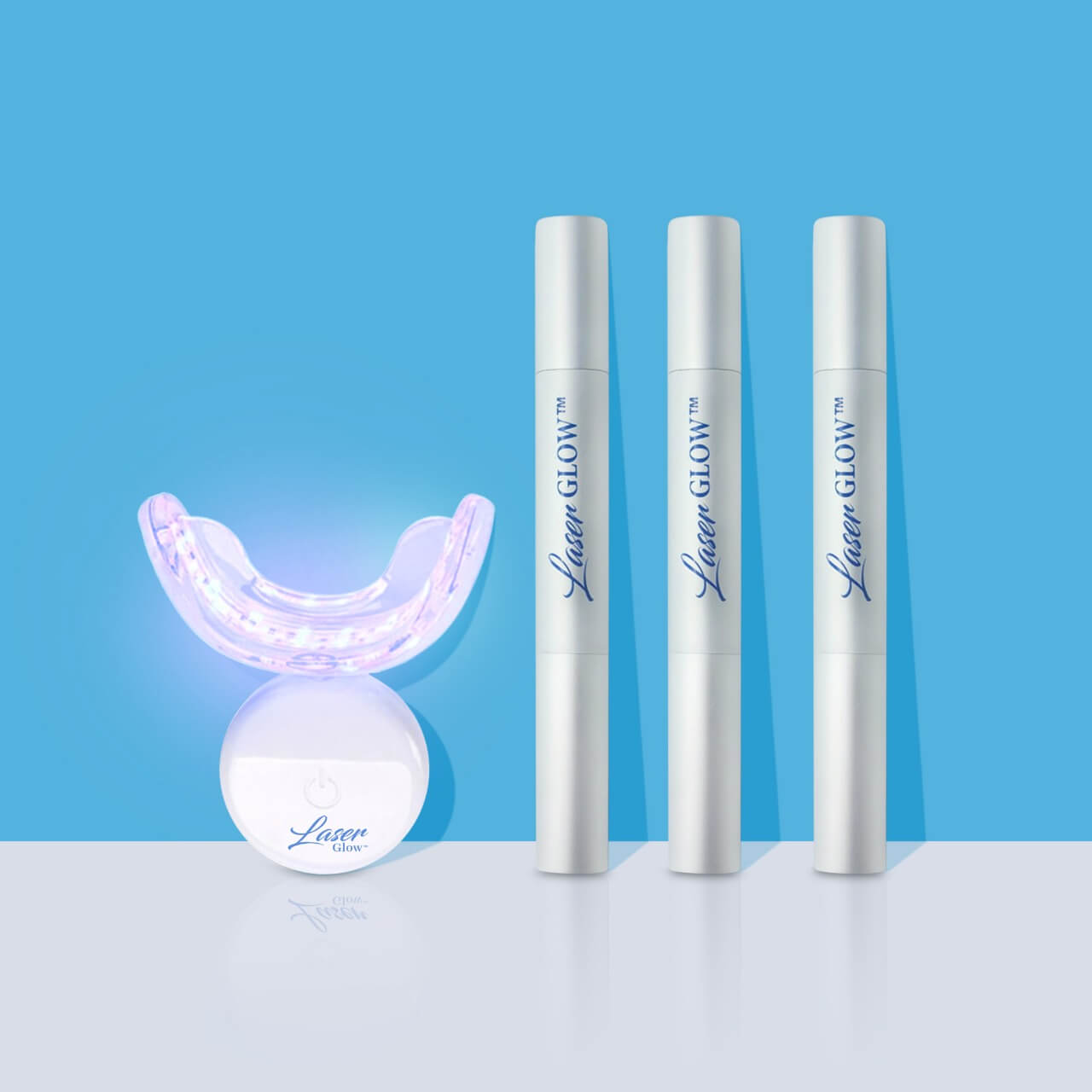
A standard professional setup includes tooth gems, etchant, bonding agent, adhesive or flowable composite, an LED curing light, placement tools, cheek retractors, and protective eyewear. LaserGlow's Pro Tooth Gem Kit bundles the core components for studio use.
Professional application is strongly recommended because proper enamel prep, adhesive control, and curing technique directly affect both results and safety. This guide provides a thorough protocol reference, but it is not a substitute for hands-on training.
Tooth gems should be removed using controlled professional tools that allow the gem to be released and any adhesive residue to be polished away without scratching the enamel. DIY removal using sharp instruments or force is not recommended. See the full tooth gem removal guide for detail.
Your cart is currently empty.
Not sure where to start?
Try these collections: