Choose HP when…
Goal: big same-day shade change.
Setup: you can isolate well and control moisture.
Client: wants immediate results or has heavier staining.
Next step: choose a strength based on tolerance and stain severity in the HP hub.

This page is not a “strength guide.” It’s the decision framework. Pick the right chemistry first (HP, CP, or PAP+), then choose the strength and workflow that delivers predictable results with fewer sensitivity complaints.
Step 1: What’s the outcome goal?
Immediate chairside lift in a single visit points you toward HP.
Gradual improvement and maintenance points you toward CP.
Comfort-first brightening or sensitivity-prone plans point you toward PAP+.
Step 2: What does the environment allow?
If you can isolate aggressively and control moisture, HP performs best.
If isolation is limited or the client is “sensitive by default,” PAP+ and CP become smarter plays.
Step 3: How will you maintain results?
Most high-satisfaction outcomes come from a “lift + maintain” plan:
one controlled in-office HP session, followed by CP or PAP+ maintenance (depending on sensitivity and compliance).
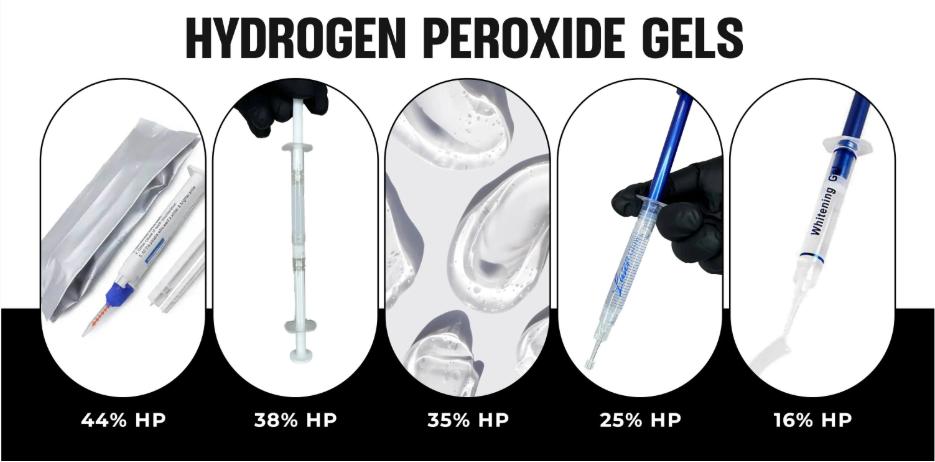
Use this page to select the right chemistry and chair flow. For peroxide strengths (16%–44%) and product-specific protocols, use the HP Gels Hub and the individual strength guides.
Use this ladder to pick chemistry in under 30 seconds. Then click into the appropriate strength guide for details.
Goal: big same-day shade change.
Setup: you can isolate well and control moisture.
Client: wants immediate results or has heavier staining.
Next step: choose a strength based on tolerance and stain severity in the HP hub.
Goal: maintenance, touch-ups, or “slow and steady.”
Setup: home compliance is realistic.
Client: prefers incremental change or needs ongoing upkeep.
Next step: build an at-home plan using the CP guide.
Goal: comfort-forward brightening with minimal sensitivity.
Setup: you want a gentler option or a step-down plan.
Client: sensitivity history, dehydration-prone, or conservative preference.
Next step: see the PAP+ guide.
Primary role: chairside lift.
Speed: fastest visible change.
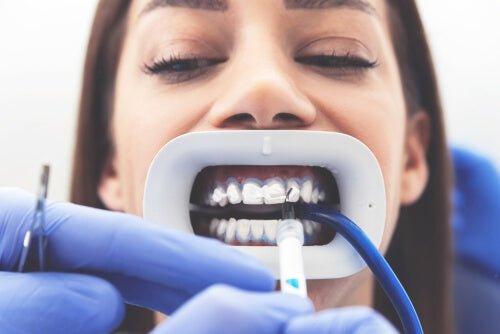
Isolation: highest importance. Moisture control changes outcomes.
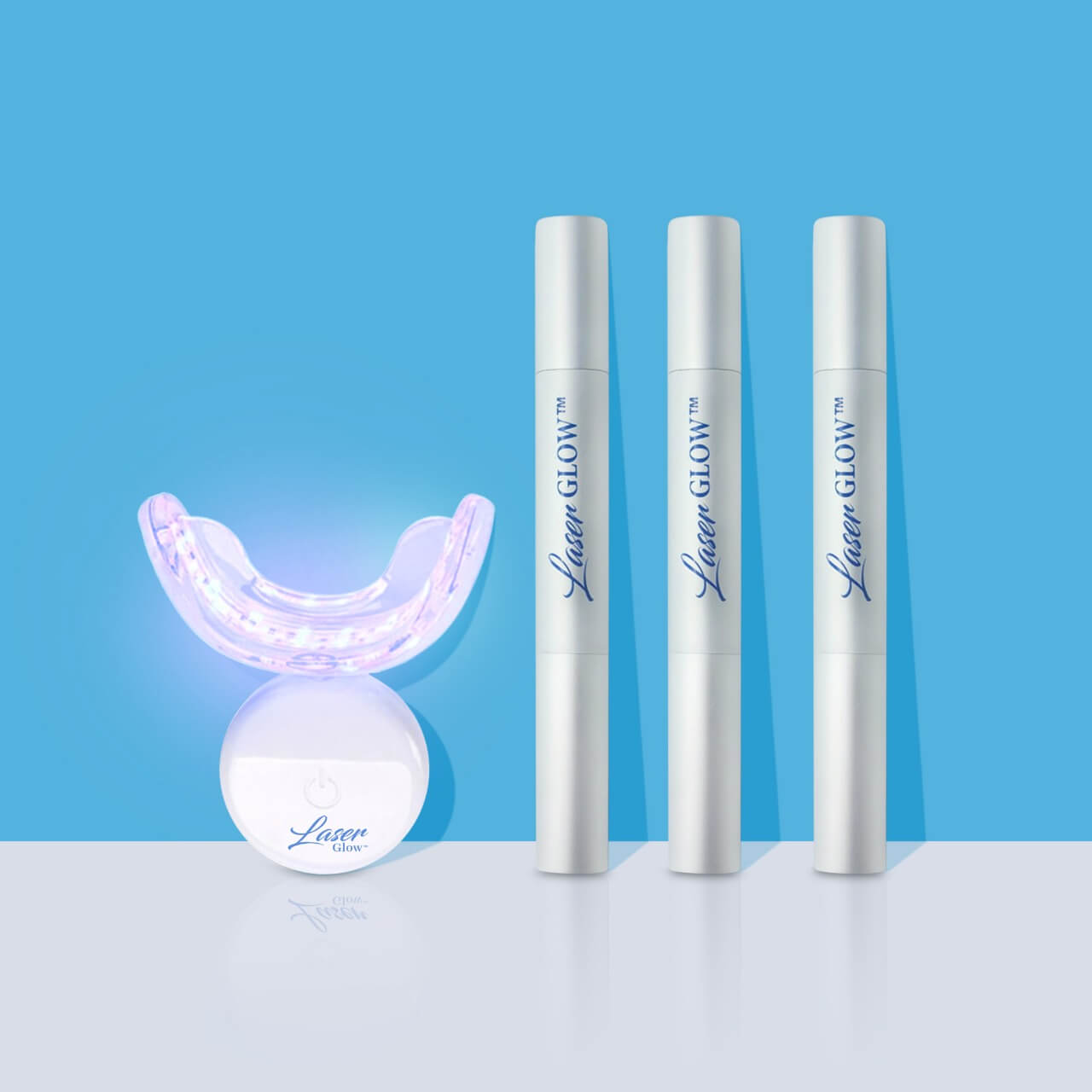
Best fit: in-office protocols, LED/laser-assisted sessions.
Where people mess up: rushing isolation and then blaming “the gel.”
Go deeper: HP strengths hub
Primary role: maintenance and controlled improvement.
Speed: slower, more gradual.
Isolation: typically not chairside-dependent if used at home.
Best fit: touch-ups between visits, maintenance plans, compliant clients.
Go deeper: CP guide
Primary role: comfort-first brightening and step-down plans.
Speed: gentle cosmetic brightening.
Sensitivity: lowest risk profile for many clients.
Best fit: sensitive clients, conservative plans, maintenance when peroxide is too irritating.
Go deeper: PAP+ guide
1) Baseline shade + photos + sensitivity history.
2) Isolation: dry field, barrier placement, tissue inspection.
3) Thin, even application. Avoid pooling near margins.
4) Controlled cycles (short cycles beat “hero cycles”).
5) Post-care: desensitize, white-diet guidance, maintenance plan.
Strength selection depends on tolerance and stain. Start in the HP hub.
1) Baseline + expectations (gentle brightening, not “instant movie teeth”).
2) Moderate isolation for clean placement and consistency.
3) Smooth application and consistent exposure timing.
4) Rehydrate-focused finish and maintenance cadence.
Best when sensitivity history is the limiting factor. See PAP+ guide.
1) Confirm compliance and realistic routine.
2) Targeted application plan (where to focus, how often).
3) Set a check-in cadence to prevent overuse and sensitivity.
4) Use as bridge between in-office visits for shade stability.
CP is your retention tool. See CP guide.
If you’re dealing with uneven shade, dehydration lines, irritation, or “no change,” don’t rewrite chemistry rules on the fly. Use the troubleshooting guide: Troubleshooting Professional Whitening Results.
These templates reduce complaints and increase retention because the plan is clear. You can package these as standard offerings without improvising every appointment.
Best for: routine staining, typical tolerance.
Chemistry: HP for the visit, CP for maintenance.
Workflow: in-office HP session → CP touch-ups between visits → optional periodic in-office refresh.
Where it wins: predictable outcomes with fewer sensitivity complaints.
Best for: sensitivity history or dehydration-prone enamel.
Chemistry: PAP+ baseline, then HP only if tolerated.
Workflow: PAP+ brightening → reassess → step into HP strengths only if comfort allows → PAP+ maintenance.
Where it wins: trust and comfort-first outcomes (clients stop “fear quitting”).
Best for: heavier staining or high-demand cosmetic clients.
Chemistry: HP priority + structured maintenance.
Workflow: strong HP chair flow with strict isolation → controlled cycle strategy → CP or PAP+ maintenance depending on sensitivity.
Where it wins: premium packaging and clear expectations.
Before: decide chemistry around history. If sensitivity is the client’s identity, start PAP+ or gentler HP strengths and build trust first.
During: isolation quality is non-negotiable. Moisture contamination and gel pooling create uneven oxidation and irritation.
After: keep post-care simple and consistent. Short, clear instructions outperform “20 rules nobody follows.”
If sensitivity spikes or results are blotchy, troubleshoot instead of guessing: Troubleshooting guide.
Always follow your lamp IFU for exposure time, distance, and cycle limits.
Consistency beats intensity: keep distance consistent across arches and cycles.
Short cycles win: controlled cycles reduce dehydration lines and sensitivity complaints.
Avoid over-drying: dehydration artifacts can look like “white patches” immediately after treatment.
Traceability: record lot/batch by client when possible.
Temperature: store per label requirements and avoid prolonged heat exposure.
Fresh handling: use clean tips, avoid cross-contamination, and discard compromised product.
Professional use only. Follow IFU, local rules, and clinical judgment.
Can I combine chemistries? Yes. Lift with HP, then maintain with CP or PAP+ depending on sensitivity and compliance.
When do I choose PAP+? When comfort is the limiting factor or you need a step-down plan.
Where does CP fit best? Maintenance and touch-ups between visits, especially for compliant clients.
Need strength guidance? Use the HP hub.
For professional use only. Follow IFU, local regulations, and patient-specific clinical judgment.
Your cart is currently empty.
Not sure where to start?
Try these collections: