Red Light Therapy for Cold Sores - Handheld 660nm + 850nm Device
Red light therapy for cold sores in a portable handheld device. Drug-free and UV-free, designed to be used at the first tingle as part of your existing cold sore routine.
1993 in stock
Share this product
Why Choose Red Light Therapy for Cold Sores?
Why Choose Red Light Therapy for Cold Sores?
- Helps relieve cold sore pain and burning sensations at the outbreak site
- Can shorten the visible healing time when used at the first sign
- Drug‑free and non‑invasive — no creams, chemicals, or messy ointments
- Dual‑wavelength red & near‑infrared light supports natural tissue repair
- Compact, portable device for quick at‑home or on‑the‑go treatments

Targeted Red + Infrared Light Support
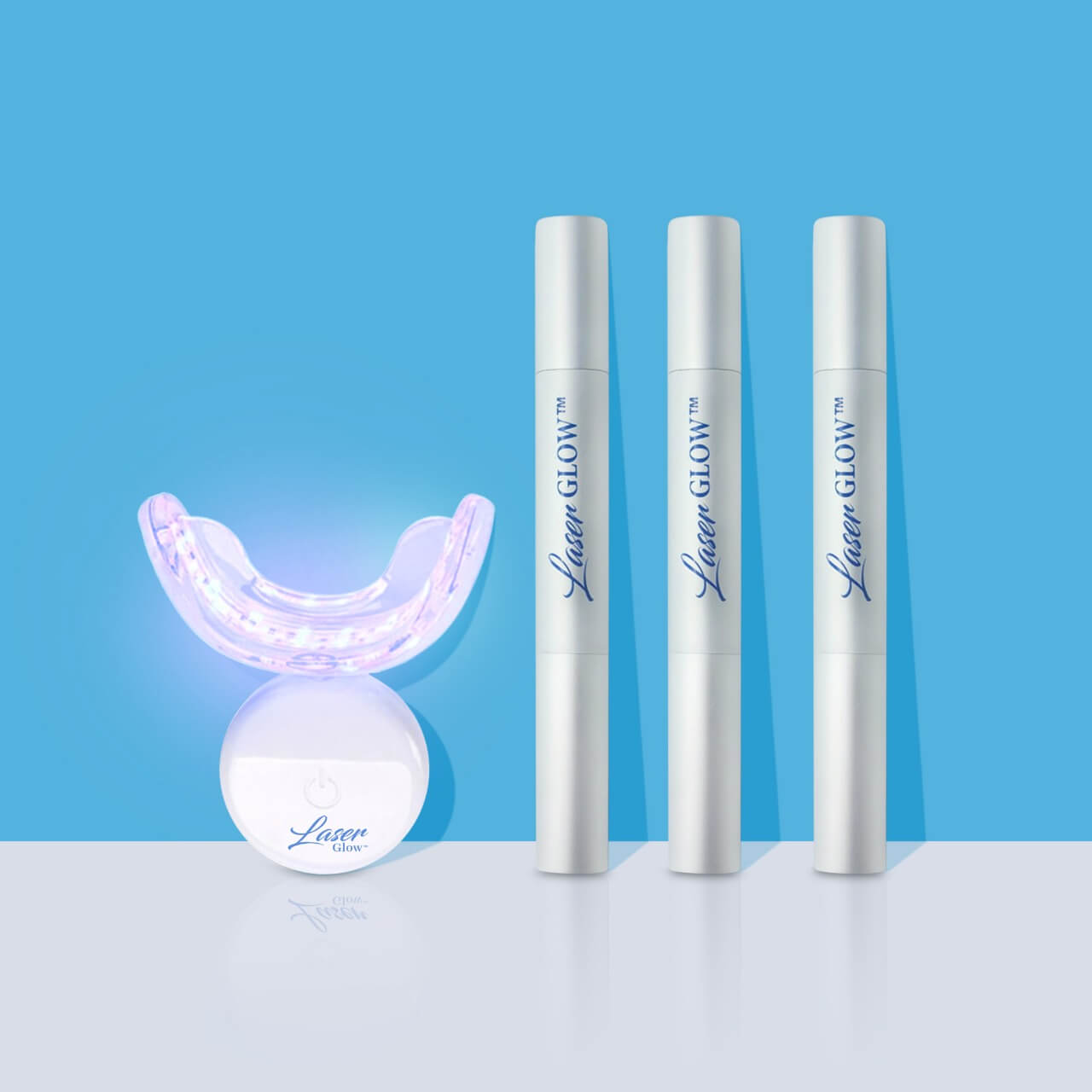
The LaserGlow cold sore red light therapy device combines 660nm red light and 850nm near-infrared light for focused, non-invasive at-home support during your cold sore care routine.
Best use: Begin at the first sign of tingling or sensitivity and follow the product instructions consistently. Not a replacement for medical treatment.

Cold Sore Red Light Therapy vs. Creams, Ointments, and Pills
Most cold sore treatments are reactive — creams, gels, and oral medications that are applied after discomfort and swelling peak. Red light therapy takes a different approach by supporting the skin’s natural repair response with light instead of chemicals. There is no stinging on application, no risk of getting product in your mouth, and no risk of over‑drying the skin around the sore. For people who experience recurring cold sores and want a gentle option to use at the first sign, a red light therapy device can be a helpful addition to their existing cold sore management plan.
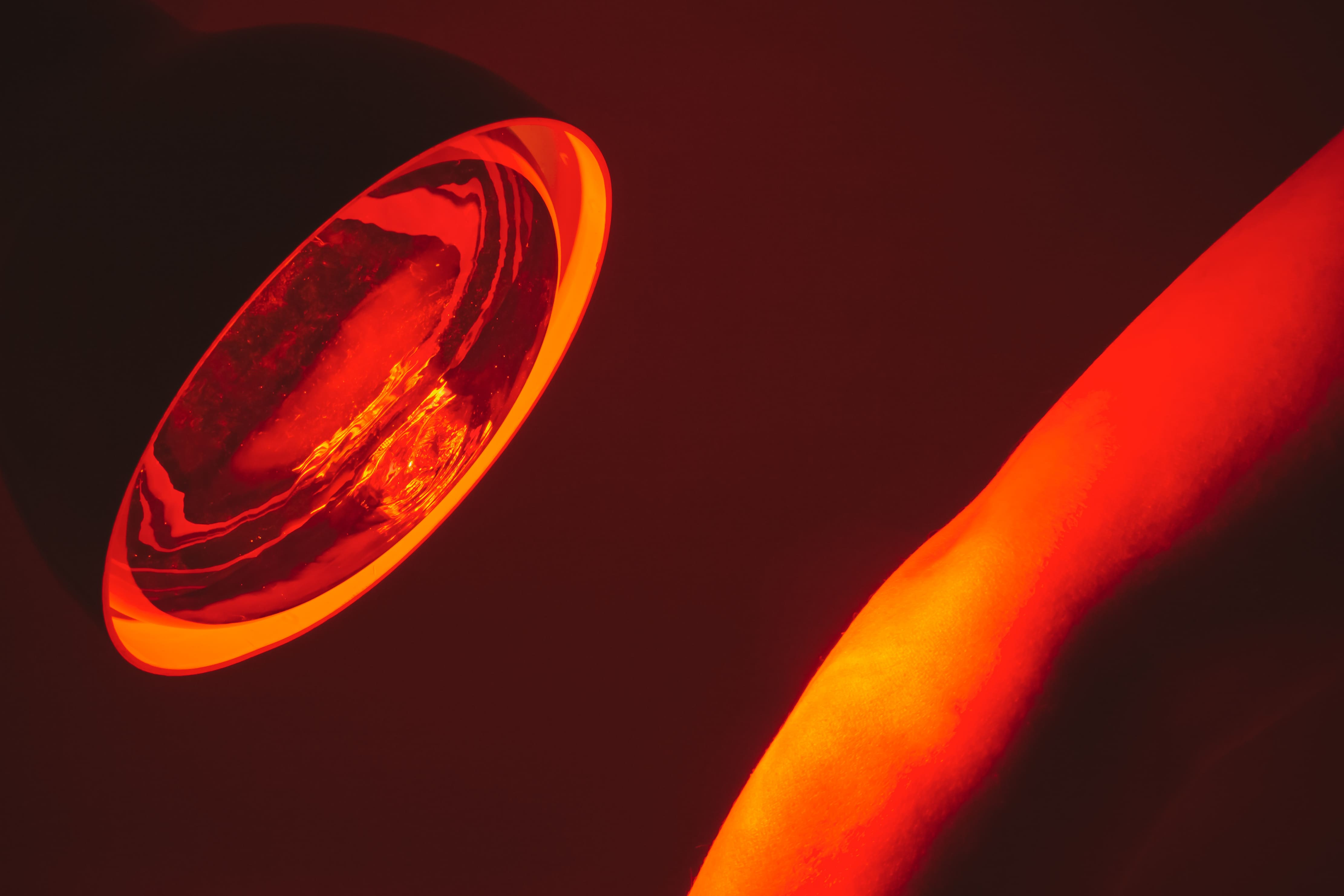
Using Red Light Therapy for Recurring Cold Sores
Recurrent cold sore flare-ups often interfere with daily comfort, appearance, and confidence. Using red light therapy during flare-ups helps reduce discomfort and supports healthier skin recovery, making future flare-ups easier to manage.
Consistent use can help support the skin’s natural repair process over time. The compact, portable design allows for quick sessions at home or while traveling, so treatment fits easily into your routine. This is especially helpful for individuals prone to recurring flare-ups.

Red Light Therapy for Cold Sore Pain Relief
Cold sores can be painful, irritating, and disruptive. Unlike numbing creams or antiviral ointments, red light therapy does not rely on chemical agents.
The LaserGlow device delivers targeted red light directly to the affected area to help soothe discomfort and calm inflammation naturally. Many users experience relief during or shortly after treatment, without residue, dryness, or irritation. This makes it a drug-free option for managing cold sore pain during active flare-ups.
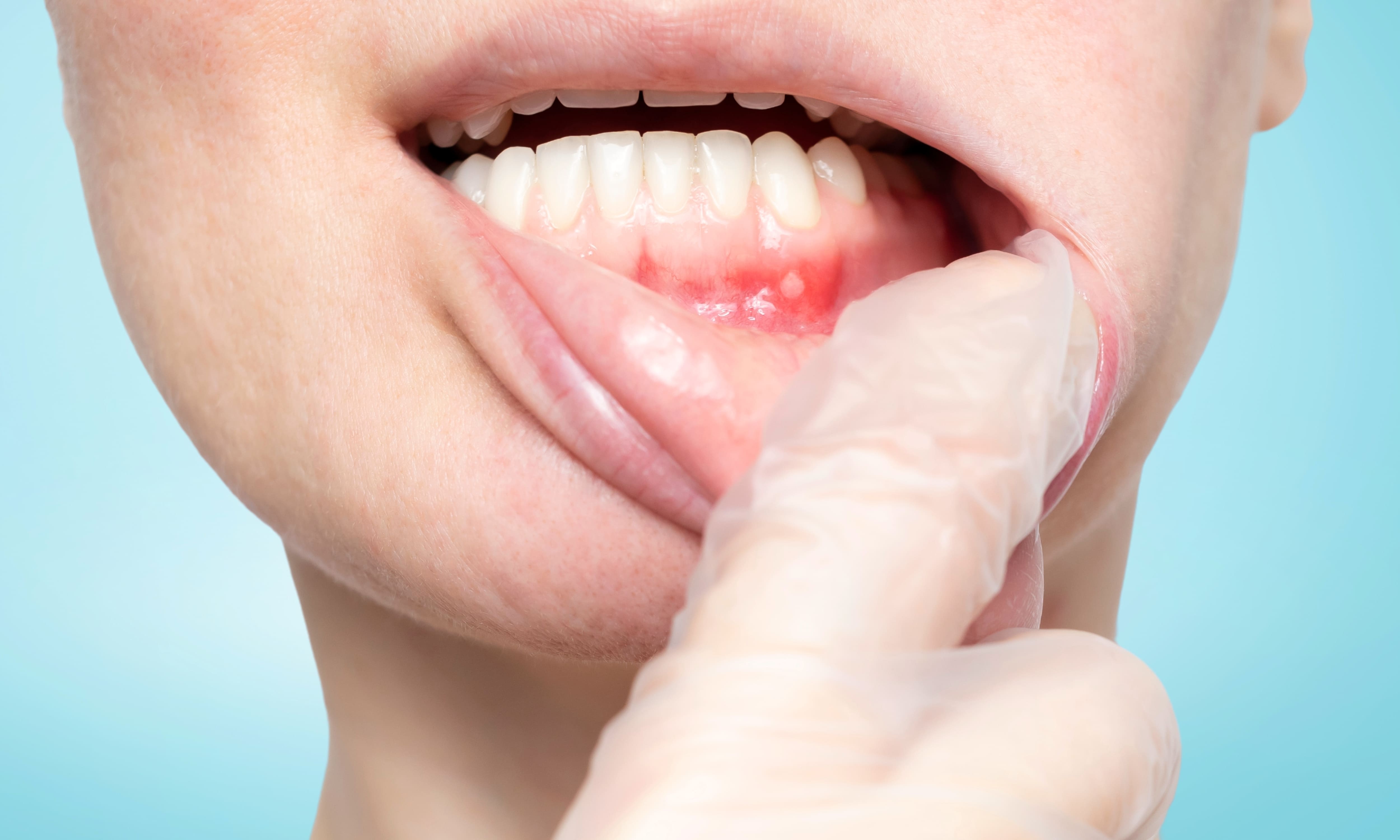
Can You Use Red Light Therapy on Canker Sores?
The LaserGlow Cold Sore Red Light Therapy Device can also be used inside the mouth on canker sores and other minor oral irritations. The targeted light is designed to:
- Help reduce irritation and soreness in sensitive oral tissue
- Support tissue regeneration and natural repair processes
- Calm localized inflammation without topical gels or numbing medicines
This makes the device a versatile option for both external cold sores on the lips and internal canker sores or minor oral lesions, all in one compact tool.
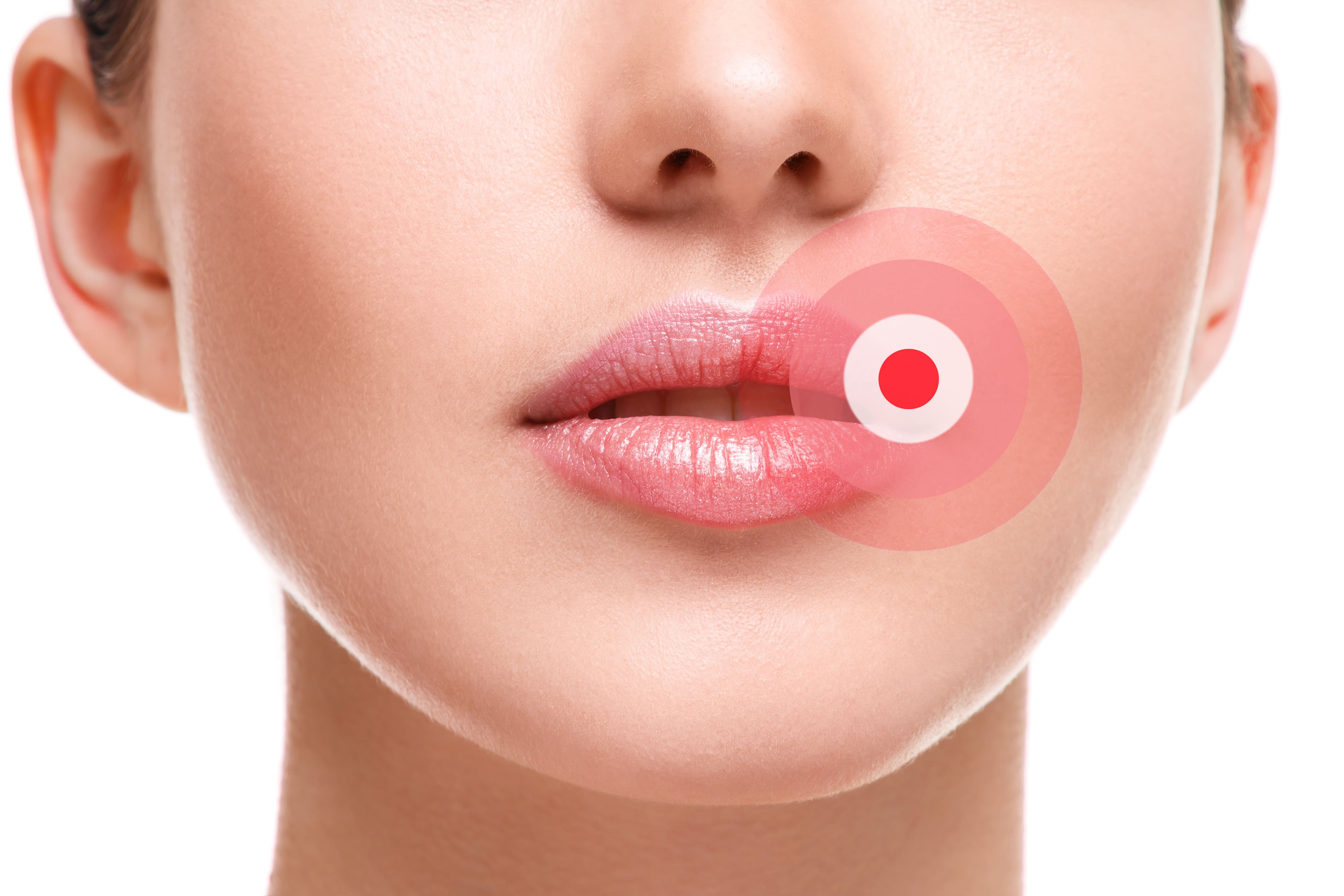
When to Start Using Red Light on a Cold Sore
The best time to treat a cold sore with light is at the very first sign of a flare‑up — often a tingling, burning, or tight feeling around the lip. Starting red light therapy early in the cycle can help reduce discomfort and shorten the visible healing time compared to leaving the sore untreated. Consistent sessions during an outbreak support the skin’s natural repair response as the area moves through each stage, from early swelling to scabbing and resolution.

How to Use the Cold Sore Red Light Therapy Device
- Begin treatment at the earliest sign of a cold sore or canker sore.
- Clean and dry the area around the sore.
- Position the device close to (but not pressing hard on) the skin or oral tissue.
- Activate the device and treat for the recommended session time per spot.
- Repeat several times per day during active outbreaks, following the user manual.
Always follow the included instructions and talk to a licensed healthcare professional if you have questions about using light therapy with your existing cold sore treatment plan.
Red Light Therapy for Cold Sores — FAQ
How red light therapy is used for cold sores, when in the cycle to start, how 660nm and 850nm differ, how it compares to creams, and who should avoid it.
Does red light therapy work for cold sores?
Low-level red and near-infrared light is used across a range of skin and tissue applications, and cold sore care is one of the areas people apply it at home. What a device like this is designed to do is support your skin's own repair response and help make a flare-up more comfortable — it does not act on the underlying virus. Cold sores are caused by HSV-1, which stays in the body permanently, so no light device treats the cause. Use it as one part of a routine rather than a replacement for antivirals your doctor has prescribed.
When should you start using red light on a cold sore?
As early in the cycle as you can — most people recognise a tingling, itching or tight feeling around the lip a day or so before anything is visible. That prodrome stage is when any cold sore approach works best, light therapy included. Waiting until the blister has fully formed means you are working against a flare-up that is already established.
How often can you use a red light device on a cold sore?
Short sessions several times a day during an active flare-up is the typical pattern, following the session length in your device manual rather than a general rule. More is not better with light therapy — consistency across the days of an outbreak matters more than long individual sessions.
Can you use red light therapy on canker sores?
Canker sores are different from cold sores — they are not viral, they occur inside the mouth rather than on the lip, and they are not contagious. The device can be used on the inside of the mouth on minor irritations, and some people find it makes the area more comfortable. Persistent, unusually large, or frequently recurring mouth ulcers should be looked at by a dentist or doctor rather than self-managed.
What is the difference between 660nm and 850nm light?
660nm is visible red light and acts at the surface — the lip and immediately below it. 850nm is near-infrared, invisible to the eye, and penetrates further into tissue. A dual-wavelength device covers both depths in one session, which is why this one runs both rather than a single wavelength.
Is red light therapy better than cold sore creams?
They work differently rather than one being better. Docosanol and antiviral creams act on the surface and on viral replication; light therapy is drug-free, leaves no residue, and can be used repeatedly without drying the skin. Plenty of people use both. If you have been prescribed an oral antiviral, keep taking it — light therapy is not a substitute for prescription treatment.
Can you use red light therapy with other cold sore treatments?
Yes. Because it is drug-free and non-topical there is no interaction to worry about, and it fits alongside creams, patches, lysine or prescription antivirals. If you are on prescription medication or managing a medical condition, mention it to your healthcare provider before adding anything new.
Is red light therapy safe to use on your lips?
The device is designed for use on the lip and perioral area, and it produces no UV. The main precautions are not looking directly into the light, keeping sessions to the recommended length, and stopping if the area becomes uncomfortable. If you are photosensitive, taking a medication that increases light sensitivity, or pregnant, check with your doctor first.
Does red light therapy hurt or feel hot?
No. Sessions feel like gentle warmth at most, and the device does not need to press against the sore — hold it close to the area rather than in contact with it. If you feel actual heat or stinging, stop and check the distance and session length against the manual.
How long does a cold sore take to heal?
A typical cold sore runs through its stages over roughly one to two weeks — tingle, blister, weeping, crusting, then healing. That timeline varies with the individual, how early anything is started, and general health. If a sore lasts significantly longer than two weeks, spreads, or you are getting them very frequently, that warrants a conversation with a doctor.
Can you use the device on other areas?
The handheld design is intended for small, targeted areas — the lip and perioral region are what it is shaped for. It is not a full-face or full-body panel, and using it that way would take impractically long. Follow the areas listed in the manual.
Who should not use red light therapy?
Avoid it if you are taking a medication that causes photosensitivity, have a condition affected by light exposure, or have been advised against light therapy by a doctor. It is not intended for children without medical guidance, and if you are pregnant, check first. Anyone with frequent or severe outbreaks should be discussing management with a healthcare professional rather than relying on any device alone.