


Of bad breath starts in the mouth
And the tongue surface is the most common site, where bacteria collect and release the odour compounds brushing teeth alone doesn't reach.

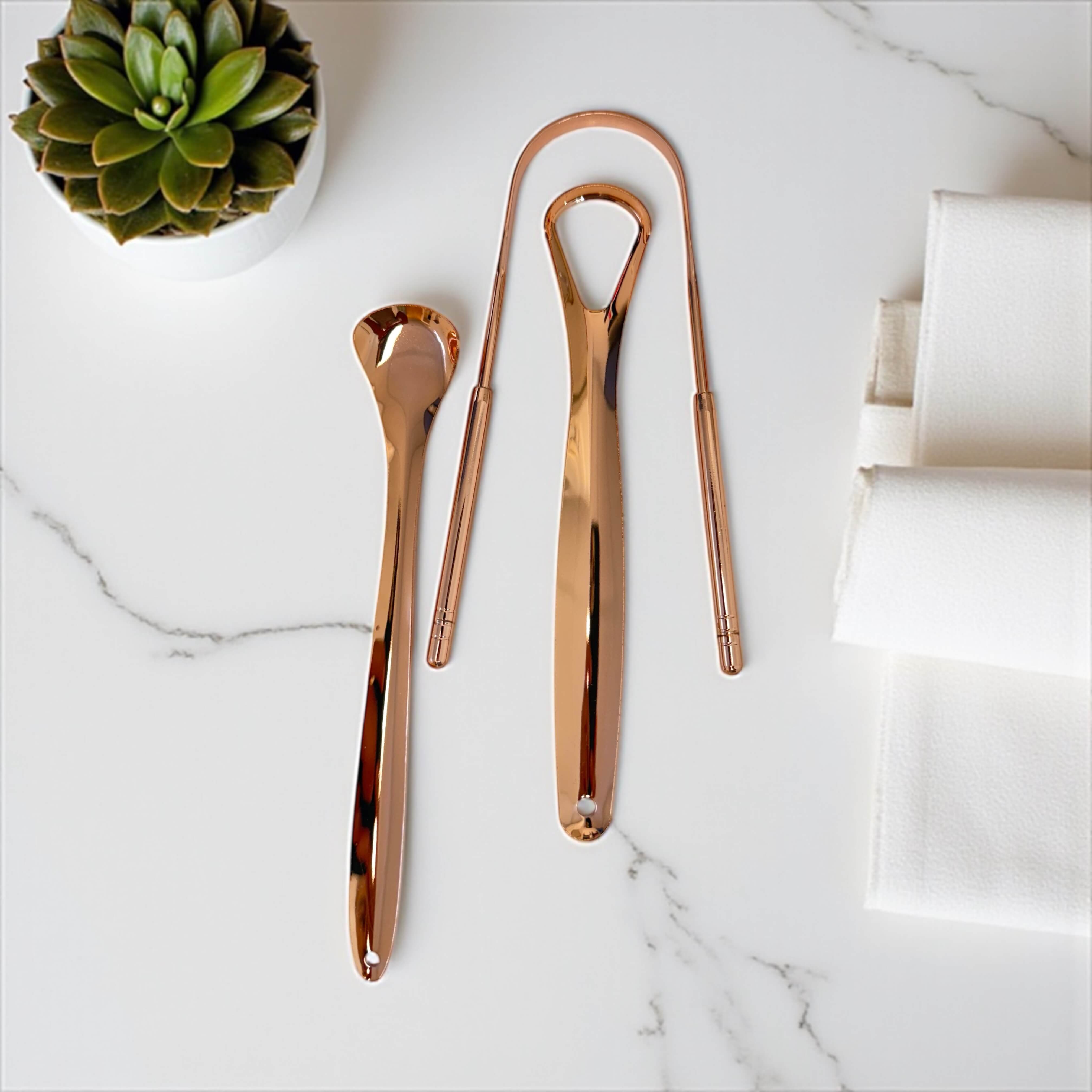
This stainless steel tongue scraper set includes three metal scrapers and a slim travel case, built to lift the coating and odour-causing buildup that brushing leaves behind. A few seconds each morning leaves the tongue visibly cleaner and breath fresher, in a rose gold finish that looks right on an open countertop.
1994 in stock
Brushing cleans hard enamel. The tongue is soft, textured tissue — and it holds the buildup most responsible for morning breath.
And the tongue surface is the most common site, where bacteria collect and release the odour compounds brushing teeth alone doesn't reach.
The tongue's surface texture holds food debris, dead cells and bacteria in a layer that bristles tend to move rather than lift away.
A rigid scraper edge removes buildup in a single stroke — which is why it reaches what brushing and mouthwash consistently leave behind.
Daily scraping takes less time than flossing and targets the exact surface responsible for most morning breath.
Figures reflect widely reported findings on the oral origins of halitosis. Individual results vary. Persistent bad breath despite good oral hygiene is worth discussing with a dentist.

Plastic tongue cleaners can bend, wear down quickly, and develop tiny pores that are harder to disinfect fully. This rose gold set is made from medical‑grade stainless steel that stays rigid, resists corrosion, and rinses completely clean, giving you a more effective scrape and a tool that can last for years instead of weeks.
The LaserGlow Rose Gold Tongue Scraper Set turns tongue cleaning into a fast, luxe ritual instead of an afterthought. Each extra‑wide stainless‑steel scraper glides smoothly over the tongue surface to remove the coated film of bacteria and debris that regular brushing and mouthwash can leave behind — a major source of stubborn bad breath. Non‑porous metal makes the tools easy to sanitize, while the rose‑gold finish and matching case keep everything organized and travel‑ready at home or on the go.

Up to 90% of bad‑breath bacteria live on the tongue surface, where they form a white or yellowish coating that brushing alone often misses. Regular scraping removes that buildup before it can break down and release odor, helping your mouth feel cleaner and your breath smell fresher with every pass.

Each scraper in the set features a rounded, extra‑wide edge that covers more surface area with fewer passes, so you’re done in seconds instead of minutes. Ergonomic handles and a gentle curve help you reach far enough back for a thorough clean while staying in control, minimizing gag reflex and making tongue cleaning a simple habit you’ll actually keep.

The slim rose gold travel case keeps all three stainless‑steel scrapers clean and protected in your bag, carry‑on, or bathroom drawer. Whether you’re heading to work, the gym, or a long‑haul flight, you can rinse, scrape, and refresh your breath in under a minute — without relying on strong mouthwash or mints to mask bad odors.
Adding tongue scraping to brushing and flossing helps reduce bacterial buildup that contributes to plaque, gum issues, and stubborn morning breath. Many people also report that food tastes brighter and more nuanced once the tongue surface is clear, making this simple stainless‑steel tool one of the highest‑impact upgrades you can make to your daily oral‑care ritual.

Learning how to clean your tongue properly takes about thirty seconds. Brushing the tongue with a toothbrush moves the coating around; a scraper lifts it off in one pass. Here is the full sequence.
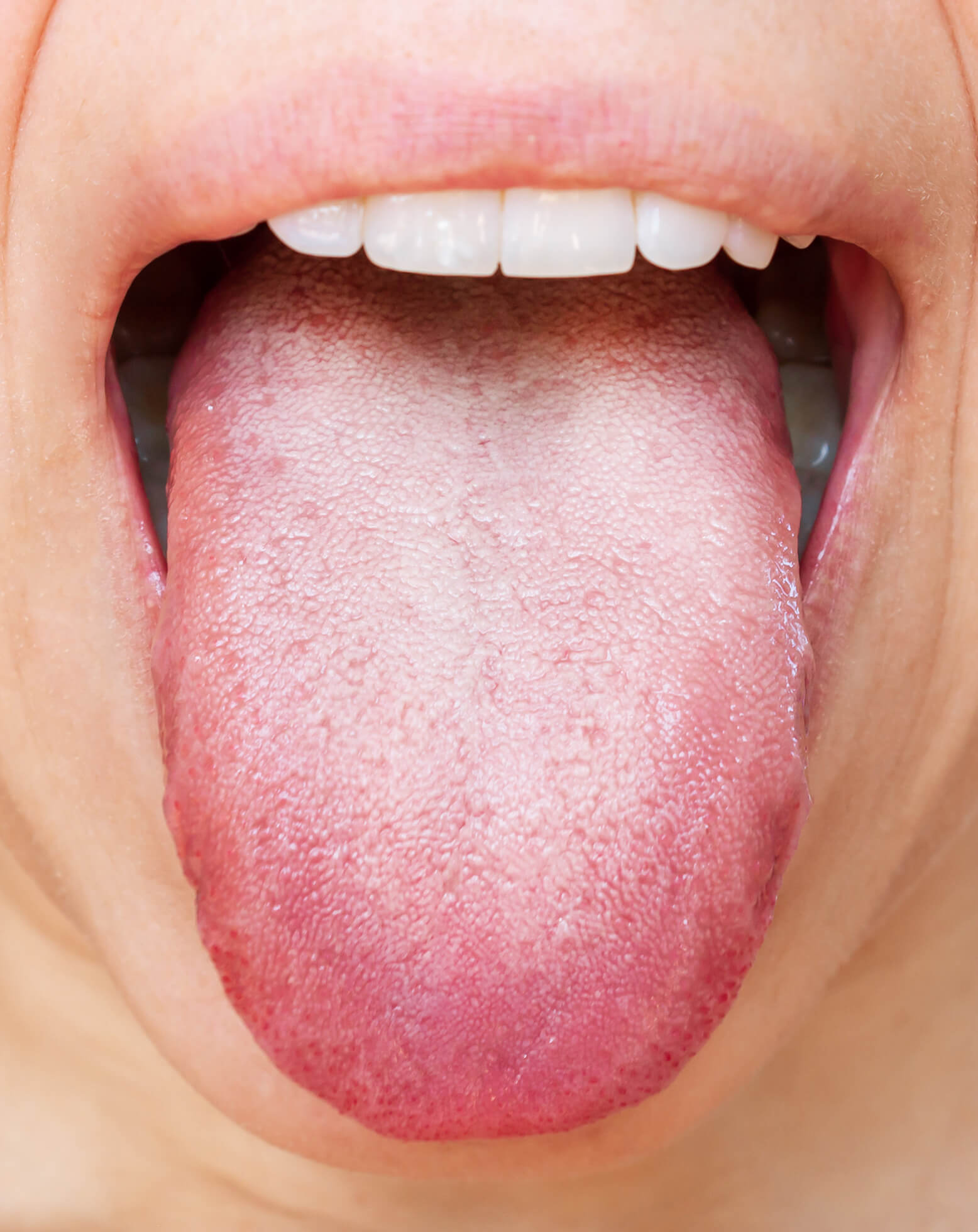
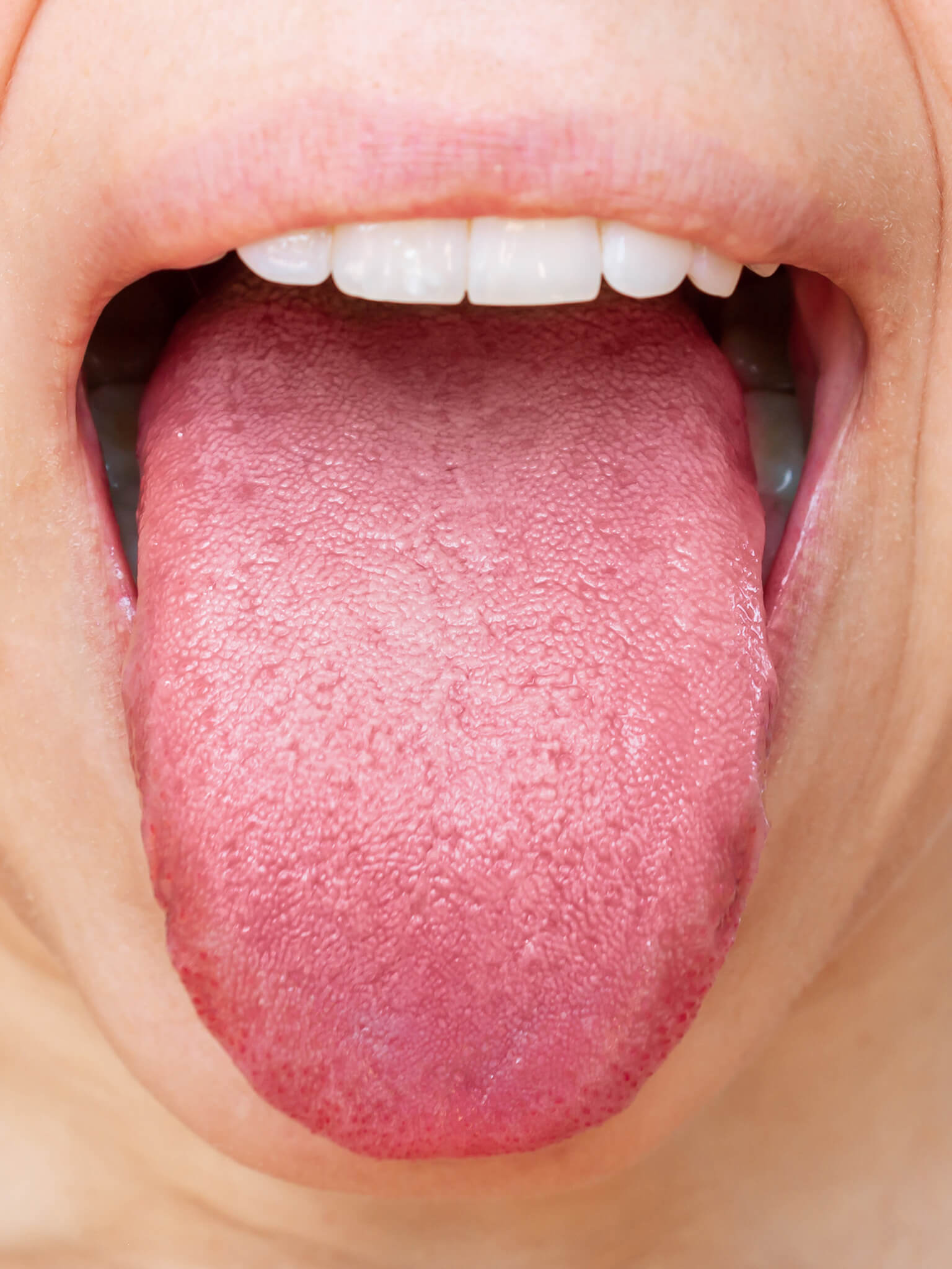
Regular tongue scraping visibly removes buildup, leaving your tongue cleaner, your breath fresher, and your mouth healthier. Experience the difference after just one use.
How to use a tongue scraper, how to clean your tongue properly, what tongue scraping does for bad breath and a white coated tongue, plus gag reflex, care and travel.
Rinse the scraper under warm water, then place it near the back of your tongue and pull it gently forward to the tip in one smooth motion. Rinse the scraper, repeat two or three light passes, then rinse your mouth. Use light pressure — a good scrape feels like a smooth glide, not a scrub. The whole routine takes about thirty seconds after brushing.
Brushing your tongue with a toothbrush pushes the coating around rather than lifting it off, because bristles are designed to clean hard enamel, not soft tissue. A scraper removes the film in a single pass. Clean the tongue after brushing and before rinsing, working from the back forward, and finish by rinsing both the scraper and your mouth.
Yes, for what they are designed to do: physically removing the bacterial coating that collects on the tongue surface. That coating is where most odour-causing compounds are produced, so lifting it off addresses the source rather than covering it. What a scraper will not do is treat gum disease, tooth decay or sinus-related breath issues, which need a dentist.
The main benefit is fresher breath, since the tongue surface holds the bacteria most responsible for odour. Regular scraping also clears the coating that dulls taste, and many people notice food tastes sharper within a few days. Added to brushing and flossing, it removes buildup that those two steps consistently leave behind.
It targets the most common source. The majority of bad breath originates on the tongue, where bacteria break downfood particles and release sulphur compounds. Scraping removes that layer instead of masking it, which is why a scraper often works better than mouthwash alone. Persistent bad breath despite good hygiene is worth raising with a dentist.
A white or coated tongue is usually a buildup of bacteria, dead cells and food debris sitting in the surface texture, and scraping is the most direct way to lift it. Most people see a visible difference from the first pass. If the coating is thick, painful, or returns immediately no matter how often you clean, see a dentist or doctor — that can point to thrush or another condition a scraper will not fix.
It can if you start too far back. The extra-wide curved edge covers more surface in fewer passes, so you do not need to reach as deep as with a toothbrush. Begin mid-tongue and move gradually further back over a few days as you adjust. Exhaling as you scrape and going slowly both help a sensitive gag reflex settle.
Metal holds a rigid edge, so it lifts the coating in one pass instead of flexing over it. It is also non-porous, which means it rinses fully clean and does not develop the micro-pores plastic can get with age. A stainless steel scraper lasts years; a plastic one is usually a months-long tool.
Once or twice daily is right for most people — morning is the highest-impact time, since the coating builds overnight. Add an evening pass if you smoke, take medications that dry the mouth, or notice buildup returning by mid-afternoon. Daily use matters more than aggressive use.
Rinse it under warm water with a little mild soap after every use, then dry it fully before it goes back in the case — trapped moisture is what causes odour and spotting. For a deeper clean every week or two, soak it in a denture-cleaning solution or wipe it with rubbing alcohol, then rinse and dry.
Yes. The set includes a slim case that keeps all three scrapers contained and protected in a carry-on, gym bag or drawer. Metal scrapers have no restrictions for air travel. Just make sure they are dry before they go in the case.
The polished edges are made to glide rather than cut, and most people with sensitivity use them comfortably at light pressure. Do not scrape directly over a tongue piercing, an ulcer, or an area of recent oral surgery, and ease off if you see redness. If you have a specific medical or dental condition, check with your dentist first.
Your cart is currently empty.
Not sure where to start?
Try these collections:

1994 in stock
This stainless steel tongue scraper set includes three metal scrapers and a slim travel case, built to lift the coating and odour-causing buildup that brushing leaves behind. A few seconds each morning leaves the tongue visibly cleaner and breath fresher, in a rose gold finish that looks right on an open countertop.