-
Estimated delivery: Sep 26 - Sep 30
Purple Whitening Strips with PAP – 28 Peroxide-Free Strips
Purple whitening strips that pair color correction with PAP technology — no hydrogen peroxide, trays, or LED light required. 28 strips in 14 sealed pairs, 30-minute wear time. Results and comfort vary.
4997 in stock
Share this product
Purple whitening strips with PAP
LaserGlow purple whitening strips pair violet color correction with PAP, a whitening ingredient used instead of hydrogen peroxide. Each box includes 28 strips in 14 sealed pairs for a 30-minute daily routine, with no trays or LED light needed. Results vary with your starting shade and the cause of staining.

Purple whitening: real results or just a filter? A purple-to-white reveal can look convincing. But violet pigment alone creates a temporary color effect — it doesn't remove stains. What matters is what else is in the formula.
The purple is only part of the story. LaserGlow pairs violet color correction with PAP, a separate whitening active used to target stain compounds. The pigment changes the appearance of yellow tones; PAP is included to address staining. Results vary with your teeth and the cause of discoloration.
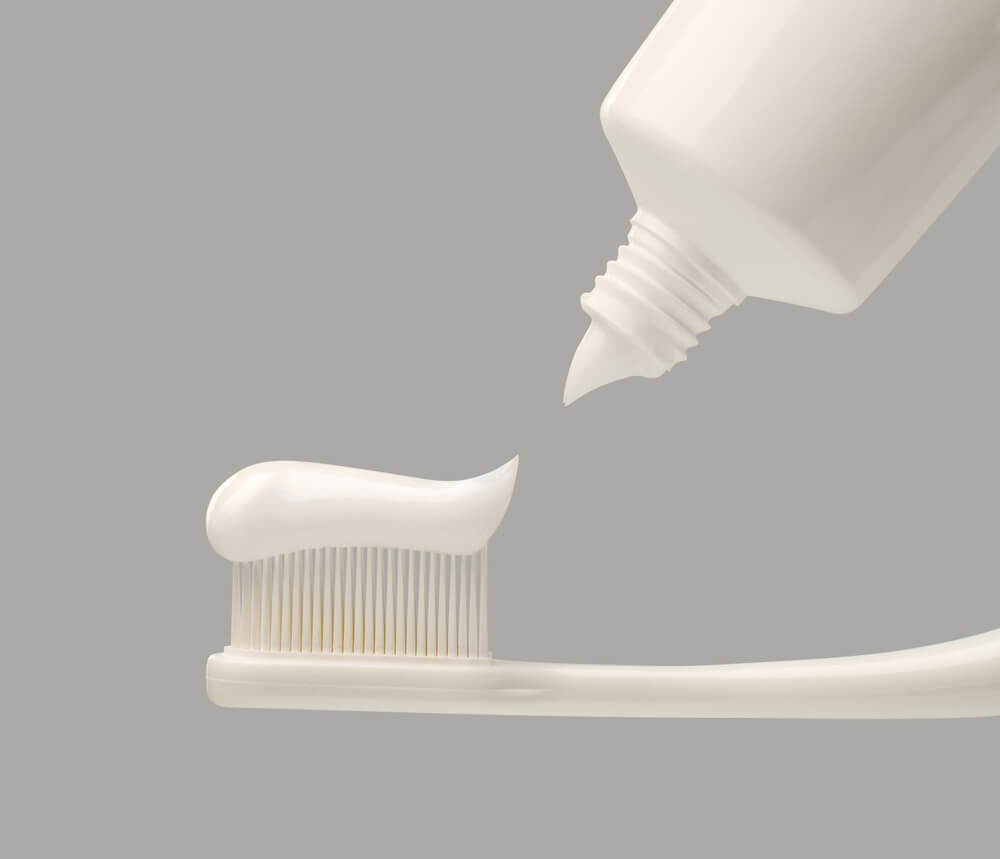
color-correcting toothpaste Health.com's Best Purple Whitener pick →
How violet color correction works
Violet and yellow are complementary colors, so violet pigment can temporarily soften how yellow tones look. The visible effect depends on the formula, your teeth and the lighting — and it's separate from what the PAP active is doing.
Illustration of color correction, not a before-and-after result.
Purple whitening strips without hydrogen peroxide
If whitening has made your teeth sensitive before, ask your dentist whether these strips are suitable for you. For a broader look at what different whitening formulas can and can't do, see our guide to common teeth whitening myths.
PAP whitening, no peroxide
PAP (phthalimidoperoxycaproic acid) is the whitening active in this formula, used instead of hydrogen peroxide. A different active does not guarantee a sensitivity-free experience.
Upper and lower coverage
Each treatment includes a strip for your upper teeth and one for your lower teeth.
Flexible strip fit
Designed to fit against your teeth during the 30-minute treatment. Keep the gel away from your gums.
No trays, no lights
No impressions, separate gel loading or charging. Apply the strips, wait, then remove as directed.
Individually sealed
Each upper and lower pair comes in its own pouch. Keep it sealed until you are ready to use it.
Use as directed. Stop use if sensitivity or irritation occurs. Whitening does not change the shade of veneers, crowns, bridges or bonding as it does natural teeth, so a color mismatch may become more noticeable. Not for children under 12. If you are pregnant, nursing or receiving dental treatment, speak with your dentist before use. Follow the instructions and age restrictions on the packaging.
28 strips. 14 complete treatments.
Each box of purple whitening strips contains 28 strips in 14 sealed pairs. One upper strip and one lower strip make one treatment. Use one pair a day for 14 days, following the included instructions.

How to use your purple whitening strips
Four steps, once a day. Follow the package directions for the 30-minute treatment and stop if you develop discomfort.
Start with clean, dry teeth
Follow the preparation instructions in the box. Dry your hands and the tooth surfaces before handling the strips.
Apply upper and lower strips
Align each strip with your teeth, keeping the gel off your gums. Press gently into place and fold the excess behind your teeth as directed.
Wear for 30 minutes
Avoid eating or drinking during treatment. Do not exceed the recommended wear time.
Remove and clean
Peel off and discard both strips. Remove residual gel according to the included instructions. Do not reuse strips or double up treatments.
Are these strips right for you?
Choose a whitening routine based on your teeth, dental history and expectations.
Consider these if
- You want to address everyday surface staining from food or drinks
- You prefer a formula without hydrogen peroxide
- You are interested in violet color correction alongside a whitening active
- You want a routine without trays or LED lights
- Your dentist recommends at-home whitening between appointments
These may not be suitable if
- You want to change the shade of veneers, crowns or composite bonding
- You have deep, medication-related or unexplained discoloration
- You expect the same result as an in-office treatment
- You have untreated decay, gum disease, exposed roots or dental pain
- You are under 12 or below the age specified on the packaging
PAP vs. hydrogen peroxide, at a glance
Both ingredients are used for whitening. The active alone doesn't predict comfort or results — that depends on the full formula and your own teeth.
| Factor | PAP (this product) | Hydrogen peroxide strips |
|---|---|---|
| Whitening active | PAP, used to oxidize stain compounds | Hydrogen peroxide, used to oxidize stain compounds |
| Choosing a formula | An option for people seeking a formula without hydrogen peroxide | A commonly used whitening option; suitability depends on your dental needs |
Reviewed by David Hanna, RDH
Registered Dental Hygienist · Founder of LaserGlowThis product guidance was reviewed by David Hanna, RDH, a licensed Registered Dental Hygienist and founder of LaserGlow. His clinical background includes professional teeth whitening, preventive dental care and patient education. LaserGlow also supplies whitening gels, gingival barriers and LED systems to dental offices, med spas and whitening providers nationwide, and operates in-office whitening locations for clients who want professional treatment in person.
Purple whitening strips FAQ
Do purple teeth whitening strips actually work?
They may help brighten the appearance of teeth, but the formula matters. Violet pigment provides color correction, while PAP is the whitening active in LaserGlow strips. Any optical effect is temporary, and the amount of visible whitening varies with your teeth and staining. Follow the full course as directed.
For more on color correction, PAP and realistic expectations, read our guide to how purple whitening strips work.
How is PAP different from the peroxide in regular whitening strips?
PAP stands for phthalimidoperoxycaproic acid, used to oxidize stain compounds instead of hydrogen peroxide. The ingredients differ, but that alone doesn't establish which formula whitens faster or feels more comfortable — see the comparison above for specifics.
Are purple whitening strips safe for enamel?
The absence of hydrogen peroxide does not by itself establish enamel safety. Safety depends on the complete formulation and correct use. Follow the package directions, avoid extra treatments, and stop if irritation occurs. Ask your dentist before whitening if you have enamel wear, decay or persistent sensitivity.
For general guidance, see the American Dental Association's overview of teeth whitening.
How long do results from purple whitening strips last?
Violet color correction is temporary and does not permanently change tooth shade. How long any improvement lasts depends on your starting shade and exposure to staining foods and drinks.
For ways to protect your results afterward, see our guide to foods that stain teeth after whitening.
Can I use these if I have veneers, crowns or bonding?
Whitening does not change the shade of restorations as it does natural teeth. If the surrounding teeth become lighter, a mismatch may be more noticeable. Do not assume a whitening product is suitable for every restorative material; ask your dentist before using strips over or around veneers, crowns, bridges or composite bonding.
Will these make my teeth sensitive?
Sensitivity or gum irritation is possible, including with a formula that contains no hydrogen peroxide. Stop using the strips if discomfort occurs. If you have had sensitivity with whitening before, or have exposed roots or enamel wear, speak with your dentist before starting.
How often should I use them?
Use one pair daily for 14 days, wearing the strips for 30 minutes per treatment, as directed on the packaging. A pair includes one upper and one lower strip. Do not exceed the wear time or use more than one pair a day. Stop if discomfort occurs and follow package guidance for any repeat course.
Purple strips or purple toothpaste — which should I get?
These PAP strips use a 30-minute treatment format. Purple color-correcting toothpaste offers violet color correction in a brushing routine. For a full side-by-side, see our comparison of purple vs. regular toothpaste. Whitening strips do not replace regular brushing with fluoride toothpaste or routine dental care.