Teeth Whitening & Tooth Gem Blog | Expert Guides | LaserGlow
LED Whitening Session Prep: What to Know Before You Start
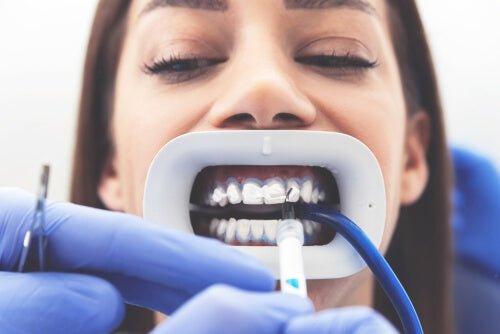
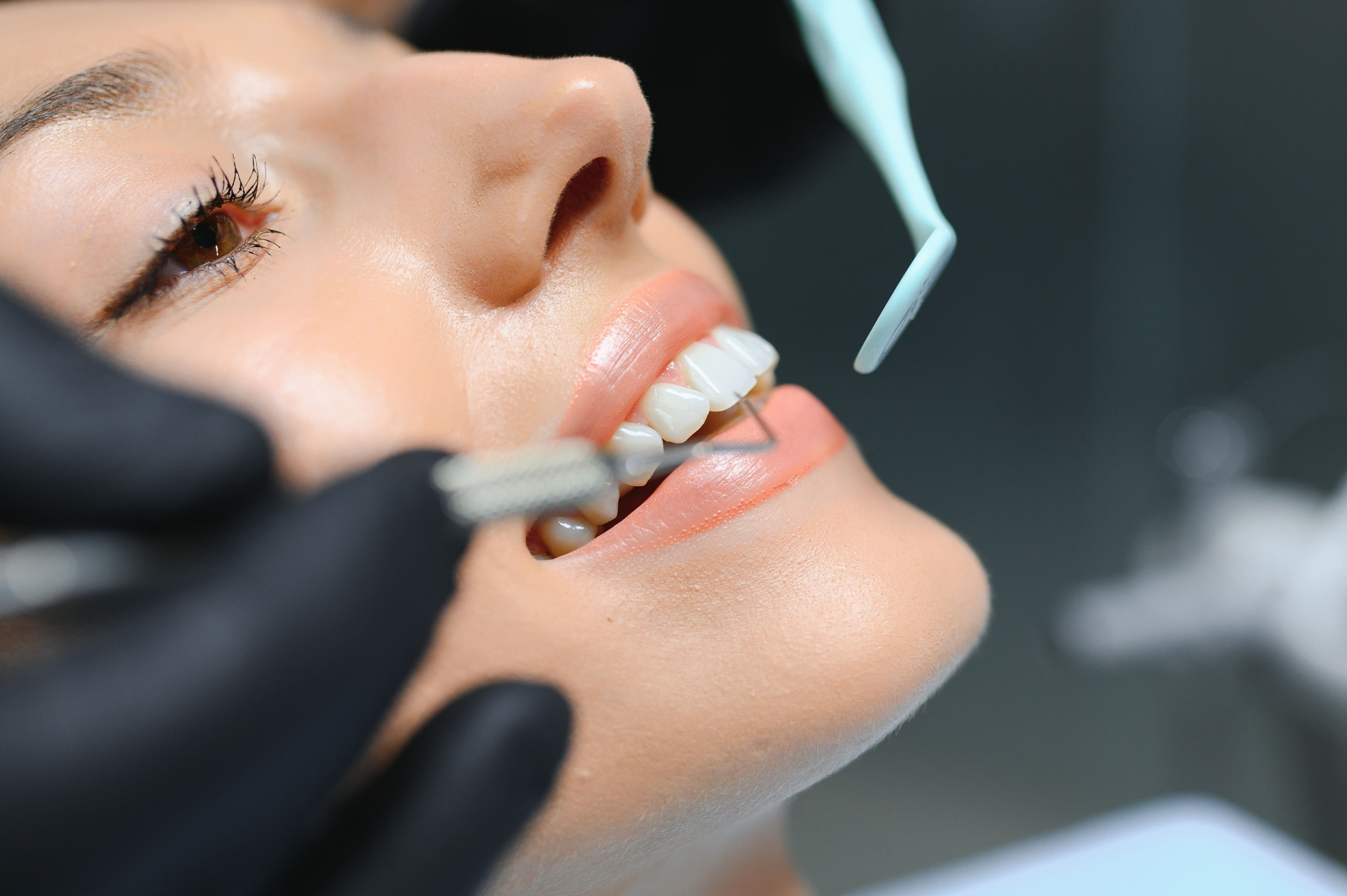
In-Office Whitening · Appointment Prep LED Whitening Session Prep: What to Know Before You Start A few simple steps before your LED teeth whitening appointment can mean a smoother session, less sensitivity, and a brighter-looking result. Here is exactly what to do — and what to avoid — before you sit down in the chair. Reviewed by: David Hanna, RDH · Published: July 23, 2026 Book Your LED Whitening Session Shop Whitening Aftercare Every LaserGlow in-office session is performed by a licensed dental hygienist and includes a gingival barrier to protect your gums before whitening gel is applied. What Is an LED Whitening Session, and Why Prep Matters LED teeth whitening pairs a professional-strength whitening gel with an LED light that accelerates the gel's activity. At LaserGlow, sessions are performed by licensed dental hygienists, and a gingival barrier is applied first to shield your gums before the whitening gel goes on. That combination is what allows an in-office session to work faster and more predictably than an at-home kit. Whitening gel works by lifting stain molecules out of the enamel and outer dentin, which temporarily makes those layers more porous. That is why the hours before and after your appointment matter almost as much as the treatment itself — a little prep goes a long way toward comfort and how long your results last. One Week Before Your Appointment 1 Get any active dental issues checked first. Cavities, gum disease, exposed dentin, or cracked teeth should be evaluated by a dentist before whitening. Whitening gel is designed for healthy, natural tooth enamel. 2 Mention veneers, crowns, or bonding when you book. Whitening gel does not change the shade of existing restorations, so your provider needs to know in advance to plan around visible dental work. 3 Flag any history of tooth sensitivity. This helps your hygienist choose the right protocol and pace for your appointment. 4 Hold off on trying new whitening products right before your visit. Let your hygienist see your true baseline shade so your results are accurately assessed. 24–48 Hours Before Your Session Keep brushing and flossing on your normal schedule — there is no need to scrub harder than usual. If you regularly use whitening strips or a peroxide-based product at home, pause that routine for a day or two so you are not layering multiple whitening treatments back to back, which can increase sensitivity. Stay hydrated, and if you have any mouth sores, canker sores, or recent dental work, let your provider know before your appointment rather than after you arrive. The Morning of Your Appointment Eat beforehand Your aftercare window starts right after your session, so have a normal meal before you arrive. Skip heavy lip products Lipstick and heavy balms can transfer onto teeth and the gingival barrier — a plain, unscented lip balm is fine. Brush normally A normal brushing and flossing routine is all you need. Aggressive scrubbing right before your visit can add unnecessary sensitivity. Bring your questions If you are unsure about sensitivity, timing, or which session is right for you, ask your hygienist before treatment starts. What Happens During Your Appointment Every LaserGlow in-office visit starts with a quick evaluation, followed by a gingival barrier to protect your gums, then application of a professional-strength whitening gel activated by an LED light. A full whitening session typically runs about an hour, while a quick touch-up session for recent whitening clients runs closer to 20–30 minutes. For a full walkthrough of what to expect at your specific location, see the Clifton, Edgewater, or Miami whitening pages. If You Have Veneers, Crowns, or Bonding Whitening gel changes the shade of natural tooth enamel — it does not change the color of veneers, crowns, bonding, or other restorations. If you have visible dental work on your front teeth, tell your provider when you book. Ask about session options designed for mixed-restoration smiles so your results look even rather than mismatched. Aftercare: The First 24–48 Hours Right after whitening, enamel is temporarily more porous and more likely to pick up stains. For the first 24–48 hours, stick to a "white diet" — think chicken, rice, plain pasta, and water — and skip coffee, tea, red wine, dark sauces, berries, and tobacco. Cold water and a soft-bristle brush can help if you notice mild, temporary sensitivity. If sensitivity lingers, a dedicated desensitizing and remineralizing gel pen is designed specifically for post-whitening comfort. To maintain your results between sessions, many clients follow up with LaserGlow Purple Toothpaste Serum — a peroxide-free color corrector that was named Best Purple Whitener in Health.com's roundup of the best teeth whitening products for sensitive teeth — or an HA5 hydrating mouthwash if dry mouth is part of your sensitivity. Who This Prep Guide Is For First-Time Whitening Clients If it has been 6+ months since your last whitening treatment or this is your first session, the full week-before checklist applies to you. Touch-Up and Refresh Clients Whitened recently and just booking a quick refresh before an event or photos? Focus on the 24–48 hour and morning-of steps. Why Prep With LaserGlow LaserGlow in-office sessions are performed by licensed dental hygienists, with a gingival barrier applied as standard protocol before every whitening treatment. That combination of professional oversight and a sensitivity-aware approach is why this prep guide focuses on comfort and predictable results, not just speed. FAQs Do I need to do anything special before LED teeth whitening? Get any active dental issues checked beforehand, tell your provider about sensitivity history or visible restorations when you book, and avoid trying new whitening products right before your visit so your baseline shade is accurate. Can I eat or drink before my whitening appointment? Yes. Eat a normal meal before you arrive, since the "white diet" recommendation applies to the 24–48 hours after your session, not before it. Will LED whitening hurt or cause sensitivity? Some people notice mild, temporary sensitivity during or after a session, which is why a gingival barrier and a sensitivity-aware protocol are used. Let your hygienist know about any sensitivity history so your session can be adjusted. How many shades whiter will my teeth get? Results vary by starting shade, staining history, and tooth structure, so LaserGlow does not promise a specific number of shades. Your hygienist can give you a realistic expectation during your evaluation. Can I get LED whitening if I have veneers or crowns? Whitening gel does not change the color of veneers, crowns, or bonding. Tell your provider about any visible restorations when you book so your session can be planned around them. How soon can I eat or drink after whitening? Stick to a white diet — light-colored foods and water — for 24–48 hours after your session, and avoid coffee, tea, red wine, dark sauces, and tobacco during that window. Book Your LED Whitening Session Clifton, NJ In-office LED whitening, serving Clifton and North Jersey. Clifton Whitening Edgewater, NJ In-office LED whitening for Edgewater and the surrounding area. Edgewater Whitening Miami, FL In-office laser teeth whitening in Miami, FL. Miami Whitening
Learn moreAchieve a Healthy, Dazzling Smile with Lip Oils
Smile Care Achieve a Healthy, Dazzling Smile with Lip Oils Whitening treats your teeth. It doesn't treat what frames them. Dry, dull, or uneven lips can quietly undercut a bright smile — here's the science behind that, and how to build a lip care routine that actually finishes the job. By David Hanna, RDH · Licensed Dental Hygienist · Updated July 20, 2026 Most smile routines stop at the teeth. That's a gap, not a finish line. Your lips are the frame your teeth sit in — and dry, flaky, or dull lips change how bright and put-together your whole smile looks, no matter how much whitening gel you've used. This guide covers the actual science behind that effect, what to look for in a lip oil, and how to build a routine that treats your smile as one complete picture instead of two disconnected parts. Why Lip Health Is Part of Your Smile, Not Separate From It Every time someone looks at your smile, they're looking at teeth framed by lips — the eye takes in both at once. Chapped, flaking, or dull-toned lips create visual noise that competes with your teeth for attention, and can make even a freshly whitened smile look less finished. Smooth, hydrated, evenly toned lips do the opposite: they frame your teeth cleanly, with nothing pulling focus away from the brightness you've already worked for. The Science: How Lip Tone Affects How White Your Teeth Look This isn't just a styling opinion — it's basic color contrast. Teeth read as brighter or duller depending on what's directly next to them, and lips are the closest reference point the eye has. Darker, richer, or simply healthier-looking lip tone tends to increase the contrast against enamel, making teeth appear whiter by comparison, while very pale, dry, or patchy lips reduce that contrast. None of this changes your actual tooth shade — it changes how that shade reads visually, which is exactly why lip condition belongs in the same conversation as whitening. The practical takeaway: whitening and lip care solve two different problems that both affect the same result. One changes tooth shade. The other changes the frame around it. Skipping either one leaves the job half done. What's Actually in a Good Lip Oil Not all lip products are doing the same job. A wax-heavy balm mostly seals moisture in; a gloss is built for shine and color. A true lip oil is formulated to treat the tissue itself — here's what the more effective ingredients are actually doing. Hydration Hyaluronic Acid (HA5 / Multi-Weight) Draws and holds moisture in the lip tissue at multiple depths, which is what gives lips a plumper, smoother look without swelling. Elasticity Polypeptides Support the skin's structure and elasticity, helping soften the look of fine lines that form across the lip surface over time. Soothing Arnica Oil Commonly used to support skin recovery and calm the look of irritation — a common addition in formulas meant for sensitive or recently treated lips. Protection Vitamin E & Shea Butter Vitamin E offers antioxidant support while shea butter conditions and locks in moisture, rounding out a formula built for daily wear. Related product Polypeptide Lip Repair Oil (HA5) — formulated by PA-C Elena Vurmo with HA5 hyaluronic acid, polypeptides, arnica oil, vitamin E, and shea butter. Common Lip Problems That Undercut a Bright Smile Chronic dryness and flaking — creates visible texture that draws the eye before it ever reaches your teeth. Dull or uneven pigmentation — reduces the natural contrast that makes white teeth read as white. Fine lines across the lip surface — add visual texture and shadow, especially under direct or camera lighting. Post-whitening or post-treatment sensitivity — dry mouth from whitening trays or strips can leave lips more chapped than usual right when you want them looking their best. Post-filler bruising or swelling — a temporary but very visible distraction from an otherwise polished smile. Lip Oil vs. Balm vs. Gloss: What's the Difference A general comparison — formulas vary by brand. Format Primary Job Texture Best For Lip Balm Seals in existing moisture Waxy, occlusive Basic daily protection Lip Gloss Shine and color Often thick or tacky Finishing touch, worn over other products Lip Oil Hydrates and treats the tissue Lightweight, absorbs in Daily wear, overnight repair, layering under lipstick Building a Lip Routine That Complements Your Whitening Routine Whitening and lip care aren't competing steps — they work best run in parallel, so your teeth and the lips around them improve on the same timeline. Morning: apply lip oil to clean, dry lips before makeup or a lip product, giving it a few minutes to absorb. After whitening strips or trays: whitening can leave lips and the surrounding skin dry from extended mouth-open contact — reapply lip oil right after to offset that. Midday touch-up: a thin layer refreshes shine without the tackiness of gloss, and layers cleanly under lipstick if worn. Evening: pair a color-correcting toothpaste with a generous lip oil layer before bed — one finishes your teeth, the other finishes your lips, so you wake up with both looking their best. Related products Purple Toothpaste Color Corrector Teeth Whitening Strips (Sensitive Formula) Tooth Gloss Flavored Whitening Toothpaste For more on the whitening side of the routine, see Celebrity Smile Secrets: What Actually Whitens Teeth and the latest advances in whitening technology. Finish Your Smile Routine Pair the Polypeptide Lip Repair Oil with your whitening routine for a smile that looks complete, not half-finished. Shop Lip Repair Oil Shop Purple Toothpaste Frequently Asked Questions About Lip Oil & Smile Care Can lip oil actually make my smile look whiter? Lip oil doesn't change your tooth shade, but healthier, more evenly toned lips change the visual frame around your teeth. Dry, flaky, or dull lips draw attention to imperfections and can make a whitened smile look less finished, while smooth, hydrated lips create a cleaner contrast that makes teeth read brighter by comparison. What's the difference between a lip oil, a lip balm, and a lip gloss? Lip balm is typically wax-based and sits on the surface to seal in moisture. Lip gloss is designed primarily for shine and color, often with a heavier, tackier texture. Lip oil is a lighter, non-waxy formula built to absorb and treat the lip tissue — hydrating, plumping, or repairing — while still leaving a glossy finish. Can I use lip oil every day? Yes. A non-sticky, hydrating lip oil is generally suited for daily use, both alone for a glossy finish and layered under or over lipstick. Products formulated with hyaluronic acid and vitamin E are designed for regular use rather than occasional treatment. Does lip oil help with lip filler recovery? Some lip oils are formulated with ingredients like arnica oil, which is commonly used to help support the skin's appearance after cosmetic procedures and may help minimize the look of bruising and swelling. Always follow your injector's specific aftercare instructions first. What ingredients should I look for in a lip oil? Hyaluronic acid (including multi-weight or "HA5" blends) for deep hydration, peptides to support elasticity and the look of fullness, vitamin E as an antioxidant, and shea butter or arnica oil for soothing and conditioning are common, well-regarded ingredients in lip oil formulas. Why do my lips look dull even when my teeth are freshly whitened? Whitening only affects your teeth, not the skin framing them. Dry, flaky, or unevenly pigmented lips create a visual contrast problem — the eye compares your teeth to the lips around them, and dull or chapped lips can make an otherwise bright smile look less polished. Can lip oil be worn under lipstick? Yes. A lightweight, fast-absorbing lip oil can be used as a hydrating base under lipstick, or worn alone for a natural glossy finish. Non-sticky formulas layer well without affecting lipstick wear. Is lip oil safe to use overnight? Many lip oils are designed to double as an overnight treatment. Applying a slightly thicker layer before bed allows ingredients like hyaluronic acid and shea butter more time to absorb, which can leave lips smoother and softer by morning. How does lip color affect how white teeth look? Color theory and visual contrast play a real role in perceived tooth shade — darker or cooler-toned lips can make teeth appear whiter by contrast, while very pale, dry, or uneven lips can reduce that contrast. This is a perception effect, not a change in actual tooth color. Is lip oil gender-neutral or only for certain skin tones? A clear, non-tinted lip oil formula is generally suited to any gender and any skin tone, since it treats and hydrates rather than adding pigment. Anyone dealing with dry, chapped, or tired-looking lips can use one. Key Takeaways Lips are part of the smile's visual frame — dry or dull lips can undercut even a freshly whitened smile. Lip tone affects perceived tooth whiteness through basic color contrast, not actual shade change. Lip oil differs from balm and gloss by treating the tissue itself with hydrating and conditioning actives, not just sealing or adding shine. Look for hyaluronic acid, peptides, vitamin E, and soothing oils like arnica or shea butter in a quality formula. Run lip care and whitening in parallel — apply lip oil after whitening sessions and pair morning and night routines for a complete result. DH David Hanna, RDH David is a licensed dental hygienist with dental hygiene and clinical science education, and the founder of LaserGlow. He writes on the whitening and smile-care side of LaserGlow's product line; the Polypeptide Lip Repair Oil featured here is formulated by PA-C Elena Vurmo. This article is educational and not a substitute for advice from a licensed dermatology, dental, or injectable-treatment professional. If you have recently had lip filler or another cosmetic procedure, follow your provider's specific aftercare instructions.
Learn moreExploring the Latest Advances in Dental Whitening Technology
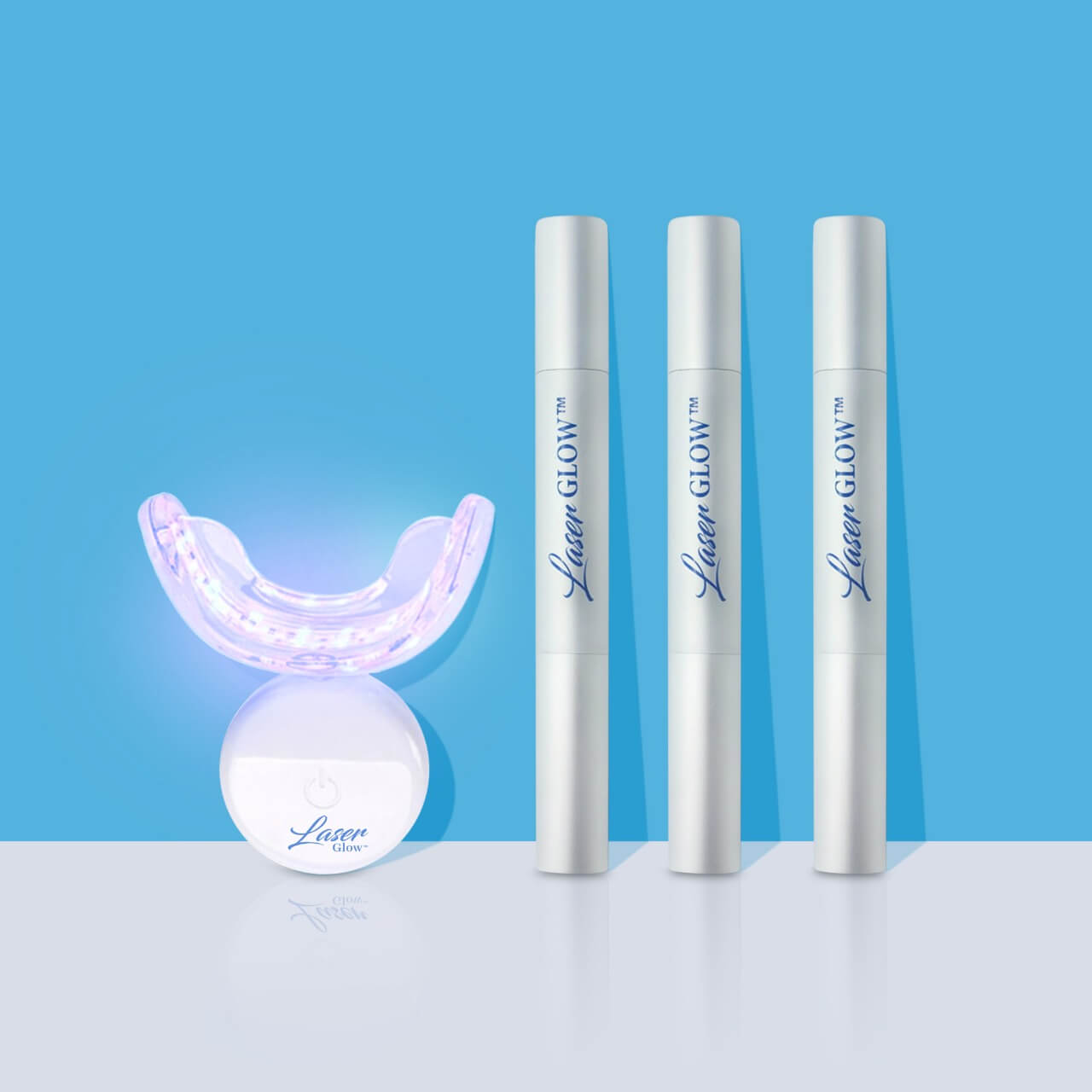
Whitening Technology Latest Advances in Dental Whitening Technology Whitening chemistry has not changed dramatically in decades, but how it is delivered, activated, and paired with aftercare has. Here is what is actually new in dual-barrel gel systems, LED activation, PAP+ chemistry, and remineralizing technology, and what it means for providers and at-home users alike. By David Hanna, RDH · Licensed Dental Hygienist · Updated July 20, 2026 Hydrogen peroxide and carbamide peroxide have whitened teeth for decades, and the underlying chemistry has not been reinvented. What has changed is everything around it: how gel is mixed and delivered, how it is activated, how sensitivity is managed, and what is added afterward to support enamel. This guide breaks down the advances worth knowing about for providers evaluating equipment and gel systems, and for anyone whitening at home who wants to understand what they are actually using. From Single-Concentration Gel to Dual-Barrel Automixing Traditional single-syringe gel is pre-mixed and ready to apply. Dual-barrel systems store two components separately and combine them through an automatic mixing tip at the point of application. This can provide a more consistent ratio during application and help reduce waste when the system is used according to its instructions. For higher-concentration professional protocols, controlled dispensing matters. An uneven ratio can affect working consistency, treatment performance, and the likelihood of sensitivity or soft-tissue irritation. Related products 36% Dual-Barrel Hydrogen Peroxide Gel 44% Hydrogen Peroxide Dual-Barrel Gel Automatic Mixing Tips For a deeper comparison, read Dual-Barrel vs. Single-Syringe Whitening Gel . LED and Light-Activated Whitening: What the Technology Actually Does LED light does not whiten teeth by itself. Certain whitening gels are formulated for use with a light source that may help accelerate the chemical reaction during treatment. The outcome depends primarily on the gel formulation, concentration, application technique, treatment time, stain type, and individual tooth structure. LED systems have become common in professional and consumer whitening because they are generally less expensive and produce less heat than many older light-based systems. However, not every whitening gel benefits from light activation, so providers should follow the gel manufacturer's instructions rather than treating the light as a universal performance upgrade. Related products Professional LED Whitening Machine LED Curing Light Wireless LED Teeth Whitening Kit PAP+: The Peroxide-Free Shift for Sensitive-Tooth Whitening PAP+ products use phthalimidoperoxycaproic acid as an alternative whitening ingredient to hydrogen peroxide or carbamide peroxide. PAP+ formulations have gained attention among users seeking a peroxide-free option, particularly those who have experienced sensitivity with traditional peroxide systems. The exact performance of a PAP+ product depends on its complete formula, concentration, contact time, stain type, and usage protocol. Peroxide-based professional products may still be better suited to deeper or more persistent discoloration, while PAP+ gives providers and consumers another option when comfort is a major concern. Related products 12% PAP+ Teeth Whitening Gel PAP+ Teeth Whitening Pen PAP+ Teeth Whitening Powder Nano-Hydroxyapatite and the Rise of Remineralizing Aftercare One of the more useful recent shifts is not a whitening ingredient at all. Nano-hydroxyapatite and other remineralizing technologies are increasingly used in oral-care products designed to support enamel and reduce sensitivity after whitening. These ingredients do not oxidize stain in the same way as peroxide or PAP+ whitening agents. Their role is better understood as aftercare and maintenance: supporting the enamel surface, improving comfort, and helping users maintain a consistent oral-care routine after whitening. How to think about it: whitening technology and remineralizing technology solve different problems. Whitening products target discoloration. Remineralizing products support the tooth surface and may help reduce sensitivity afterward. Related products Desensitizing & Remineralizing Gel Pen Flavored Whitening Toothpaste Smarter Formulations for Sensitivity Control Sensitivity is one of the main reasons people stop a whitening routine early. Modern protocols address it through several approaches rather than relying on one product: lower-concentration formulas, shorter treatment intervals, peroxide-free alternatives, careful soft-tissue isolation, and desensitizing or remineralizing products used before or after treatment. Why gingival barrier matters: High-concentration professional whitening gels can irritate soft tissue on contact. A properly applied light-cured gingival barrier helps protect the gum line during treatment. Providers must follow the gel manufacturer's instructions, applicable laws, and appropriate professional protocols. Related products 16% Hydrogen Peroxide Gel Gingival Barrier Gel 20-Shade Teeth Whitening Guide How to Choose the Right Technology for Your Practice or Routine A general starting framework. Individual sensitivity, enamel condition, product instructions, and applicable professional requirements must also be considered. If you are... Consider Why A new provider building a whitening menu Professional Whitening Starter Kit Combines equipment and core supplies into one starting system Running a higher-volume whitening schedule Dual-barrel professional gel systems Controlled dispensing and potentially less waste Working with sensitivity-prone clients Lower-concentration or PAP+ options Allows the protocol to prioritize comfort and tolerance Whitening at home for the first time Sensitive Whitening Strips Simple format with a lower barrier to starting Looking for a structured at-home whitening system Wireless LED Whitening Kit Combines a timed application routine with an LED mouthpiece For related reading, see Does Leaving Professional Whitening Gel on Longer Work Better? and How Many Clients Can One Syringe of Whitening Gel Treat? . Upgrade Your Whitening Protocol Shop professional whitening gels, LED equipment, PAP+ formulas, and aftercare products for a more complete whitening system. Shop Professional Supplies Shop At-Home LED Kit Frequently Asked Questions About Whitening Technology What is PAP+ teeth whitening and how is it different from peroxide? PAP+ uses phthalimidoperoxycaproic acid as an alternative whitening ingredient to hydrogen peroxide or carbamide peroxide. It is peroxide-free and is often marketed toward users concerned about sensitivity. Results vary by formula, concentration, stain type, and usage protocol. Does LED light actually make whitening more effective, or just faster? LED light does not whiten teeth by itself. Certain gels are formulated for use with light activation, which may accelerate the reaction during treatment. The effectiveness of the treatment still depends primarily on the gel formulation, concentration, contact time, and application protocol. What is the difference between single-syringe and dual-barrel whitening gel? Single-syringe gel is pre-mixed and ready to apply. Dual-barrel systems keep two components separate until they pass through an automatic mixing tip. This can improve dispensing consistency and reduce waste when used correctly. Is nano-hydroxyapatite toothpaste a replacement for whitening gel? No. Nano-hydroxyapatite is primarily used to support enamel and manage sensitivity. It does not oxidize internal or external stain in the same way as peroxide or PAP+ whitening ingredients. Why do higher-percentage gels require a gingival barrier? High-concentration professional gels can irritate soft tissue. A light-cured gingival barrier helps isolate and protect the gum line during application. Providers must use the protective protocol specified by the product manufacturer. Are at-home LED whitening kits catching up to professional in-office results? At-home systems have improved, but professional whitening treatments generally use stronger formulations, more controlled isolation, and direct supervision. At-home kits are typically designed for gradual results through repeated use. What causes whitening sensitivity, and how is it being addressed? Whitening sensitivity can happen when active ingredients temporarily penetrate enamel and reach the dentin. Modern approaches include lower-concentration formulas, reduced contact time, PAP+ products, desensitizing gels, and remineralizing aftercare. How often should a whitening practice upgrade its equipment or gel systems? There is no universal replacement schedule. Providers should reassess equipment when light output becomes inconsistent, maintenance problems increase, treatment results decline, or a newer system offers a meaningful improvement in safety, efficiency, or consistency. Is laser whitening still used, or has LED replaced it? Laser whitening systems still exist, but LED systems are more common in many professional and at-home settings because they are generally less expensive and produce less heat. What should I look for when choosing a professional whitening gel concentration? Consider the client's sensitivity history, stain severity, enamel condition, treatment setting, manufacturer instructions, and provider training. The strongest concentration is not automatically the best choice for every client. Key Takeaways Many recent whitening advances involve delivery, application, sensitivity management, and aftercare rather than entirely new whitening chemistry. Dual-barrel systems can improve dispensing consistency by keeping components separate until application. LED light does not whiten teeth independently and should only be used with compatible formulations. PAP+ gives consumers and providers a peroxide-free whitening option. Remineralizing products support enamel and sensitivity management but do not replace whitening gel. Gel concentration and treatment technology should be selected around the individual client, product instructions, and treatment setting. DH David Hanna, RDH David Hanna is a licensed registered dental hygienist and the founder of LaserGlow. He develops professional whitening protocols, evaluates whitening formulations, and works with providers on gel selection, equipment, treatment workflows, and aftercare. This article is for educational purposes and is not a substitute for professional dental advice, diagnosis, training, or treatment. Professional-strength whitening products should only be used in accordance with manufacturer instructions, applicable regulations, and appropriate soft-tissue protection protocols.
Learn moreCelebrity Smile Secrets: What Really Whitens Teeth at Home | LaserGlow
Whitening Education Most celebrity-white smiles are the product of more than toothpaste. Here is what is actually behind them, what at-home whitening can realistically do to natural teeth, and the RDH-backed routine for getting brighter results without guesswork. By David Hanna, RDH · Licensed Dental Hygienist · Updated July 20, 2026 Search for celebrity teeth whitening secrets and you will find plenty of promises with very little explanation of how the results are actually created. Some advice is useful, but dramatically white smiles are often influenced by cosmetic dentistry, professional maintenance, lighting, makeup, photography, and digital color correction. This guide separates what at-home whitening can realistically accomplish on natural teeth from what requires professional cosmetic dentistry or photographic enhancement. What Is Actually Making Celebrity Teeth Look So White? A dramatically uniform, camera-ready smile is usually the result of several factors working together rather than one product. Cosmetic dentistry. Porcelain veneers and composite bonding can reshape teeth and establish a more uniform shade. These materials do not whiten like natural enamel. Professional in-office whitening. Professional treatments use controlled application, soft-tissue protection, and products intended for supervised use. Studio lighting and color correction. Lighting, makeup, camera exposure, and post-production editing can make teeth appear brighter on screen than they do in normal conditions. Consistent professional maintenance. Routine cleanings, polishing, cosmetic touch-ups, and stain management reduce the amount of discoloration that accumulates over time. At-home whitening can still improve the appearance of natural teeth. It is simply solving a different problem than veneers, bonding, or digital image editing. Can At-Home Whitening Get You Close? Setting Realistic Expectations On natural, unrestored teeth, properly formulated whitening products may reduce certain external and internal stains. Hydrogen peroxide, carbamide peroxide, and PAP-based products use different formulations and treatment protocols to improve tooth brightness. The amount of change varies according to starting shade, stain type, enamel and dentin characteristics, product concentration, contact time, and consistency. At-home whitening cannot guarantee a specific number of shades or change the color of porcelain veneers, crowns, or composite bonding. The At-Home Whitening Stack: What to Actually Use An effective at-home routine may combine a primary whitening treatment, maintenance products, and temporary optical brightening rather than relying on one alleged miracle product invented by the internet before lunch. Whole-Arch Treatment Teeth Whitening Strips for Sensitive Teeth Whitening strips hold a measured amount of gel against the visible front surfaces of the teeth for a defined treatment period. Shop Whitening Strips → Peroxide-Free PAP+ Teeth Whitening Pen A brush-on, peroxide-free whitening formula designed for targeted application, touch-ups, and convenient maintenance. Shop the PAP+ Pen → Complete At-Home System Wireless LED Teeth Whitening Kit A timed LED mouthpiece system paired with whitening gel for a structured, multi-session at-home whitening routine. Shop the LED Kit → Instant Optical Effect Purple Toothpaste Color Corrector Violet pigment temporarily reduces the appearance of yellow tones through color correction rather than bleaching. Shop Purple Toothpaste → Whitening strips and LED kits are designed to create cumulative results over repeated applications. Whitening pens are useful for convenient or targeted maintenance. Purple toothpaste provides temporary optical color correction rather than a permanent shade change. Comparing the At-Home Whitening Options General guidance only. Always follow the treatment time and frequency printed on the specific product. Product Format Sensitivity Potential Result Type Best For Whitening Strips Multi-day strip treatment Varies by user Cumulative Consistent coverage across visible teeth PAP+ Whitening Pen Peroxide-free brush-on gel Generally lower Cumulative Targeted application and maintenance Wireless LED Kit Gel and LED mouthpiece Varies by formula and user Cumulative A structured at-home treatment routine Purple Toothpaste Color-correcting toothpaste Low when used as directed Temporary optical effect Same-day reduction in yellow appearance Tooth Gloss Cosmetic finishing product Low when used as directed Temporary shine Photos, events, and cosmetic finishing Dos and Don’ts of At-Home Whitening Do Follow the exact treatment time and frequency printed on the label. Start with a sensitive-formula or peroxide-free option if you have a history of whitening sensitivity. Rinse with water after coffee, tea, wine, berries, and dark sauces. Use a soft toothbrush and a low-abrasion toothpaste for daily care. Ask a dental professional before whitening visible crowns, veneers, bonding, or other restorations. Don’t Combine multiple peroxide whitening products in the same day unless directed by a dental professional. Leave products on longer than instructed in an attempt to force faster results. Use aggressive charcoal powders or abrasive scrubs that may damage enamel or irritate gum tissue. Whiten over active cavities, broken teeth, severe gum irritation, or untreated dental pain. Expect whitening products to change the shade of existing dental restorations. A note on sensitivity: mild and temporary sensitivity may occur during whitening. Stop using the product and contact a dental professional if sensitivity is severe, sharp, persistent, limited to one tooth, or accompanied by pain, swelling, or gum injury. Finishing the Look: Beyond Whiter Teeth A polished smile involves more than tooth shade. Daily plaque control, clean retainers, healthy gums, and consistent maintenance all affect how bright teeth appear. Clean teeth consistently with a sonic toothbrush. Removing plaque and surface debris helps prevent stains from rebuilding between whitening treatments. Sonic Electric Toothbrush Keep clear aligners and retainers clean. Cloudy or stained appliances can make a clean smile appear dull. Retainer Cleaner Tablets Use a cosmetic finishing product before photos or events. Temporary shine and optical color correction can enhance the appearance of whitening results without changing the underlying tooth shade. Tooth Gloss Maintain a consistent daily oral-care routine. Regular brushing, interdental cleaning, and stain management are more useful than repeatedly restarting aggressive whitening treatments. Flavored Whitening Toothpaste Build Your At-Home Whitening Routine Shop whitening strips, peroxide-free touch-up products, and complete LED whitening systems for a more structured at-home routine. Shop Whitening Strips Shop the LED Kit Frequently Asked Questions About Celebrity Smiles and At-Home Whitening How white can I actually get my teeth with at-home whitening? Results depend on starting shade, enamel condition, stain type, and how consistently the product is used. At-home peroxide and PAP formulas may improve surface and light-to-moderate staining, but they cannot guarantee a specific number of shades. What is the difference between whitening strips and a whitening pen? Strips hold whitening gel against the visible front surfaces of several teeth for a defined treatment period. A whitening pen allows targeted brush-on application and is generally better suited to quick touch-ups or maintenance. Is peroxide-free PAP whitening as effective as peroxide? PAP uses a different whitening ingredient than hydrogen peroxide or carbamide peroxide. Results vary by formulation, concentration, stain type, and treatment time. Peroxide may work faster on certain stains, while PAP may appeal to users seeking a peroxide-free option. How long until I see results from at-home whitening? Some users notice initial brightening within several applications, while fuller results may require one to three weeks. Timing depends on the product, stain type, starting shade, and consistency. Can purple toothpaste really make teeth look whiter? Purple toothpaste may temporarily reduce the appearance of yellow tones through optical color correction. It does not bleach enamel or create a permanent shade change. Will at-home whitening work if I have veneers or crowns? Whitening products do not change the manufactured shade of porcelain, composite, crowns, veneers, or bonding. Whitening nearby natural teeth may create a visible mismatch. How often can I safely whiten at home? Follow the treatment schedule and wear time provided by the manufacturer. Using whitening products more often or longer than directed may increase sensitivity and gum irritation. What causes sensitivity during whitening, and how can I reduce it? Temporary sensitivity may occur when whitening ingredients move through enamel and affect the underlying dentin. Lower-concentration products, shorter application times, sensitive-formula products, and peroxide-free options may improve comfort. Do LED lights actually speed up at-home whitening? LED light does not whiten teeth by itself. Certain whitening gels are formulated for use with a light source that may help accelerate the chemical reaction. Results depend primarily on the gel and correct use. How do I maintain at-home whitening results long term? Brush consistently, clean between teeth, rinse after dark foods and drinks, avoid tobacco, and use touch-up treatments according to the product instructions. Do celebrities really just use whitening strips to get that white? Not usually. Dramatically white and uniform smiles may involve veneers, bonding, professional whitening, regular polishing, studio lighting, makeup, photography, and digital color correction. Key Takeaways Dramatically white celebrity smiles often combine cosmetic dentistry, professional care, lighting, and image editing. At-home peroxide and PAP products may brighten natural teeth, but results depend on stain type, starting shade, and consistent use. Whitening strips and LED kits create cumulative results, while purple toothpaste provides temporary optical color correction. Whitening products cannot change the manufactured shade of veneers, crowns, or bonding. Daily plaque control and stain prevention help maintain results between whitening treatments. DH David Hanna, RDH David Hanna is a licensed registered dental hygienist and the founder of LaserGlow. He develops professional and at-home whitening protocols and works with clients and providers on product selection, treatment routines, sensitivity management, and whitening maintenance. This article is educational and is not a substitute for dental advice, diagnosis, or treatment. Consult a dental professional before whitening if you have visible veneers, crowns, bonding, active cavities, gum disease, broken teeth, recent dental work, or persistent sensitivity.
Learn moreVeneer Teeth Whitening Guide: Why Porcelain and Composite Veneers Stain (And What Actually Works)
Oral Care Education Veneers are stain-resistant, not stain-proof. Here is the science behind veneer discoloration, the home routine that helps keep margins clean, and how to tell when it is time for professional care. By David Hanna, RDH · Licensed Dental Hygienist · Updated July 20, 2026 If your veneers looked bright when they were placed and now appear dull, yellow-edged, or shadowed near the gum line, the restorative material may not have changed shade. The difference may come from external surface staining, plaque, changes in the surrounding natural teeth, exposed bonding material, gum recession, or changes at the veneer margin. This guide explains why porcelain and composite veneers may appear discolored, which whitening and cleaning products are generally more appropriate for restorations, and which warning signs require an examination by the dentist who placed them. Why Veneers May Look Discolored When Natural Teeth Still Respond to Whitening Natural enamel allows peroxide-based whitening ingredients to diffuse into the tooth and break down certain stain molecules. Porcelain is a fired ceramic with a glazed surface, while composite is a cured resin material. Neither material responds to whitening gel in the same way as natural enamel. External pigments can still collect on the restoration, around its edges, and near the gum line. Coffee, tea, red wine, tobacco, dark sauces, plaque, and changes in surface texture may make a veneer look darker even though its original underlying shade has not changed. The Truth About Whitening Veneers: What Peroxide Gel Can and Cannot Do Peroxide-based whitening gel cannot reliably lighten the original shade of porcelain or composite veneers. A whitening session may brighten nearby natural teeth while leaving the restorations unchanged, which can create or exaggerate a shade mismatch. Professional cleaning, polishing, and appropriate stain removal may improve external discoloration around a restoration. That is different from bleaching the porcelain or composite itself. A dental provider must first determine whether the discoloration is external, related to the margin, or caused by an underlying restorative problem. Bottom line: whitening products do not change the manufactured shade of porcelain veneers. They may improve the appearance of surrounding natural teeth or help remove certain external stains, but damaged, leaking, internally discolored, or poorly fitting restorations require dental evaluation. Porcelain vs. Composite Veneers: Which Material Stains Faster? The type of restorative material affects stain resistance, surface wear, maintenance needs, and expected longevity. General comparison. Actual performance varies by material, bonding technique, surface finish, bite forces, oral hygiene, and home care. Factor Porcelain Veneers Composite Veneers Material Dental ceramic that is fabricated and finished outside the mouth Tooth-colored resin that is shaped and cured directly or indirectly Stain resistance Generally high when the glazed or polished surface remains intact Generally more susceptible to surface staining and loss of polish Typical longevity Often 10 years or longer with appropriate care May require repair, repolishing, or replacement sooner Maintenance Professional examination and cleaning based on individual need May benefit from more frequent evaluation and repolishing Margin staining risk Varies with fit, hygiene, gum position, and exposed bonding material May be higher when the surface becomes rough or loses polish Five Warning Signs Your Veneers Need Professional Attention A visible dark line near the gum line. This may come from plaque, stain, gum recession, exposed bonding material, the underlying tooth, or a change at the restoration margin. A rough or matte texture. A surface that previously felt smooth may have lost polish, accumulated buildup, or developed damage. A yellow or dark ring around the edges. Edge discoloration may involve external staining, bonding material, plaque, recurrent decay, or changes in the gum line. A new mismatch between veneers and natural teeth. Whitening natural teeth without changing the restorations can make the difference more noticeable. Chipping, movement, sensitivity, pain, or a change in your bite. These are not cosmetic maintenance issues and should be evaluated by a dentist. A Daily At-Home Routine for Keeping Veneer Margins Clean These steps do not change the original color of a veneer. They are intended to reduce plaque, food debris, and external pigment around the restoration between professional visits. Brush with a low-abrasion toothpaste. Use a soft toothbrush and a toothpaste appropriate for restorations. Avoid aggressive scrubbing and highly abrasive powders or pastes. Flavored Whitening Toothpaste Use color correction for temporary cosmetic brightening. Violet pigment may temporarily reduce the appearance of yellow tones. It does not bleach the veneer or permanently change its shade. Purple Toothpaste Color Corrector Rinse after dark foods and drinks. Rinsing with water after coffee, tea, wine, berries, curry, or dark sauces reduces the amount of pigment left on the teeth and restorations. Clean between teeth and around the gum line. Use floss, interdental cleaners, or a water flosser according to your dental provider’s instructions. Cordless Water Flosser Watch for changes. Contact your dentist if you notice roughness, gum recession, a dark margin, chipping, looseness, pain, sensitivity, odor, or changes in your bite. Foods, Drinks and Habits That Can Increase Surface Staining Coffee and black tea. Frequent exposure can contribute to external pigment buildup. Red wine and dark sauces. Balsamic vinegar, soy sauce, curry, and deeply pigmented foods may stain natural teeth and restorative margins. Berries and strongly colored beverages. Rinsing with water afterward may reduce prolonged pigment contact. Smoking and tobacco use. Tobacco contributes to staining, plaque buildup, gum disease, and changes around veneer margins. Poor plaque control. Plaque and tartar around a veneer can create visible discoloration and gum inflammation regardless of the restoration’s original shade. At-Home Whitening Products: What to Consider When You Have Veneers Generally lower-risk options may include: a low-abrasion toothpaste, a soft toothbrush, appropriate interdental cleaning, water rinsing after pigmented foods, and an alcohol-free mouthwash recommended by your dental provider. Use caution with: peroxide whitening strips or pens that can whiten surrounding natural teeth without changing the veneer, and abrasive charcoal or baking-soda products that may roughen composite or dull a polished surface. Ask your dentist or hygienist before using a new whitening product on extensive cosmetic dental work. When Professional Care Makes Sense Home care may help reduce new plaque and surface staining, but it cannot correct every cause of veneer discoloration. Professional cleaning or polishing may help when the problem is external buildup or loss of surface shine. A dentist should evaluate dark margins, gum recession, recurrent decay, exposed bonding material, chips, cracks, looseness, sensitivity, or discoloration that appears to come from beneath the restoration. Replacement or repair decisions should be made by a licensed dentist after examining the veneer and the underlying tooth. LaserGlow offers cosmetic whitening consultations and services in Clifton and Edgewater, New Jersey. Veneers, crowns, bonding, and other restorations should be disclosed before treatment so the provider can explain what can and cannot respond to whitening. Schedule a Whitening Consultation View appointment details, pricing, and availability at your nearest LaserGlow location. Clifton, NJ Edgewater, NJ Frequently Asked Questions About Veneer Whitening and Maintenance Can porcelain veneers be whitened with peroxide gel? No. Peroxide whitening gel cannot substantially change the manufactured shade of porcelain. Professional cleaning or polishing may remove some external stains and improve the appearance around the margins, but it does not bleach the ceramic itself. Do composite veneers stain faster than porcelain veneers? Composite resin is generally more susceptible to external staining and loss of polish than glazed porcelain. Actual staining depends on the material, surface finish, diet, oral hygiene, smoking habits, and professional maintenance. Is whitening toothpaste safe to use every day on veneers? Some formulas may be appropriate, but highly abrasive whitening toothpastes can dull porcelain glaze or roughen composite resin. Use a low-abrasion toothpaste recommended by your dental provider. Can whitening strips damage or discolor veneers? Whitening strips do not lighten porcelain or composite veneers. They may whiten nearby natural teeth and create a visible shade mismatch. Strips that contact the gum line may also cause temporary irritation. How long do porcelain veneers typically last? Porcelain veneers can often last 10 years or longer. Composite veneers may require repair, repolishing, or replacement sooner. Longevity depends on the material, bite forces, oral hygiene, diet, habits, and professional care. What causes a dark line or shadow near the gum line around veneers? Possible causes include external staining, plaque, gum recession, exposed bonding material, the color of the underlying tooth, recurrent decay, or a change at the veneer margin. A dental examination is needed to identify the cause. Can a dental hygienist repolish veneers instead of replacing them? Professional cleaning or polishing may improve external staining or surface dullness. Veneers that are chipped, cracked, loose, leaking, poorly fitting, or internally discolored require evaluation by a dentist. Is Purple Toothpaste Color Corrector safe for veneers and bonding? A low-abrasion color-correcting toothpaste may temporarily reduce the appearance of yellow tones without bleaching the restoration. Review the product ingredients and abrasivity before routine use on veneers, crowns, or bonding. How does a water flosser help keep veneer margins clean? A water flosser can help remove plaque and food debris around the gum line and between teeth. It may supplement brushing and other interdental cleaning, but it cannot repair damaged or poorly fitting veneer margins. What is the difference between a veneer touch-up and veneer replacement? A cosmetic touch-up may involve professional cleaning, polishing, stain removal, or whitening of nearby natural teeth. Replacement is a restorative procedure used when a veneer is damaged, loose, poorly fitting, leaking, or no longer cosmetically acceptable. Key Takeaways Peroxide whitening gel does not change the manufactured shade of porcelain veneers. Composite restorations are generally more susceptible to surface staining and loss of polish than porcelain. Low-abrasion brushing and consistent interdental cleaning can help reduce plaque and external staining around veneer margins. Whitening strips may brighten natural teeth without changing veneers, creating a visible mismatch. Dark margins, chipping, looseness, sensitivity, or changes in the bite require evaluation by a dentist. DH David Hanna, RDH David Hanna is a licensed registered dental hygienist and the founder of LaserGlow. He works with whitening clients and providers on product selection, whitening protocols, sensitivity management, and cosmetic oral-care maintenance. This article is educational and does not replace advice, diagnosis, or treatment from the dentist or prosthodontist responsible for your restorations. Contact a dentist if you notice a chip, crack, looseness, pain, sensitivity, gum recession, a change in your bite, or discoloration that appears to come from beneath a veneer.
Learn moreDual-Barrel vs Single Syringe: Pro Whitening Guide | LaserGlow
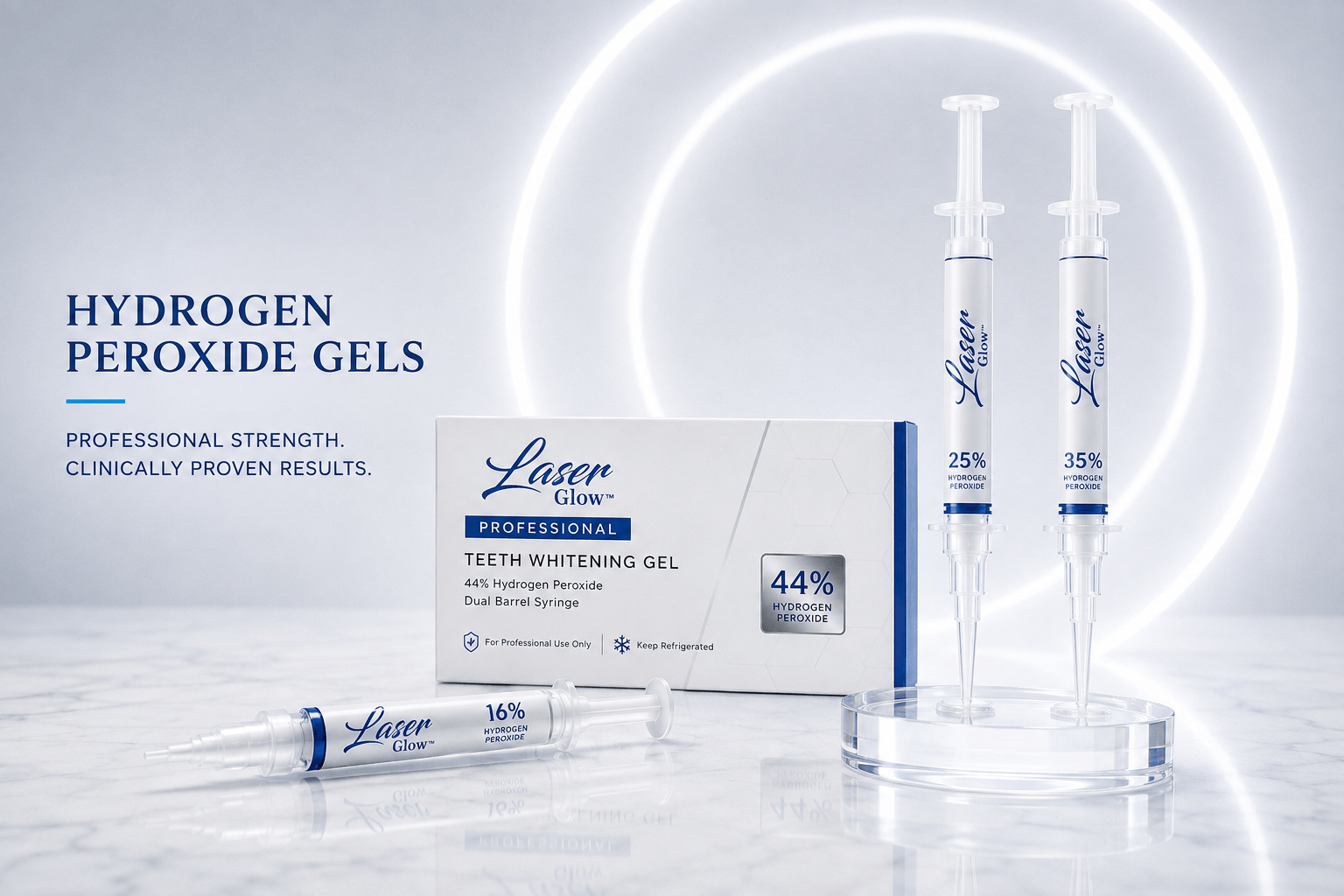
Format Comparison · Editorial · Professional Whitening Guide The dual-barrel format is a real clinical upgrade at 44% HP — not just packaging. But it's not the right choice for every service or every provider. Here's the actual case for each format and where the distinction matters most. By David Hanna, RDH — Registered Dental Hygienist · Updated July 2026 The Mechanism Difference Workflow Comparison When to Use Each FAQ The Real Difference What Dual-Barrel Actually Changes About Whitening Gel The marketing version of dual-barrel whitening gel leads with "maximum potency at application." That's accurate — but it's worth understanding exactly why it's true and when that advantage is clinically meaningful versus when it's irrelevant. Hydrogen peroxide whitening gels are inherently unstable — once mixed, the active oxidizing chemistry begins degrading. A single-barrel pre-mixed gel is at peak potency immediately after manufacturing, and it degrades from there. By the time it's been packaged, shipped, stored, and applied to a client's teeth, some portion of the active HP has already been spent. The dual-barrel system delays this. The two components — the HP gel and the activating agent — stay isolated in separate chambers until the syringe is expressed. At the moment of expression, they mix at the tip and exit as a freshly activated gel. The degradation clock starts when the components combine, which is at application rather than at manufacturing. How much does this matter in practice? Meaningfully at 36% and 44% HP — where you're paying for maximum concentration and want maximum potency at placement to justify the stronger formulation. Less meaningfully at 25% HP — where the single-barrel gel performs consistently and the clinical difference between fresh-mixed and pre-mixed is too small to justify the additional workflow complexity and tip cost. Workflow Comparison What Changes in the Chairside Workflow Single-barrel workflow (16%, 25%, 35% HP) Remove cap from syringe tip Apply gel directly to tooth surfaces Recap between rounds to prevent open-time degradation No tip attachment, no purge step Zero tip waste in the cost model Dual-barrel workflow (36%, 44% HP) Attach mixing tip to dual-barrel syringe Express 0.1–0.2 mL to purge tip and confirm both barrels are flowing (discard this volume) Apply gel — freshly mixed at maximum potency Leave tip attached between rounds within the same session; remove and discard after session One tip per syringe; account for tip cost in per-session expense model The workflow difference is manageable. Once a provider runs 5–10 dual-barrel sessions, the tip attachment and purge become automatic. The additional workflow step is 20 seconds. If the clinical case warrants dual-barrel, the workflow complexity is a minor consideration — not a reason to use a suboptimal format for the case. When to Use Each The Honest Recommendation Use dual-barrel when: The case warrants 36% or 44% HP concentration Maximum potency at placement is clinically meaningful for the case type The provider is experienced with dual-barrel tip protocol You're running advanced or premium-tier whitening services Client has stubborn intrinsic or deep extrinsic staining Single-barrel is the right call when: The case is routine — most chairside whitening is routine The concentration is 25% HP or below The provider is new to professional whitening You want the simplest consistent workflow at volume Margin sensitivity makes tip waste a meaningful consideration The practical recommendation: build your core service around 25% HP single-barrel, stock dual-barrel 44% HP for advanced cases, and step providers into dual-barrel format only after they've run 20+ sessions with single-barrel and have isolation protocol dialed in. LaserGlow Products Single & Dual-Barrel Gels by Concentration Single · Core25% HP GelThe workhorse. Single-barrel, routine chairside whitening. Single · Advanced35% HP GelAdvanced strength, single-barrel. Gingival barrier required. Dual-Barrel36% HPFresh-mix at 36%. Advanced providers, precise delivery. Dual-Barrel · Max44% HPMaximum-strength. 5 mL. Complex cases only. FAQ Dual-Barrel Whitening Gel FAQ Is dual-barrel whitening gel better than single-syringe? At higher concentrations (36%, 44% HP), yes — the fresh-mix delivery preserves potency until application in a way that's clinically meaningful at those concentrations. At standard concentrations (25% HP), single-barrel performs consistently and the additional cost and workflow of dual-barrel isn't justified. "Better" depends on what concentration and case type you're working with. What does the mixing tip do in a dual-barrel gel? The mixing tip creates a controlled mixing channel where the two components from the dual-barrel syringe combine as they're expressed. The spiral design inside the tip mixes the components as they flow through, producing a uniform, freshly activated gel at the output end. Without the mixing tip, the two components would exit separately and unmixed — they need the tip's internal geometry to combine properly. What happens if I forget to purge the dual-barrel tip before applying? Skipping the purge means the first gel expressed from the tip may be one component without the other — not fully mixed. This can result in uneven activation across the first fraction of gel expressed. The purge ensures both barrels are flowing and the mixing is complete before any gel contacts the tooth surface. It's 10 seconds and 0.15 mL of gel — always purge. Related Resources Cost Calculator Tool 44% HP Guide 36% HP Guide Strength Guide Syringe Yield Shop All Gels
Learn moreThis $19 Whitening Powder Is Outselling Strips—and It's 100% Peroxide-Free
Ingredient Deep Dive Peroxide has been the default teeth whitening ingredient for decades — effective, but the reason so many people associate whitening with sensitivity. PAP+ Teeth Whitening Powder takes a different chemical route entirely. Here's what PAP actually is, how it compares to peroxide in published research, who it's genuinely a good fit for, and where its limits are — including the one thing it can't do that some marketing around this ingredient gets wrong. What Is PAP, and How Is It Different From Peroxide? PAP stands for phthalimidoperoxycaproic acid — an organic peroxy acid that whitens teeth through oxidation, the same basic mechanism as hydrogen peroxide, but through a different chemical pathway. Where hydrogen peroxide breaks down into free radicals that penetrate enamel and dentin, PAP oxidizes stain molecules without generating the same free-radical activity. In published research, that difference in mechanism is consistently linked to less enamel disruption and better tolerability than peroxide-based whitening. This isn't a marketing distinction — it's been studied directly. In vitro research comparing PAP to hydrogen peroxide found PAP produced fewer morphological changes to enamel surface structure and less reduction in enamel microhardness than peroxide-based agents, while still delivering measurable whitening. 0% Hydrogen peroxide in the formula 2–3x Daily brushing sessions typical for visible results 1–2 Weeks of consistent use before most people notice a difference PAP vs. Hydrogen Peroxide: How They Actually Compare Neither ingredient is objectively "better" across every category — they trade off differently depending on what you're optimizing for. Factor PAP (PAP+ Powder) Hydrogen Peroxide Mechanism Oxidizes stains without free-radical activity Free-radical oxidation Sensitivity risk Generally lower, per published research Higher, dose-dependent Enamel impact (research findings) Fewer surface changes, less microhardness reduction Greater surface and microhardness impact at higher concentrations Speed of visible results Gradual, builds with consistent daily use Faster, especially at professional concentrations Works on restorations (veneers, crowns, bonding) No No That last row matters more than it might seem. Neither PAP nor peroxide changes the shade of veneers, crowns, or bonded restorations — both work exclusively on natural enamel and dentin. If a whitening product markets itself as ideal for people with restorations, that claim doesn't hold up against the underlying chemistry, regardless of which active ingredient is used. How PAP+ Powder Works PAP+ Teeth Whitening Powder is designed for daily use as a toothpaste alternative or addition — wet a toothbrush, dip into the powder, and brush as you normally would. The gradual, low-intensity oxidation approach is built around consistent daily contact rather than a single high-concentration session, which is part of why it tends to be better tolerated by people with a history of sensitivity to peroxide-based products. Good to Know PAP+ Powder is a cosmetic whitening product, not a treatment for restorations, decay, or gum disease. It will not change the shade of veneers, crowns, or bonded teeth, and results vary by starting shade, stain type, and consistency of use. As with any whitening product, discontinue use and consult a dental professional if you experience persistent irritation. Who PAP+ Powder Is a Good Fit For Anyone with a history of peroxide sensitivity. The different oxidation pathway is the main reason PAP tends to be better tolerated for people who've reacted to hydrogen peroxide whitening in the past. People who want a peroxide-free daily habit. Whether for personal preference or ongoing maintenance between other whitening treatments, PAP+ powder fits into a daily brushing routine without needing a dedicated session. Anyone easing into whitening for the first time. The gradual approach makes it a lower-commitment starting point than a high-concentration professional session. Where PAP+ Powder Isn't the Right Tool Veneers, crowns, and bonded restorations. As covered above, PAP does not change the shade of restorative material — no whitening product does. Whitening around natural teeth adjacent to restorations can also create a visible shade mismatch over time. Deep intrinsic staining. Discoloration from medication exposure or trauma tends to respond more slowly to any whitening method, PAP included, and may need a longer timeline or a different approach entirely. Anyone wanting dramatic results in a single session. PAP+ powder is built for gradual, cumulative use. A professional in-office session is the better fit if the goal is a fast, dramatic shift before a specific date. What the Research Actually Shows PAP isn't a new, untested ingredient — it's been the subject of multiple published dental research studies comparing it directly against hydrogen peroxide. One in vitro study found that composite gels formulated with 5% PAP produced whitening results equivalent to gels with 3% hydrogen peroxide, and 12% PAP performed comparably to 8% hydrogen peroxide — meaning PAP can match peroxide's whitening power at different concentration ratios, not simply underperform it at a lower dose. Separate research evaluating enamel surface changes found PAP produced fewer morphological changes and less reduction in enamel microhardness than peroxide-based agents tested under the same conditions. Taken together, the research supports two specific, defensible claims: PAP can deliver comparable whitening to peroxide, and it does so with less measurable impact on enamel structure — not that it's a stronger whitener or a risk-free one. Common Myths About Peroxide-Free Whitening "Peroxide-free means it doesn't really whiten." Published research shows PAP achieves comparable whitening results to hydrogen peroxide at matched concentrations — the mechanism is different, not weaker. "It works on any tooth surface." Like all whitening actives, PAP only affects natural enamel and dentin. It has no effect on restorative materials, regardless of how a product markets itself. "There's zero risk of any sensation." PAP is better tolerated than peroxide in research, not necessarily zero-risk for every individual. Anyone can have an atypical reaction to any oral care ingredient. "Results happen just as fast as professional whitening." Daily-use powders build results gradually over one to two weeks. A professional LED-accelerated session remains the faster option when speed is the priority. Switching From Peroxide-Based Whitening to PAP+ If you're moving from a peroxide-based routine to PAP+ powder because of sensitivity, it's worth adjusting expectations on two fronts. First, the transition itself won't cause any adverse reaction — you can simply stop the peroxide product and begin PAP+ powder without a waiting period. Second, don't expect the same speed of visible change; peroxide's faster mechanism means a switch to PAP will likely feel slower in the first week or two, even though the underlying research suggests comparable results over time with consistent use. For anyone who wants to keep a faster option in reserve for specific occasions, pairing PAP+ powder as a daily habit with an occasional LED-accelerated session covers both the sensitivity concern and the need for a faster result when timing matters. Pairing PAP+ Powder With the Rest of Your Routine PAP+ powder works well as the gentler half of a two-track whitening approach — save more intensive treatments for periodic resets, and use PAP+ powder for consistent daily maintenance in between. A few products it pairs naturally with: Faster Reset LED Teeth Whitening Kit For a more concentrated, faster result when you want a visible reset rather than gradual daily maintenance. Daily Brightness Purple Color Corrector Toothpaste Neutralizes yellow tones on contact for immediate visual brightening alongside PAP+ powder's gradual whitening. Clean Baseline Cordless Water Flosser Removing surface plaque before whitening helps PAP+ powder make more even contact with enamel. How to Use PAP+ Powder Wet your toothbrush as you normally would before brushing. Dip the bristles into the powder, using it in place of or alongside your regular toothpaste. Brush for two to three minutes, covering all surfaces as part of your normal routine. Rinse thoroughly and repeat daily for consistent results. Most people notice a difference within one to two weeks of consistent daily use. Results build gradually rather than dramatically, which is the expected trade-off for a gentler, peroxide-free formula. A Clinical Perspective on Peroxide-Free Whitening Interest in peroxide-free whitening options like PAP has grown alongside a broader shift toward gentler formulations across cosmetic dentistry — a perspective informed by David Hanna, RDH, a licensed dental hygienist. The core principle: the right whitening approach depends on individual sensitivity, timeline, and goals, not a single ingredient being universally "better." PAP's value is specifically in the sensitivity and enamel-impact trade-off, not in replacing every use case peroxide covers. Why Formulation Quality Matters Beyond the Active Ingredient PAP is the active ingredient, but it's not the only thing determining how well a powder performs. Particle size, abrasiveness, and what's combined alongside the PAP affect both comfort and results. A powder formulated with excessive abrasives can create surface polish that looks like whitening initially but doesn't address underlying stain, while a poorly balanced formula can undercut the gentleness that's the entire reason someone chooses PAP over peroxide in the first place. When comparing PAP-based products, the concentration and formulation quality matter as much as the fact that PAP is the active ingredient at all — not every "PAP whitening" product on the market is built the same way. Choosing the Right Approach for Your Situation History of sensitivity with peroxide products. PAP+ powder as your primary daily method, with no need for a peroxide-based session at all if results meet your expectations. No history of sensitivity, want the fastest result. A peroxide-based LED session is still the more direct route to a fast, dramatic shift — PAP+ powder can serve as maintenance afterward. Want to test tolerance before a bigger commitment. Starting with PAP+ powder is a lower-risk way to gauge how your teeth respond to whitening in general before considering a stronger method. Maintaining results from a previous whitening treatment. Daily PAP+ powder use is well suited to slowing the return of surface stain without repeating higher-concentration treatments on a tight schedule. What to Expect in the First Month Week one is mostly about habit-building — brushing with PAP+ powder consistently matters more in this window than any visible change. By the end of week two, most people notice the first signs of brightening, particularly on the front teeth where staining is usually most visible. By week four, results typically plateau at a level reflecting your starting shade and the amount of surface staining present before you started. From there, continued daily use functions as maintenance rather than active whitening — keeping new surface stain from accumulating rather than continuing to lift shade indefinitely. If you're not seeing any change by the end of the first month, that's a reasonable point to evaluate whether a different approach — a professional session, or addressing intrinsic staining directly — is a better fit than continuing to wait on a peroxide-free method that isn't producing results for your specific situation. Frequently Asked Questions Is PAP better than hydrogen peroxide for whitening? Neither is universally better — they trade off differently. Published research shows PAP tends to be better tolerated and cause fewer enamel changes than hydrogen peroxide, while hydrogen peroxide generally delivers faster, more dramatic results at higher concentrations. The right choice depends on your sensitivity history and how quickly you want results. Does PAP+ powder work on veneers or crowns? No. PAP, like every whitening active ingredient including hydrogen peroxide, only affects natural tooth enamel and dentin. It does not change the shade of veneers, crowns, or bonded restorations. Is PAP+ powder completely sensitivity-free? PAP is generally better tolerated than peroxide-based whitening in published research, with a lower likelihood of sensitivity. It's not guaranteed to be sensation-free for every user, since individual response to any whitening product varies. How long until I see results with PAP+ powder? Most people notice visible brightening within one to two weeks of consistent daily use. Results build gradually rather than in a single dramatic session, which is typical for peroxide-free formulas. Can I use PAP+ powder every day? Yes. PAP+ powder is designed for daily use as part of a normal brushing routine, unlike higher-concentration professional treatments that are typically used on a more limited schedule. What does PAP stand for? PAP stands for phthalimidoperoxycaproic acid, an organic peroxy acid used as a whitening active ingredient. It oxidizes stain molecules through a different chemical pathway than hydrogen peroxide. Can I use PAP+ powder with my regular toothpaste? Yes. PAP+ powder can be used on its own or alongside your regular toothpaste as part of your normal brushing routine. Who should avoid PAP+ powder? Anyone with active dental issues, significant intrinsic staining, or restorations they're hoping to whiten should have a conversation with a dental professional first, since PAP+ powder won't address any of those situations the way it's sometimes marketed to. Start Your Peroxide-Free Routine Shop PAP+ Teeth Whitening Powder, and pair it with the Purple Color Corrector Toothpaste for daily brightness in between.
Learn moreCan You Eat With Tooth Gems? What's Safe & What to Avoid
Yes — you can eat normally with a tooth gem after the first 24 hours. During the first day, certain foods should be avoided to protect the fresh bond. Here's the complete guide with exact timing.
Learn moreDo Tooth Gems Hurt? What to Expect During & After Application
No — tooth gems do not hurt. Tooth enamel has no nerve endings. The etching, bonding, and LED curing process is pressure-only. Here's what each step actually feels like and what to watch for afterward.
Learn more