Skip to content
📦 FREE US SHIPPING OVER $50+
TRUSTED BY PROFESSIONALS

Teeth Whitening & Tooth Gem Blog | Expert Guides | LaserGlow

Can You Whiten Teeth with Braces, Crowns, or Veneers?

Can You Whiten Teeth with Braces, Crowns, or Veneers?

Medically reviewed by David Hanna, RDH Situation Can Teeth Be Whitened? Best Option Key Caution Traditional Braces Only limited whitening maintenance is recommended during treatment. Purple toothpaste, PAP+ whitening powder, strong hygiene, stain control. Heavy bleaching can cause uneven color under brackets. Clear Aligners Yes, whitening is usually much easier during treatment. Whitening foam or gel used inside the aligners. Use products intended for aligner wear and follow directions. Crowns Natural teeth around them can whiten, but crowns do not bleach lighter. Surface stain removal, polishing, whitening natural teeth carefully. Bleaching will not change the intrinsic crown shade. Veneers Veneers do not bleach lighter than their original shade. Polishing, stain maintenance, whitening surrounding natural enamel. Too much whitening around veneers can create color mismatch. Bonding / Fillings The surrounding enamel can whiten, but fillings and bonding do not bleach lighter. Whiten natural teeth first, then replace visible bonding if needed. Old bonding may stand out more after whitening. Teeth Whitening Guide Keeping your smile bright is a common goal, but whitening becomes more complicated when you have braces, crowns, veneers, or bonded teeth. The good news is that you can still improve or maintain a whiter-looking smile, you just need the right strategy. Natural enamel can whiten, while brackets and restorations either block whitening or do not change color the same way. This guide breaks down the safest, smartest way to approach whitening with braces, aligners, crowns, and veneers, without wasting time on methods that create uneven results. Shop Purple Toothpaste Shop PAP+ Whitening Powder Shop Whitening Foam Shop Whitening Strips Professional Whitening in Clifton, NJ Whitening Teeth with Braces: What You Can and Cannot Do Braces can absolutely make whitening more complicated. With traditional metal or ceramic braces, the brackets cover part of the tooth surface, which means whitening products cannot reach the enamel underneath. If you try to bleach aggressively while braces are still on, you risk uneven results once the brackets come off. Lingual braces, which sit behind the teeth, are a little different because the visible front surfaces are open. Whitening is more realistic there, although tray fit can still be imperfect depending on the hardware. Clear aligners are the easiest orthodontic case for whitening. Since the trays cover the full tooth and are removable, they can double as whitening trays. This makes aligner treatment the most whitening-friendly option for patients who want straighter and brighter teeth at the same time. With traditional braces, your safest move is usually stain control and maintenance rather than heavy bleaching. With aligners, gradual whitening is far more practical. Best Whitening Options While Wearing Braces or Aligners If you have traditional braces, focus on keeping teeth clean, minimizing stain buildup, and using non-aggressive products that improve appearance without creating obvious color contrast around the brackets. 1. Use a Purple Color Corrector for an Instant Brighter Look A purple toothpaste does not bleach teeth, but it can make them look whiter right away by visually neutralizing yellow tones. That makes it a smart option for braces wearers who want a cosmetic brightness boost without risking uneven bleaching. You can interlink directly to your LaserGlow Purple Teeth Whitening Color Corrector Toothpaste here as a daily maintenance option. 2. Use PAP+ to Help Lift Everyday Surface Stains For people who want a peroxide-free stain-lifting option, a PAP-based formula is a smart addition to the routine. Your LaserGlow PAP+ Teeth Whitening Powder is a strong internal link here because it supports stain removal without the harshness many shoppers worry about. 3. Use Whitening Foam with Clear Aligners If the patient wears Invisalign or other removable aligners, whitening becomes much easier. A product like your 6% HP Whitening Foam fits naturally into this section because it can be used inside aligners to help whiten teeth gradually while also freshening the trays. 4. Use Whitening Strips Only When the Front Tooth Surface Is Accessible Whitening strips are not a good match for traditional front-facing braces, but they may still make sense for people without brackets on the visible front tooth surface. Your 7 Day Teeth Whitening Strips belong here as an at-home option for shoppers who do not have standard bracket braces in the way. How to Keep Teeth Looking Whiter During Orthodontic Treatment A lot of people focus too hard on bleaching and forget the obvious part: plaque, food debris, and stain buildup make teeth look darker fast, especially around brackets and wires. The cleanest path to a brighter smile during braces treatment is boring but effective. Brush thoroughly after meals so pigment and plaque do not sit around brackets. Floss daily using orthodontic-friendly tools to reduce hidden buildup between teeth. Use enamel-safe whitening maintenance products instead of harsh bleaching that only whitens exposed areas. Limit coffee, tea, red wine, cola, curry, and tobacco if you want to avoid stain accumulation. Consider an electric toothbrush for more efficient plaque and surface stain removal. This section matters for SEO because it covers the practical side of the query. People are not just asking if whitening is possible. They want to know what to actually do without making their smile look worse. Can You Whiten Teeth with Crowns or Veneers? This is where people get disappointed because the answer is simple: natural tooth enamel can whiten, but crowns and veneers do not bleach lighter the same way. Porcelain, ceramic, and composite materials do not respond to peroxide whitening like real enamel does. That means if a crown or veneer was made at a certain shade, whitening gel will not suddenly turn it brighter than that original color. What whitening and polishing can do is help remove surface stains from the outside so the restoration looks cleaner and closer to its intended shade. If the crown or veneer is truly too dark compared to the rest of the smile, the long-term answer is usually replacement, not more whitening product. The smartest sequence is usually: whiten natural teeth first, then match new crowns or veneers to the brighter shade. Doing it backward creates color-matching headaches later. How to Keep Crowns and Veneers Looking Bright Use Gentle Stain-Removing Products Surface stain control matters more than aggressive bleaching here. A gentle daily routine helps both natural teeth and restorations look cleaner, brighter, and more polished. PAP+ Powder Is a Smart Maintenance Product Your PAP+ Teeth Whitening Powder is a strong fit in this context because it supports stain removal without relying on a harsh abrasive feel. It is useful for people trying to maintain brightness across a mixed smile of natural teeth and restorations. Purple Toothpaste Helps with Cosmetic Tone Correction The Purple Teeth Whitening Color Corrector Toothpaste is also useful here because it helps visually offset yellow tones for a whiter-looking smile, even though it is not bleaching the material itself. For someone getting ready for photos, events, or just wanting a quick refresh, that is a very usable benefit. Keep Up with Professional Cleanings Routine dental cleanings matter if you have veneers or crowns. Surface stains, plaque, and edge discoloration can build around restorations. Professional polishing helps restore brightness and keeps the work looking cleaner longer. What About Fillings or Bonded Teeth? Fillings and bonded areas follow the same rule as crowns and veneers. They do not bleach lighter than their original shade, although surface stains can still be cleaned or polished away. If you whiten the surrounding natural enamel, the contrast may become more noticeable if the bonding or filling was matched to a darker tooth color in the past. In those situations, many people whiten first and then have the visible bonding or filling replaced to match the brighter shade. It is a more strategic approach than endlessly trying to bleach materials that are not going to respond. Frequently Asked Questions Will whitening with braces leave spots on my teeth? Strong whitening during traditional braces treatment can leave uneven color because the enamel under the brackets is blocked. That is why maintenance products and good hygiene are safer while the braces are still on. Can I use whitening strips with braces? Not with traditional front-facing braces. Strips cannot properly contact the enamel under or around the brackets, so the result can look patchy. They make more sense when the front tooth surface is not obstructed. Can Invisalign or clear aligners be used for whitening? Yes. Clear aligners can often act like whitening trays, which is why products like whitening foam for aligners are a natural fit for this audience. Will whitening products damage crowns or veneers? Whitening products generally do not damage quality crowns or veneers, but they also do not lighten their internal shade. What they can do is help remove surface stains so the restorations look cleaner and closer to their original color. What is the best way to keep crowns or veneers looking whiter? Focus on stain control, gentle maintenance products, regular cleanings, and whitening the surrounding natural teeth only when appropriate. Products like purple toothpaste and PAP+ whitening powder make sense here because they help improve appearance without pretending to bleach porcelain. Need Stronger Whitening Than At-Home Maintenance? If you are in New Jersey and want a brighter smile with professional guidance, explore LaserGlow teeth whitening in Clifton, NJ. This gives you a strong local internal link while also capturing people searching for a more advanced whitening option beyond take-home products. View Clifton Whitening Service Recommended Products Smart internal links for this article, because scattered product mentions with no structure are how people sabotage their own SEO. Purple Teeth Whitening Color Corrector Toothpaste PAP+ Teeth Whitening Powder 6% HP Whitening Foam 7 Day Teeth Whitening Strips Best For People with braces who want safer maintenance options Aligner wearers who want gradual whitening Patients with crowns, veneers, bonding, or fillings Shoppers comparing whitening products for different dental situations Local Option Want an in-office option instead of only relying on home products? Teeth Whitening in Clifton, NJ  

Learn more

Probiotic Mouth Spray for Fresh Breath + Oral Microbiome Support

Alcohol-Free • Probiotics • Xylitol • Essential Oils Probiotic Mouth Spray for Fresh Breath + Oral Microbiome Support LaserGlow Probiotic Mouth Spray is an alcohol-free breath spray made for daily freshness, travel, and close-contact confidence. It combines xylitol, essential oils, and active probiotics to help support a cleaner-feeling mouth and a balanced oral care routine without the harsh burn of alcohol-based sprays. Fresh breath anytime Alcohol-free no harsh burn Xylitol support Mint or Peach Best routine = tongue scraper + clean toothbrush + mouth spray LaserGlow Probiotic Mouth Spray Alcohol-free breath spray with probiotics, xylitol, and essential oils for daily freshness support. What Makes a Probiotic Mouth Spray Different? Most breath sprays are built to cover odor with a strong flavor. That can work for a quick refresh, but it usually does not support the bigger oral care picture. A probiotic mouth spray is designed to support your oral microbiome, the natural ecosystem of bacteria inside the mouth that plays a role in breath freshness and daily oral comfort. LaserGlow Probiotic Mouth Spray is made for people who want a cleaner, fresher feel without alcohol burn. It fits easily into your routine after brushing, after coffee, after meals, before meetings, or anytime your mouth feels off. How LaserGlow Supports Fresher Breath ✓ Xylitol support for a cleaner-feeling mouth and breath-friendly daily routine. ✓ Essential oils for a crisp, refreshing finish without harsh alcohol sting. ✓ Active probiotics to help support oral microbiome balance as part of consistent oral care. ✓ Portable spray format for breath freshness at work, after meals, while traveling, or before close contact. Not mint panic. Actual routine support. Civilization advances slightly. The 2 Hygiene Upgrades Most People Skip If bad breath keeps coming back, it is usually not because you need stronger mint. It is often because the tongue and toothbrush are being ignored like tiny biological crime scenes. Tongue buildup can affect breath Brushing your teeth does not fully clean your tongue. Scraping first helps create a cleaner baseline before using mouth spray. Shop Rose Gold Tongue Scraper Set → Your toothbrush needs attention too Toothbrushes sit in humid bathrooms between uses. Keeping tools cleaner helps support a fresher oral care routine. Shop Dual UV Toothbrush & Razor Sanitizer → Probiotic Mouth Spray vs Traditional Breath Spray Feature Traditional Breath Sprays LaserGlow Probiotic Mouth Spray Primary goal Quick flavor cover-up Fresh breath support + oral microbiome routine support Freshness feel Immediate, often fades quickly Immediate clean feel designed for everyday use Alcohol burn Common in many formulas Alcohol-free formula with no harsh sting Dry mouth concern Alcohol-based sprays may feel drying Gentler daily-use format Microbiome support Usually not the focus Includes active probiotics as part of a balanced oral care routine Best use case Emergency mint cover-up Daily routine, travel, after meals, coffee, and on-the-go refresh When to Use It ✓After meals, coffee, or protein-heavy snacks ✓Before meetings, dates, or close conversations ✓After brushing when you want a cleaner finish ✓While traveling or anytime your mouth feels stale How to Use It ✓Spray into the mouth as needed ✓Let the fresh, clean feel settle ✓Use daily as part of your breath care routine ✓For best results, tongue scrape before spraying Routine Stack for Best Results 1Tongue scraper to remove tongue buildup 2Brush and floss consistently 3UV sanitizer to help keep oral care tools cleaner between uses 4Finish with Probiotic Mouth Spray for alcohol-free fresh breath support Probiotic Mouth Spray FAQ What is a probiotic mouth spray?+ A probiotic mouth spray is an oral spray formulated with probiotics to help support the oral microbiome as part of a daily breath care routine. It is used for fresh breath support, on-the-go refreshment, and oral wellness maintenance. Does probiotic mouth spray help with bad breath?+ It can help support fresher breath by fitting into a routine that focuses on the oral environment instead of only covering odor with flavor. For recurring bad breath, tongue cleaning, brushing, flossing, hydration, and professional dental care also matter. Is this mouth spray alcohol-free?+ Yes. LaserGlow Probiotic Mouth Spray is alcohol-free and designed to refresh without harsh alcohol burn. How often should I use it?+ Use as needed throughout the day, especially after meals, coffee, or before close contact. Many people use it daily as part of a fresh breath routine. What is better for bad breath: mouth spray or a tongue scraper?+ For recurring bad breath, the combo is better. Use a tongue scraper first to remove tongue buildup, then use the mouth spray for a fresh finish. Start with the Rose Gold Tongue Scraper Set. Can a dirty toothbrush contribute to bad breath?+ Toothbrushes can collect buildup between uses, especially in humid bathrooms. Keeping tools cleaner may support a fresher routine. See the Dual UV Toothbrush & Razor Sanitizer. Can I use it with toothpaste or mouthwash?+ Yes. It can be used with your regular brushing and flossing routine. If you use a strong antiseptic mouthwash, consider spacing it away from probiotic products so the routine stays balanced. Is it safe for kids or during pregnancy?+ If you are pregnant, nursing, shopping for a child, or managing ingredient sensitivities, check with a healthcare professional before use. *If irritation occurs, discontinue use and consult a healthcare professional. For best results, do not skip the basics: tongue cleaning, brushing, flossing, hydration, and regular dental care.

Learn more
Swarovski Tooth Gems vs Cheap Crystals: What Actually Matters (Quality, Safety, Results)

Swarovski Tooth Gems vs Cheap Crystals: What Actually Matters (Quality, Safety, Results)

Tooth Gems • Buyer Guide • Quality Comparison Swarovski Tooth Gems vs Cheap Crystals: What Actually Matters If you care about clean sparkle, consistent sizing, and results that look premium on camera, crystal quality isn’t optional. This guide breaks down the real differences: appearance, handling, retention risk, and the “professional vs Amazon” reality. Recommended reads: Tooth Gem How-To Guide • Tooth Gem Resource Center Close-up quality Comparison table Pro vs Amazon What to buy Tools that matter Recommended products FAQ Close-up: Swarovski-grade sparkle (what “premium” looks like) Premium crystals don’t just “shine more.” They’re more consistent in cut and clarity, so the result looks intentional, symmetrical, and clean in close-up photos. High-shine Swarovski-grade sparkle: clarity + crisp reflection. Premium cut consistency: cleaner light return and more “luxury” look. Premium crystals mainly control the look and the ease of placement. Retention is still dictated by prep, bonding, curing, and aftercare. If your technique is weak, no crystal saves you. If your technique is strong, premium crystals make your results look expensive. Shop Tooth Gem Starter Kit Learn the full workflow Swarovski vs cheap crystals: side-by-side comparison Category Premium crystals (Swarovski-grade) Cheap crystals (random/Amazon) What it means in real life Clarity & sparkle Clean reflection, brighter sparkle Cloudy or dull, inconsistent shine Premium looks “luxury” in photos, cheap looks flat Cut consistency Precision cut, uniform facets Mixed cuts, uneven facets Uniform sparkle across clients vs “one good, one weird” Size accuracy Sizes are actually the size “1.8 mm” can be 1.5–2.1 mm Clean placement and symmetry vs constant re-positioning Back surface / fit More predictable seating on enamel Often sits uneven or rocks Better contact = easier placement + fewer mistakes Consistency batch-to-batch Stable inventory quality Random quality changes Less rework, fewer complaints, better referrals Client perception “That looks expensive” “That looks like craft stuff” Premium sells itself. Cheap needs excuses. If you’re doing tooth gem services, crystal quality is a business decision, not a hobby decision. You’re selling the photo, the shine, and the confidence. Professional vs Amazon quality: what people don’t say out loud What “professional quality” actually means ✓ Predictable inventory so your results don’t vary by shipment. ✓ Better sizing control so placement stays symmetrical and clean. ✓ Better optics for content, close-up photos, and real-life sparkle. Where cheap crystals fail ✓ Inconsistent sizes = constant repositioning and sloppy centering. ✓ Uneven seating = higher chance of shifting during placement. ✓ Flat sparkle = your “after photo” looks underwhelming. Cheap crystals often cost you more in the end because they create re-dos, unhappy clients, and content that doesn’t convert. Read: Tooth Gem Application Guide Read: Best Tooth Gem Starter Kit What to buy for clean results (no guesswork) Best starter sizes ✓ 1.8 mm clear round: most universal “first gem.” ✓ 2.2 mm clear round: slightly bolder but still clean. ✓ Start small before buying giant random assortments you’ll never use. What to avoid (common traps) ✓Massive “200-piece” assortments with random shapes for beginners. ✓Mystery adhesive kits with no clear bonding workflow. ✓Oversized shapes before you master placement + symmetry. Want the simple path? Use premium crystals + a real bonding workflow + proper curing. That’s how you get retention and “luxury” photos at the same time. Tools that make premium crystals easier (and safer) Placement + curing essentials ✓Etch + bond + glue system for real retention. ✓LED curing light to properly set the adhesive. ✓Wax tool for clean, controlled placement. Fixes + safety ✓Removal tool to correct safely without panic. ✓Aftercare rules so clients don’t destroy the bond. ✓Safety protocol for tooth gems + whitening workflows. Get the Tooth Gem Starter Kit Learn the full how-to workflow Recommended products If you want premium-looking results, stop improvising your setup. Here’s the clean, repeatable stack that wins: premium crystals + correct bonding + proper curing + controlled placement + safe removal. 1 Tooth Gem Starter Kit Everything needed to start placing professionally: bonding workflow, tools, and pro guidance. Shop Starter Kit 2 Premium Crystal Tooth Gems Cleaner sparkle, more consistent sizing, easier symmetry and placement control. Shop Tooth Gems 3 LED Curing Light Proper cure = better retention. This is non-negotiable if you want predictable results. Shop Curing Light 4 Wax Tool / Applicator Cleaner placement, less slipping, less frustration. Makes symmetry easier. Shop Wax Tool 5 Removal Tool Fix placements safely, remove correctly, and avoid “DIY damage” disasters. Shop Removal Tools 6 Application + Removal Guides Technique matters more than crystals. These guides keep retention high and refunds low. Open Resource Center FAQ Are Swarovski tooth gems worth it? If you care about clarity, consistent sizing, and results that look premium on camera, yes. Premium crystals reduce variability and make clean placement easier. Do premium crystals make tooth gems last longer? Retention depends mostly on enamel prep, bonding technique, curing, placement, and aftercare. Premium crystals mostly improve consistency and appearance. What sizes should beginners start with? Start with 1.8 mm and 2.2 mm clear rounds. They cover most common placements without overwhelming beginners. What’s the #1 reason tooth gems fall off early? Weak prep and bonding. If the enamel isn’t properly prepared and cured, even the best crystal won’t hold reliably. Visit Tooth Gem Resource Center Best Starter Kit Guide

Learn more
Best Tooth Gem Starter Kit in 2026: What You Actually Need

Best Tooth Gem Starter Kit in 2026: What You Actually Need

Most starter kits are either missing key bonding steps or padded with filler. This guide shows what a real tooth gem starter kit needs—prep and bonding, LED curing, tools, and quality crystals—plus what you can skip.

Learn more

Teeth Whitening Equipment Checklist for Business Owners (Complete Setup)

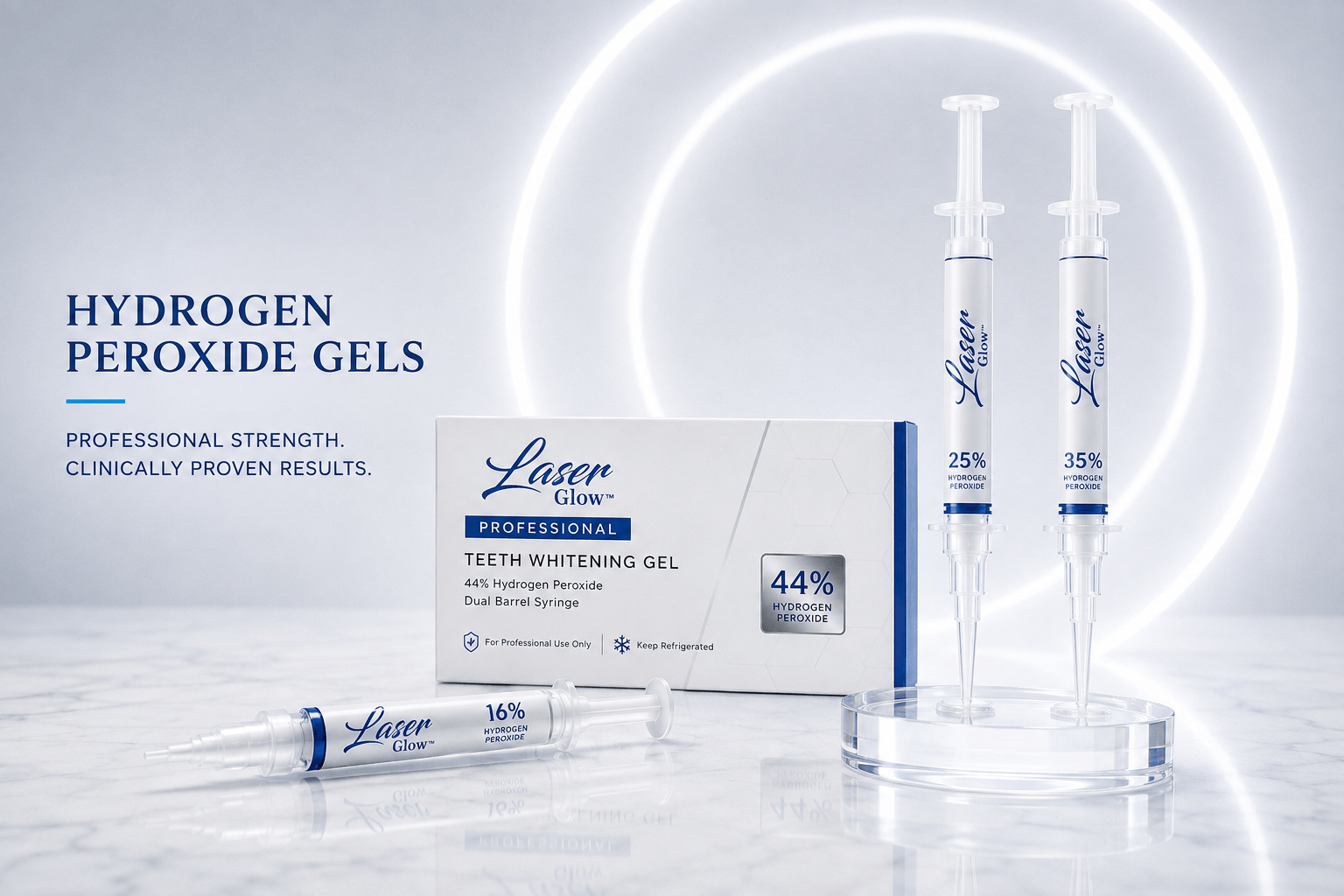
This equipment checklist is a companion to our full guide: How to Start a Teeth Whitening Business in 2026. If you searched “teeth whitening equipment checklist for business,” you want a clean list you can follow without buying random stuff you don’t need. Quick Checklist Core Equipment Gels + Strengths Client Supplies All-in-One Kit FAQ Quick Answer: Teeth Whitening Equipment Checklist Featured snippet format Complete beginner checklist Professional LED teeth whitening machine LED curing light Gingival barrier (gum protection) Professional whitening gels (multiple strengths) Shade guide + protective goggles Cheek retractors + disposables Consent + aftercare instructions Shortcut option Want everything in one purchase? Professional Teeth Whitening Business Starter Kit. Includes a free $400-value PDF guide: Free PDF Guide. Core Equipment The foundation of your service Your “core equipment” is what makes your sessions consistent and professional. Start here before you buy add-ons. Professional LED Whitening Machine This is the centerpiece of your service and what clients expect to see. Link: LED Teeth Whitening Machine. LED Curing Light Cures the gingival barrier quickly so sessions run clean and efficient. Link: LED Curing Light. Gingival Barrier (Gum Protector) Protects gums during whitening and helps keep gel where it belongs. Link: Gingival Barrier. Documentation + Safety Shade tracking and eye protection make your service feel professional and trustworthy. Links: Shade Guide, Whitening Goggles. Professional Gels + Strengths Tailor sessions, don’t guess Beginners mess up by using one strength for everyone. Clients vary. Having multiple strengths lets you adapt, set expectations, and keep sessions smoother. For education on gels and best practices, start here: Professional Resource Center. Common professional strengths (direct links) 16% Hydrogen Peroxide Gel25% Hydrogen Peroxide Gel35% Hydrogen Peroxide Gel44% Dual Barrel Hydrogen Peroxide Gel Maintenance add-on (easy revenue) Offer a maintenance pen for between visits: 44% Carbamide Peroxide Teeth Whitening Pen. Client Supplies The “professional experience” pieces These are the items that make your service look clean, consistent, and trustworthy. They also make your before/after results easier to document and share (marketing). Cheek retractors: keeps lips/cheeks out of the way for clean gel placement. Shade guide: documents results so clients can see change. Goggles: safety + professionalism. Disposables + aftercare: reduces complaints and increases repeat business. Links: Soft Cheek Retractors, Shade Guide, Whitening Goggles. All-in-One Kit Option Fastest way to launch If you want the full setup without piecing it together, the complete bundle is here: Professional Teeth Whitening Business Starter Kit. Included learning Free $400-value PDF guide: Professional Teeth Whitening Guide (Free PDF). If you want structured training: Online Course. Educational content only. Always follow local regulations and professional guidelines in your area. FAQ Common equipment questions What equipment do I need to start a teeth whitening business? A professional LED whitening machine, curing light, gingival barrier (gum protection), multiple gel strengths, shade guide, goggles, retractors, disposables, and clear aftercare. Do I need a curing light? If you’re using gingival barrier, a curing light makes sessions faster and cleaner by curing the barrier quickly. Do I need multiple gel strengths? Yes. Clients vary. Multiple strengths help you tailor sessions and manage expectations. Full guide: How to Start a Teeth Whitening Business (2026) · Starter kit: Professional Starter Kit  

Learn more
Teeth Whitening Business Startup Cost (2026): Real Budget Breakdown

Teeth Whitening Business Startup Cost (2026): Real Budget Breakdown

This is the cost-focused companion to our full guide: How to Start a Teeth Whitening Business in 2026. If you’re here because you searched “teeth whitening business startup cost,” you’re usually trying to avoid two things: overspending and buying the wrong stuff. Quick Budget Answer Cost Breakdown What NOT to Buy First Starter Kit Shortcut FAQ Quick Answer: What should I budget first? Featured snippet format Minimum budget priorities Budget for your core equipment and safety first: a professional LED whitening machine, curing light, gingival barrier (gum protection), then professional gels and client disposables. Add “extras” only after you’ve run consistent sessions. Fastest path (one purchase) If you want an all-in-one setup instead of sourcing everything separately, see: Professional Teeth Whitening Business Starter Kit. It also includes a free $400-value PDF guide: Free PDF Guide. Startup Cost Breakdown (Simple + Realistic) What to budget for A clean way to budget is splitting costs into two buckets: one-time equipment and per-client consumables. Most beginners overspend because they buy “extras” before they build a repeatable session flow. 1) One-time equipment (your foundation) Professional LED whitening machine: your core tool and the centerpiece of your service. Curing light: cures the gingival barrier quickly so sessions run clean and efficient. Documentation + safety tools: shade guide and goggles build trust and professionalism. Direct links: LED Teeth Whitening Machine, LED Curing Light, Shade Guide, Whitening Goggles. 2) Per-client consumables (this scales with volume) Gingival barrier: gum protection for cleaner sessions. Professional gels: multiple strengths so you’re not forcing every client into the same approach. Retractors + disposables: consistent client-ready sessions. Aftercare: reduces complaints and improves retention. Consumable links: Gingival Barrier, 16% Gel, 25% Gel, 35% Gel, 44% Dual-Barrel Gel, Cheek Retractors. Rule of thumb If your setup supports your first 20–30 clients without scrambling for supplies, you’ve budgeted correctly. If you’re reordering before you’ve even sold sessions, your buying order was wrong. What NOT to Buy First Common overspending traps The most common startup cost mistake is buying a pile of “nice-to-have” items before you can run a clean, consistent session. Here’s what to avoid until you have steady demand. Buying multiple machines before you’ve proven volume Stocking too many add-ons without a clear pricing ladder Skipping shade documentation then wondering why clients “don’t see” results Skipping gum protection (this is not where you cut corners) Adding too many packages and confusing people into doing nothing Want the cleanest beginner blueprint? Use the free PDF guide (built by licensed professionals): Professional Teeth Whitening Guide (Free PDF) and the learning hub: Resource Center. Starter Kit Shortcut (One Purchase Setup) Save time + avoid missed items If your goal is to start quickly without missing key items, a complete kit is the easiest path. LaserGlow’s bundle is here: Professional Teeth Whitening Business Starter Kit. What this solves No guessing which supplies you forgot No buying duplicates from multiple vendors Cleaner, faster setup to start booking clients If you want structured training beyond the included guide, the course is here: Online Teeth Whitening Course. Educational content only. Always follow local regulations and professional guidelines in your area. FAQ High-intent searches How much does it cost to start a teeth whitening business? It depends on your business model and equipment quality. A practical framework is: one-time equipment costs (machine + curing light + documentation tools) plus per-client consumables (gels, gingival barrier, disposables). Start with essentials first, then expand. What should I buy first? Buy the core equipment and safety first (LED machine, curing light, gingival barrier), then gels and client disposables. Avoid “extras” until you’re running consistent sessions. Is it cheaper to buy supplies separately or buy a kit? Buying separately can work, but beginners often miss items or overbuy duplicates. A complete kit reduces guesswork and speeds up launch. Read the full guide: How to Start a Teeth Whitening Business (2026) · Starter kit: Professional Starter Kit  

Learn more
How to Start a Teeth Whitening Business in 2026 (Costs, Equipment & Starter Kit Checklist)

How to Start a Teeth Whitening Business in 2026 (Costs, Equipment & Starter Kit Checklist)

A practical guide to launching a teeth whitening service: what to buy, what it costs, how to price, and how to avoid rookie mistakes.

Learn more
Tommy DeVito x LaserGlow: The Teeth Whitening Routine Behind His Bright Smile

Tommy DeVito x LaserGlow: The Teeth Whitening Routine Behind His Bright Smile

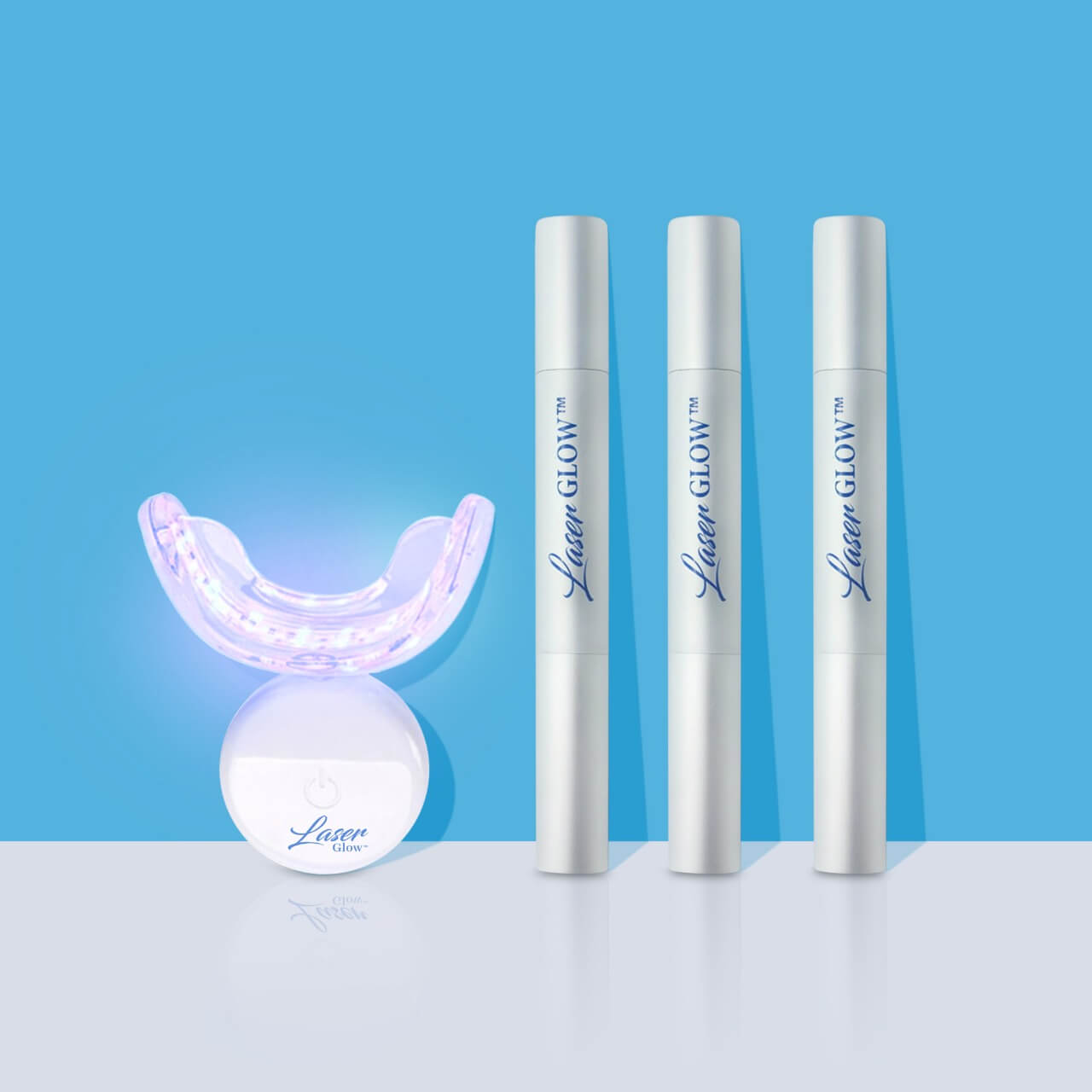
Tommy DeVito Visit • LaserGlow Clifton, NJ Tommy DeVito x LaserGlow: The Teeth Whitening Routine Behind His Bright Smile Tommy DeVito visited LaserGlow in Clifton, NJ for a professional in-office teeth whitening treatment, then filmed a promo featuring the at-home routine that helps keep his smile camera-ready: the Wireless LED Teeth Whitening Kit, Purple Toothpaste Color Corrector, and PAP+ Teeth Whitening Powder. Updated June 2026 · Featuring LaserGlow Clifton, NJ · Professional whitening + at-home maintenance routine Book Clifton Whitening Shop Tommy’s Featured Routine Watch the Tommy DeVito x LaserGlow promo ↓ In photos, interviews, social clips, and high-definition video, a bright smile is not exactly subtle. It shows immediately. That is why professional teeth whitening has become a go-to treatment for athletes, creators, professionals, and anyone who wants their smile to look cleaner, brighter, and more camera-ready. Tommy DeVito’s visit to LaserGlow connects that celebrity-level whitening look to a real treatment location people can actually book in Clifton, NJ. The routine is simple: start with a professional whitening foundation, then maintain the result at home with products designed for ongoing brightness. Who Is Tommy DeVito? Tommy DeVito is a New Jersey-born professional football quarterback known for his confident presence, local fanbase, and camera-ready style. His story resonates with New Jersey because it is built around staying ready, showing up under pressure, and making the most of the spotlight when it hits. And when the spotlight hits, the smile matters. Interviews, social content, event appearances, and broadcast clips all make whitening part of the full grooming routine. Tiny detail, giant screen. Humans really did invent 4K just to expose coffee stains. Tommy DeVito’s Teeth Whitening Visit at LaserGlow Clifton, NJ Tommy visited LaserGlow for professional teeth whitening in Clifton, NJ. In-office whitening helps create a brighter baseline by targeting stains on natural teeth with a controlled professional treatment. Professional whitening is different from random at-home guessing. The treatment is structured, the application is controlled, and the goal is to create a cleaner, more even-looking smile without making it look fake or overdone. For athletes, creators, and public figures, this matters because bright lights and phone cameras can exaggerate yellow tones. A professionally whitened smile can look cleaner in photos, interviews, and social content while still looking natural in person. Want the same Clifton whitening experience? Book here: in-office teeth whitening in Clifton, NJ. It is a strong starting point before weddings, events, photos, interviews, business content, or a personal glow-up that does not involve trusting drugstore mystery strips alone. Why the Tommy DeVito x LaserGlow Collaboration Matters This collaboration works because it is not just a product photo. Tommy came in for a whitening visit, then filmed content showing a realistic maintenance routine. That matters because whitening results do not stay bright by accident. They stay bright through habits, touch-ups, and the right products. People searching for Tommy DeVito teeth, Tommy DeVito white teeth, Tommy DeVito whitening, celebrity teeth whitening NJ, teeth whitening Clifton NJ, or best teeth whitening near me are usually looking for one thing: how to get a clean, bright smile that looks polished without looking artificial. The answer is not one magic product. Tragic, I know. It is a system: professional whitening when you want a stronger baseline, then at-home maintenance to keep the smile looking fresh between visits. The Promo Video: Tommy’s At-Home Whitening Maintenance Routine After his LaserGlow visit, Tommy filmed a promo featuring three core products: the Wireless LED Teeth Whitening Kit, Purple Toothpaste Color Corrector, and PAP+ Teeth Whitening Powder. Each product plays a different role in the maintenance routine. The LED kit supports at-home whitening maintenance, purple toothpaste helps visually neutralize yellow tones for a brighter-looking smile, and PAP+ powder gives users a peroxide-free option for routine stain maintenance. Shop Tommy DeVito’s Featured Whitening Routine Wireless LED Teeth Whitening Kit The at-home whitening step featured in the promo. Designed for users who want a convenient LED whitening routine between professional office visits. View the Wireless LED Kit → Purple Toothpaste Color Corrector The instant brightness step. Purple color-correcting pigments help visually neutralize yellow tones so teeth appear brighter after brushing, especially before photos or events. View Purple Toothpaste → PAP+ Teeth Whitening Powder A peroxide-free whitening maintenance step designed to help support surface stain removal as part of a consistent smile routine. View PAP+ Powder → How to Get the Tommy DeVito White Teeth Look If you want the clean, bright, confident smile look, start with the foundation: professional whitening. A treatment at LaserGlow Clifton can help lift stains from natural teeth and create a brighter baseline. After that, maintain the look with a routine. The Wireless LED Kit can support at-home whitening maintenance, Purple Toothpaste can help teeth look brighter instantly through color correction, and PAP+ Powder can fit into a peroxide-free stain maintenance routine. People who get the best long-term whitening results treat whitening like grooming: consistent, simple, and not chaotic. Revolutionary concept, apparently. Book Teeth Whitening in Clifton, NJ Start with an in-office whitening visit at LaserGlow Clifton, then maintain your smile at home with Tommy’s featured whitening routine. Book Teeth Whitening in Clifton, NJ → Tommy DeVito x LaserGlow FAQ Where can I book teeth whitening in Clifton, NJ? You can book directly through LaserGlow’s Clifton page: teeth whitening in Clifton, NJ. What happens during an in-office teeth whitening session? In-office whitening typically includes treatment preparation, professional whitening gel application, and guidance on maintaining results at home. Exact timing and process can vary based on your service type and provider protocol. How do I maintain whitening results at home? A consistent routine can include an LED teeth whitening kit, daily brightness support like purple color-correcting toothpaste, and a maintenance product like PAP+ whitening powder. What does purple toothpaste do? Purple toothpaste uses color correction to visually neutralize yellow tones, helping teeth appear brighter after brushing. It does not bleach enamel or permanently change tooth shade. What is PAP+ teeth whitening powder? PAP+ whitening powder is a peroxide-free whitening maintenance product designed to help support surface stain care as part of a consistent oral care routine. Do whitening products work on veneers, crowns, or fillings? No. Teeth whitening products generally work on natural tooth structure and do not change the color of veneers, crowns, fillings, bonding, or other restorations. © LaserGlow. Results may vary. Whitening products generally work on natural teeth and do not change the color of veneers, crowns, fillings, bonding, or other restorations. Always follow product directions and professional guidance.

Learn more
how much do tooth gems cost?

How Much Do Tooth Gems Cost?

2026 Tooth Gem Price Guide How Much Do Tooth Gems Cost? Most professional tooth gem placements cost between $50 and $150 for a single crystal. Multi-gem designs, shaped gems, gold accents, and custom layouts usually range from $150 to $500+, while luxury or multi-tooth designs can cost more. Pricing depends on the gem style, design complexity, provider experience, bonding materials, and location. Reviewed by David Hanna, RDH — Registered Dental Hygienist, 10+ years in cosmetic & preventive care · Updated April 28, 2026 Tooth gems have moved from a celebrity trend into a mainstream smile accessory offered by beauty studios, whitening bars, med-spas, and dental professionals. But pricing can be confusing because service menus vary wildly. One studio may charge $50 for a single gem, while another charges $250 for a shaped design. Naturally, humans saw one tiny crystal and created an entire pricing maze. This guide breaks down average tooth gem pricing in 2026, what affects the cost, how professional placement compares to DIY kits, what removal usually costs, and how to decide whether a tooth gem is worth it. Full tooth gem resource: For application steps, enamel safety, aftercare, and removal guidance, visit the LaserGlow Tooth Gem Resource Center. Tooth Gem Prices in 2026: Average Cost by Service Type Here is a realistic breakdown of what tooth gems typically cost by service type. Prices vary by provider, city, gem material, and design complexity. Service Type Typical Price Range Best For Single crystal tooth gem $50 – $150 First-time clients, simple sparkle, fast appointment Two-gem or small cluster design $100 – $250 More visible sparkle while keeping the design simple Multi-gem cluster $150 – $350 Custom layout, symmetrical designs, statement looks Gold or silver foil accent $80 – $200 Minimal metallic detail without a large charm Butterfly, heart, cross, or shaped tooth gem $150 – $500+ Designer-style tooth gem looks and social media content Luxury or custom multi-tooth design $300 – $1,000+ Advanced layouts, premium materials, full smile styling Tooth gem removal $25 – $75 Professional removal and polish when you are ready At-home tooth gem kit $20 – $150+ Practice, training, short-term looks, or professional supply restocking depending on kit quality Most professional appointments include a short consultation, placement, curing, and aftercare instructions. Removal is usually priced separately unless the provider includes it in the original service. What Affects the Cost of a Tooth Gem? The biggest pricing differences come from materials, time, training, and how complex the final design is. A single crystal placed on one tooth is faster and easier than a multi-gem cluster or shaped charm. Gem style: standard crystals are usually the most affordable, while shaped charms, metallic accents, and custom pieces cost more. Design complexity: a single gem can be quick, while clusters, symmetry, spacing, and multi-tooth layouts require more time. Provider experience: dental professionals, trained tooth gem technicians, and licensed providers may charge more because they understand enamel safety, infection control, curing technique, and removal. Bonding materials: proper etch, bond, tooth-safe adhesive, and LED curing equipment affect both cost and retention. Location: major markets such as New York, Los Angeles, Miami, and Toronto often charge more than smaller cities. Longevity tip: A $120 tooth gem that lasts 8 months can cost less per month than a cheaper placement that falls off in 3 weeks. Tiny math tragedy, but useful. See: How Long Do Tooth Gems Last? Professional Tooth Gems vs DIY Kits: Which Costs More Long-Term? DIY tooth gem kits can be cheaper upfront, but the value depends on what is inside the kit. A professional setup should include proper prep, tooth-safe bonding materials, placement tools, and an LED curing light. Cheap kits that rely on random glue or craft-style supplies may cost less, but they usually do not offer the same retention, finish, or safety profile. Professional tooth gem placement Usually costs $50–$150 for a single crystal Often lasts several months with proper technique and aftercare Uses controlled placement, isolation, curing, and aftercare guidance Includes access to professional removal or polishing when needed At-home or beginner tooth gem kits Usually cost $20–$150+ depending on kit quality Retention depends heavily on the materials and how carefully the protocol is followed Best used for practice, training, short-term looks, or professional supply restocking Should never use nail glue, super glue, or household adhesive Build a professional tooth gem setup with etch, bond, adhesive, crystals, placement tools, and an LED curing light: Shop Professional Tooth Gem Kits & Supplies Are Tooth Gems Worth the Cost? Tooth gems can be worth the cost when they are applied with proper materials and removed professionally. They are semi-permanent, reversible, and usually require no downtime. A well-placed crystal or charm can stay on for months with simple aftercare. The cost-per-day can be surprisingly low. A $100 tooth gem that lasts 6 months costs about $0.55 per day. A $200 design that lasts 8 months costs about $0.83 per day. Somehow, sparkle has a subscription model now. The real value depends on retention, placement quality, enamel safety, and whether the provider gives proper aftercare and removal guidance. Removal guidance: Read the Tooth Gem Removal Guide to understand how gems are safely removed and polished. Tooth Gem Cost: Frequently Asked Questions How much does a tooth gem cost on average?+ A single professional tooth gem usually costs $50–$150. Multi-gem designs, gold accents, shaped charms, and custom layouts usually range from $150 to $500 or more depending on design complexity, provider experience, and location. How much does tooth gem removal cost?+ Professional tooth gem removal usually costs $25–$75 depending on the studio, number of gems, and whether polishing is needed afterward. Some providers include removal in the original service, but many charge separately. Why do some tooth gem studios charge more than others?+ Pricing depends on provider training, bonding materials, design complexity, city, studio overhead, and whether professional removal or aftercare support is included. Higher pricing can reflect better materials and more controlled application. How long do tooth gems last at different price points?+ Professional placements using proper prep, tooth-safe adhesive, and LED curing often last 3–12 months with good aftercare. Lower-cost placements or incomplete kits may last less if prep, curing, or placement is not done correctly. Are tooth gems expensive to maintain?+ Tooth gems are usually low-maintenance. Most clients only need normal brushing, careful flossing, and professional removal when ready. If a gem falls off early, rebonding may cost $30–$75 depending on the provider. Where can I buy professional tooth gem supplies?+ LaserGlow carries professional tooth gem kits including etch, bond, adhesive, crystal tooth gems, LED curing lights, wax applicators, and removal tools through the LaserGlow Tooth Gem Kits & Supplies collection. Shop Professional Tooth Gem Kits and Supplies Whether you are a trained provider building a tooth gem service menu or a professional restocking supplies, LaserGlow carries the key materials needed for a complete tooth gem setup. Professional Tooth Gem Kit: Etch, Bond & Glue Premium Crystal Tooth Gems Butterfly Tooth Gems Heart Tooth Gems LED Curing Light Tooth Gem Business Starter Kit For step-by-step application, aftercare, and removal guidance in one place: Visit the Tooth Gem Resource Center Reviewed by David Hanna, RDH — Registered Dental Hygienist, 10+ years in cosmetic and preventive dental care · Updated April 28, 2026

Learn more