Teeth Whitening & Tooth Gem Blog | Expert Guides | LaserGlow
Best Electric Toothbrush for Implants: What to Look For
Implants Guide If you have dental implants, the toothbrush you use matters because daily cleaning around the gumline and implant area needs to feel both effective and controlled. The best electric toothbrush for implants should support a clean daily routine without feeling unnecessarily harsh. This guide breaks down what to look for in an electric toothbrush if you have implants, from soft bristles and comfort to brushing motion, timers, and everyday convenience. If you want a more advanced option, the LaserGlow Sonic Electric Toothbrush combines 43,000 vibrations per minute, 60° oscillation, soft DuPont bristles, and smart daily-use features in one premium toothbrush. Shop the Sonic Electric Toothbrush Jump to FAQs Why a Good Daily Brushing Routine Matters with Implants Implants need a toothbrush that supports strong daily cleaning and good gumline coverage without making the routine feel rough or irritating. A better brushing experience often leads to better consistency, and consistency is what matters most in real life. The best electric toothbrush for implants should feel effective, stable, and comfortable enough to use properly every day. What to Look For in the Best Electric Toothbrush for Implants Soft bristles for a gentler brushing feel Comfort-focused brush head design Strong but balanced brushing motion Timer support for consistency Daily-use convenience like battery life and easy charging Why Soft Bristles and Comfort Matter with Implants A toothbrush for implants should support cleaning without feeling abrasive. That is why soft bristles and a more balanced brush head design matter so much. Daily brushing should feel clean and controlled, not overly sharp or uncomfortable. The LaserGlow Sonic Electric Toothbrush uses soft DuPont bristles and a silicone shock-absorbing brush head to support a smoother, more balanced daily brushing experience. How Strong Brushing Motion Helps Support Daily Cleaning A stronger brushing motion can help support a cleaner-feeling routine, but it should still feel controlled. The better electric toothbrushes balance power with comfort instead of simply chasing the most aggressive brushing feel. The LaserGlow Sonic Electric Toothbrush combines 43,000 vibrations per minute with 60° oscillation to create a more advanced daily brushing pattern while still supporting a more refined overall feel. Smart Features Help Users Stay Consistent A smart timer, TFT screen, and low battery indicator all help make daily brushing more consistent and easier to manage. That matters because a toothbrush works best when it fits naturally into daily life instead of becoming another device that feels annoying to use. If you are comparing related toothbrush topics too, it is worth reading the Best Electric Toothbrush Guide, the Sonic vs Oscillating Toothbrush comparison, and the Best Sonic Toothbrush for Sensitive Gums guide. Implant-related shoppers usually care about comfort, consistency, and a cleaner daily routine. Feature Basic Electric Toothbrush Implant-Friendly Brush LaserGlow Sonic Electric Toothbrush Bristle Feel Varies Should feel soft and controlled Soft DuPont bristles Comfort Can feel generic Should support gentler daily brushing Silicone shock-absorbing brush head Brushing Motion Basic powered movement Should feel effective but balanced 43,000 vibrations per minute + 60° oscillation Timer Support Varies Helpful for consistency Smart timer Guidance Minimal Useful for routine support TFT screen Everyday Convenience Varies Should feel premium and practical 30-day battery life + Type-C charging + IPX7 waterproof Best Electric Toothbrush for Implants FAQs What is the best electric toothbrush for implants? The best electric toothbrush for implants should combine soft bristles, comfortable daily brushing, effective cleaning motion, and features that support consistency. Why do soft bristles matter with implants? Soft bristles help support a gentler daily brushing feel while still making the toothbrush effective enough for routine cleaning. What makes the LaserGlow Sonic Electric Toothbrush a strong option for implants? It combines soft DuPont bristles, a silicone shock-absorbing brush head, 43,000 vibrations per minute, 60° oscillation, and smart daily-use features in one premium toothbrush. Do timers and screens help with daily brushing consistency? Yes. A timer and display can help users brush more consistently and make the routine feel easier to manage every day. Is the LaserGlow Sonic Electric Toothbrush good for travel too? Yes. It features up to 30 days of battery life, Type-C charging, and IPX7 waterproof construction for easier daily use and travel convenience.
Learn moreBest Electric Toothbrush for Braces: What to Look For
Braces Guide Braces make brushing harder. Brackets, wires, and tighter spaces create more places for plaque and food debris to sit, which means the right toothbrush matters a lot more. The best electric toothbrush for braces should help clean more effectively around brackets while still feeling comfortable enough for everyday use. This guide breaks down what matters most when choosing an electric toothbrush for braces, from soft bristles and plaque removal to timers, comfort, and consistency. If you want a more advanced option, the LaserGlow Sonic Electric Toothbrush combines 43,000 vibrations per minute, 60° oscillation, soft DuPont bristles, and smart brushing features in one modern daily brush. Shop the Sonic Electric Toothbrush Jump to FAQs Why Braces Make Toothbrush Choice More Important Braces create extra surfaces where plaque can collect. That means brushing needs to be more thorough, more consistent, and more comfortable if you expect someone to actually keep up with it. A toothbrush that feels too harsh, too weak, or too annoying can quickly make the routine worse instead of better. The best electric toothbrush for braces should support better cleaning around brackets and along the gumline without making daily brushing feel rough or overly aggressive. What to Look For in the Best Electric Toothbrush for Braces Soft bristles that feel gentler around brackets and the gumline Strong brushing motion to support better plaque removal Timer support so brushing does not get rushed Comfort-focused design for better daily consistency Long battery life for easier daily use and travel Why Soft Bristles and Comfort Matter with Braces Braces already make the mouth feel more crowded and more sensitive in certain areas. That is why soft bristles matter so much. A toothbrush can still feel powerful without feeling sharp or irritating. A better daily brushing experience usually leads to better consistency, and consistency is what actually helps keep braces cleaner over time. The LaserGlow Sonic Electric Toothbrush uses soft DuPont bristles and a silicone shock-absorbing brush head to support a more balanced brushing experience for daily use. How Strong Brushing Motion Helps Around Brackets Brushing with braces requires better coverage, not just more effort. A toothbrush that supports stronger daily cleaning can help with the areas around brackets, wires, and the gumline where buildup tends to collect more easily. The key is using a brush that feels effective without making the whole routine feel unpleasant. The LaserGlow Sonic Electric Toothbrush combines 43,000 vibrations per minute with 60° oscillation to create a more advanced brushing pattern than a basic one-motion brush. That helps position it as a stronger option for users who want better daily plaque control while wearing braces. Why Timers and Smart Features Help with Braces Too One of the most common problems with braces is not brushing long enough or missing sections of the mouth. That is where smart brushing support becomes more useful. A timer helps keep the routine long enough to matter. A display can help make brushing feel more guided and more complete. The LaserGlow Sonic Electric Toothbrush includes a smart timer, TFT screen, low battery indicator, and low-noise design, which helps make the routine feel easier to stick with every day. How This Fits Into the Larger Toothbrush Buyer Guide If you are comparing broader toothbrush topics too, it helps to read the Best Electric Toothbrush Guide, the Sonic vs Oscillating Toothbrush comparison, and the guide to the Best Sonic Toothbrush for Sensitive Gums. Braces wearers often care about all three angles at once: plaque removal, comfort, and brushing style. Feature Basic Electric Toothbrush Braces-Friendly Brush LaserGlow Sonic Electric Toothbrush Bristle Feel Varies Should feel soft and controlled Soft DuPont bristles Brushing Motion Basic powered movement Should support plaque removal around brackets 43,000 vibrations per minute + 60° oscillation Comfort Can feel generic Should support daily use without harshness Silicone shock-absorbing brush head Timer Support Varies Helpful for better consistency Smart timer Guidance Minimal Useful for better brushing coverage TFT screen Everyday Convenience Varies Should be easy to use daily 30-day battery life + Type-C charging + IPX7 waterproof Best Electric Toothbrush for Braces FAQs What is the best electric toothbrush for braces? The best electric toothbrush for braces should combine soft bristles, strong daily cleaning motion, timer support, and a comfortable brushing experience that works around brackets and the gumline. Are electric toothbrushes good for braces? Yes. Many people with braces prefer electric toothbrushes because they can support more consistent plaque removal and a more effective daily routine. Why do soft bristles matter with braces? Soft bristles help make brushing feel more comfortable around brackets and gums while still supporting effective daily cleaning. What makes the LaserGlow Sonic Electric Toothbrush a strong option for braces? It combines 43,000 vibrations per minute, 60° oscillation, soft DuPont bristles, a silicone shock-absorbing brush head, a smart timer, and a TFT screen for a more complete daily brushing experience. Can a timer help with braces? Yes. A timer helps users brush long enough and more consistently, which is especially helpful when braces make cleaning more complicated.
Learn moreBest Electric Toothbrush for Veneers: What to Look For
Veneers Guide Veneers look great when they are cared for properly, which is exactly why the toothbrush you use matters. The best electric toothbrush for veneers should feel gentle, controlled, and comfortable enough for daily use while still supporting a clean, polished routine. This guide breaks down what to look for in an electric toothbrush if you have veneers, from soft bristles and brushing comfort to timers, build quality, and everyday convenience. If you want a more premium option, the LaserGlow Sonic Electric Toothbrush combines soft DuPont bristles, a silicone shock-absorbing brush head, 43,000 vibrations per minute, and 60° oscillation in one smarter daily brush. Shop the Sonic Electric Toothbrush Jump to FAQs Why Veneers Change the Toothbrush Conversation If you have veneers, you are usually looking for two things at once: a clean daily brushing routine and a gentler overall brushing feel. That means the best electric toothbrush for veneers should support daily plaque removal and gumline cleaning without feeling harsh or overly aggressive. A toothbrush that feels too rough can make the whole routine less pleasant. A better brush should feel refined, controlled, and easy to use every day. What to Look For in the Best Electric Toothbrush for Veneers Soft bristles for a gentler brushing feel Comfort-focused brush head design for everyday use Strong but controlled brushing motion Smart timer support for brushing consistency Quiet, premium daily experience Why Soft Bristles Matter for Veneers Soft bristles are one of the most important features for shoppers with veneers. The daily brushing routine should feel clean and controlled, not rough or overly abrasive. That is why soft DuPont bristles are such a strong feature in a more premium electric toothbrush. The LaserGlow Sonic Electric Toothbrush uses soft DuPont bristles designed for effective daily brushing while still supporting a gentler overall feel. Why Daily Comfort Matters More Than People Think A toothbrush can have strong specs and still feel wrong for everyday use. For veneers, the better choice is usually a brush that feels balanced rather than overly aggressive. That is where overall design matters, not just motor speed. The LaserGlow Sonic Electric Toothbrush combines 43,000 vibrations per minute with 60° oscillation, soft DuPont bristles, and a silicone shock-absorbing brush head to create a more complete daily brushing experience. It is built to feel more modern, more premium, and easier to live with. Smart Features Help the Routine Too A timer helps support consistency. A TFT screen makes brushing feel more guided. Longer battery life and Type-C charging make the whole device easier to own. These features matter because a good toothbrush should fit into daily life instead of becoming another small inconvenience. If you are researching electric toothbrushes more broadly, it also helps to read the Best Electric Toothbrush Guide, the Sonic vs Oscillating Toothbrush comparison, and the Best Sonic Toothbrush for Sensitive Gums guide. Shoppers with veneers usually care most about comfort, softer daily brushing, and a more premium brushing experience. Feature Basic Electric Toothbrush Veneer-Friendly Brush LaserGlow Sonic Electric Toothbrush Bristle Feel Varies Should feel soft and controlled Soft DuPont bristles Comfort Can feel generic Should support daily use comfortably Silicone shock-absorbing brush head Brushing Motion Basic powered movement Should feel effective but balanced 43,000 vibrations per minute + 60° oscillation Timer Support Varies Helpful for consistency Smart timer Guidance Minimal Useful for daily routine support TFT screen Everyday Convenience Varies Should feel premium and practical 30-day battery life + Type-C charging + IPX7 waterproof Best Electric Toothbrush for Veneers FAQs What is the best electric toothbrush for veneers? The best electric toothbrush for veneers should combine soft bristles, a comfortable brushing feel, strong daily cleaning, and practical features that support a consistent routine. Are soft bristles important for veneers? Yes. Soft bristles help create a gentler daily brushing experience while still supporting effective cleaning. What makes the LaserGlow Sonic Electric Toothbrush a strong option for veneers? It combines soft DuPont bristles, a silicone shock-absorbing brush head, 43,000 vibrations per minute, 60° oscillation, and smart daily-use features in one premium toothbrush. Do timers and screens matter for daily brushing? Yes. A timer and display can help support better consistency and make brushing feel more guided and more complete. Is the LaserGlow Sonic Electric Toothbrush good for travel too? Yes. It features up to 30 days of battery life, Type-C charging, and IPX7 waterproof construction for easier daily use and travel convenience.
Learn moreBest Teeth Whitening Products in 2026
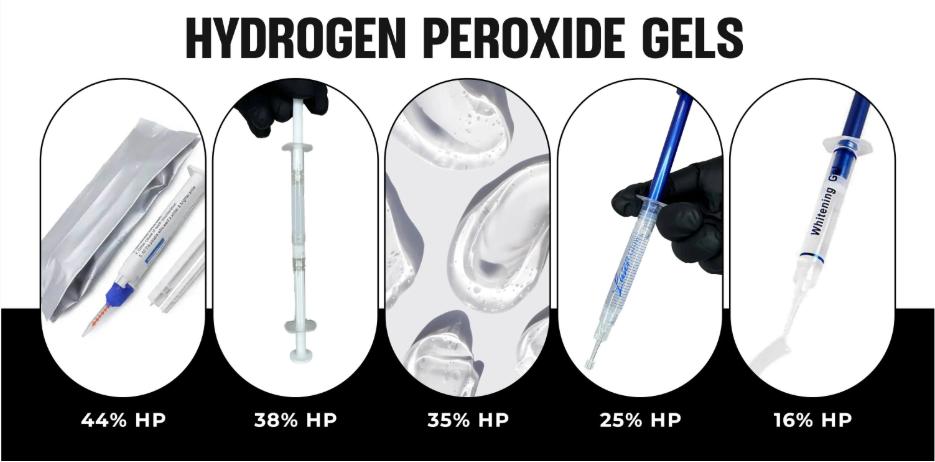
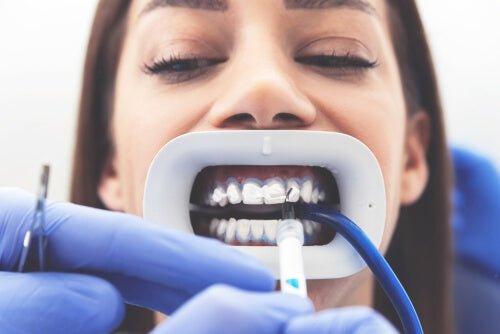
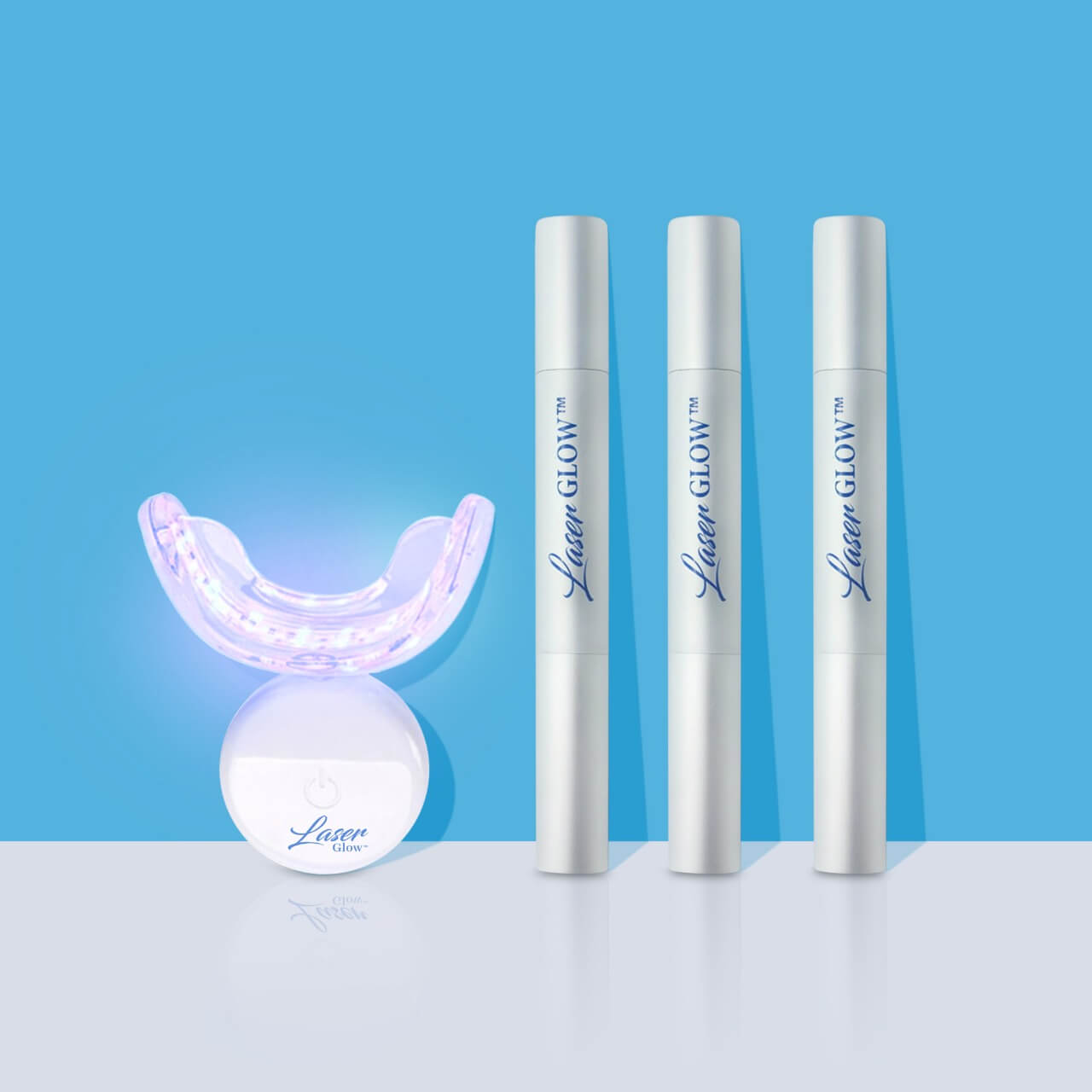
Best Teeth Whitening Products in 2026 The best teeth whitening products in 2026 depend on your goal: fast whitening, daily stain maintenance, instant brightening, professional chairside results, or at-home convenience. Whitening strips, purple toothpaste, hydrogen peroxide gels, LED whitening kits, whitening toothpaste, and professional machines all serve different roles in a complete whitening routine. This guide breaks down the top teeth whitening product categories, what each one is best for, and how to choose the right LaserGlow product for your smile or professional whitening business. Updated June 2026 Reviewed by David Hanna, RDH What Makes the Best Teeth Whitening Products Actually Work? The best teeth whitening products are not all designed to do the same thing. Some use peroxide to lift stains from natural enamel. Some use optical color correction to make yellow tones look less visible instantly. Others help maintain brightness by removing surface buildup during daily brushing. A strong whitening routine usually combines the right treatment product with good maintenance. For example, a peroxide-based whitening gel or LED whitening kit can help create more noticeable shade improvement, while purple toothpaste, whitening toothpaste, and oral care tools can help keep the smile looking brighter between treatments. Simple rule: peroxide-based products are best for deeper whitening results, while purple toothpaste and daily whitening toothpaste are best for instant brightness, surface stain maintenance, and keeping results looking fresh. Shop Teeth Whitening Products Shop Professional Whitening Gels Best Teeth Whitening Products by Goal Whitening Goal Best Product Type Recommended LaserGlow Option Fast at-home whitening LED whitening kit or whitening strips Wireless LED Teeth Whitening Kit Instant yellow-tone correction Purple toothpaste color corrector Purple Toothpaste Color Corrector Daily stain maintenance Whitening toothpaste Day & Night Whitening Toothpaste Professional chairside whitening Hydrogen peroxide whitening gel Professional Hydrogen Peroxide Gels Whitening business setup Starter kit and whitening machine Professional Teeth Whitening Starter Kit Cleaner oral care routine Water flosser, tongue scraper, toothpaste Water Flosser + Tongue Scraper The Best Types of Teeth Whitening Products in 2026 Whitening Strips Whitening strips are one of the easiest at-home whitening products for people who want visible brightening without trays or extra devices. They are convenient, low-mess, and ideal for routine whitening maintenance or first-time users. Shop Teeth Whitening Strips Purple Toothpaste Color Corrector Purple toothpaste helps neutralize yellow tones using violet color-correcting pigments. It does not bleach enamel or replace peroxide whitening, but it can make teeth look brighter instantly before photos, events, or daily routines. Shop Purple Toothpaste Day & Night Whitening Toothpaste Day and night whitening toothpaste systems are designed for daily stain maintenance and a more consistent oral care routine. They help clean surface buildup, freshen breath, and support a brighter-looking smile between whitening treatments. Shop Day & Night Toothpaste Wireless LED Whitening Kits Wireless LED whitening kits are popular for people who want a more advanced at-home whitening experience. A strong kit combines whitening gel, an LED mouth tray, and a simple treatment routine for more convenient home whitening. Shop Wireless LED Whitening Kit Hydrogen Peroxide Whitening Gels Hydrogen peroxide whitening gels are among the most effective options for professional stain lifting on natural teeth. They are commonly used by whitening technicians, med spas, salons, and dental professionals for chairside whitening services. Shop Hydrogen Peroxide Gels Professional Teeth Whitening Machines Teeth whitening machines are used by professionals who want a more elevated treatment setup. They support chairside whitening workflows, help position the service as premium, and give clients a more professional experience. Shop Whitening Machines Flavored Whitening Toothpaste Flavored toothpaste makes daily brushing more enjoyable while still supporting a cleaner, brighter-looking smile. It is especially useful for people who hate basic mint toothpaste and need a routine they will actually stick to. Apparently flavor is what saves civilization. Shop Flavored Toothpaste Oral Care Tools for Whitening Maintenance Whitening works better when the full oral care routine is consistent. Tools like a water flosser, tongue scraper, and daily toothpaste help reduce buildup, improve freshness, and support a cleaner-looking smile. Shop Water Flosser How to Choose the Right Teeth Whitening Product The right teeth whitening product depends on your goal. If you want fast visible whitening, peroxide-based options like whitening strips, LED kits, or professional whitening gels make the most sense. If you want instant brightness before photos or events, purple toothpaste is the better fit. If you want daily maintenance, whitening toothpaste and oral care tools should be part of your routine. Sensitivity also matters. Stronger peroxide products may produce more noticeable whitening, but they should be used according to directions and matched to your comfort level. If you have crowns, veneers, fillings, or bonding, remember that whitening products generally work on natural tooth structure and do not change the color of restorations. Best approach: use a treatment product to whiten, then use maintenance products to keep results looking fresh. Expecting one product to do everything is how people end up disappointed and writing dramatic reviews on the internet. Best Professional Teeth Whitening Products Professional-grade whitening products continue to lead the market because they are built for stronger performance and structured treatment workflows. Whitening gels, gingival barrier, LED curing lights, and whitening machines are especially important for providers who offer chairside whitening services. LaserGlow carries professional whitening products for providers building or upgrading a treatment menu, including hydrogen peroxide whitening gels, gingival barrier gum protector gel, LED curing lights, and professional starter kits. Shop Pro Whitening Gels Shop Starter Kit Why LaserGlow Is a Strong Choice for Teeth Whitening LaserGlow offers both at-home and professional teeth whitening products built around visible results, convenience, and practical treatment use. The product lineup includes purple toothpaste, whitening strips, day and night toothpaste, professional hydrogen peroxide gels, LED whitening kits, whitening machines, and oral care tools. For customers, that means you can build a smarter whitening routine instead of grabbing random products and hoping the bathroom counter becomes a dental clinic. For professionals, it means you can source gels, tools, and supplies from one brand that understands chairside whitening workflows. Shop All Whitening Products Professional Whitening Resource Center Conclusion: What Are the Best Teeth Whitening Products in 2026? The best teeth whitening products in 2026 are the ones that match your goal. Choose whitening strips or LED kits for convenient at-home whitening, purple toothpaste for instant yellow-tone correction, whitening toothpaste for maintenance, and professional hydrogen peroxide gels or whitening machines for chairside services. A stronger whitening routine is not about buying the loudest product on the shelf. It is about choosing the right product for the right job, then using it consistently and safely. Best Teeth Whitening Products FAQ Which teeth whitening product works the fastest? Professional-strength whitening gels and advanced LED whitening kits usually deliver the fastest visible whitening results. The final result depends on stain type, gel strength, application method, and consistency. What is the best teeth whitening product for yellow teeth? For deeper stain lifting, peroxide-based whitening products usually work best on natural teeth. For instant visual brightness, purple toothpaste can help neutralize yellow tones temporarily using color correction. Are teeth whitening products safe for sensitive teeth? Many whitening products are designed with comfort in mind, but sensitivity varies. If you have sensitive teeth, choose gentler formulas, follow directions, avoid overuse, and consider lower-strength or maintenance-focused products. Can teeth whitening damage enamel? Quality whitening products are generally designed to be used without damaging enamel when used as directed. Problems are more likely with misuse, overuse, poor formulation, or ignoring product instructions. How long do teeth whitening results last? Whitening results can last from several weeks to several months depending on diet, smoking, oral hygiene, and maintenance products. Coffee, tea, red wine, and tobacco can shorten results. Do whitening products work on crowns, veneers, or fillings? No. Teeth whitening products generally do not change the color of crowns, veneers, fillings, bonding, or other restorations. Whitening mainly affects natural tooth structure. Can I use teeth whitening products while pregnant or breastfeeding? It is best to speak with your dentist or healthcare provider before using whitening products during pregnancy or while breastfeeding. Are peroxide-free whitening products effective? Peroxide-free whitening products can help with brightness, surface appearance, and maintenance, but peroxide-based systems generally provide stronger stain-lifting results on natural teeth. Shop Teeth Whitening Products That Actually Match Your Goal Explore LaserGlow purple toothpaste, whitening strips, day and night toothpaste, LED whitening kits, professional hydrogen peroxide gels, whitening machines, and oral care tools. Shop Whitening Products Shop Purple Toothpaste Shop Whitening Gels
Learn moreWhy Are My Teeth Sensitive After Whitening?
Post-Whitening Sensitivity Guide If your teeth suddenly feel sharp, reactive, or uncomfortable after whitening, you are not imagining it. Sensitivity after teeth whitening is one of the most common concerns people experience after both at-home and professional whitening treatments. The good news is that it is usually temporary, often manageable, and much easier to deal with when you understand what causes it and what helps. Some people describe it as a quick zing. Others say cold air, ice water, iced coffee, or sweets suddenly make their teeth hurt after whitening. Whether the sensitivity is mild or more noticeable, it usually comes down to the same issue: your teeth are temporarily more reactive after the whitening process. In this guide, we will break down why that happens, how long it usually lasts, what helps reduce sensitivity after whitening, and how both consumers and whitening professionals can support a more comfortable recovery. Is It Normal for Teeth to Be Sensitive After Whitening? Yes. Tooth sensitivity after whitening is common. It can happen after whitening strips, trays, whitening pens, LED whitening kits, or professional in-office whitening treatments. For some people, the sensitivity is very mild and short-lived. For others, especially those who already have sensitive teeth, it can feel more intense. This does not automatically mean the whitening treatment was done incorrectly or that the teeth were damaged. In many cases, it simply means the whitening process temporarily made the teeth more reactive to cold, air, pressure, or sweet foods. That is why proper post-whitening care matters so much. Why Do Teeth Become Sensitive After Whitening? Whitening treatments are designed to help break apart stain compounds on and within the tooth structure. During that process, the teeth can temporarily become more sensitive to outside triggers. That sensitivity is often most noticeable when drinking cold beverages, breathing in cool air, or eating foods like ice cream. People who already have naturally sensitive teeth, thinner enamel, gum recession, or a history of discomfort with cold foods are often more likely to notice sensitivity after whitening. In other words, whitening is not always creating a new problem. Sometimes it is simply making an existing sensitivity issue more noticeable for a short time. The most common reason people panic is because the pain feels sudden. One minute everything seems fine. Then an iced drink hits and your teeth act like they are filing a formal complaint. What Does Whitening Sensitivity Feel Like? Sensitivity after whitening can feel different from person to person. Some people get small electric-like zings. Others feel a dull ache, discomfort when biting into something cold, or sharp sensitivity when drinking cold beverages. It can affect one tooth, multiple teeth, or the entire front smile area depending on the person and the whitening method used. Some of the most common phrases people search include: Why do my teeth hurt after whitening? Why do I get zings after whitening? Why do cold drinks hurt after whitening? How do I stop sensitivity after teeth whitening? All of those searches are getting at the same underlying concern: how to make whitening more comfortable after treatment. How Long Does Sensitivity After Whitening Last? For many people, sensitivity after whitening is temporary and improves within hours or a couple of days. The exact timeline depends on the individual, the strength of the whitening treatment, how long it was used, and whether the person already had sensitive teeth before whitening. If someone uses a strong whitening system and skips proper aftercare, sensitivity may feel worse or last longer than it needs to. That is why aftercare is not optional if comfort matters. A bright smile is great. A bright smile that does not make cold drinks feel like betrayal is better. What Helps Reduce Sensitivity After Whitening? One of the most effective ways to support comfort after whitening is using a post-whitening desensitizing and remineralizing treatment. LaserGlow Desensitizing & Remineralizing Gel Pen is designed for exactly that. It is formulated to help reduce sensitivity, support remineralization, and strengthen enamel after whitening. The pen contains three active ingredients that support post-whitening care: Potassium Nitrate Potassium nitrate is widely used in formulas for sensitive teeth. It helps calm the nerve response in the tooth, which is especially helpful when teeth feel reactive after whitening. Calcium Phosphate Calcium phosphate helps support remineralization and enamel care after whitening, giving the product a stronger role than a basic sensitivity-only formula. Sodium Fluoride Sodium fluoride helps support enamel strength and overall post-whitening protection, especially when paired with remineralizing ingredients. This combination matters because people are not just searching for pain relief. They are also asking whether whitening weakens enamel, how to protect teeth after whitening, and what helps strengthen enamel after treatment. How to Use a Desensitizing Gel After Whitening A good aftercare product should be easy to use. LaserGlow Desensitizing & Remineralizing Gel comes in a 3 mL pen with a built-in brush, which makes application fast and direct. Brush and floss your teeth, dry them with a tissue, twist the bottom of the pen until a small amount of gel appears on the brush, smile wide, and apply a thin layer to each tooth. Avoid the gums, relax your lips after 30 seconds, and avoid eating or drinking for 30 minutes after treatment. That format works well for both everyday consumers and whitening professionals. It is clean, simple, and easy to integrate into a whitening aftercare routine without adding unnecessary friction. Does Whitening Damage Enamel? This is one of the biggest search questions around whitening and sensitivity. Most people asking it are really asking whether the discomfort means they harmed their teeth. Temporary sensitivity after whitening does not automatically mean enamel damage. It usually means the teeth are temporarily more reactive and need proper post-treatment care. That said, whitening should always be used correctly and followed by appropriate aftercare. A post-whitening gel with ingredients like calcium phosphate and sodium fluoride helps support enamel care and gives users a more complete recovery step after treatment. Sensitive Teeth After Whitening Strips, LED Kits, or Professional Treatments Not all whitening sensitivity comes from the same source. At-home whitening users often search for phrases like sensitive teeth after whitening strips or teeth hurt after LED whitening kit. Professional treatment clients may search for questions like is it normal for teeth to hurt after in-office whitening. These are different pathways to the same problem: whitening-related sensitivity. That is why your content strategy should not isolate the topic too narrowly. This article is built to capture broad whitening sensitivity intent across home and professional whitening users. Whether the customer is using trays at home or a professional service in clinic, the same aftercare conversation matters. What About General Tooth Sensitivity? General tooth sensitivity and whitening sensitivity often overlap. If someone already has sensitivity with cold drinks, cold air, or sweets, they may be more likely to notice discomfort after whitening. That is why this product can appeal to both audiences: people recovering from whitening and people who already know their teeth tend to be reactive. For SEO, this matters a lot. It lets the topic naturally reach people asking broader questions about sensitive teeth while still staying tightly relevant to whitening aftercare. Why This Matters for B2B Whitening Professionals For whitening professionals, sensitivity is not just a customer concern. It is part of the overall service experience. Clients want a bright result, but they also want to feel comfortable after treatment. A desensitizing and remineralizing gel pen gives professionals a clean, premium aftercare add-on they can use or recommend after in-office whitening. It also helps professionals answer the exact questions clients ask after treatment: Why are my teeth sensitive after whitening? How long will the zings last? What can I use after whitening for sensitivity? How do I protect enamel after whitening? That makes the product valuable not only for direct retail but also as a service-enhancing aftercare solution. Best Practices to Make Whitening More Comfortable If you want to reduce the chance of sensitivity feeling worse than necessary, keep the aftercare simple and consistent. Use a post-whitening desensitizing and remineralizing gel, avoid very cold drinks immediately after treatment, do not overdo whitening beyond instructions, and give the teeth time to recover after treatment. Most importantly, do not treat sensitivity like it is some bizarre punishment you have to just endure because you wanted whiter teeth. Whitening is common. Sensitivity is common. Better aftercare should be common too. Final Answer: Why Are My Teeth Sensitive After Whitening? Your teeth are usually sensitive after whitening because the whitening process temporarily makes them more reactive to temperature, air, and other triggers. This is common, especially for people who already have sensitive teeth. In most cases, it improves with time and proper aftercare. A post-whitening product like LaserGlow Desensitizing & Remineralizing Gel Pen helps support that recovery by combining potassium nitrate, calcium phosphate, and sodium fluoride in a convenient 3 mL pen with a built-in brush. It helps reduce sensitivity, support remineralization, and strengthen enamel for both B2C users at home and B2B whitening professionals looking to improve client aftercare. Shop Now Frequently Asked Questions Is it normal for teeth to be sensitive after whitening? Yes. Sensitivity after whitening is common and can happen after strips, trays, LED whitening kits, or in-office whitening treatments. How long does sensitivity after whitening last? For many people, sensitivity improves within hours or a couple of days, depending on the whitening treatment and the individual’s baseline sensitivity. What helps stop zings after whitening? A post-whitening desensitizing and remineralizing gel with ingredients like potassium nitrate, calcium phosphate, and sodium fluoride can help support comfort after treatment. Can I use a desensitizing gel after whitening strips? Yes. A desensitizing gel pen can be used after whitening strips, whitening trays, whitening pens, LED kits, and professional whitening treatments. Does a remineralizing gel help support enamel after whitening? Yes. Ingredients like calcium phosphate and sodium fluoride are commonly used to support remineralization and enamel care after whitening.
Learn moreHow to Relieve Tooth Sensitivity After Whitening and Strengthen Enamel
Tooth Sensitivity Guide Teeth whitening can deliver a brighter smile fast, but for many people, the aftermath is less glamorous. Sharp zings, discomfort with cold drinks, and sensitivity after whitening can turn a cosmetic treatment into an experience people want to avoid repeating. The good news is that post-whitening sensitivity is common, manageable, and often improved with the right aftercare. LaserGlow Desensitizing & Remineralizing Gel Pen was designed to help reduce sensitivity, support remineralization, and strengthen enamel after teeth whitening with a simple 3 mL pen and built-in brush. This guide explains why teeth become sensitive after whitening, what ingredients matter most for aftercare, how to help relieve tooth sensitivity at home, and why both consumers and whitening professionals should take post-whitening care seriously. Whether you are a customer dealing with zings after an at-home treatment or a whitening professional looking for a better aftercare add-on, this is the page you want in front of the people searching for answers. Why Teeth Become Sensitive After Whitening Tooth sensitivity after whitening is one of the most common questions people ask before and after a whitening treatment. It is also one of the biggest reasons some people hesitate to whiten again. Sensitivity can show up as quick zings, discomfort when breathing in cold air, pain when drinking iced coffee, or sharp reactions to ice cream, cold water, or sweets. For some people it lasts only a few hours. For others, it can linger longer if they already deal with general tooth sensitivity. Whitening treatments work by helping break apart stain compounds on the tooth surface and within the enamel structure. That process can temporarily make teeth feel more reactive, especially if the person already has exposed dentin, weakened enamel, or a history of sensitivity. This does not automatically mean something is wrong. It usually means the teeth need proper post-whitening care. That is exactly where a desensitizing and remineralizing gel becomes valuable. In plain terms, whitening makes your smile brighter, but it can also leave your teeth temporarily more vulnerable to temperature triggers. The mistake many people make is stopping at whitening and skipping the aftercare. That is like paying for the result and ignoring the recovery. What Does a Desensitizing and Remineralizing Gel Do? A desensitizing and remineralizing gel is a post-whitening aftercare treatment designed to help improve comfort after whitening and support enamel care. Instead of waiting for sensitivity to go away on its own, this type of formula gives the teeth targeted support after a whitening session. LaserGlow Desensitizing & Remineralizing Gel Pen is designed for exactly that purpose. This 3 mL pen features a built-in brush applicator that makes it easy to apply a thin layer of gel directly to the teeth after whitening. It can be used after at-home whitening treatments such as strips, trays, whitening pens, and LED whitening kits. It can also be used by whitening professionals after an in-office treatment as a simple, valuable post-care service. The goal is not just to reduce discomfort in the moment. A better formula supports the teeth more completely by helping reduce sensitivity and supporting remineralization and enamel strength. That is why the ingredient profile matters. 3 Active Ingredients That Matter for Sensitivity Relief and Enamel Support A generic sensitivity product is easy to find. A well-positioned post-whitening formula with the right combination of ingredients is harder to find, and that difference matters for both SEO and real product value. LaserGlow Desensitizing & Remineralizing Gel Pen is formulated with three active ingredients: potassium nitrate, calcium phosphate, and sodium fluoride. Potassium Nitrate Potassium nitrate is widely used in products designed for sensitive teeth. It helps calm the nerve response inside the tooth, making it especially useful after whitening when teeth may react more strongly to temperature and air exposure. If someone searches for how to stop zings after whitening, how to reduce tooth sensitivity after whitening, or why their teeth hurt after whitening, potassium nitrate is one of the key ingredients they should want to see in the answer. Calcium Phosphate Calcium phosphate supports remineralization. After whitening, many users are not just worried about pain. They are also concerned about enamel care, tooth health, and whether whitening made their teeth weaker. A remineralizing ingredient helps support the post-whitening recovery conversation in a much more complete way than a one-note sensitivity claim. Sodium Fluoride Sodium fluoride is included to help support enamel strength and improve overall post-whitening care. When paired with potassium nitrate and calcium phosphate, it helps create a broader formula that addresses sensitivity, remineralization, and enamel support together. That gives the product a stronger position for both consumers looking for relief and professionals looking for a more credible aftercare upgrade. How to Relieve Tooth Sensitivity After Whitening One of the highest-intent questions people ask is how to relieve tooth sensitivity after whitening. The answer is not complicated, but it does need to be specific. The first step is using a post-whitening product designed for sensitivity support and enamel care. The second is avoiding obvious triggers immediately after treatment, including very cold drinks, ice, and acidic foods. The third is giving the teeth time and support rather than assuming discomfort is just part of the process. LaserGlow Desensitizing & Remineralizing Gel Pen makes that process simple. Brush and floss the teeth, dry the teeth with a tissue, twist the bottom of the pen until a small amount of gel reaches the brush, smile wide, apply a thin layer to each tooth, relax the lips after 30 seconds, and avoid eating or drinking for 30 minutes. It is an easy aftercare step that fits naturally into both home and professional whitening workflows. For people asking whether they should use a sensitivity toothpaste, a remineralizing gel, or a fluoride treatment after whitening, the strongest answer is that a targeted post-whitening gel pen offers direct application exactly where it is needed. That is a more focused approach than hoping a general toothpaste eventually gets the job done. Ever Get Shocks or Zings After Teeth Whitening? If ice cream, cold water, or an iced Starbucks drink suddenly makes your teeth feel like they are filing a complaint against you, that is post-whitening sensitivity. It is common, but it does not have to be accepted as the price of a brighter smile. A post-whitening gel formulated with potassium nitrate, calcium phosphate, and sodium fluoride helps reduce sensitivity, support remineralization, and strengthen enamel so the whitening experience feels more complete, not more punishing. General Tooth Sensitivity vs After-Whitening Sensitivity Another strong search angle is the difference between general tooth sensitivity and sensitivity after whitening. They overlap, but they are not always identical. General tooth sensitivity can be triggered by cold drinks, sweets, air exposure, brushing, gum recession, or weakened enamel. After-whitening sensitivity is often temporary and triggered by the whitening process itself, especially in people who were already prone to sensitivity. This is why a product that speaks to both needs can perform so well. Consumers searching for relief from general sensitivity often respond to the same ingredient story that matters after whitening: sensitivity relief, enamel support, and remineralization. That gives this topic broader SEO reach than a page that only talks about whitening in a narrow way. For B2C customers, that means the product can be positioned as both a post-whitening solution and a support step for teeth that are naturally more reactive. For B2B buyers, it means they can offer it as an aftercare recommendation to a wider range of clients, including people who worry about sensitivity before treatment even starts. Why This 3 mL Pen with Built-In Brush Is a Better Format Packaging matters more than people admit. A product can have strong ingredients and still underperform if it is annoying to use. LaserGlow Desensitizing & Remineralizing Gel comes in a 3 mL pen with a built-in brush, which makes the application fast, clean, and simple. That matters for customers at home who want a low-effort solution, and it matters even more for professionals who need something easy to integrate into a treatment flow. For consumers, a pen format feels less messy and more precise than a tub, tray, or hard-to-dispense gel. For professionals, it is easier to explain, easier to retail, and easier to offer as an add-on service after whitening. Convenience is not just a usability feature. It also supports compliance. People are more likely to use aftercare correctly when the product is easy to apply. Why Whitening Professionals Should Offer Post-Whitening Desensitizing Gel For whitening technicians, dental professionals, med spas, and salons, aftercare is not just a courtesy. It is part of the overall client experience. A client who gets a bright result but leaves with unmanaged sensitivity may still be less likely to return, refer, or rebook. A client who feels cared for after treatment is much more likely to see the service as premium and complete. Offering a desensitizing and remineralizing gel as a post-whitening add-on helps solve a real pain point while increasing the value of the appointment. It also gives professionals a cleaner way to answer common questions such as what to use for sensitivity after whitening, how to protect enamel after whitening, and what to do if teeth hurt after treatment. For B2B SEO and content positioning, that matters. This is not only a consumer product. It is also a whitening aftercare product for professionals who want a better service finish, better client comfort, and a stronger upsell opportunity. Who Should Use a Desensitizing and Remineralizing Gel Pen? This product makes sense for several groups. First, it is ideal for people who experience zings, sensitivity, or cold discomfort after using whitening products at home. Second, it is a strong option for people who already have sensitive teeth and want extra support after whitening. Third, it works well for whitening clients leaving an in-office service who want a smoother recovery. Fourth, it gives professionals an easy way to add value after treatment. In other words, the audience includes both everyday customers and the businesses serving them. That dual-market angle is valuable because it lets one page target consumer questions and professional intent without creating a split identity. Best Practices for Teeth Whitening Aftercare If someone asks what to do after whitening to reduce sensitivity, a strong answer includes more than just one product mention. Good aftercare means using a desensitizing and remineralizing gel, avoiding food and drink right after application, being cautious with very cold items, and following the whitening instructions properly in the first place. Overuse, poor timing, and skipping post-care are common reasons people have a rougher experience than they need to. It also helps to set realistic expectations. Some temporary sensitivity can happen after whitening. That does not mean the treatment failed or that whitening should be avoided altogether. It means aftercare should be part of the routine, not an afterthought. A better smile outcome is not only about shade. It is also about comfort. Why This Topic Matters for SEO, SGE, and AI Search Results Search behavior around tooth sensitivity is broad but highly specific. People ask questions like why do my teeth hurt after whitening, how to stop sensitivity after teeth whitening, what helps zings after whitening, does whitening damage enamel, how to strengthen enamel after whitening, and what product helps sensitive teeth after cold drinks. A page that answers all of those naturally, clearly, and with real product relevance has a much better chance of surfacing across search, AI summaries, and answer-style results. That is why this content should not be written like a thin product pitch. It needs topical depth, ingredient context, practical aftercare advice, and clear use cases for both B2C and B2B audiences. When done right, the page becomes more than a product page. It becomes a resource that Google can pull from and users can trust. Final Thoughts on Sensitivity Relief and Enamel Support After Whitening Whitening should make a smile look better, not make cold drinks feel like a punishment. If sensitivity shows up after whitening, the right response is not to ignore it. It is to support the teeth with ingredients and aftercare that actually make sense. LaserGlow Desensitizing & Remineralizing Gel Pen combines potassium nitrate, calcium phosphate, and sodium fluoride in a convenient 3 mL pen with a built-in brush to help reduce sensitivity, support remineralization, and strengthen enamel after whitening. For consumers, that means a more comfortable post-whitening experience. For professionals, it means a smarter aftercare add-on and a more complete client treatment flow. For SEO, it means this topic can naturally capture a broad range of questions tied to sensitivity, whitening recovery, and enamel support. Shop Now Frequently Asked Questions What helps tooth sensitivity after whitening? A post-whitening desensitizing and remineralizing gel can help reduce sensitivity and support enamel care after whitening. Ingredients like potassium nitrate, calcium phosphate, and sodium fluoride are commonly used to support comfort and remineralization. Why do my teeth feel sharp or zing after whitening? Whitening can temporarily make teeth feel more reactive to cold air, drinks, and other triggers. This is common after whitening and is often improved with proper aftercare and sensitivity support. How do I strengthen enamel after teeth whitening? Post-whitening care with ingredients like calcium phosphate and sodium fluoride can help support enamel care after whitening. Avoiding immediate cold or acidic triggers can also help improve comfort. Can professionals use desensitizing gel after in-office whitening? Yes. Whitening professionals can offer a desensitizing and remineralizing gel as a post-care add-on to help improve client comfort and support a more complete treatment experience. Can I use this after whitening strips or an LED whitening kit? Yes. A post-whitening gel pen can be used after at-home whitening products such as strips, trays, pens, and LED whitening kits to help reduce sensitivity and support enamel care.
Learn moreBest Electric Toothbrush for Travel: What to Look For
Travel Toothbrush Guide The best electric toothbrush for travel should do more than just fit in a toiletry bag. It should be easy to recharge, last long enough between charges, handle wet bathroom use, and feel dependable whether you are home for a week or away for one. Travel-friendly design is about convenience, battery life, charging simplicity, and everyday practicality. This guide breaks down what matters most when choosing an electric toothbrush for travel, from battery life and charging to waterproof design, quiet performance, and premium build quality. If you want a toothbrush made for both home and travel, the LaserGlow Sonic Electric Toothbrush combines 30-day battery life, Type-C charging, IPX7 waterproofing, and a premium metal design in one modern brush. Shop the Sonic Electric Toothbrush Jump to FAQs What Makes an Electric Toothbrush Good for Travel? A travel-friendly electric toothbrush should feel simple to live with. That means it should hold a charge well, recharge easily, survive wet bathroom use, and avoid turning into one more bulky device that needs its own special setup. If the brush is constantly low on power or needs awkward charging accessories, it stops feeling travel-friendly very quickly. The best electric toothbrush for travel should support the same daily brushing routine you want at home while removing some of the friction that comes with taking devices on the go. Long battery life, modern charging, durable construction, and everyday convenience all matter. 30-day battery life Type-C charging IPX7 waterproof Low-noise design Metal body Why Battery Life Matters So Much for Travel Battery life is one of the biggest factors in whether an electric toothbrush feels practical on the road. A brush that lasts for weeks on a full charge removes a lot of the hassle from travel planning. You do not have to worry about packing the charger for short trips, and the whole routine feels more dependable. That is why shoppers looking for the best electric toothbrush for travel usually care about battery life more than almost any other feature. Long battery performance turns the toothbrush into something that works around your schedule instead of creating one more thing to manage. Charging Simplicity Matters Too Travel convenience is not only about how long the battery lasts. It is also about how easy the brush is to recharge. Type-C charging is a major advantage because it feels more modern, more flexible, and easier to manage than older charging styles. It reduces cable clutter and makes the toothbrush easier to fit into the way people already charge other daily devices. The easier it is to recharge a toothbrush, the more useful it becomes for travel. That is why charging type should be part of the decision, not just an afterthought. Why Waterproof Design and Build Quality Matter When You Travel A travel toothbrush should be able to handle real bathroom use in different environments. That means waterproofing matters. A good electric toothbrush should feel safe to rinse, easy to clean, and durable enough for daily use in a wet sink area, whether you are at home, in a hotel, or getting ready in a smaller bathroom setup. Build quality matters too. A more premium handle feels sturdier, more dependable, and better suited to repeated packing and unpacking. That is where material choice and overall construction start to matter more than people realize. How the LaserGlow Sonic Electric Toothbrush Fits the Travel Category The LaserGlow Sonic Electric Toothbrush is designed to work well for both daily home use and travel by combining up to 30 days of battery life, Type-C charging, IPX7 waterproof construction, and a premium metal body. Those features make it easier to keep your brushing routine consistent without needing constant recharging or extra effort. It also includes a low battery indicator, low-noise design, smart timer, and TFT screen, which help the overall daily experience feel more practical and more complete. That is the kind of toothbrush that feels easier to own whether you are staying home or taking it on the road. Travel Convenience Should Not Mean Sacrificing Brushing Quality Some travel-focused products feel convenient because they are small or simple, but they also feel underpowered or generic. A better travel toothbrush should still support a strong daily brushing routine. Convenience is important, but so is cleaning performance. The LaserGlow Sonic Electric Toothbrush combines 43,000 vibrations per minute, 60° oscillation, soft DuPont bristles, a silicone shock-absorbing brush head, and a smart timer along with its travel-friendly design. That means users get a more complete toothbrush instead of choosing between performance and portability. What to Look For in the Best Electric Toothbrush for Travel If travel is a big part of your routine, the smartest move is to choose a toothbrush that combines long battery life, simple charging, waterproof construction, and a comfortable daily brushing experience. The best travel toothbrush does not just travel well. It also makes everyday brushing easier. Feature Basic Travel Toothbrush Better Travel Electric Toothbrush LaserGlow Sonic Electric Toothbrush Battery Life Often limited Should last multiple weeks Up to 30 days Charging Type Older charging systems Modern universal charging preferred Type-C rechargeable Waterproof Use Varies Important for normal daily use IPX7 waterproof Noise Level Can be loud Quieter is more practical Low-noise design Build Feel Can feel basic Should feel durable and stable Premium metal body Brushing Features Basic functions only Should still support good daily brushing 43,000 vibrations per minute + 60° oscillation + smart timer + TFT screen Who Should Prioritize Travel Features in an Electric Toothbrush? Travel-focused electric toothbrush features are useful for more people than just frequent flyers. Anyone who wants fewer charging headaches, longer battery performance, and a more flexible daily routine can benefit from a toothbrush designed with convenience in mind. Frequent travelers People who want fewer chargers and cables Users who prefer a simpler daily routine Shoppers looking for a more modern rechargeable toothbrush Anyone who wants travel convenience without sacrificing brushing quality Best Electric Toothbrush for Travel FAQs What is the best electric toothbrush for travel? The best electric toothbrush for travel should combine long battery life, easy charging, waterproof design, and a comfortable daily brushing experience. Why is battery life important in a travel toothbrush? Long battery life makes the toothbrush easier to use during trips because it reduces charging hassle and makes the routine feel more dependable. Does Type-C charging make a toothbrush better for travel? Yes. Type-C charging is more convenient and easier to manage than older charging systems, especially when traveling. Is waterproof design important in a travel electric toothbrush? Yes. Waterproof design helps the toothbrush handle normal wet bathroom use and makes it easier to rinse and maintain during travel. Is the LaserGlow Sonic Electric Toothbrush good for travel? Yes. It combines up to 30 days of battery life, Type-C charging, IPX7 waterproof construction, and a premium metal body for easier travel and daily use. Does this toothbrush still offer strong brushing performance for everyday use? Yes. It also includes 43,000 vibrations per minute, 60° oscillation, soft DuPont bristles, a silicone shock-absorbing brush head, a smart timer, and a TFT screen.
Learn moreBest Electric Toothbrush for Plaque Removal: What Actually Matters
Plaque Removal Guide If you are looking for the best electric toothbrush for plaque removal, the goal is not just to buy something that vibrates fast and hope for the best. Effective plaque removal comes down to the brushing motion, how comfortable the brush feels during daily use, and whether the design helps you brush consistently enough to actually get results. This guide breaks down what matters most when choosing an electric toothbrush for plaque removal, from brush head design and gumline cleaning to timers, battery life, and everyday comfort. If you want a more advanced option, the LaserGlow Sonic Electric Toothbrush is designed to combine sonic power, 60° oscillation, and comfort-focused features in one smarter daily brush. Shop the Sonic Electric Toothbrush Jump to FAQs What Helps an Electric Toothbrush Remove Plaque More Effectively? Plaque removal is not just about speed. It depends on how the brush head moves, how consistently you brush, how well the bristles reach the gumline, and whether the toothbrush feels comfortable enough to use properly every day. A brush that looks powerful on paper but feels awkward or harsh in real life is not necessarily going to support a better routine. The best electric toothbrush for plaque removal should help users brush more thoroughly, cover more areas of the mouth, and maintain a more consistent routine. That is why movement, comfort, timer features, and brush head design matter just as much as the motor itself. 43,000 vibrations per minute 60° oscillation Soft DuPont bristles Smart timer TFT screen Why Brushing Motion Matters for Plaque Removal One of the biggest differences between electric toothbrushes is the type of brushing motion they use. Some focus only on vibration. Some rely on more direct rotating or oscillating movement. Others combine multiple motion styles to create a more dynamic brushing experience. The right brushing motion can help users clean more effectively around the tooth surface and along the gumline. It can also influence how smooth, controlled, or aggressive the brushing experience feels. A more balanced brushing motion often leads to a better daily routine because the brush feels strong without becoming uncomfortable. Why Gumline Cleaning Is a Big Part of the Equation Plaque does not just sit on the obvious flat surfaces of the teeth. The gumline is one of the most important areas to brush well because buildup there can quickly affect how clean the mouth feels overall. A brush designed for better movement and better daily consistency can support a more complete clean where it matters most. That is why shoppers looking for the best electric toothbrush for plaque removal should pay close attention to brush head design, brushing angle, and how the brush feels when used around the gumline. The right toothbrush should support thorough daily cleaning without encouraging harsh brushing habits. How the LaserGlow Sonic Electric Toothbrush Approaches Plaque Removal The LaserGlow Sonic Electric Toothbrush is built to create a more advanced plaque removal routine by combining 43,000 vibrations per minute with 60° oscillation. Instead of relying on a single brushing style, it is designed to deliver a more dynamic movement pattern that feels effective without turning the daily routine into something overly aggressive. It also uses soft DuPont bristles and a silicone shock-absorbing brush head to help balance stronger brushing performance with better comfort. That matters because daily brushing only works if the toothbrush is something people actually want to use properly. Why Comfort Still Matters If the Goal Is Cleaner Teeth A lot of people assume that a harsher-feeling toothbrush must be cleaning better. That is not always true. If the brush feels too aggressive, people may shorten their brushing time, avoid certain areas, or brush with uneven technique. Comfort matters because it influences whether the toothbrush supports a strong routine every single day. The best electric toothbrush for plaque removal should feel effective but still controlled. It should help users stay consistent, especially around the gumline and back teeth where coverage often drops off. That is why features like soft bristles, a more balanced brush head, and a smart timer can make a bigger difference than people expect. Smart Features Can Improve Daily Plaque Removal Too Better plaque removal is not only about the motor. It is also about how the toothbrush supports the routine. A smart timer can help users brush long enough. A screen can make the brushing session feel more guided and more complete. A low-noise design can make the routine easier to stick with. A longer battery life means fewer interruptions and less friction overall. The LaserGlow Sonic Electric Toothbrush includes a TFT screen, smart timer, low battery indicator, IPX7 waterproof design, Type-C charging, and up to 30 days of battery life. Those features make the overall brushing experience feel more practical and complete, not just more powerful. What to Look For in the Best Electric Toothbrush for Plaque Removal If plaque removal is your main goal, the smartest buying decision is to look for a brush that combines strong cleaning motion with good daily usability. The brush should make it easier to brush thoroughly, not just advertise more modes and more buzzwords. Feature Basic Electric Toothbrush Plaque-Focused Toothbrush LaserGlow Sonic Electric Toothbrush Brushing Motion Basic powered movement Stronger, more effective cleaning motion 43,000 vibrations per minute + 60° oscillation Gumline Comfort Varies Should balance performance and comfort Soft DuPont bristles + silicone shock absorption Timer Support Not always included Helpful for better daily consistency Smart timer Brushing Guidance Minimal Can improve coverage TFT screen with brushing time and area guidance Battery Life Varies Longer life improves convenience Up to 30 days Overall Daily Use Can feel generic Should feel consistent and practical Premium metal body + Type-C charging + low-noise design Who Should Prioritize Plaque Removal Features Most? Anyone can benefit from a more effective brushing routine, but some shoppers care about plaque removal more than others. People upgrading from manual brushes, shoppers who want a cleaner daily mouth feel, and buyers comparing more premium electric toothbrushes often look for features that support stronger brushing consistency and better surface cleaning. People switching from a manual toothbrush Users who want a cleaner-feeling daily routine Shoppers comparing premium electric toothbrushes Buyers who want stronger performance with daily comfort Anyone looking for a more complete brushing experience Best Electric Toothbrush for Plaque Removal FAQs What is the best electric toothbrush for plaque removal? The best electric toothbrush for plaque removal should combine effective brushing motion, comfortable daily use, good gumline coverage, and timer features that support brushing consistency. Does a faster electric toothbrush remove more plaque? Not automatically. Speed helps, but plaque removal also depends on brushing motion, comfort, consistency, brush head design, and how well the toothbrush supports daily use. Why does brush head design matter for plaque removal? Brush head design affects how the toothbrush feels at the gumline, how evenly it brushes, and whether users can clean effectively without making the routine feel harsh or uncomfortable. What makes the LaserGlow Sonic Electric Toothbrush a strong option for plaque removal? It combines 43,000 vibrations per minute, 60° oscillation, soft DuPont bristles, a silicone shock-absorbing brush head, a smart timer, and a TFT screen for a more complete daily brushing experience. Do timers help with plaque removal? Yes. A smart timer helps users brush long enough and more consistently, which supports a more thorough daily routine and better overall plaque removal. Is the LaserGlow Sonic Electric Toothbrush good for travel too? Yes. It includes up to 30 days of battery life, Type-C charging, IPX7 waterproofing, and a low-noise design for easier daily use and travel convenience.
Learn moreHow Long Should an Electric Toothbrush Battery Last? What Buyers Should Know
Battery Life Guide Electric toothbrush battery life matters more than most people expect. A brush that constantly needs charging gets annoying fast, especially if you travel, share a bathroom, or simply want a cleaner routine without one more device dying on you. The best rechargeable toothbrush should feel convenient, dependable, and easy to live with every day. This guide explains how long an electric toothbrush battery should last, what affects battery performance, and which features actually make a toothbrush more practical for home and travel use. If you want a toothbrush built for daily convenience, the LaserGlow Sonic Electric Toothbrush combines 30-day battery life, Type-C charging, smart features, and a premium design in one modern brush. Shop the Sonic Electric Toothbrush Jump to FAQs How Long Should an Electric Toothbrush Battery Last? A good electric toothbrush battery should last long enough that charging does not feel like a constant chore. For many shoppers, that means looking for a toothbrush that can run for multiple weeks on a full charge rather than something that needs to be plugged in every few days. Longer battery life is especially important for travel, daily convenience, and keeping the routine simple. The exact battery life depends on brushing frequency, power settings, timer use, and screen features, but shoppers generally want a rechargeable toothbrush that feels reliable between charges. That is why long battery life has become a real buying factor instead of just a spec buried on the box. 30-day battery life Type-C charging Low battery indicator Travel-friendly IPX7 waterproof Why Battery Life Matters in Daily Use Battery life affects the entire brushing experience. A toothbrush with poor battery performance becomes annoying in small ways that build up over time. It may die unexpectedly, force more frequent charging, or become one more thing you have to remember before a trip. That kind of friction makes a product feel cheap even if the motor itself performs well. A strong battery life makes the toothbrush feel easier to own. It supports daily brushing without interruptions and gives users more confidence that the brush will still be ready when they need it. That is why battery life matters just as much as vibration speed, bristles, or brushing modes for many buyers. What Affects Electric Toothbrush Battery Performance? Not every toothbrush battery lasts the same amount of time, even when the product pages sound similar. Battery performance can vary based on the brushing mode, how often the brush is used, how bright the display is, whether it includes smart guidance features, and how efficiently the device manages power overall. Brushing frequency: more daily use naturally drains the battery faster Power settings: stronger modes can use more battery Display features: screens and indicators can affect battery consumption Charging system: modern charging makes recharging easier and more practical Overall device efficiency: build quality matters, not just the battery claim What Makes a Rechargeable Toothbrush More Travel-Friendly? Travel-friendly design is not just about battery life. A truly practical travel toothbrush should also be easy to recharge, simple to pack, and durable enough for wet bathroom use in different environments. That is why charging type, waterproof design, and battery indicators all matter when evaluating how usable a toothbrush really is. Type-C charging is especially useful because it is more modern and easier to manage than older charging setups. It reduces clutter and makes the toothbrush feel more compatible with the way people already charge other devices. Combined with longer battery life, it turns the toothbrush into something that feels easier to bring anywhere. How the LaserGlow Sonic Electric Toothbrush Fits This Category The LaserGlow Sonic Electric Toothbrush is designed to solve the everyday battery-life problem by offering up to 30 days of battery life on a full charge. That makes it far more practical for travel, shared bathrooms, and daily routines where constant charging becomes frustrating. It also includes Type-C charging, a low battery indicator, IPX7 waterproof construction, a premium metal body, and a low-noise design. Those features matter because they help the brush feel like a better daily-use device overall, not just a toothbrush with one nice battery spec. Battery Life Is Not the Only Thing That Matters A toothbrush can have decent battery life and still feel mediocre if the brushing experience is weak. That is why battery life should be judged alongside the features that make the brush useful every day. Good bristles, strong but comfortable brushing motion, timers, display guidance, waterproof design, and build quality all work together to shape whether the toothbrush feels worth using. The LaserGlow Sonic Electric Toothbrush combines 43,000 vibrations per minute, 60° oscillation, soft DuPont bristles, a silicone shock-absorbing brush head, a TFT screen, and a smart timer with its longer battery life. That makes it more complete than a toothbrush that only leans on one headline spec. What Buyers Should Look For in a Long-Battery Electric Toothbrush If you are shopping for a rechargeable electric toothbrush with good battery life, the goal is not just to find the biggest number. It is to find a toothbrush that actually fits daily life. That means the battery needs to last long enough to feel convenient, but the rest of the brush also needs to feel good in use. Feature Basic Rechargeable Toothbrush Travel-Friendly Electric Toothbrush LaserGlow Sonic Electric Toothbrush Battery Life Varies widely Should last multiple weeks Up to 30 days Charging Type Older charging styles Simple modern charging preferred Type-C rechargeable Battery Indicator Not always included Helpful for travel and daily use Low battery indicator Waterproof Design Varies Important for normal bathroom use IPX7 waterproof Daily Brushing Features Basic features Useful guidance preferred TFT screen + smart timer Overall Feel Can feel generic Should feel stable and dependable Premium metal body + low-noise design Who Should Care Most About Battery Life? Battery life matters for almost everyone, but it matters even more for certain buyers. Travelers, people with busy routines, shoppers who hate frequent charging, and users who want a cleaner countertop setup all benefit from a longer-lasting rechargeable toothbrush. Frequent travelers People who want fewer chargers on the counter Users who brush more than once a day Shoppers who want a simpler daily routine Anyone looking for a more modern premium toothbrush Electric Toothbrush Battery Life FAQs How long should an electric toothbrush battery last? A good electric toothbrush battery should last long enough that frequent charging does not become annoying. Many shoppers prefer a rechargeable toothbrush that can run for multiple weeks on a full charge. Is 30-day battery life good for an electric toothbrush? Yes. A 30-day battery life is a strong advantage because it makes the toothbrush more convenient for everyday use and more practical for travel. What makes an electric toothbrush better for travel? Long battery life, easy charging, waterproof design, and a durable handle all make an electric toothbrush better for travel. Does Type-C charging matter for an electric toothbrush? Yes. Type-C charging is more convenient, more modern, and easier to manage than older charging systems, especially for people who travel often. Is the LaserGlow Sonic Electric Toothbrush good for travel? Yes. It offers up to 30 days of battery life, Type-C charging, IPX7 waterproofing, and a low battery indicator for easier daily use and travel convenience. What other features matter besides battery life? Buyers should also look at brushing comfort, bristle softness, cleaning motion, timers, waterproof design, smart display features, and overall build quality.
Learn more