Aftercare guide
Sensitive teeth after whitening are common, usually temporary and easy to manage once you know why they happen. Here is what causes that sharp, cold-triggered feeling, how long it usually lasts, what actually helps and when it is time to call your dentist.
Short answer: Sensitivity after whitening usually peaks in the first 24 hours and eases within one to two days. A sensitivity toothpaste, avoiding very hot and cold drinks, and pausing whitening are the fastest ways to feel better.
- Common and usually temporary
- Most often eases within 24–48 hours
- Usually settles within a few days
- Lasting a week or more? See your dentist
What is going on
Why are teeth sensitive after whitening?
Sensitive teeth after whitening are among the most common side effects of peroxide whitening, at home or in the chair. It happens for a few overlapping reasons, and knowing them makes it easier to manage.
-
1
Peroxide reaches the dentin
Whitening gel works by passing through enamel into the dentin beneath it. The same path lets temperature and pressure signals reach the nerve more easily for a short time.
-
2
Teeth are temporarily dehydrated
A whitening session dries the tooth out. Until the tooth rehydrates, fluid moves more freely through the tiny tubules in the dentin, which the nerve reads as a sharp sensation.
-
3
The pulp is briefly irritated
The nerve tissue inside the tooth can react to peroxide with a short-lived, reversible irritation. That is the usual source of the quick, shooting “zingers” some people feel.
-
4
Some teeth start out more exposed
Gum recession, exposed roots, worn enamel, small cracks or an untreated cavity all give peroxide an easier route in, so those teeth feel it first and most.
Sensitivity is a comfort issue, not a sign that whitening damaged your enamel. The evidence on enamel is covered in does teeth whitening damage enamel.
Timeline
How long does sensitivity last after teeth whitening?
For most people, sensitivity after whitening is short-lived. It usually peaks in the first day and fades over the next one to two days.
| When | What is common | What to do |
|---|---|---|
| During the session | Mild warmth, tingling or occasional zingers | Tell your provider; cycles can be shortened or stopped |
| First 24 hours | Usually the peak: cold drinks and air can sting | Lukewarm drinks, gentle care, sensitivity toothpaste |
| 24–48 hours | Most people notice it easing | Keep avoiding very hot, cold and acidic food and drink |
| Days 3–5 | Usually settled or close to it | Return to your normal routine as comfort allows |
| A week or more | Not typical for whitening alone | See your dentist to rule out a cavity, crack or other cause |
Everyone is different: how strong the gel was, how long it stayed on, and the starting condition of your teeth all change the timeline. A higher-strength or longer session is more likely to cause sensitivity than a short, lower-strength one.
What helps
How to reduce teeth sensitivity after whitening
These steps are simple, and most people need only a few of them. Start with the first three.
- Switch to a sensitivity toothpasteToothpastes made for sensitive teeth, such as those with potassium nitrate, help calm the nerve response with regular use. Brush gently with it twice a day.
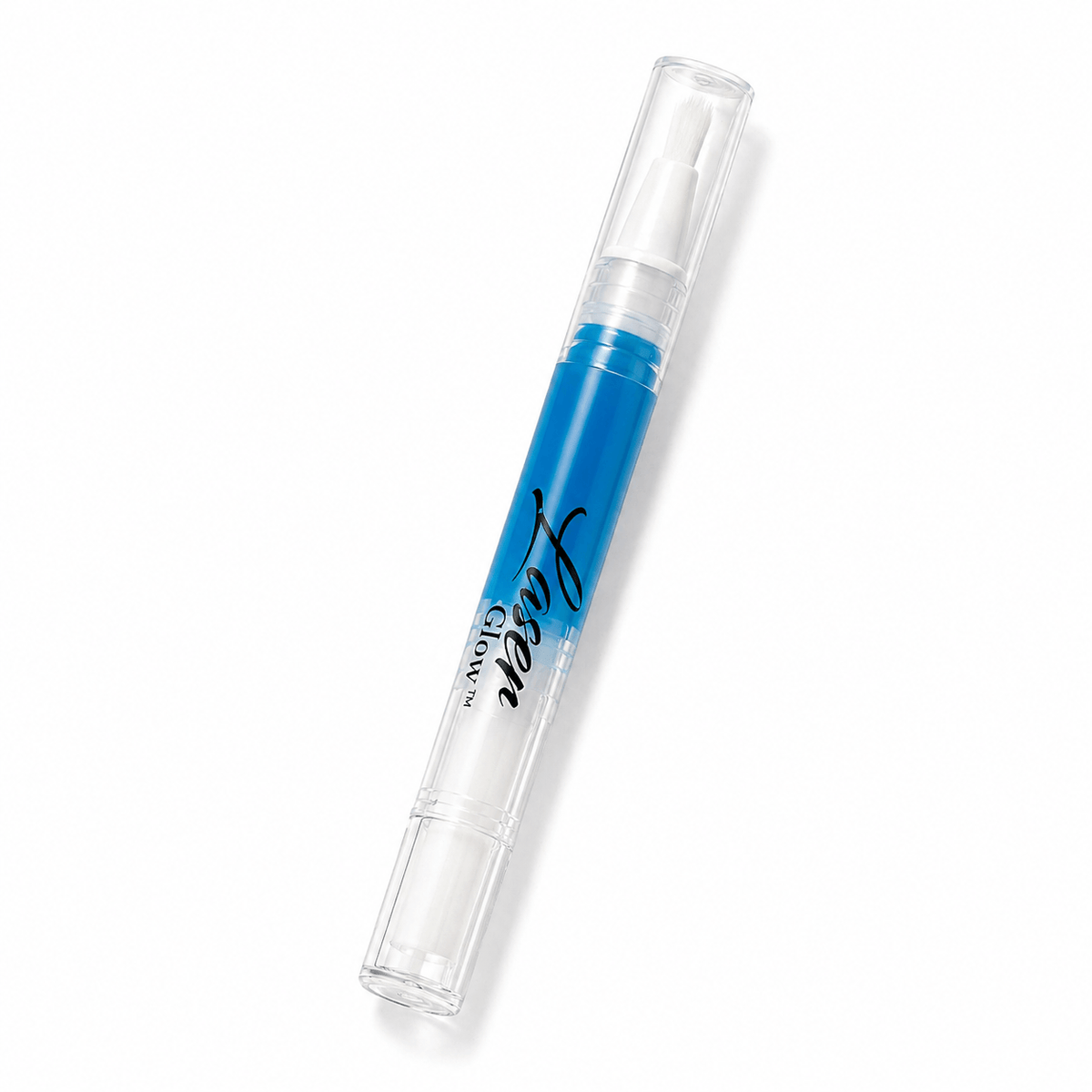
- Use a desensitizing gelA desensitizing gel applied after whitening may help reduce sensitivity. Learn how these products work in desensitizing gel for teeth.
- Avoid temperature extremesFor the first 24–48 hours, skip iced drinks, very hot coffee and breathing cold air through your teeth. Lukewarm water is the easiest choice.
- Go easy on acidCitrus, soda, sports drinks and wine can make sensitive teeth sting more. Rinse with water if you have them.
- Brush softlyUse a soft-bristled toothbrush with light pressure, and avoid whitening or abrasive toothpastes for a few days.
- Pause the whiteningIf you are using an at-home product, take a break until your teeth feel normal. Never add more gel or extend wear time to finish faster.
Medication questions: if you are thinking about taking anything for discomfort, ask your dentist or pharmacist first, especially if you take other medications or are pregnant.
Your first days after whitening also affect your new shade. Pair comfort care with the teeth whitening aftercare guide and the list of what to eat after teeth whitening.
Teeth or gums?
Tooth sensitivity vs. gum irritation after whitening
People often describe both as “sensitivity,” but they have different causes.
In a professional session, a light-cured gingival barrier protects the gums. It does not prevent tooth sensitivity, which is why providers also manage strength and timing. More on isolation in soft-tissue isolation for whitening.
Next time
How to prevent sensitive teeth from whitening
If whitening made your teeth sensitive once, it does not mean you cannot whiten again. It usually means the plan needs adjusting.
- Start a sensitivity toothpaste about two weeks before you whiten, and keep using it through treatment
- Tell your provider about past sensitivity, gum recession, cracks or recent dental work before you begin
- Choose a lower-strength or shorter plan if you have reacted before
- Space sessions out instead of whitening on back-to-back days
- At home, follow the product instructions exactly. More time or more gel mainly adds sensitivity
- Get cavities and cracked teeth treated before whitening
Comparing gentler options before you start? Read teeth whitening for sensitive teeth, which covers peroxide-free and lower-strength choices. For how strength and contact time work, see how long to leave whitening gel on.
Red flags
When sensitivity after whitening needs a dentist
See a dentist if you notice
- Sensitivity that lasts a week or longer
- Severe or throbbing pain, or pain that wakes you at night
- One tooth that hurts much more than the others
- Pain when biting down, or swelling of the gums or face
Why it matters
Whitening can reveal other problems
Ongoing or one-sided pain is usually not whitening sensitivity. A cavity, a cracked tooth or an exposed root may be the real cause, and whitening simply made it noticeable. Have it checked before you whiten again.
For providers: sensitivity screening, consent and documentation are covered in the teeth whitening safety and compliance guide, and unexpected reactions in troubleshooting professional whitening results.
FAQ
Sensitivity after whitening FAQ
Quick answers about sensitive teeth after whitening. Still unsure? Contact our team.
Is it normal for teeth to hurt after whitening?
Yes. Mild, temporary sensitivity is one of the most common side effects of peroxide whitening.
It usually eases within 24–48 hours. Severe pain or sensitivity lasting a week or more should be checked by a dentist.
How long does tooth sensitivity last after teeth whitening?
Most sensitivity peaks in the first day and fades over the next one to two days.
It usually settles within a few days. If it lasts a week or longer, see your dentist.
How do I get rid of sensitive teeth after whitening fast?
Use a sensitivity toothpaste, avoid very hot, cold and acidic food and drink, and pause any at-home whitening.
A desensitizing gel after treatment may also help.
Why are my teeth so sensitive after whitening?
Peroxide passes through enamel into the dentin and temporarily dehydrates the tooth, which makes the nerve more reactive for a short time.
Gum recession, exposed roots, worn enamel and cracks make sensitivity more likely.
Does sensitivity mean whitening damaged my teeth?
Usually not. Whitening sensitivity is typically temporary and reversible.
Read does teeth whitening damage enamel for what the research says.
Can I whiten again if my teeth got sensitive?
Often yes, with an adjusted plan.
Wait until your teeth feel normal, use a sensitivity toothpaste beforehand, and choose a lower-strength or shorter treatment.
Keep whitening comfortable
Calm sensitivity after treatment and plan a gentler approach next time.