Tooth sensitivity can turn everyday moments, like sipping coffee or enjoying ice cream, into quick bursts of discomfort. A desensitizing gel for teeth is designed to calm that reaction, protect exposed sensitive areas, and make daily oral care more comfortable. This guide explains how teeth desensitizing gel works, when to use it, what ingredients to look for, and when sensitivity needs a dentist’s attention.
How does desensitizing gel relieve tooth sensitivity?
When enamel wears down or gums recede, tiny channels in the dentin can become exposed. These channels lead toward the tooth nerve, which is why a simple cold drink can create a sharp, sudden feeling.
Most sensitive teeth treatment gels work in one of two ways. Some formulas help calm nerve response, while others help block or seal exposed tubules so triggers are less likely to reach the nerve. Many products combine both approaches, giving faster comfort while supporting longer-term teeth sensitivity relief.
Common active ingredients include:
Potassium nitrate
Often used to calm nerve activity and reduce the sharp “zing” associated with sensitivity.
Fluoride
Helps strengthen enamel and can support remineralization, especially when sensitivity is linked to enamel wear.
Strontium chloride
Helps reduce sensitivity by blocking exposed dentin tubules.
Arginine + calcium
Supports tubule blocking and can help reinforce the tooth surface.
The everyday benefits of using a tooth sensitivity gel
A tooth sensitivity gel offers targeted relief in a way that feels practical for real life. Instead of waiting for general oral care products to slowly build comfort, a gel for sensitive teeth can be applied directly where you feel the problem most. That makes it especially useful when sensitivity is interfering with eating, drinking, brushing, or other daily activities.
Targeted application: You can place the gel directly on the sensitive tooth or area rather than treating the whole mouth equally.
Convenient at-home care: A dental desensitizer gel can be used as part of your routine without scheduling an appointment for every flare-up.
Support during whitening: Desensitizing gel for teeth whitening can help make cosmetic treatments feel more manageable.
Comfort between dental visits: It can bridge the gap between daily care and professional treatment when symptoms are mild and temporary.
Protection-focused formulas: Ingredients such as fluoride or calcium-supporting compounds may help strengthen vulnerable enamel surfaces.
It is also worth noting that desensitizing gel is different from teeth numbing gel. A numbing gel usually provides temporary surface anesthesia, often for gum discomfort. A tooth sensitivity gel is made to address the sensitivity pathway itself, especially when dentin exposure is involved.
How to use desensitizing gel for teeth?
To use desensitizing gel for teeth, start with clean teeth, apply a thin layer to the sensitive area or into a dental tray, leave it in place for the time directed on the product label, then avoid rinsing, eating, or drinking immediately afterward if the instructions recommend it. The goal is to keep the active ingredients in contact with the tooth surface long enough to work without overusing the product.
Use a soft-bristled toothbrush and avoid scrubbing, which can make sensitivity worse.
Some gels stay in place better when the tooth surface is not overly wet.
More gel does not automatically mean better results. A thin, even layer is usually enough.
Depending on the product, you may apply it with a clean fingertip, cotton swab, toothbrush, pen applicator, or dental tray.
Many products are used for a short contact period, but timing varies by formula.
Give the gel time to work before having acidic drinks, very hot coffee, ice water, or sugary snacks.
If you are using trays, do not overload them. Excess gel can spill onto the gums and feel messy or irritating. If you apply the gel directly, focus on the tooth surface near the sensitive area rather than spreading it throughout the mouth.
Target sensitivity directly
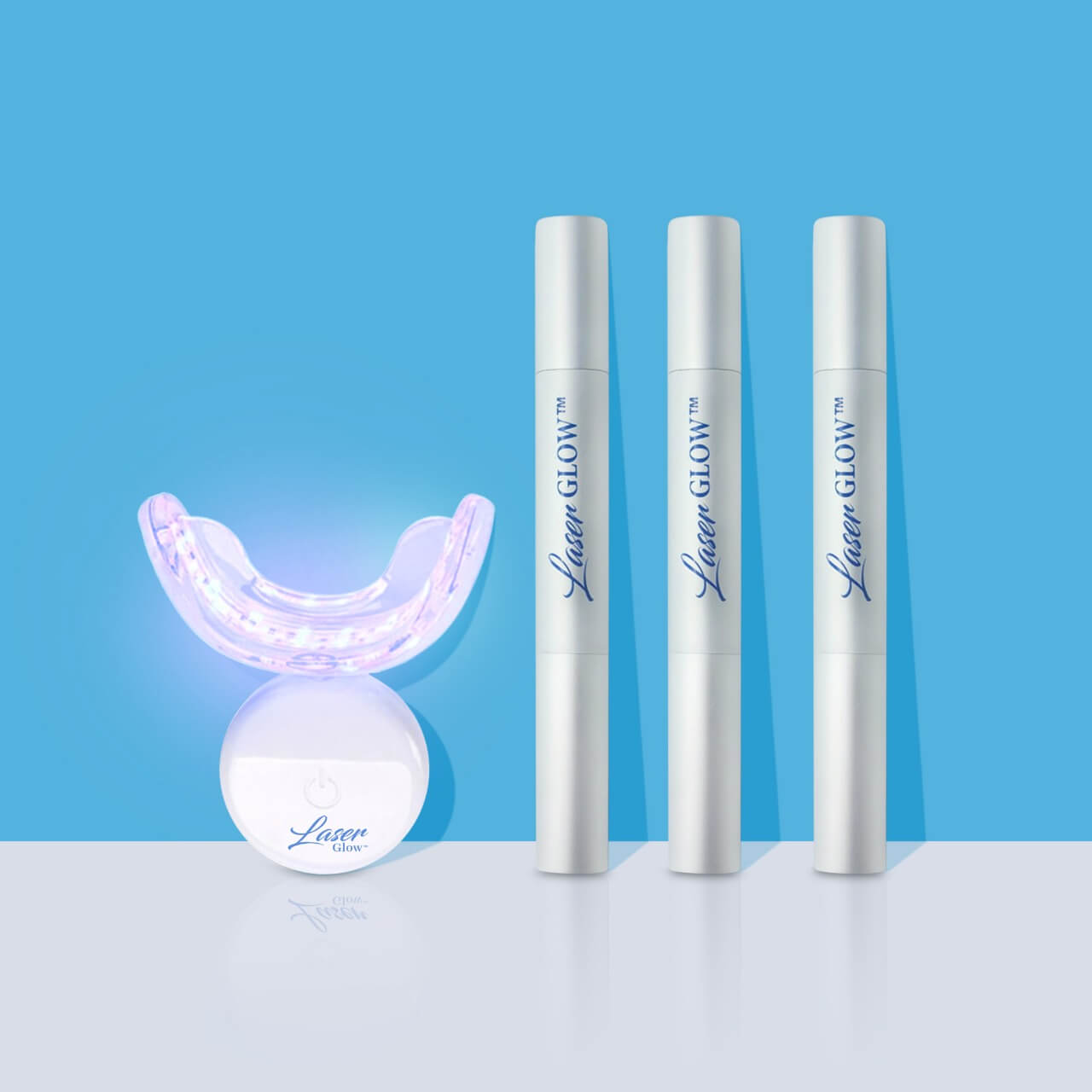
LaserGlow Desensitizing Gel Pen is designed for convenient, targeted application to sensitive areas of the teeth.
Choosing the right gel for your type of sensitivity
The best desensitizing gel for teeth depends on why your teeth are sensitive. Sensitivity related to temporary irritation may respond well to a formula focused on nerve calming, while sensitivity from enamel wear or exposed roots may benefit from ingredients that support tubule blocking and enamel strength. If you are unsure, choose a product made specifically for tooth sensitivity rather than a general oral comfort gel.
You may also see the phrase “desensitising gel teeth” in product descriptions, especially in regions that use British spelling. Whether it is written as desensitizing gel teeth or desensitising gel, the important detail is the active ingredient list and whether the product is designed for dental sensitivity.
Can you use desensitizing gel with teeth whitening?
Yes, desensitizing gel can also support whitening comfort.
Many people use desensitizing gel with teeth whitening because whitening products can temporarily increase sensitivity. A desensitizing gel can help reduce discomfort so the whitening process feels easier to complete.
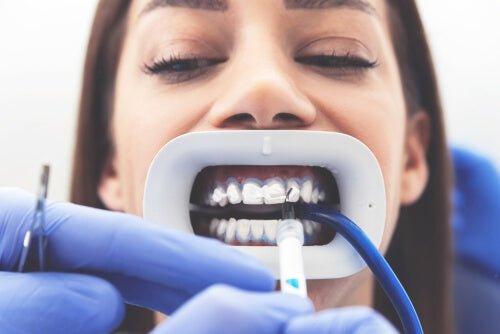
It may be used before whitening, after treatment, or between whitening sessions, depending on the directions for the specific product. Do not mix whitening gel and desensitizing gel in the same tray unless the product instructions specifically say to do so.
Desensitizing gel, toothpaste, and professional care each have a role
Desensitizing toothpaste is useful for daily maintenance because it exposes teeth to sensitivity-supporting ingredients every time you brush. However, toothpaste is spread across the whole mouth and is rinsed or diluted quickly. A desensitizing gel is more concentrated and targeted, making it a helpful choice when you want focused teeth sensitivity relief.
Desensitizing toothpaste
Best suited for daily maintenance and consistent exposure to sensitivity-supporting ingredients.
Desensitizing gel
Provides more targeted application directly to a sensitive tooth or localized area.
Professional dental care
Identifies whether sensitivity is caused by enamel erosion, gum recession, decay, cracks, worn dental work, or another underlying problem.
A practical approach is to use desensitizing toothpaste for daily prevention, tooth sensitivity gel for flare-ups or targeted support, and dental care for persistent or unusual pain. This gives you comfort without guessing about problems that need treatment.
Habits that help desensitizing gel work better
A gel works best when the rest of your routine protects enamel and gums. Sensitivity often gets worse when teeth are exposed to acid, aggressive brushing, or frequent temperature extremes. Small habit changes can reduce flare-ups and make your sensitive teeth treatment more effective.
These habits do not replace a dental desensitizer, but they can reduce the triggers that make sensitivity keep returning.
When tooth sensitivity needs a dentist
Persistent or unusual sensitivity should be evaluated.
Desensitizing gel is helpful for mild, short-term sensitivity, but some symptoms need professional evaluation. See a dentist if pain is constant, affects one specific tooth, worsens over time, or continues despite several weeks of careful at-home care.
You should also get checked if you feel pain when biting, notice swelling, see visible damage, or have bleeding and inflamed gums.
Sensitivity is a symptom, not a diagnosis. A gel for sensitive teeth can make you more comfortable, but it cannot repair decay, a cracked tooth, infection, or failing dental work. Getting the cause identified early can prevent a small issue from becoming a more uncomfortable one.
The takeaway
Desensitizing gel for teeth is a practical, targeted way to manage sensitivity at home, especially when discomfort comes from exposed dentin or occasional flare-ups. The right formula can calm nerve response, help block sensitivity pathways, and support stronger enamel surfaces.
Use it as directed, pair it with gentle daily habits, and involve your dentist when pain is persistent, localized, or unusual.
For targeted at-home application, explore the LaserGlow Desensitizing Gel Pen .