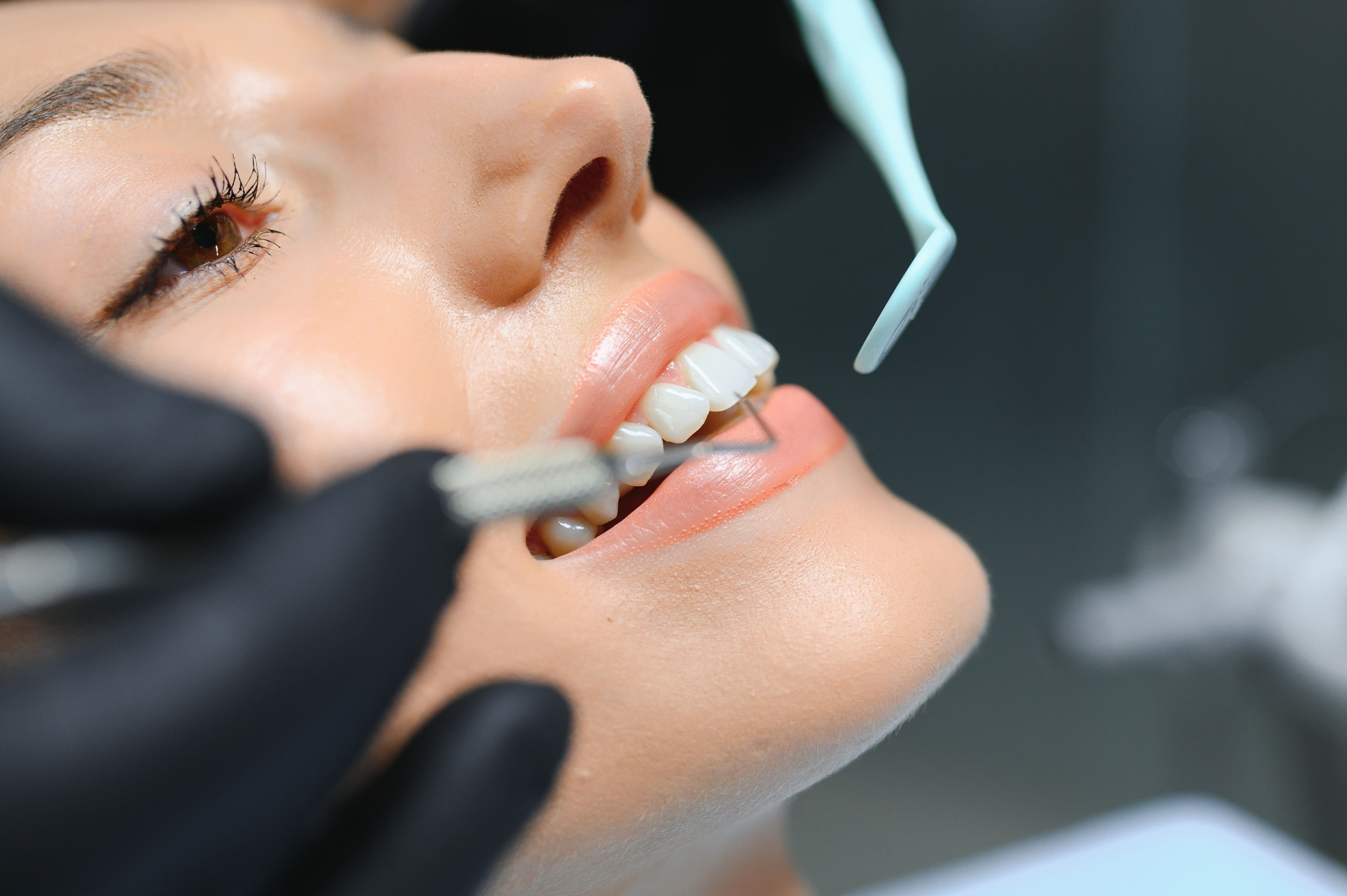
A brighter smile should not come with sharp zings, sore gums, or days of pain. The best whitening for sensitive teeth is usually slow, low strength, and matched to your enamel health, stain level, and pain triggers. With the right product, timing, and patience, teeth whitening for sensitive teeth can be both safe and useful.
What is the safest way to whiten sensitive teeth?
The safest way to whiten sensitive teeth is to start soft, use products as directed, and ask your dentist for help if you have cavities, gum recession, worn enamel, crowns, veneers, or strong sensitivity. Whitening can cause short-term tooth sensitivity and gum pain, especially when peroxide reaches dentin or when gel touches the gums. So the goal is not max strength. It is steady use, real results, and enough rest between rounds for your teeth to calm down. (mouthhealthy.org)
For many people, that means starting with whitening toothpaste for surface stains. Then move to sensitive whitening strips or a low-dose tray system if darker stains remain. If whitening products already make your teeth hurt, dentist-guided care may be the softer choice because the fit, gel amount, and timing can be set for you.
Sensitivity changes the whitening strategy
Sensitive teeth are not too weak for whitening, but they do need a different plan. Whitening ingredients such as hydrogen peroxide and carbamide peroxide can brighten natural teeth, yet they can also cause short-term sensitivity in some people. The risk rises when products are used too much, left on too long, put on unhealthy teeth, or left on the gums. (ada.org)
This is why sensitive teeth whitening works best when comfort is part of the goal. A product that promises fast change may not be the best whitening for sensitive teeth if it leaves you avoiding cold water for days. A slower system that lifts shade over time is often easier to finish, which can make it more useful in real life.
It also helps to know what whitening can and cannot do. Whitening products work on natural teeth, but they do not change the color of crowns, veneers, bonding, or fillings. If you have visible restorations near the front of your smile, talk with a dentist before whitening so your natural teeth do not get much brighter than the work around them. (ada.org)
Gentle whitening options ranked by comfort
There is no single best method for everyone. The right choice depends on how sensitive your teeth are, how dark the stain is, how fast you want results, and whether you are okay with peroxide. These choices generally move from mildest to stronger.
Whitening toothpaste for light surface stains
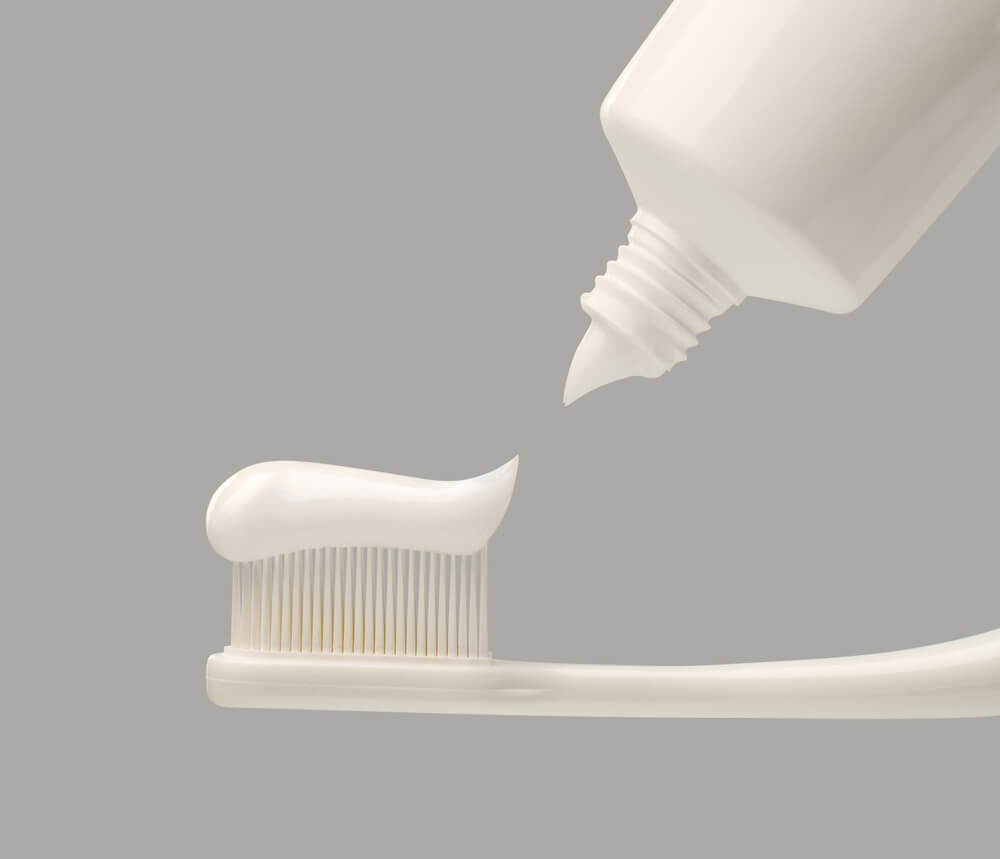
Whitening toothpaste is usually the easiest start for sensitive teeth. It mainly helps remove surface stains from coffee, tea, wine, or tobacco rather than bleach the inner color of the tooth. The ADA notes that whitening toothpastes with the ADA Seal are made for safe stain removal, but unlike bleaching products, they usually do not change the base tooth color. (mouthhealthy.org)
This option is best if your teeth are only a little dull, if you are nervous about strips, or if you want upkeep after another whitening treatment. Look for fluoride, gentle polishing agents, and calming ingredients rather than harsh abrasive formulas.
Sensitive whitening strips for balanced convenience
Whitening strips for sensitive teeth are popular because they are simple, fairly low cost, and easy to fit into a routine. The best whitening strips for sensitive teeth are usually labeled gentle or sensitive, used exactly as directed, and backed by trusted safety standards. The ADA Seal program includes whitening strips, and ADA acceptance means the product has shown it is safe and works when used as directed. (ada.org)
If you are comparing teeth whitening strips for sensitive teeth, focus less on bold ads and more on wear time, ingredient strength, fit, and whether the strips stay on the teeth instead of the gums. Good white strips for sensitive teeth should feel controlled, not burning, pinching, or painful.
Low-dose trays for more control
Tray whitening can help when strips do not cover your smile well or when you want a plan that can be changed. Dentist-made custom trays are especially useful because they fit your teeth, which can cut gel spill onto the gums. The ADA describes dentist-led at-home whitening as an option where a dentist gives a custom tray and instructions for how to use the bleaching gel and for how long. (mouthhealthy.org)
For sensitive teeth, slower is often smarter. Short wear times, rest days, and low-dose gels may feel better than jumping into a harsh kit.
Professional whitening for closer care
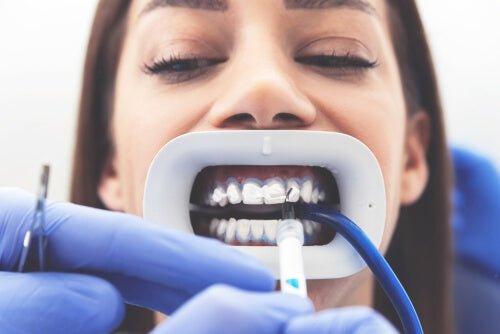
Professional in-office whitening uses stronger products than most over-the-counter options, but it also gives more clinical control. A dental team can protect the gums, watch discomfort, and decide whether calming steps are needed. According to the ADA, chairside bleaching usually involves gum protection before bleach is placed on the teeth. (mouthhealthy.org)
This path may be best if you have stubborn stains, past whitening pain, gum recession, or doubt about whether your teeth are healthy enough to whiten. It may cost more than home products, but it can cut guesswork.
How do you choose the best products for sensitive teeth?
Choose teeth whitening products for sensitive teeth by matching the product strength and format to your pain level, then checking for safety signs such as the ADA Seal, clear directions, and comfort-focused ingredients. The best teeth whitening products for sensitive teeth are not always the strongest. They are the ones you can use often without hurting your teeth or gums.
Use this simple filter before you buy:
- Start with your sensitivity level. If cold drinks already hurt, begin with a sensitivity toothpaste and ask your dentist before bleaching. If sensitivity is mild or comes and goes, a gentle strip or low-contact-time product may be fine.
- Look for lower-strength formulas. Products made for sensitive users often use shorter sessions, lower peroxide, or a slower whitening plan.
- Check the fit. Poorly fitting trays and strips can push whitening gel onto the gums, which raises irritation risk.
- Avoid big promises. Instant or dramatic results may sound nice, but sensitive teeth usually do better with steady progress.
- Follow the directions exactly. More time does not mean better whitening. It often means more irritation.
- Pause if pain appears. Short-term sensitivity can happen, but strong or long pain is a reason to stop and call a dentist.
When people search for the best whitening strips for sensitive teeth, they often want a product that works without that sharp shock feeling. A smart choice is a gentle strip with clear wear times, a record of safety, and real-world expectations. Crest 3D Whitestrips are listed by the ADA as accepted for whitening natural teeth when used according to the maker's instructions, and ADA materials also refer to Gentle or Sensitive versions in the whitening group. (ada.org)
Ingredients that matter for comfort
Ingredient know-how makes shopping much easier. You do not need to be a chemist, but you should know which ingredients whiten, which help calm sensitivity, and which trends need caution.
Hydrogen peroxide is a common bleaching ingredient that works fairly fast. It can be useful, but faster action may not be ideal for people who react strongly to whitening.
Carbamide peroxide breaks down into hydrogen peroxide more slowly, so it is often used in tray-based whitening systems where slower release can support a gentler feel. Both carbamide peroxide and hydrogen peroxide are common whitening agents, and strength, wear time, and application method all affect comfort. (ada.org)
Potassium nitrate is often used in sensitivity toothpastes because it helps calm nerve response over time. If whitening usually bothers you, using a sensitivity toothpaste before and during whitening may make it easier.
Stannous fluoride can help with sensitivity by supporting enamel protection and blocking paths that add to discomfort. It also supports daily cavity protection when used in fluoride toothpaste.
Hydroxyapatite is often used in enamel-support formulas and may suit people who want an enamel-repair routine. It is not a magic shield against whitening pain, but it can be part of a gentle oral care plan.
Be careful with very abrasive or acidic natural whitening ideas. The ADA notes weak proof for many DIY methods and warns about options like charcoal products and acidic home tricks. For sensitive teeth, enamel wear is the last thing you want. (mouthhealthy.org)
A gentle before, during, and after routine
A comfortable whitening result often depends as much on your routine as on the product. If you prepare your teeth, lower irritation during treatment, and protect your enamel after, you give yourself a better chance of finishing the plan without quitting halfway.
Before whitening
Use a sensitivity toothpaste for at least several days before you begin, especially if your teeth react to cold drinks or sweet foods. Brush with a soft-bristled toothbrush and avoid hard scrubbing, because sore gums and worn enamel can make whitening feel worse. If you have tooth pain, bleeding gums, a cracked tooth, or untreated cavities, schedule a dental visit before using any bleaching product.
During whitening
Begin gently. If the directions allow some choice, use the shortest suggested wear time first. Do not stack products, such as using whitening strips, whitening trays, and abrasive whitening toothpaste on the same day. If sensitivity shows up, take a rest day and start again only if your teeth feel normal.
After whitening
For the first day after treatment, avoid habits that make your teeth feel more sensitive, like sipping very cold drinks or eating very acidic foods. Keep brushing softly with fluoride toothpaste. If you drink coffee, tea, or red wine, rinsing with water after can help cut new surface stains without adding another whitening product.
When whitening strips are a smart choice
Whitening strips are a good fit when your teeth are healthy, your sensitivity is mild to moderate, and your staining is spread across the front teeth. They are also handy for busy schedules because most systems are pre-portioned and disposable. For many shoppers, the best teeth whitening strips for sensitive teeth offer a practical middle ground between whitening toothpaste and dentist-guided trays.
But strips are not right for every mouth. They may not reach teeth that are out of line, and they can irritate gums if they fold over the gumline. If you have crowded teeth, exposed roots, or patchy staining, ask about custom trays or professional whitening instead.
Be realistic about results, too. Sensitive formulas may take longer or give a softer change than stronger products. That is not failure; it is the tradeoff that makes them more comfortable.
When to call your dentist first
A dentist visit is wise before whitening if you have ongoing tooth sensitivity, gum recession, enamel wear, cavities, cracked teeth, or dental work in your smile line. Whitening over an untreated problem can make discomfort worse and may delay proper care. The ADA recommends talking with your dentist when you are considering whitening options, especially because products and in-office care vary in strength and use. (mouthhealthy.org)
Parents should be extra careful with whitening for children and teens. Cosmetic whitening is usually not something to rush while teeth and dental growth are still changing, and a pediatric dentist can give age-based guidance.
The practical takeaway
The best whitening for sensitive teeth is gentle, steady, and matched to your mouth. Start with stain-control habits and sensitivity-friendly toothpaste, then consider sensitive whitening strips, low-dose trays, or professional care based on your goals. If you want the best teeth whitening for sensitive teeth, choose comfort over speed, follow directions closely, and stop if pain feels sharp, strong, or lasting.
A brighter smile is possible without treating sensitivity as the price you must pay. With the right plan, you can whiten slowly, protect your gums, and feel confident each time you smile.