Professional Teeth Whitening Session Timing Guide
A provider-focused framework for treatment cycles, exposure decisions, reassessment and stop conditions—without treating one timing schedule as universal.
Contact time must follow the product instructions and the provider’s approved protocol. It varies with formulation, peroxide concentration, delivery system, tissue isolation, client response and whether the gel is refreshed between cycles. Leaving gel on longer does not automatically produce a better result.
What Determines Professional Whitening Time?
- Product instructions: The labeled cycle duration and maximum exposure take priority.
- Active ingredient and concentration: Hydrogen peroxide, carbamide peroxide and PAP-based formulas do not share the same release profile.
- Application format: Single-syringe and dual-barrel gels may have different activation and working characteristics.
- Client screening: Existing sensitivity, enamel condition, restorations and treatment history influence the protocol.
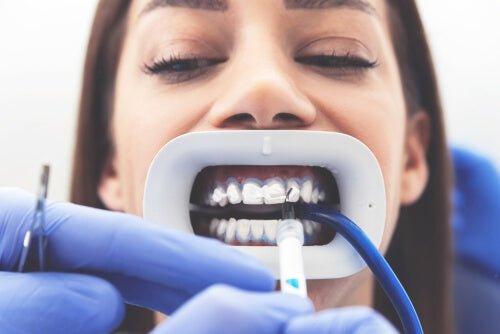
- Isolation quality: Higher-strength chairside gels require complete soft-tissue protection before timing begins.
- Response during treatment: Providers should reassess comfort and tissue condition between cycles rather than running a timer without observation.
Do not invent timing from concentration alone. Two products labeled with the same percentage can have different pH, stabilizers and manufacturer instructions.
Professional Timing Framework
| Protocol stage | Provider action | Timing principle |
|---|---|---|
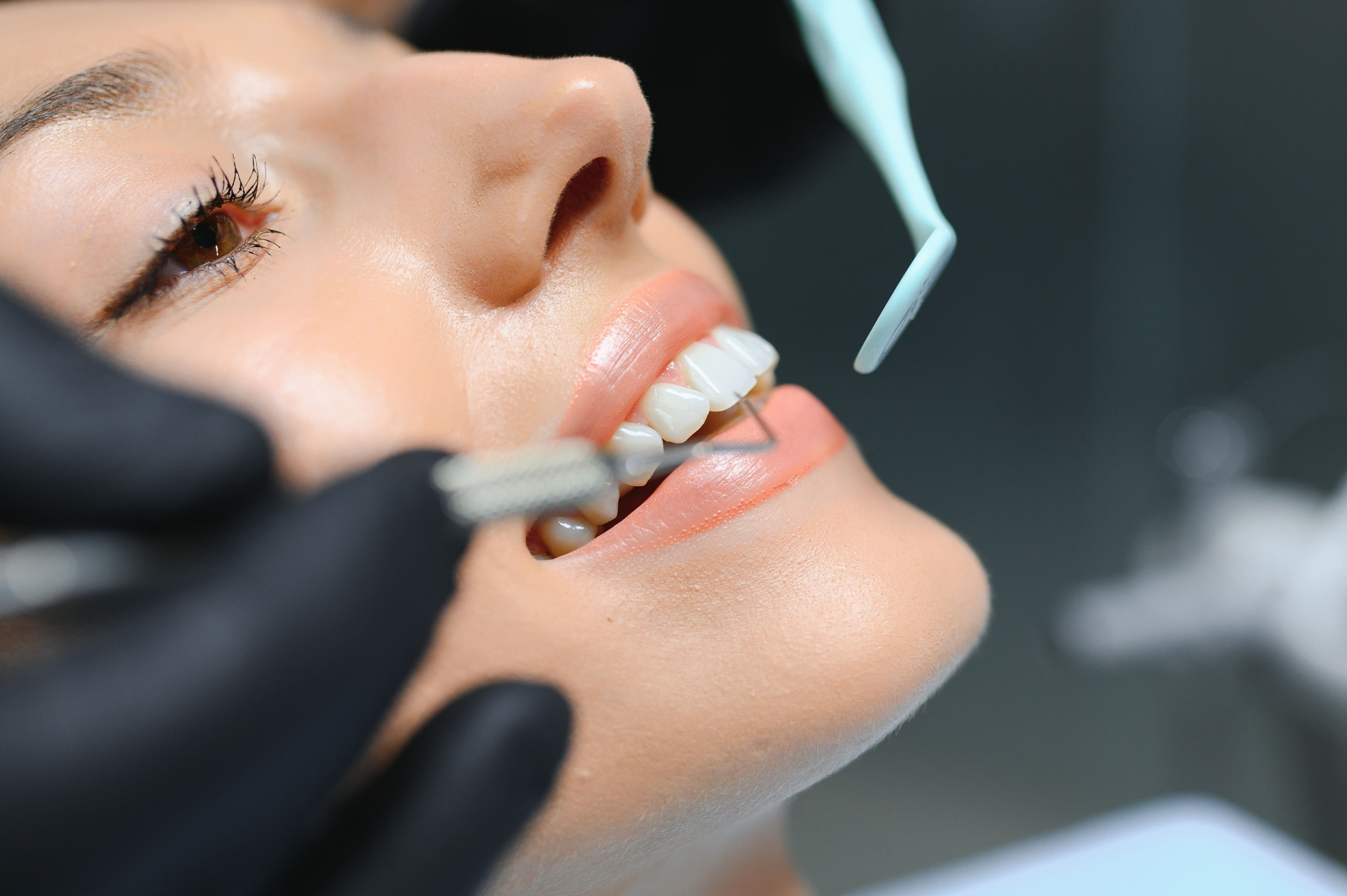
| Before application | Screen the client, record shade and complete soft-tissue isolation. | Do not begin gel contact time until isolation is complete and inspected. |
| First cycle | Apply the labeled amount evenly and start the product-directed cycle. | Use the manufacturer’s cycle length—not a generic internet timer. |
| Between cycles | Remove or refresh gel as directed; inspect gums and ask about sensitivity. | Reassessment determines whether another cycle is appropriate. |
| Final cycle | Stop at the protocol limit or earlier if the client or tissue response requires it. | More exposure is not justified merely because the target shade has not been reached. |
| After treatment | Remove gel and barrier fully, record final shade and provide aftercare. | Document the actual product, cycles and response for future visits. |
Does Leaving Whitening Gel on Longer Work Better?
Not reliably. Whitening activity slows as peroxide is consumed, while extended exposure can increase sensitivity and soft-tissue risk. A plateau in shade change is not a reason to exceed product directions. The better response is to reassess stain type, gel freshness, isolation, application consistency and whether a staged treatment plan is more appropriate.
For the focused explanation, read Does Leaving Professional Whitening Gel on Longer Work Better?
When Should a Professional Whitening Cycle Stop?
How Providers Create Consistent Sessions
- Record product name, lot, concentration and expiration date.
- Document starting shade, screening findings and isolation method.
- Use a visible cycle timer tied to the specific product protocol.
- Record every cycle, refresh and client response.
- Store remaining gel according to the professional gel storage guide.
Providers choosing a concentration should also use the professional gel strength guide. Strength selection and contact time are connected decisions, but they are not interchangeable.
Professional Whitening Timing FAQ
How long should professional whitening gel stay on teeth?
Use the contact time and cycle limit supplied for the specific product. There is no universal duration that applies to every concentration or formulation.
Does stronger whitening gel always need less time?
Not necessarily. Concentration is only one factor; formulation, pH, delivery system and manufacturer protocol also affect contact time.
Can a provider add another cycle if results are weak?
Only when another cycle is permitted by the product instructions and the client and tissue response remain appropriate. Do not exceed the maximum protocol to chase a target shade.
Should gel be refreshed between professional whitening cycles?
Follow the product instructions. Some systems direct removal and fresh application between cycles, while others use a different workflow.
Does an LED whitening light determine gel contact time?
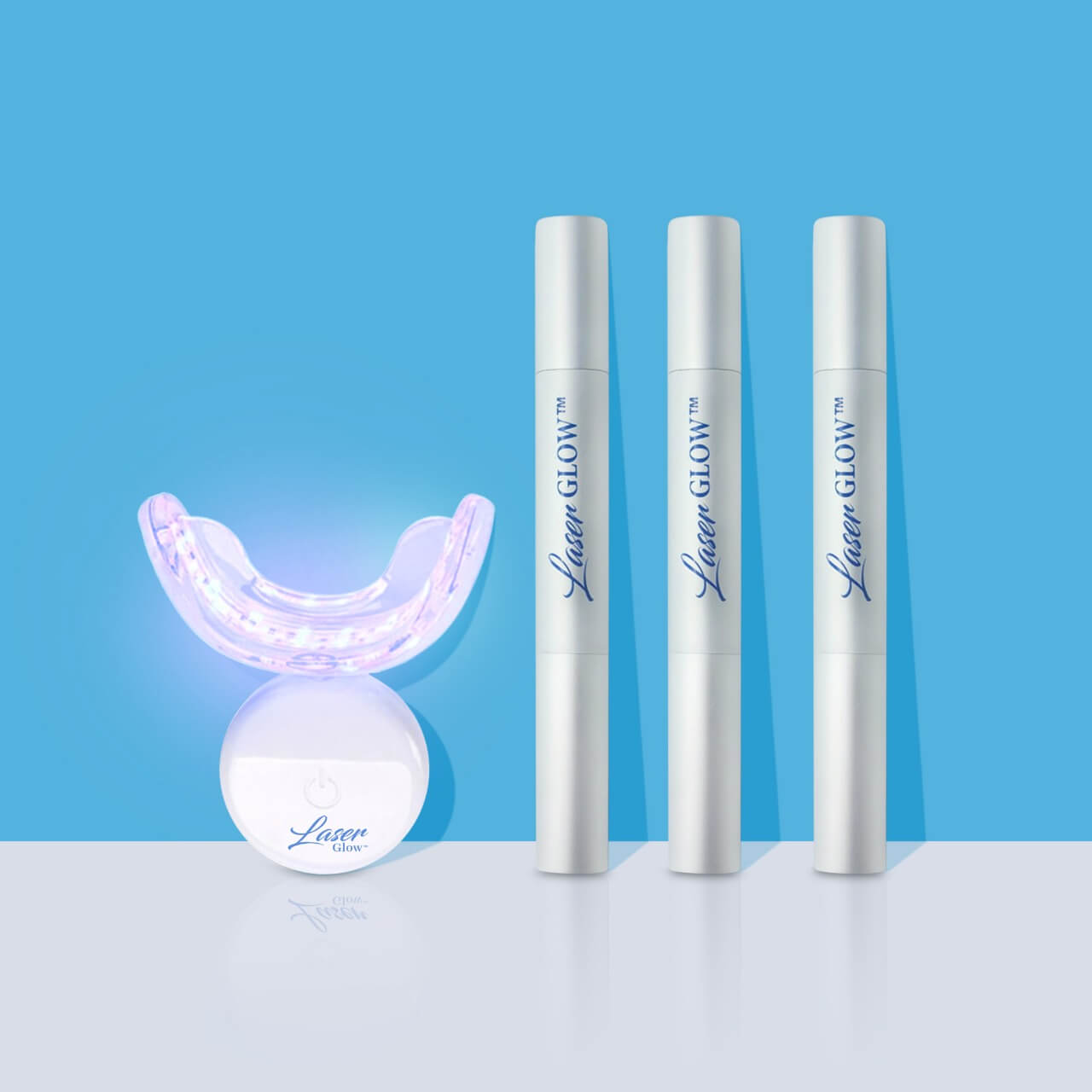
No. The gel manufacturer’s protocol determines timing. A light should be used only with a compatible formulation and does not justify extending exposure.