Does Leaving Professional Whitening Gel on Longer Work Better?
Leaving professional whitening gel on longer does not automatically make teeth whiter. Whitening results depend on peroxide concentration, formula design, contact time, isolation, soft tissue protection, stain type, and the protocol being used. After a gel has been used according to its intended chairside instructions, adding extra time can increase sensitivity or gum irritation without guaranteeing better results.
This is one of the most common questions in professional teeth whitening, and it matters because many providers assume more time equals more whitening. In reality, effective whitening is about controlled application, the correct peroxide strength, proper isolation, and a repeatable session design. More time without a plan is not a protocol. It is just drift wearing a lab coat.
Better whitening usually comes from the right gel strength, the right protocol, proper soft tissue isolation, and consistent application, not from simply extending contact time.
Why Whitening Results Are Not Just About Time
Professional teeth whitening is influenced by multiple variables at once. The amount of discoloration, peroxide concentration, gel formula, enamel surface condition, isolation, and whether the appointment is a first-time whitening or a maintenance touch-up all affect the final result.
That is why chairside whitening should be guided by a system, not by the vague idea that leaving gel on longer must help. Treatment timing matters, but it only works when paired with the correct gel strength, application thickness, soft tissue protection, and client case selection.
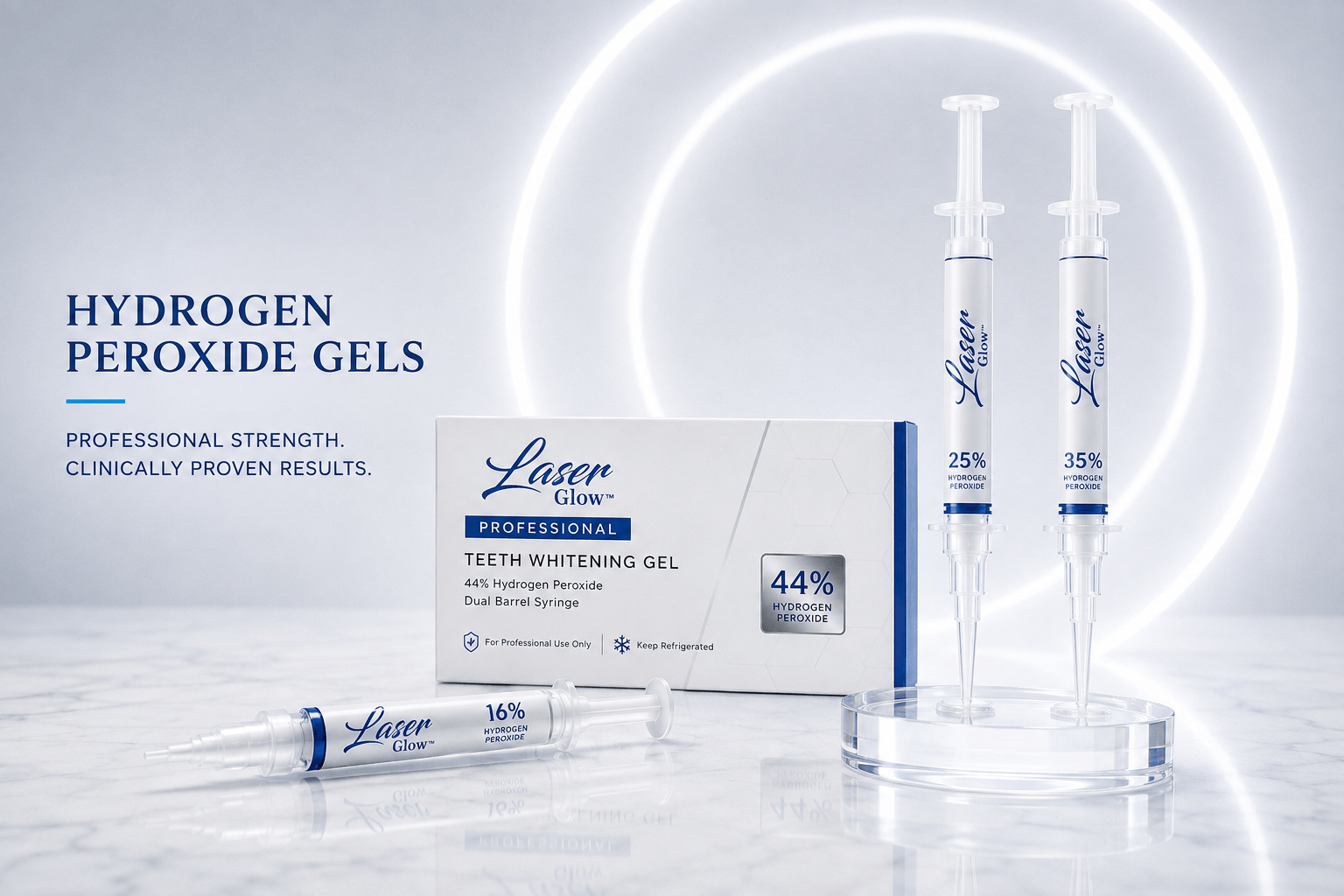
LaserGlow offers multiple professional hydrogen peroxide whitening options including 16% hydrogen peroxide gel, 25% hydrogen peroxide gel, 35% hydrogen peroxide gel, and 44% hydrogen peroxide whitening gel. Choosing the right strength for the case usually matters more than extending treatment blindly.
What Actually Improves Chairside Whitening Performance?
Strong whitening results come from a controlled treatment system. Providers should focus on formula selection, application consistency, isolation, session design, and proper aftercare instead of assuming that longer contact time is always better.
- Choosing the correct professional whitening gel strength for the stain level and treatment goal
- Using controlled application instead of overloading the teeth with product
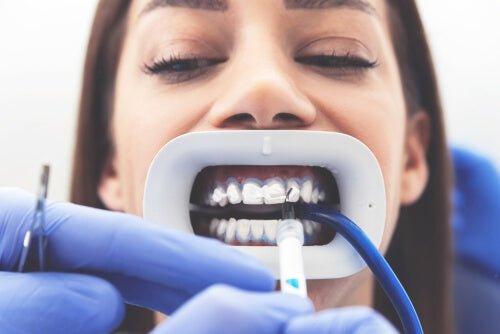
- Maintaining proper isolation and soft tissue protection throughout the appointment
- Following a repeatable chairside whitening protocol instead of improvising timing
- Documenting client sensitivity, stain type, shade goals, and prior whitening history
- Training providers to use consistent application thickness and session timing
When Longer Whitening Gel Contact Time Can Backfire
Overextending whitening gel contact time can increase the chance of sensitivity, soft tissue irritation, and inconsistent outcomes. More time may also dry the gel, reduce comfort, or distract from the real issue: poor isolation, wrong case selection, or the wrong peroxide strength for the client.
If a client is not responding well, the solution is not always “leave it on longer.” The better move is to review the case: Is the discoloration extrinsic or intrinsic? Is the client using stain-causing products daily? Is the gel strength appropriate? Was the soft tissue properly protected? Was the treatment applied evenly?
Extra time should never be used as a substitute for proper gel selection, isolation, soft tissue protection, and protocol control. Teeth whitening is a treatment system, not a kitchen timer challenge.
Professional Whitening Gel Timing: What Providers Should Consider
The right whitening session length depends on the product instructions, peroxide strength, client sensitivity, stain level, and whether the service is an express session, full chairside treatment, or maintenance appointment.
| Factor | Why It Matters | Provider Focus |
|---|---|---|
| Peroxide strength | Higher concentrations may require more controlled timing and stronger isolation | Follow the intended professional protocol |
| Client sensitivity | Longer sessions may increase discomfort for sensitive clients | Choose the correct strength and monitor response |
| Stain type | Some stains respond better than others to peroxide whitening | Set realistic expectations before treatment |
| Isolation quality | Poor isolation increases risk of gum irritation | Use proper gingival barrier and soft tissue protocols |
| Session design | Express, standard, and advanced treatments should not all follow the same timing | Match timing to the service type |
Why Overextending Whitening Time Can Increase Sensitivity
Sensitivity can happen during or after whitening because peroxide moves through enamel and dentin during treatment. Extending contact time beyond the intended protocol may increase exposure without delivering a proportional whitening benefit. That is the kind of tradeoff nobody asked for, yet here we are.
Providers should also avoid assuming every client can tolerate the same timing. Clients with existing sensitivity, gum recession, exposed dentin, cracks, or recent dental work may need a more conservative approach or a lower-strength whitening option.
What Providers Should Focus on Instead of Extra Time
Instead of asking how long you can keep professional whitening gel on the teeth, a better question is whether the treatment design fits the client. Resistant stains, deep discoloration, first-time whitening, and maintenance appointments are not identical.
A better whitening protocol usually focuses on:
- Choosing the right gel strength for the client
- Using proper soft tissue isolation and gingival barrier where needed
- Applying the gel evenly without overloading
- Using a repeatable appointment structure
- Documenting results and sensitivity after each session
- Recommending maintenance products when appropriate
If you need a cleaner system for clinical whitening flow, review LaserGlow’s isolation and soft tissue protocol page and the Professional Teeth Whitening Resource Center. Those pages support a more controlled approach than just adding time and hoping chemistry feels generous today.
How to Choose the Right Gel Instead of Extending Treatment Time
Professional whitening providers should choose gel strength based on client needs, comfort level, treatment goal, and service type. A mild or moderate gel may be better for sensitivity-conscious clients, while a stronger gel may be reserved for controlled chairside protocols with proper gingival protection.
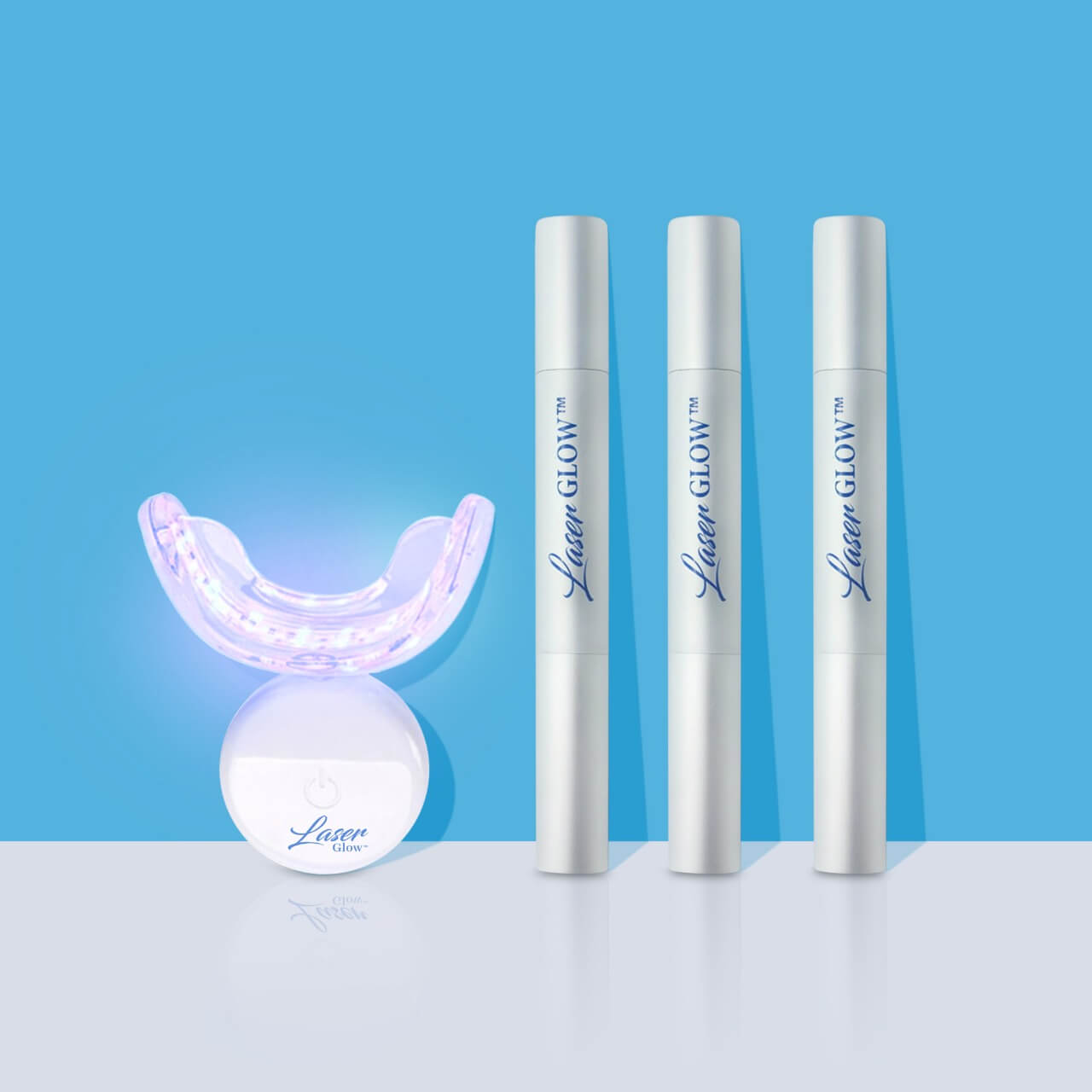
Providers building a more complete system should also look at the Professional Teeth Whitening Starter Kit, the guide on professional hydrogen peroxide whitening gels, and the online teeth whitening course.
Shop professional whitening gels and use a consistent treatment system built around control, soft tissue protection, and repeatable results.
Professional Whitening Gel Timing FAQ
Does leaving professional whitening gel on longer make teeth whiter?
Not automatically. Whitening performance depends on peroxide concentration, formula, case selection, isolation, application quality, and the intended protocol. Extra time can increase sensitivity or irritation without guaranteeing better whitening.
Can longer whitening sessions increase sensitivity?
Yes. Overextending whitening gel contact time may increase tooth sensitivity or gum irritation, especially for clients with existing sensitivity, gum recession, exposed dentin, or poor isolation.
What matters more than extra whitening time?
Gel strength, treatment planning, soft tissue protection, proper isolation, even gel application, client case selection, and consistent chairside protocol matter more than simply extending the session.
Should professional whitening timing be standardized?
Yes. A repeatable professional whitening protocol helps improve consistency, manage client comfort, protect soft tissue, document results, and control product use.
Can I leave 35% or 44% hydrogen peroxide gel on longer for stronger results?
High-strength hydrogen peroxide gels should be used according to their intended professional protocol. Extending contact time without proper case selection and soft tissue protection can increase sensitivity or irritation.
Where can I learn more about professional whitening protocols?
LaserGlow’s Professional Teeth Whitening Resource Center, hydrogen peroxide gel guide, isolation protocol page, and online whitening course are good starting points for building a more controlled whitening system.