Your teeth whitening cost per client is the complete cost of delivering one appointment—not just the amount of gel used. This guide provides a repeatable calculation for direct supplies, labor, payment fees, allocated overhead, and service pricing.
How Do You Calculate Teeth Whitening Cost Per Client?
Direct supply cost is only the starting point. A service can appear profitable when gel and disposables are counted while losing margin after provider time, rent, equipment, card fees, laundry or cleaning, software, and follow-up are included.
What Goes Into the Calculation?
| Cost category | Calculation | Examples |
|---|---|---|
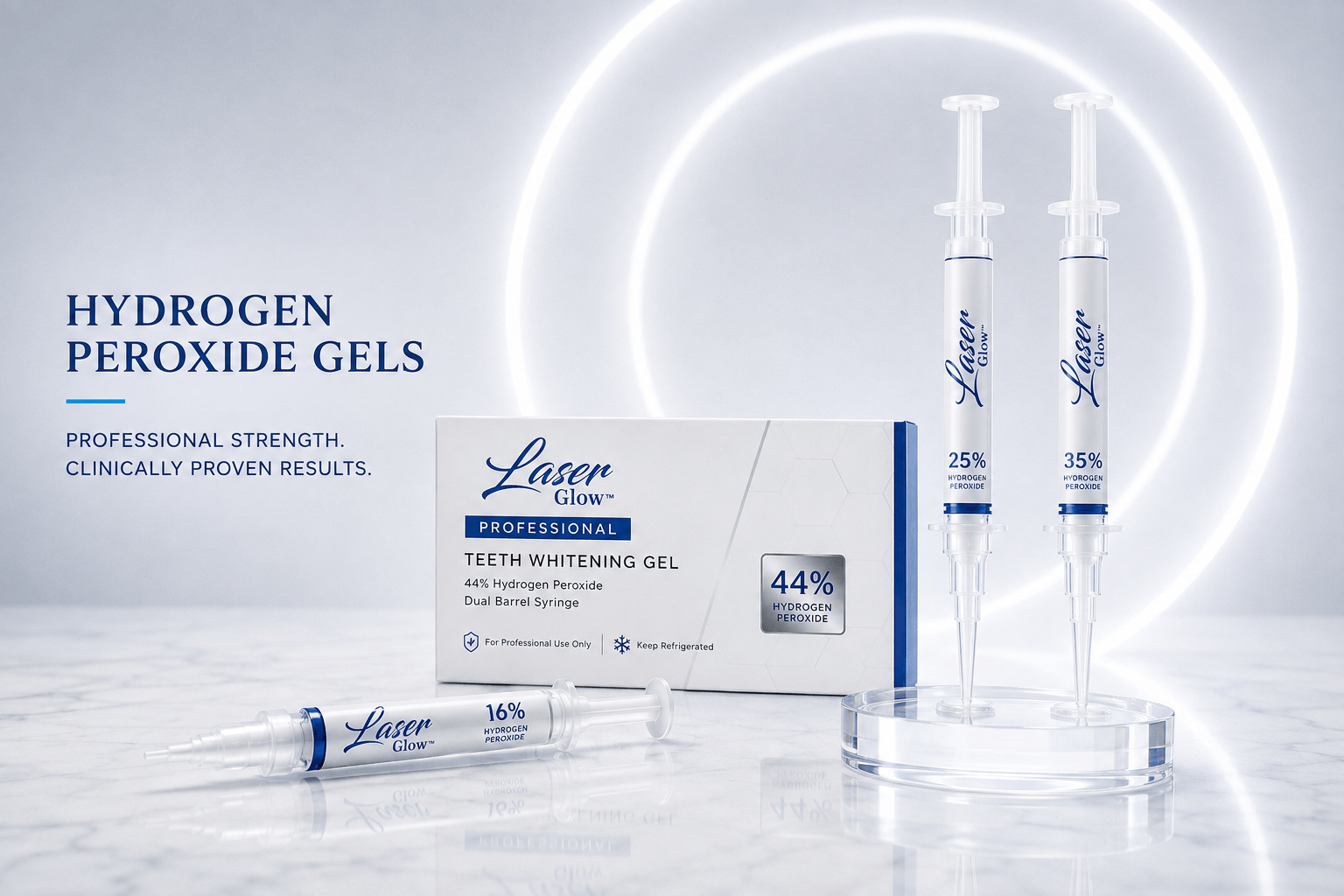
| Whitening formula | Package cost ÷ controlled number of client applications | Gel, mixing-tip purge, single-use tray, or other formula delivery. |
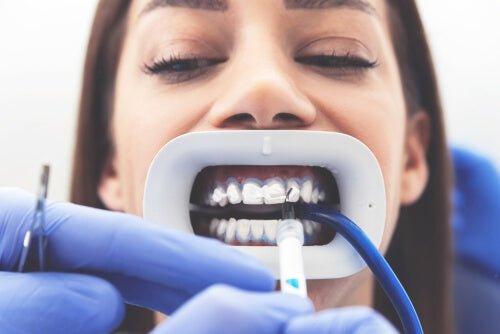
| Protection and application | Cost of items used for one appointment | Barrier, retractors, tips, applicators, cotton, gauze, bibs, and gloves. |
| Aftercare | Product and printed-material cost per client | Comfort or maintenance items and written guidance where appropriate. |
| Labor | Total appointment and turnover time × loaded hourly labor rate | Preparation, client communication, service, cleaning, notes, and follow-up. |
| Payment expense | Processor percentage and fixed transaction charge | Card, booking platform, financing, marketplace, or refund fees. |
| Allocated overhead | Relevant monthly overhead ÷ realistic monthly appointments | Rent, utilities, insurance, software, marketing, equipment depreciation, and maintenance. |
Use current wholesale whitening gel pricing as a starting point for product costs, then calculate from the quantities you actually order and include shipping, applicable taxes, and product waste.
Worked Cost-Per-Client Example
The example below is hypothetical. Replace every figure with your own invoices, observed product yield, labor rate, and appointment volume.
| Example item | Hypothetical amount |
|---|---|
| Gel allocation | $12 |
| Barrier, tips, applicators, and disposables | $8 |
| Aftercare materials | $2 |
| Provider labor and turnover | $45 |
| Allocated overhead | $20 |
| Payment fee estimate | $5 |
| Illustrative true cost | $92 |
How Gel Yield Changes Cost Per Appointment
Small changes in controlled product use can materially affect the cost per client. Record actual applications per package rather than relying on memory or a theoretical maximum. Include unavoidable purge, training use, damaged packaging, and product discarded under storage or expiry rules.
Use the detailed whitening syringe yield guide to build the gel portion of the calculation.
How to Turn Cost Into a Service Price
- Calculate true cost per client. Include direct and indirect delivery costs.
- Add the required operating profit. Revenue above direct supplies is not automatically profit.
- Check local market context. Compare appointment length, setting, provider type, inclusions, experience, and positioning—not price alone.
- Confirm claims and offer clarity. Explain what is included without guaranteeing results or comfort.
- Review quarterly. Update inputs when product, labor, rent, software, payment, or advertising costs change.
One clear price may simplify buying decisions when the service and time are consistent.
Only use tiers when there is a meaningful, explainable difference in time, inclusions, protocol, or follow-up—not confusing product jargon.
Common Margin Mistakes
- Counting only gel and disposable supplies.
- Using theoretical syringe yield instead of measured controlled usage.
- Ignoring preparation, cleanup, documentation, and follow-up time.
- Discounting packages without recalculating the total cost of every included appointment.
- Failing to allocate equipment maintenance, payment fees, refunds, and marketing.
- Copying another provider’s price despite different rent, labor, setting, service, and demand.
For launch-level costs, use the separate startup-cost budget guide.
Teeth Whitening Cost and Pricing FAQs
What is a realistic teeth whitening cost per client?
It depends on formula cost and yield, protection, disposables, labor, payment fees, overhead, and appointment volume. Calculate from your own invoices and workflow rather than using a universal estimate.
Is gel the largest cost per appointment?
Not necessarily. Provider time, workspace, client acquisition, and allocated overhead can exceed direct product cost.
Should equipment be included in cost per client?
Yes. Allocate equipment purchase, useful life, maintenance, repairs, and replacement across a realistic number of appointments.
How often should service pricing be reviewed?
Review the calculation at least quarterly and whenever supplier prices, wages, rent, fees, advertising, service time, or appointment volume changes materially.
How do discounts affect margin?
A discount reduces contribution per service while most delivery costs remain. Recalculate the complete package before offering memberships, bundles, promotions, or referral pricing.