Professional Whitening Safety & Compliance Guide
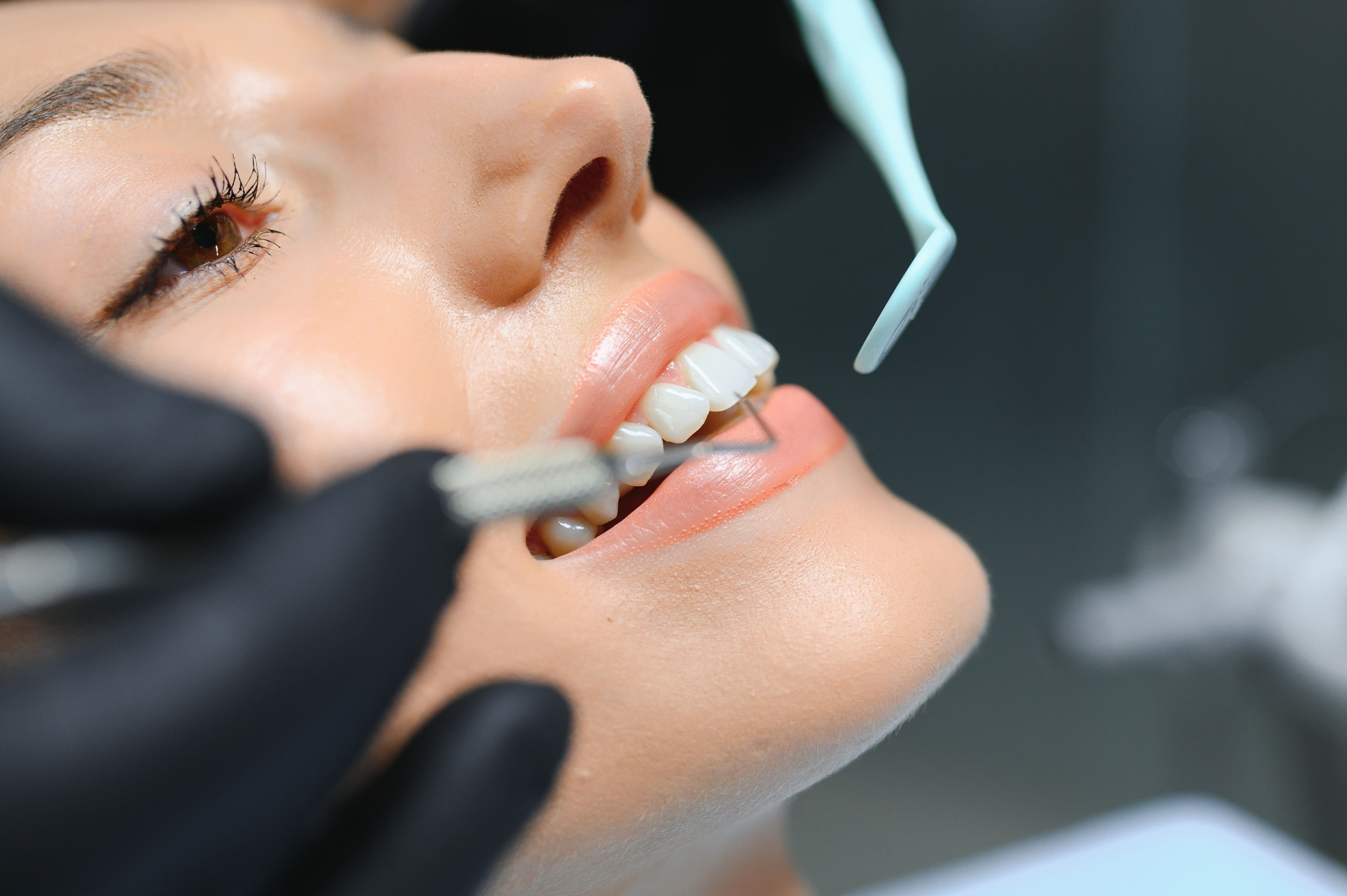
A professional whitening service is only as safe as its screening process, isolation protocol, and provider training. This guide covers the complete safety framework for dentists, dental hygienists, med spas, salons, and whitening technicians using professional HP gels.
Who Can and Cannot Receive Professional Whitening
Client screening before every whitening session is not optional. It determines whether whitening is safe for the individual, which gel strength is appropriate, and what results are realistically achievable. Skipping screening is both a safety issue and a client satisfaction issue.
✓ Appropriate candidates
- Adults 18+ with healthy, intact enamel
- Clients with extrinsic staining from food, drinks, or tobacco
- Clients who have had dental cleanings within 6 months
- Clients who have been evaluated for active decay and are clear
- Clients with restorations away from the treatment zone
- Non-pregnant adults with no active sensitivity episodes
✕ Contraindications — do not proceed
- Active tooth decay in or adjacent to treatment zone
- Active gum disease or significant gingival inflammation
- Pregnancy — defer until after delivery
- Exposed dentin or significant enamel erosion in treatment zone
- Open or healing oral lesions, canker sores, or wounds
- Known allergy or sensitivity to hydrogen peroxide
- Recent dental work (extractions, crown placements) not fully healed
- Clients under 18 — requires parental consent and provider judgment
Professional Whitening Pre-Treatment Checklist
Managing Whitening Sensitivity
Whitening sensitivity is the most common client complaint during and after professional HP treatment. It ranges from mild temperature sensitivity to acute sharp pain. Prevention and management are both part of professional protocol — not afterthoughts.
Prevention
- Match gel strength to the case — using 44% HP on a sensitivity-prone client is a protocol error, not bold treatment
- Screen for pre-existing sensitivity before starting — ask about prior whitening sensitivity, dental sensitivity to cold, and gum recession
- Pre-treat with desensitizing gel for known sensitivity-prone clients before applying HP gel
- Don't extend session times beyond indicated protocol in hope of better results — longer contact at high concentration increases sensitivity without proportionally improving whitening
Post-treatment management
- Apply desensitizing remineralizing gel after every whitening session as standard protocol — not just for clients who report sensitivity during treatment
- Advise on OTC pain management if sensitivity is expected to persist
- Recommend soft foods and avoiding temperature extremes for 24–48 hours post-treatment
- Document sensitivity levels — if a client has significant sensitivity at 25% HP, don't step up to 35% at the next visit without addressing the sensitivity profile first
Safety Requirements by HP Gel Strength
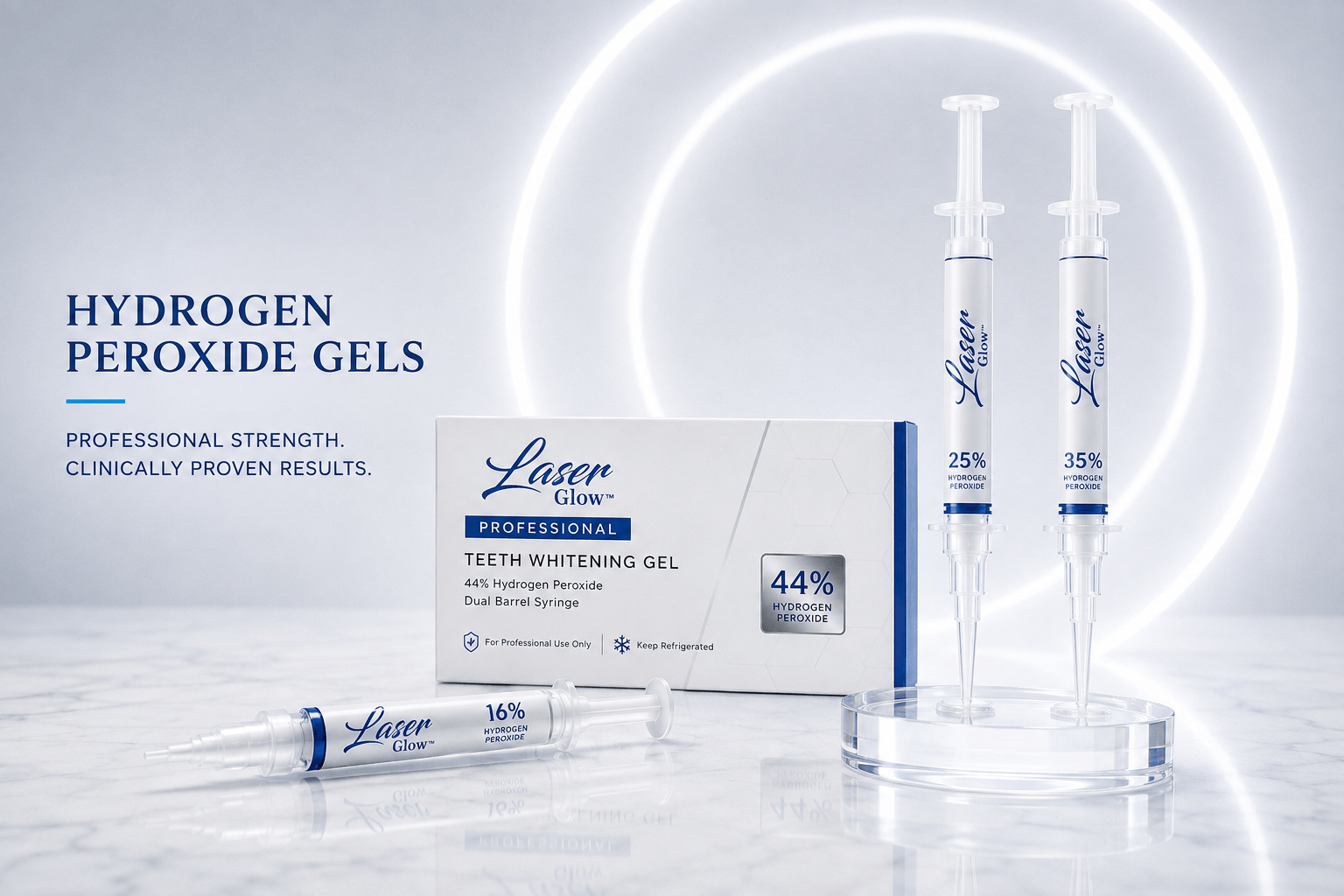
- 16% HP: Lowest sensitivity profile. Gingival barrier recommended. Appropriate for first-time clients and maintenance. Provider training required.
- 25% HP: Moderate sensitivity profile. Gingival barrier strongly recommended. Standard chairside concentration for most providers. Pre-screening required.
- 35% HP: Higher sensitivity. Gingival barrier required. Not for sensitivity-prone clients without prior desensitization. Provider experience needed.
- 36% HP Dual-Barrel: Same safety requirements as 35% HP. Full barrier required. Advanced providers and clinical settings preferred.
- 44% HP Dual-Barrel: Highest sensitivity. Full gingival barrier required. Strict client screening. Experienced providers in controlled clinical environments.
Professional Whitening Safety FAQ
Who should not receive professional teeth whitening?
Professional whitening should be deferred or avoided for: pregnant clients; clients with active tooth decay; clients with active gum disease or significant gingival inflammation; clients with open oral lesions or wounds; clients with significant exposed dentin in the treatment zone; clients with known allergy to hydrogen peroxide. These are contraindications, not preferences — they exist because whitening in these situations poses a real risk of harm.
Is professional teeth whitening safe for clients with crowns or veneers?
Clients with crowns or veneers can safely receive professional whitening — HP gel does not damage restorative materials. The safety consideration is expectation management: HP only whitens natural enamel and dentin, not restorations. If the client's natural teeth lighten while adjacent crowns or veneers stay the same shade, a visible mismatch results. This must be disclosed and documented before treatment.
Can I whiten teeth with active sensitivity?
Clients with existing tooth sensitivity can receive whitening with appropriate precautions: selecting a lower concentration gel (16% HP is the best starting point for sensitive clients), pre-treating with desensitizing gel, using shorter session times, and having desensitizing gel ready for immediate post-treatment application. Significant active sensitivity from exposed dentin or gum recession warrants more conservative case selection or deferral until sensitivity is addressed.
Do I need client consent documentation for professional whitening?
Yes. A signed informed consent document before every professional whitening service is professional standard. Consent should cover: what the procedure involves, expected outcomes, limitations (restorations, intrinsic staining), sensitivity risks, aftercare requirements, and what the client should do if they experience post-treatment complications. Consent documentation protects both the client and the provider.