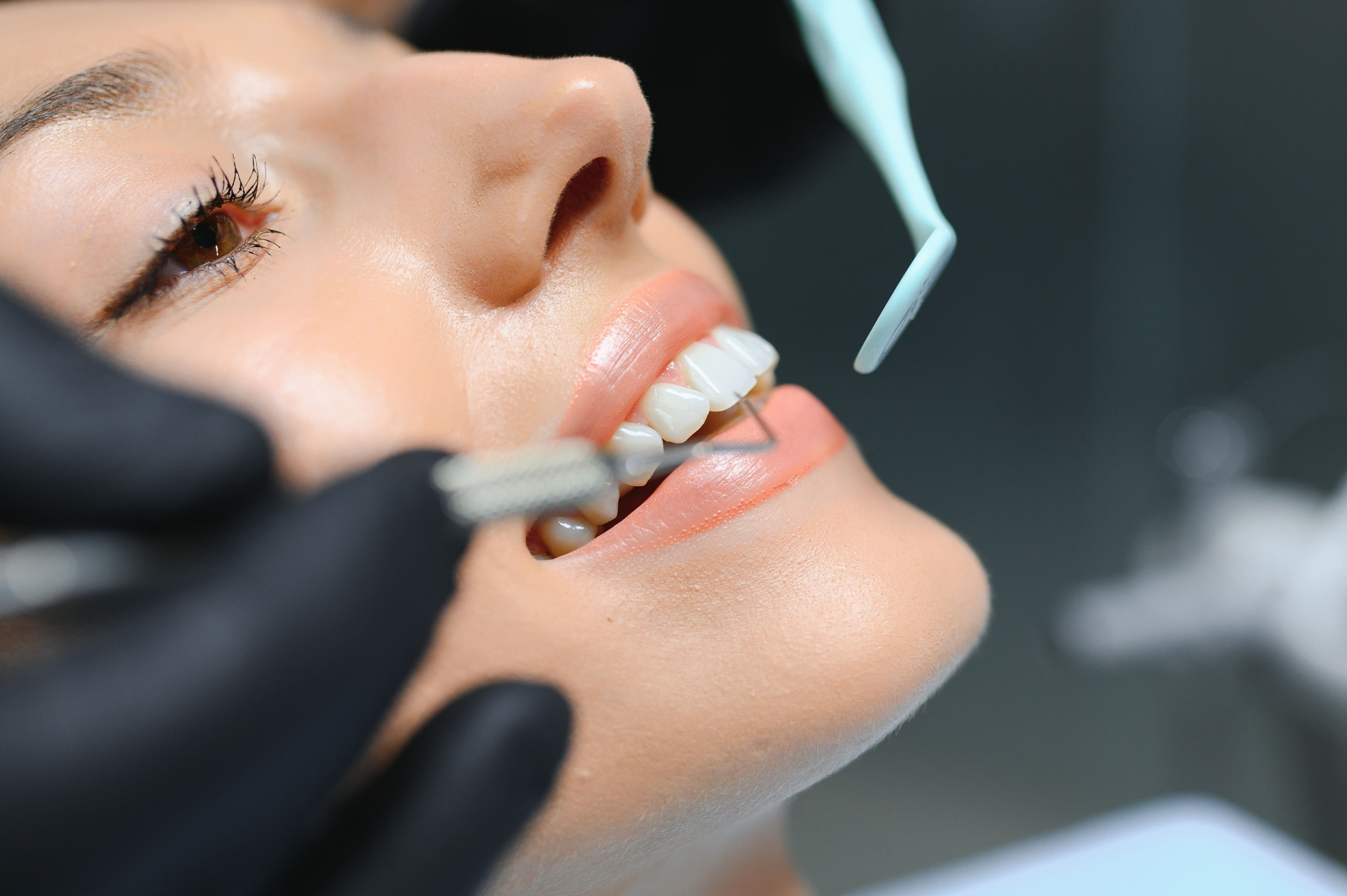
Want to keep your teeth white after whitening? Start with what you eat and drink. Coffee, tea, red wine, dark berries, sauces, soda, and tobacco can stain teeth over time, especially right after whitening when your smile needs smarter aftercare.
Clinically reviewed by David Hanna, RDH · Registered Dental Hygienist · Updated August 13, 2026
Why Foods and Drinks Stain Teeth
Teeth stain when dark pigments, acids, and tannins attach to the enamel surface or settle into tiny surface irregularities. Some foods and drinks are more likely to stain because they are dark, acidic, sticky, or rich in color compounds.
After teeth whitening, stain control matters even more. Whitening can leave teeth more stain-prone for a short window, which is why many providers recommend avoiding dark foods and drinks for the first 24–48 hours after a treatment.
Quick rule: If it can stain a white shirt, it can probably stain your teeth. Enamel absorbs pigment the same way porous surfaces do, which is why dark, acidic, and tannin-rich foods are the ones to watch.
10 Foods and Drinks That Stain Teeth
You do not need to permanently give up every food on this list. The goal is to understand what stains teeth, reduce overexposure, and use smarter aftercare.
Coffee contains dark pigments and tannins that can cling to enamel and create yellow or brown staining over time.
Black tea can stain teeth even more aggressively than some people expect because it is rich in tannins.
Red wine combines dark pigments, acidity, and tannins, making it one of the biggest drink-related stain offenders.
Blueberries, blackberries, raspberries, and cherries are healthy, but their deep pigments can leave stains behind.
Tomato sauce is acidic and brightly pigmented, which can make teeth more vulnerable to staining.
Soy sauce is dark, concentrated, and sticky enough to leave pigments on teeth, especially when eaten often.
Balsamic vinegar combines dark pigment with high acidity, a double effect that makes it one of the more aggressive everyday staining agents.
Dark sodas combine acidity, color, and sugar, which can contribute to enamel wear and visible discoloration.
Curry and turmeric are deeply pigmented and can create yellow staining when eaten frequently.
Dark chocolate can contain tannins and deep pigments. It is not the worst offender, but it can still contribute to staining.
Bonus: Tobacco and Vaping Can Stain Teeth Too
Tobacco is not a food, but it absolutely belongs in the stain conversation. Cigarettes, cigars, and other tobacco products can leave yellow or brown stains that are harder to manage than everyday food stains.
Vaping may also contribute to discoloration depending on ingredients, flavorings, oral dryness, and hygiene habits. If keeping your teeth white is the goal, tobacco use works directly against that outcome.
What to Avoid for 24–48 Hours After Teeth Whitening
Right after whitening, your aftercare matters. Many whitening providers recommend following a “white diet” for the first 24–48 hours. That means avoiding heavily pigmented foods and drinks while your teeth settle after treatment.
Avoid right after whitening: coffee, black tea, red wine, cola, tomato sauce, soy sauce, balsamic vinegar, curry, turmeric, dark berries, dark chocolate, tobacco, and heavily colored sauces.
Better choices after whitening
- Water
- Plain pasta or rice
- Chicken or turkey
- Egg whites
- Cauliflower
- Bananas
- Plain yogurt
- White fish
This does not mean permanently restricting your diet. The first day or two after whitening is the main window to be strict.
How to Reduce Teeth Staining Without Giving Everything Up
You can still enjoy coffee, tea, berries, and sauces without completely sacrificing your smile. The trick is reducing contact time, rinsing after stain-heavy foods, and keeping a strong oral care routine.
- Drink water after coffee, tea, wine, or dark soda.
- Use a straw for iced coffee, tea, and soda when possible.
- Avoid sipping dark drinks slowly for hours.
- Rinse after tomato sauce, soy sauce, curry, and berries.
- Wait about 30 minutes before brushing after acidic foods or drinks.
- Keep up with regular brushing, flossing, and dental cleanings.
- Use whitening maintenance products between treatments.
Pro tip: Do not brush immediately after acidic foods or drinks. Acid temporarily softens enamel, so brushing right away can cause more wear. Rinse with water first, then brush later.
Best LaserGlow Products to Help Maintain a Brighter Smile
Whitening is not a one-time event. It is a routine. The best results usually come from combining professional whitening, smart aftercare, and maintenance products that support a brighter-looking smile between treatments.
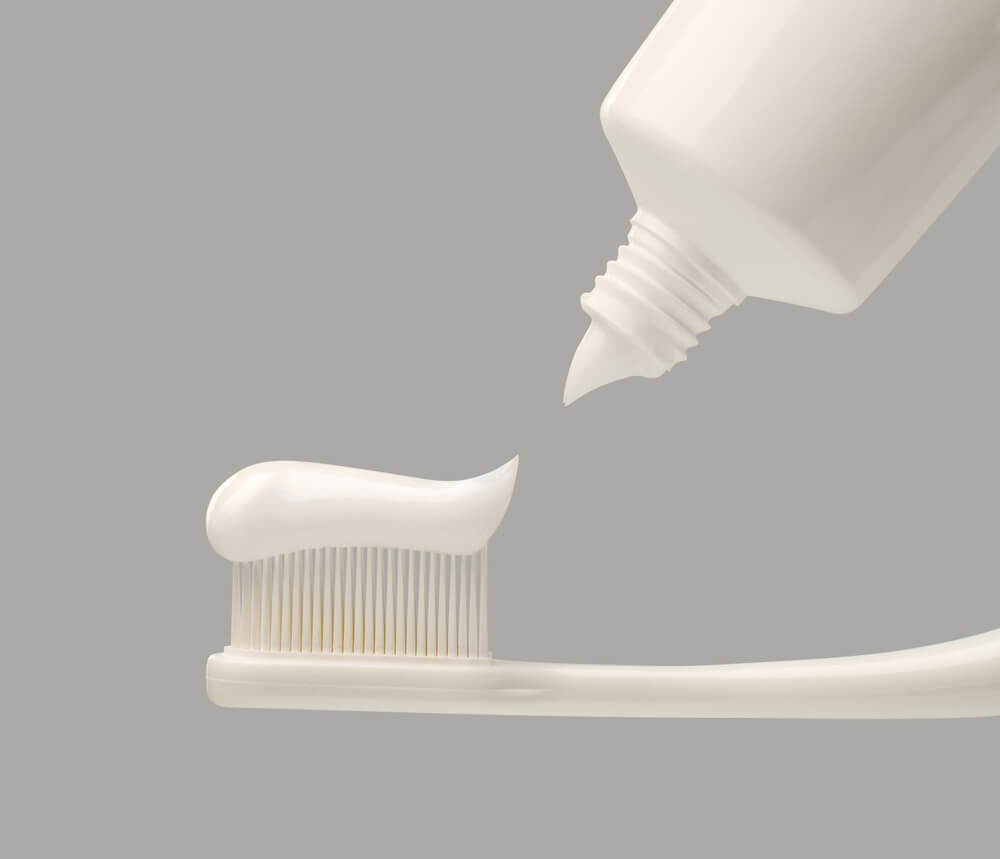
Purple Toothpaste Color Corrector
LaserGlow Purple Toothpaste uses purple color correction to help visually neutralize yellow tones, making teeth appear brighter after brushing. It does not bleach enamel, but it is useful before photos, events, and daily brightening maintenance.
Teeth Whitening Strips
LaserGlow Teeth Whitening Strips are designed for at-home whitening and maintenance. They are a strong option for people who want a gradual whitening routine between professional appointments.
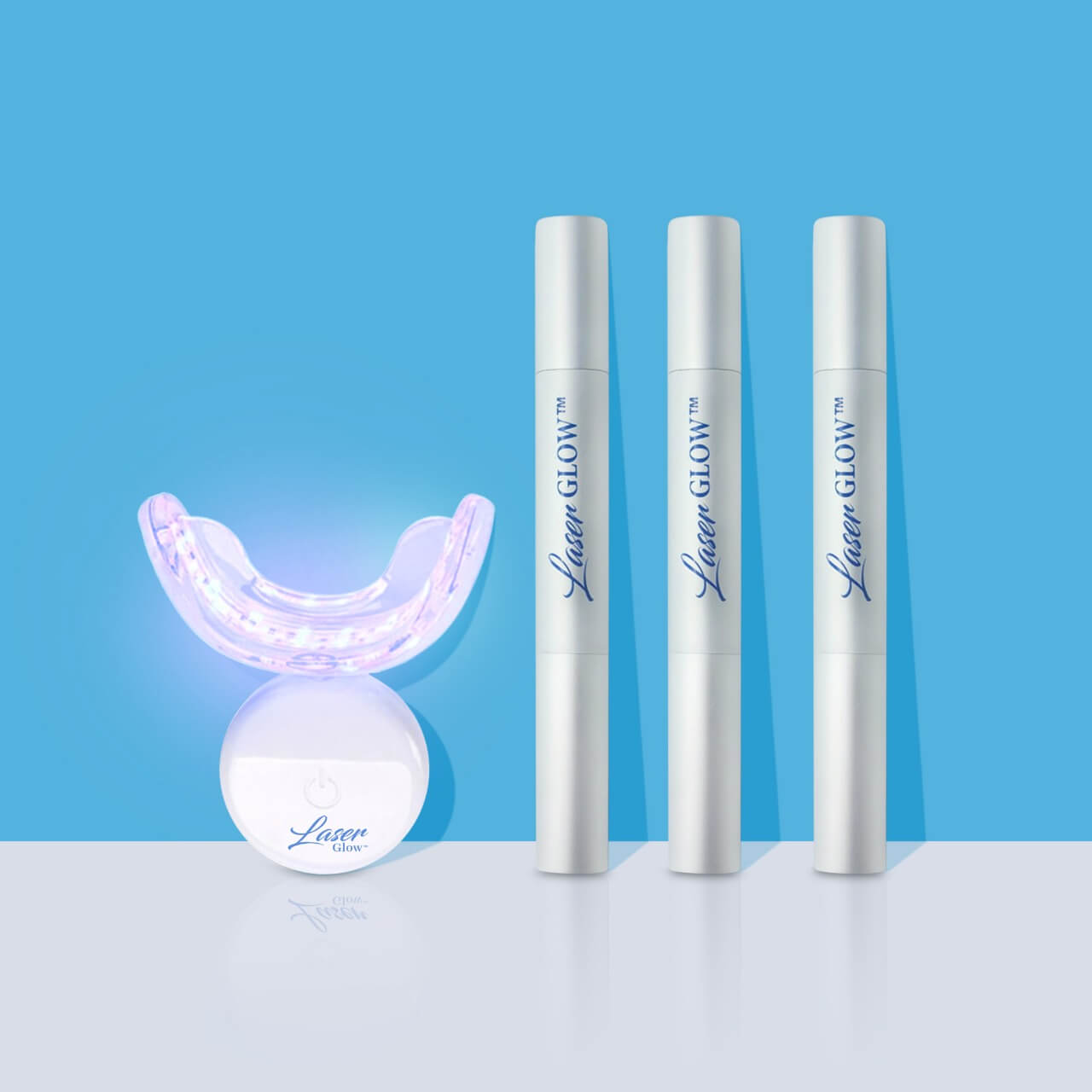
Wireless LED Teeth Whitening Kit
The LaserGlow Wireless LED Teeth Whitening Kit is ideal for maintaining your smile at home with a more structured LED whitening routine.
In-Office Whitening
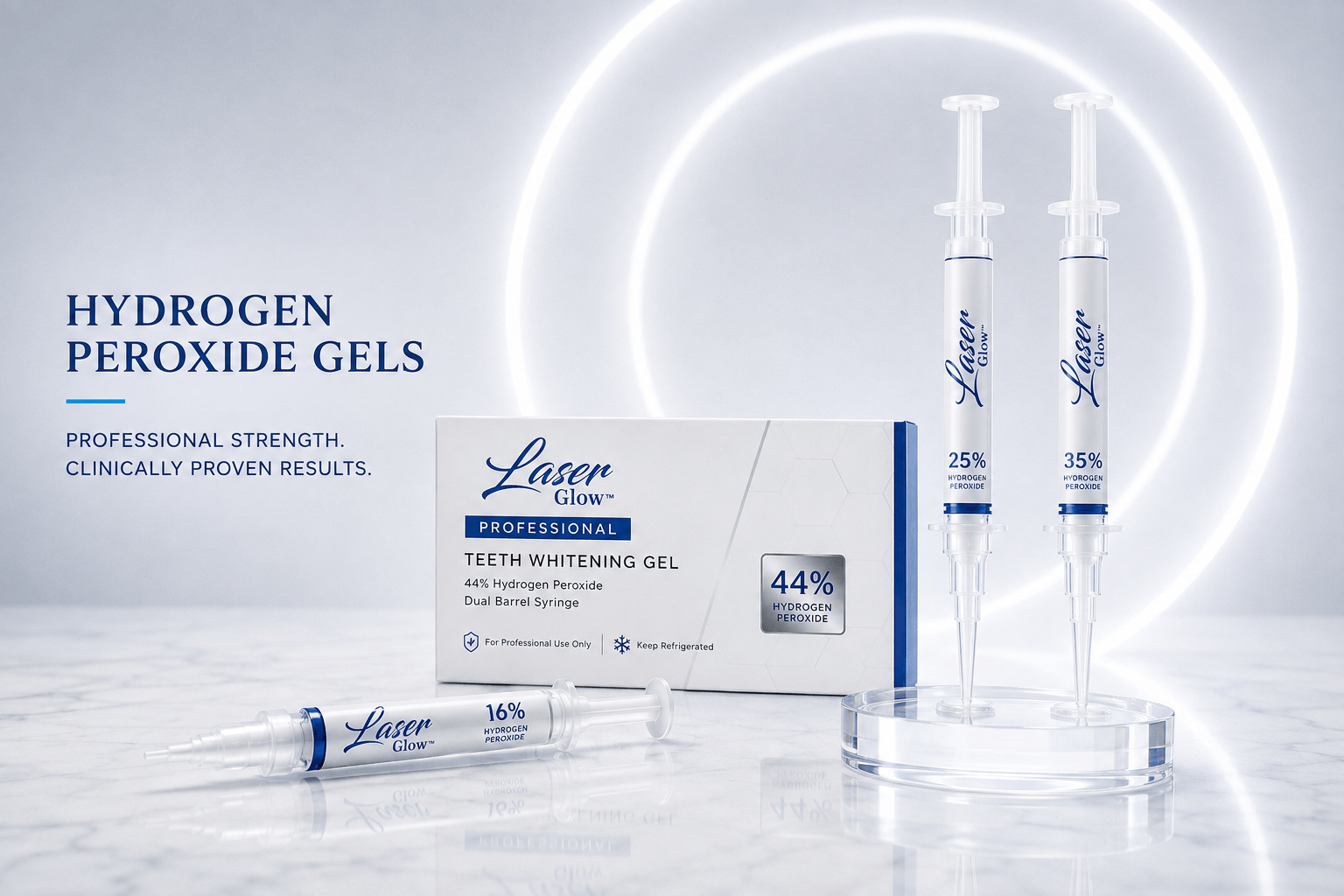
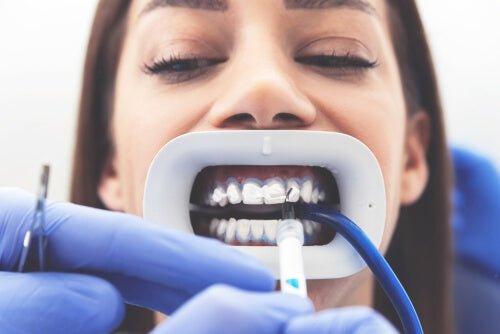
For a stronger smile refresh, book a LaserGlow in-office whitening appointment. Professional whitening can help reset your smile brightness, while at-home products help maintain the results.
Foods That Stain Teeth FAQ
What foods stain teeth the most?
Coffee, black tea, red wine, dark berries, tomato sauce, soy sauce, balsamic vinegar, cola, curry, turmeric, and dark chocolate are common foods and drinks that can stain teeth over time.
What should I avoid after teeth whitening?
For the first 24–48 hours after whitening, avoid dark and acidic foods or drinks such as coffee, red wine, black tea, cola, tomato sauce, soy sauce, curry, berries, and tobacco.
Can I drink coffee after teeth whitening?
It is best to avoid coffee for the first 24–48 hours after whitening. After that, drinking water afterward, using a straw for iced coffee, and keeping up with oral hygiene can help reduce staining.
Do berries stain teeth?
Yes. Dark berries like blueberries, blackberries, raspberries, and cherries contain deep pigments that can contribute to tooth staining, especially when eaten frequently.
Does purple toothpaste remove food stains?
Purple toothpaste helps visually neutralize yellow tones using color correction. It does not bleach enamel, but it can help teeth appear brighter after brushing and support a brighter-looking smile between whitening treatments.
How do I keep my teeth white after whitening?
Avoid dark foods and drinks for 24–48 hours, rinse with water after stain-heavy meals, brush and floss consistently, limit tobacco, and use whitening maintenance products like strips, purple toothpaste, or an LED kit.
Keep Your Smile Brighter Between Whitening Treatments
Use LaserGlow whitening strips, Purple Toothpaste, LED whitening kits, and professional in-office whitening to help maintain a cleaner, brighter-looking smile.