Achieve a Healthy, Dazzling Smile with Lip Oils
Whitening treats your teeth. It doesn't treat what frames them. Dry, dull, or uneven lips can quietly undercut a bright smile — here's the science behind that, and how to build a lip care routine that actually finishes the job.
Most smile routines stop at the teeth. That's a gap, not a finish line. Your lips are the frame your teeth sit in — and dry, flaky, or dull lips change how bright and put-together your whole smile looks, no matter how much whitening gel you've used. This guide covers the actual science behind that effect, what to look for in a lip oil, and how to build a routine that treats your smile as one complete picture instead of two disconnected parts.
Why Lip Health Is Part of Your Smile, Not Separate From It
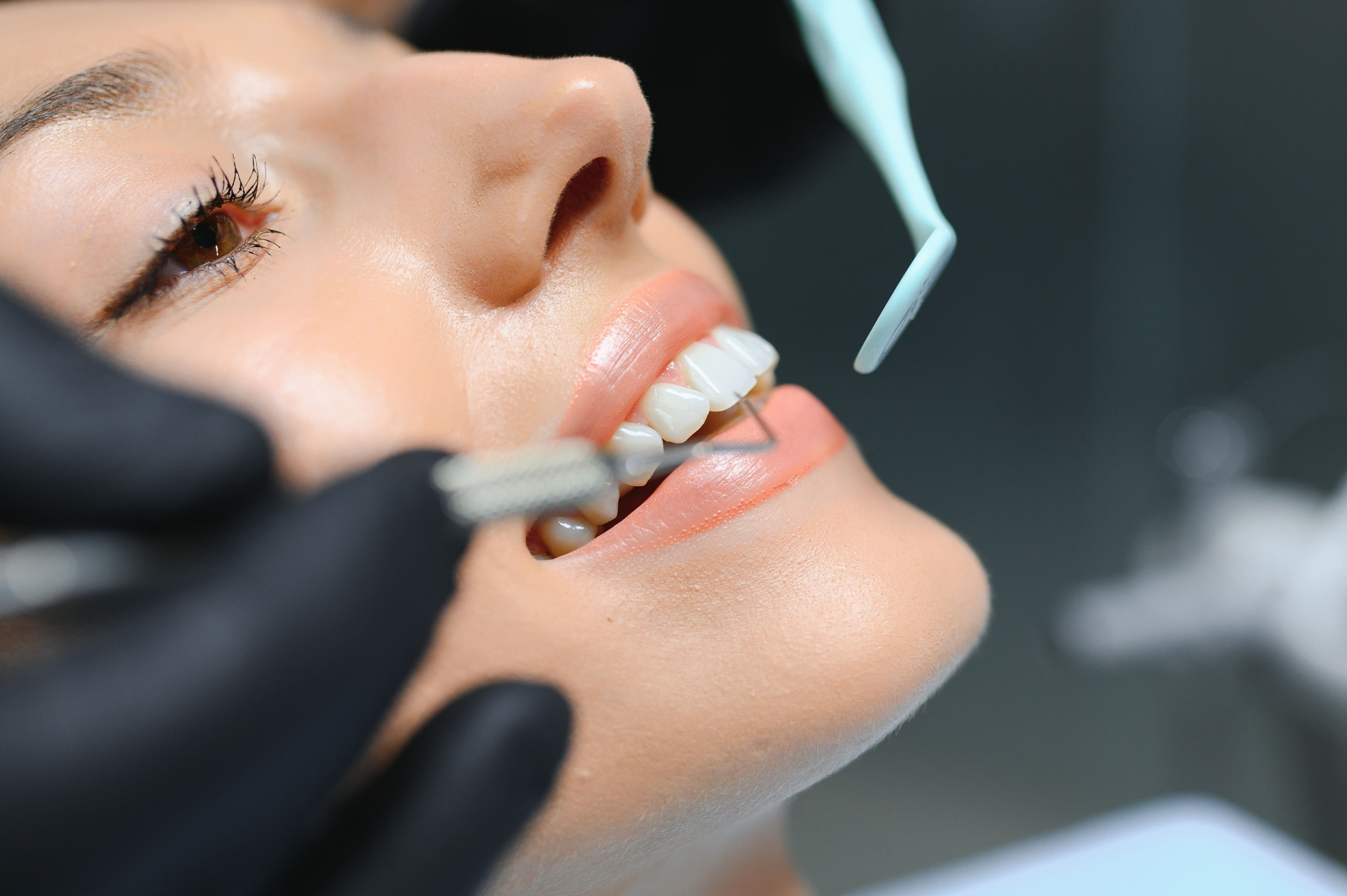
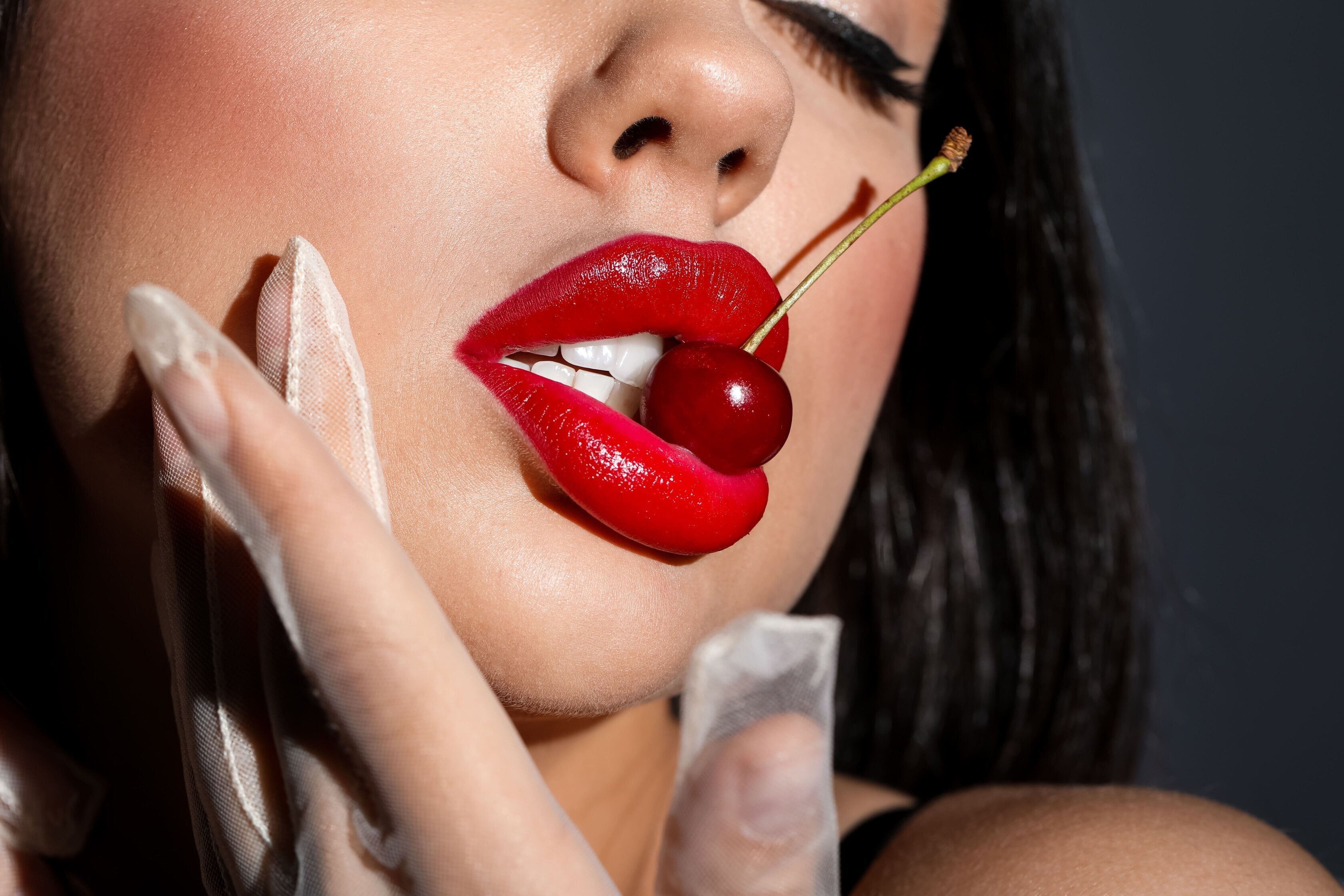
Every time someone looks at your smile, they're looking at teeth framed by lips — the eye takes in both at once. Chapped, flaking, or dull-toned lips create visual noise that competes with your teeth for attention, and can make even a freshly whitened smile look less finished. Smooth, hydrated, evenly toned lips do the opposite: they frame your teeth cleanly, with nothing pulling focus away from the brightness you've already worked for.
The Science: How Lip Tone Affects How White Your Teeth Look
This isn't just a styling opinion — it's basic color contrast. Teeth read as brighter or duller depending on what's directly next to them, and lips are the closest reference point the eye has. Darker, richer, or simply healthier-looking lip tone tends to increase the contrast against enamel, making teeth appear whiter by comparison, while very pale, dry, or patchy lips reduce that contrast. None of this changes your actual tooth shade — it changes how that shade reads visually, which is exactly why lip condition belongs in the same conversation as whitening.
The practical takeaway: whitening and lip care solve two different problems that both affect the same result. One changes tooth shade. The other changes the frame around it. Skipping either one leaves the job half done.
What's Actually in a Good Lip Oil
Not all lip products are doing the same job. A wax-heavy balm mostly seals moisture in; a gloss is built for shine and color. A true lip oil is formulated to treat the tissue itself — here's what the more effective ingredients are actually doing.
Hyaluronic Acid (HA5 / Multi-Weight)
Draws and holds moisture in the lip tissue at multiple depths, which is what gives lips a plumper, smoother look without swelling.
Polypeptides
Support the skin's structure and elasticity, helping soften the look of fine lines that form across the lip surface over time.
Arnica Oil
Commonly used to support skin recovery and calm the look of irritation — a common addition in formulas meant for sensitive or recently treated lips.
Vitamin E & Shea Butter
Vitamin E offers antioxidant support while shea butter conditions and locks in moisture, rounding out a formula built for daily wear.
Common Lip Problems That Undercut a Bright Smile
- Chronic dryness and flaking — creates visible texture that draws the eye before it ever reaches your teeth.
- Dull or uneven pigmentation — reduces the natural contrast that makes white teeth read as white.
- Fine lines across the lip surface — add visual texture and shadow, especially under direct or camera lighting.
- Post-whitening or post-treatment sensitivity — dry mouth from whitening trays or strips can leave lips more chapped than usual right when you want them looking their best.
- Post-filler bruising or swelling — a temporary but very visible distraction from an otherwise polished smile.
Lip Oil vs. Balm vs. Gloss: What's the Difference
| Format | Primary Job | Texture | Best For |
|---|---|---|---|
| Lip Balm | Seals in existing moisture | Waxy, occlusive | Basic daily protection |
| Lip Gloss | Shine and color | Often thick or tacky | Finishing touch, worn over other products |
| Lip Oil | Hydrates and treats the tissue | Lightweight, absorbs in | Daily wear, overnight repair, layering under lipstick |
Building a Lip Routine That Complements Your Whitening Routine
Whitening and lip care aren't competing steps — they work best run in parallel, so your teeth and the lips around them improve on the same timeline.
- Morning: apply lip oil to clean, dry lips before makeup or a lip product, giving it a few minutes to absorb.
- After whitening strips or trays: whitening can leave lips and the surrounding skin dry from extended mouth-open contact — reapply lip oil right after to offset that.
- Midday touch-up: a thin layer refreshes shine without the tackiness of gloss, and layers cleanly under lipstick if worn.
- Evening: pair a color-correcting toothpaste with a generous lip oil layer before bed — one finishes your teeth, the other finishes your lips, so you wake up with both looking their best.
For more on the whitening side of the routine, see Celebrity Smile Secrets: What Actually Whitens Teeth and the latest advances in whitening technology.
Finish Your Smile Routine
Pair the Polypeptide Lip Repair Oil with your whitening routine for a smile that looks complete, not half-finished.
Frequently Asked Questions About Lip Oil & Smile Care
Can lip oil actually make my smile look whiter?
Lip oil doesn't change your tooth shade, but healthier, more evenly toned lips change the visual frame around your teeth. Dry, flaky, or dull lips draw attention to imperfections and can make a whitened smile look less finished, while smooth, hydrated lips create a cleaner contrast that makes teeth read brighter by comparison.
What's the difference between a lip oil, a lip balm, and a lip gloss?
Lip balm is typically wax-based and sits on the surface to seal in moisture. Lip gloss is designed primarily for shine and color, often with a heavier, tackier texture. Lip oil is a lighter, non-waxy formula built to absorb and treat the lip tissue — hydrating, plumping, or repairing — while still leaving a glossy finish.
Can I use lip oil every day?
Yes. A non-sticky, hydrating lip oil is generally suited for daily use, both alone for a glossy finish and layered under or over lipstick. Products formulated with hyaluronic acid and vitamin E are designed for regular use rather than occasional treatment.
Does lip oil help with lip filler recovery?
Some lip oils are formulated with ingredients like arnica oil, which is commonly used to help support the skin's appearance after cosmetic procedures and may help minimize the look of bruising and swelling. Always follow your injector's specific aftercare instructions first.
What ingredients should I look for in a lip oil?
Hyaluronic acid (including multi-weight or "HA5" blends) for deep hydration, peptides to support elasticity and the look of fullness, vitamin E as an antioxidant, and shea butter or arnica oil for soothing and conditioning are common, well-regarded ingredients in lip oil formulas.
Why do my lips look dull even when my teeth are freshly whitened?
Whitening only affects your teeth, not the skin framing them. Dry, flaky, or unevenly pigmented lips create a visual contrast problem — the eye compares your teeth to the lips around them, and dull or chapped lips can make an otherwise bright smile look less polished.
Can lip oil be worn under lipstick?
Yes. A lightweight, fast-absorbing lip oil can be used as a hydrating base under lipstick, or worn alone for a natural glossy finish. Non-sticky formulas layer well without affecting lipstick wear.
Is lip oil safe to use overnight?
Many lip oils are designed to double as an overnight treatment. Applying a slightly thicker layer before bed allows ingredients like hyaluronic acid and shea butter more time to absorb, which can leave lips smoother and softer by morning.
How does lip color affect how white teeth look?
Color theory and visual contrast play a real role in perceived tooth shade — darker or cooler-toned lips can make teeth appear whiter by contrast, while very pale, dry, or uneven lips can reduce that contrast. This is a perception effect, not a change in actual tooth color.
Is lip oil gender-neutral or only for certain skin tones?
A clear, non-tinted lip oil formula is generally suited to any gender and any skin tone, since it treats and hydrates rather than adding pigment. Anyone dealing with dry, chapped, or tired-looking lips can use one.
Key Takeaways
- Lips are part of the smile's visual frame — dry or dull lips can undercut even a freshly whitened smile.
- Lip tone affects perceived tooth whiteness through basic color contrast, not actual shade change.
- Lip oil differs from balm and gloss by treating the tissue itself with hydrating and conditioning actives, not just sealing or adding shine.
- Look for hyaluronic acid, peptides, vitamin E, and soothing oils like arnica or shea butter in a quality formula.
- Run lip care and whitening in parallel — apply lip oil after whitening sessions and pair morning and night routines for a complete result.
This article is educational and not a substitute for advice from a licensed dermatology, dental, or injectable-treatment professional. If you have recently had lip filler or another cosmetic procedure, follow your provider's specific aftercare instructions.