Skip to content
📦 FREE US SHIPPING OVER $50+
TRUSTED BY PROFESSIONALS

25% Hydrogen Peroxide Whitening Gel — Professional Guide

Clinic Standard • Balanced Power • Daily Driver

25% Hydrogen Peroxide Whitening Gel — Professional Guide

25% hydrogen peroxide whitening gel is the most practical chairside concentration for routine cases: strong enough to deliver predictable lift, controlled enough to keep sensitivity and soft-tissue issues low when your isolation is clean. Use this guide for indications, a repeatable protocol, sensitivity management, and how to position 25% as your clinic’s “default tier.”

Best for

Most routine chairside cases

Typical lift

Often 2–6 shades (case dependent)

Typical cycles

2–3 × 15–20 min

Barrier

Optional, recommended if cervical risk

Clinically reviewed by David Hanna, RDH · Updated 2026-02-15

Clinical indications & contraindications for 25% hydrogen peroxide gel

Indications

  • Mixed extrinsic/intrinsic staining where predictable lift is the priority
  • Clients who want visible change with a comfort-forward experience
  • Standard chairside cases (first-time or repeat) with average sensitivity risk

Contraindications & cautions

  • Active caries, untreated periodontal disease, cracks, open cervical lesions
  • Inflamed tissue or poor field control (fix isolation before whitening)
  • Extensive restorations in esthetic zone (whitening affects natural enamel only)

How 25% hydrogen peroxide whitening works (chairside overview)

Hydrogen peroxide diffuses through enamel and dentin, oxidizing chromogens responsible for discoloration. At 25% concentration, reaction speed and comfort balance well, which is why it’s commonly used as a clinic “daily driver” for predictable results without pushing sensitivity as aggressively as higher concentrations.

Step-by-step chairside protocol (25% hydrogen peroxide whitening gel)

Placement

Thin 1–2 mm even layer, facial enamel only

Cycles

2–3 cycles × 15–20 minutes (case dependent)

Barrier

Optional, recommended for cervical risk or poor margins

1) Preparation

  • Review history and baseline shade under consistent lighting
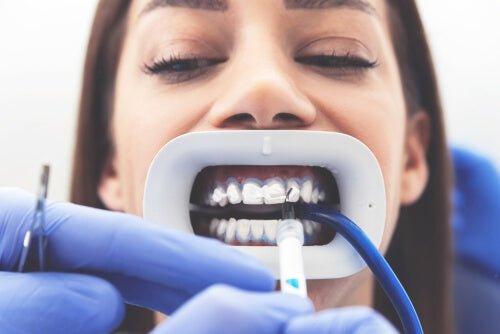
  • Prophy if needed; retract and confirm a clean, dry field
  • Document photos or shade tab for predictable case tracking

2) Isolation

  • Cheek retractors + cotton + saliva control (make the field boring)
  • Gingival barrier optional, recommended with exposed cervical areas
  • Inspect margins before gel. If it can seep, it will

3) Application

  • Use a fresh ribbon each cycle; keep placement tight to enamel
  • Apply 1–2 mm evenly to avoid patchy lift
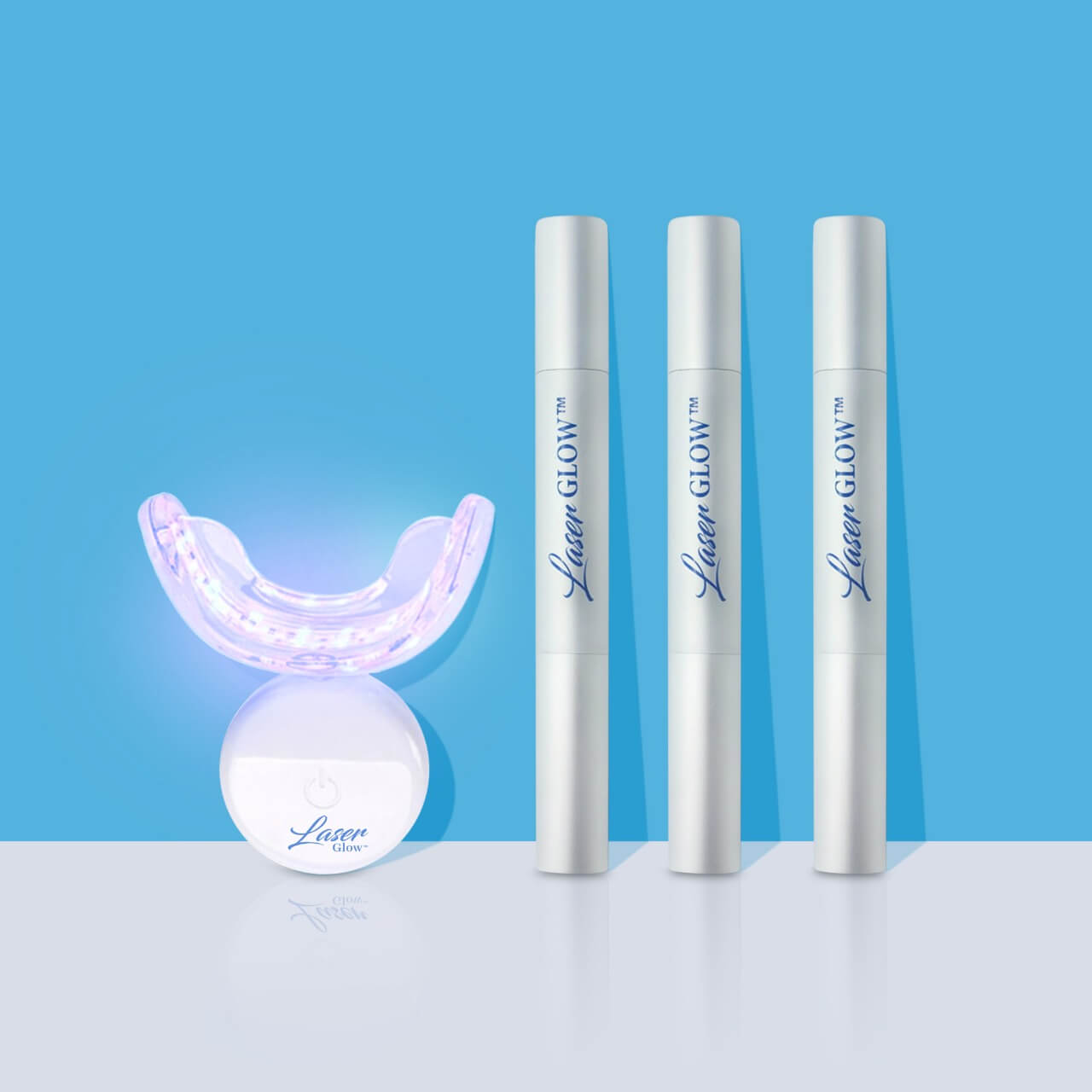
  • LED is optional for workflow/comfort, not required for efficacy

4) Timing

  • 2–3 cycles × 15–20 minutes depending on severity and comfort
  • Gently agitate mid-cycle to refresh the gel surface
  • Monitor comfort. Don’t “tough it out” into a complaint

5) Finish

  • Suction thoroughly, rinse copiously, inspect tissue and enamel
  • Optional desensitizer; record post-op shade and photos

Sensitivity risk & mitigation plan (25% HP)

Risk factors

  • Exposed dentin/cervical lesions, recent whitening, aggressive brushing
  • Low saliva flow, erosive diet, heavy coffee/wine/smoking

Mitigation that prevents complaints

  • Keep the field dry and placement thin to prevent migration
  • Reduce cycles before you “increase strength”
  • Sensitivity-prone: step down to 16% HP or consider PAP+

Case scenarios & recommendations

Light staining (often 2–3 shades)

2 cycles × 15–20 minutes. If sensitivity history exists, start with 16% HP and reassess.

Moderate staining (often 4–6 shades)

2–3 cycles × 15–20 minutes with mid-cycle agitation. Set recall at ~6 months if habits are stain-heavy.

Heavier staining (>6 shades)

Use progressive protocols: start with 25% for control, then finish with one cycle of 38% HP or 44% HP only when isolation and comfort allow.

Troubleshooting & common pitfalls

  • Uneven lift: field not dry or gel thickness inconsistent. Fix the boring basics.
  • Sensitivity mid-cycle: shorten exposure, confirm no migration, finish with desensitizer.
  • Soft tissue blanching: remove gel immediately, irrigate, re-isolate, and tighten margins.
  • Plateau after 2 cycles: add a third cycle or schedule recall rather than overextending.

Storage, handling & compliance

Storage

  • Keep sealed and cool; avoid heat/sunlight; follow product labeling
  • Check expiration; rotate inventory first-in, first-out

Compliance & documentation

  • Use in professional settings under applicable regulations
  • Obtain consent; document baseline and post-op shade + photos

Pricing, packaging & positioning

Positioning (say it like a pro, not a gimmick)

“Balanced clinic whitening for predictable lift and patient comfort.” This is the tier you can repeat daily without drama.

Packaging ideas

  • Standard: 25% HP + shade chart + aftercare card
  • Premium: 25% HP + Barrier Gel + CP Pen

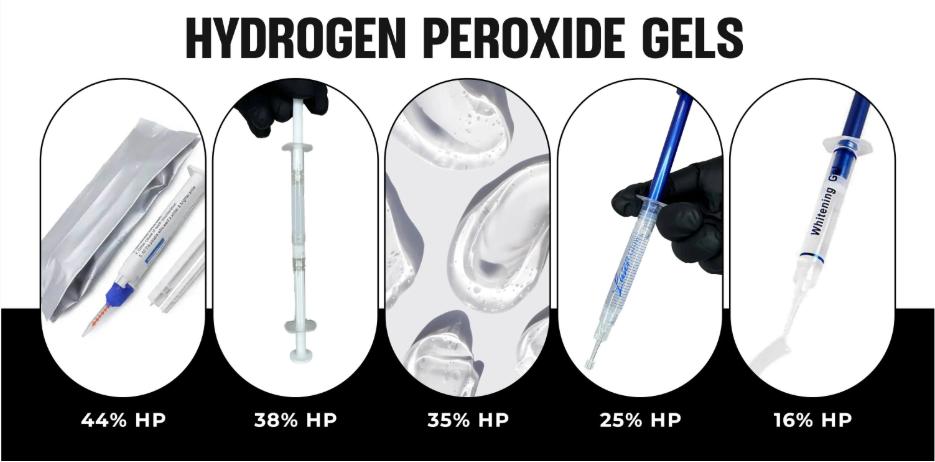
Compare 25% hydrogen peroxide gel to other strengths

Strength Best for Typical cycles Notes
16% HP Light stains / sensitive clients 2 × 15–20 min Gentler profile
25% HP Most routine cases 2–3 × 15–20 min Balanced power & comfort
35% HP Faster lift with control 1–2 × 15–20 min Barrier recommended
38% HP Moderate–heavy stains 1–2 × 15–20 min Barrier mandatory
44% HP Severe stains / premium 1–3 × 15–20 min Meticulous isolation

FAQ — 25% hydrogen peroxide whitening gel

How many shades can 25% hydrogen peroxide whitening gel lift?

Often 2–6 shades depending on baseline shade, stain type, and adherence to aftercare.

Is LED required with 25% hydrogen peroxide gel?

No. LED is optional for comfort and workflow. Outcomes depend more on isolation and controlled timing.

Do crowns, veneers, or composite fillings whiten?

No. Whitening affects natural enamel and dentin only. Restorations may need shade matching after whitening.

How often can patients repeat chairside whitening?

Common scheduling is every 6–12 months, with maintenance between visits based on habits and sensitivity.

How do we reduce post-op sensitivity without sacrificing results?

Maintain a dry field, avoid gel migration, use measured cycles, and give strict aftercare. If sensitivity-prone, step down strength rather than forcing longer exposure.

Can I combine strengths (progressive protocol)?

Yes. Many clinics start with 25% for control and finish with 38–44% only when isolation and comfort allow.