
35% Hydrogen Peroxide Teeth Whitening Gel: What You Need to Know
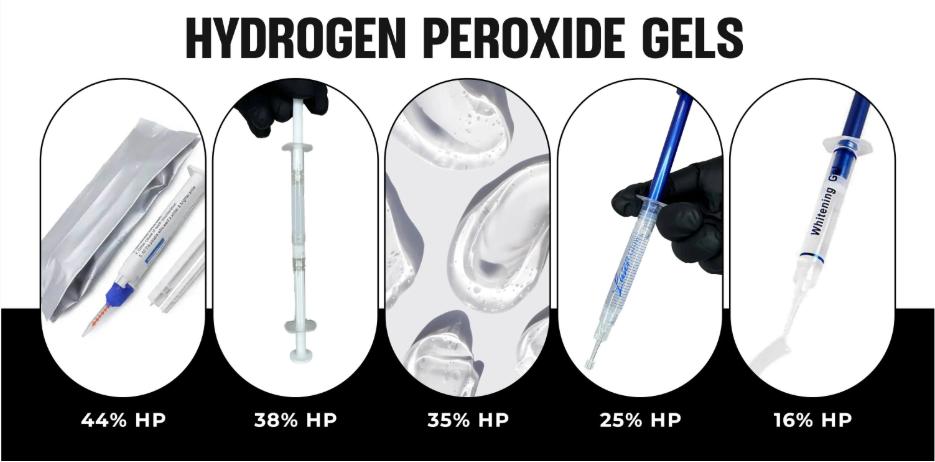
35% hydrogen peroxide whitening gel is a high-strength, professional-grade formula designed to lift stubborn tooth stains quickly. It can be effective, but it also demands correct technique, isolation, and gum protection to reduce the risk of sensitivity and irritation.
What 35% Hydrogen Peroxide Teeth Whitening Gel Is
Hydrogen peroxide is used in whitening because it releases oxygen that helps break apart stain compounds on and within the tooth structure. A 35% hydrogen peroxide gel is a high concentration product typically used in clinical or supervised settings for faster whitening.
Typical use case
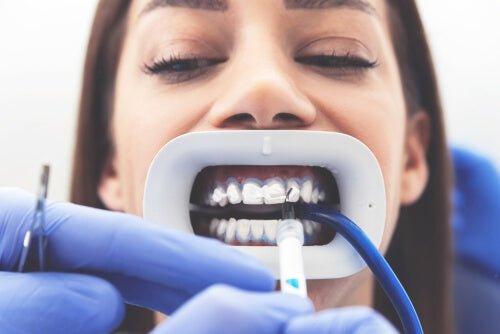
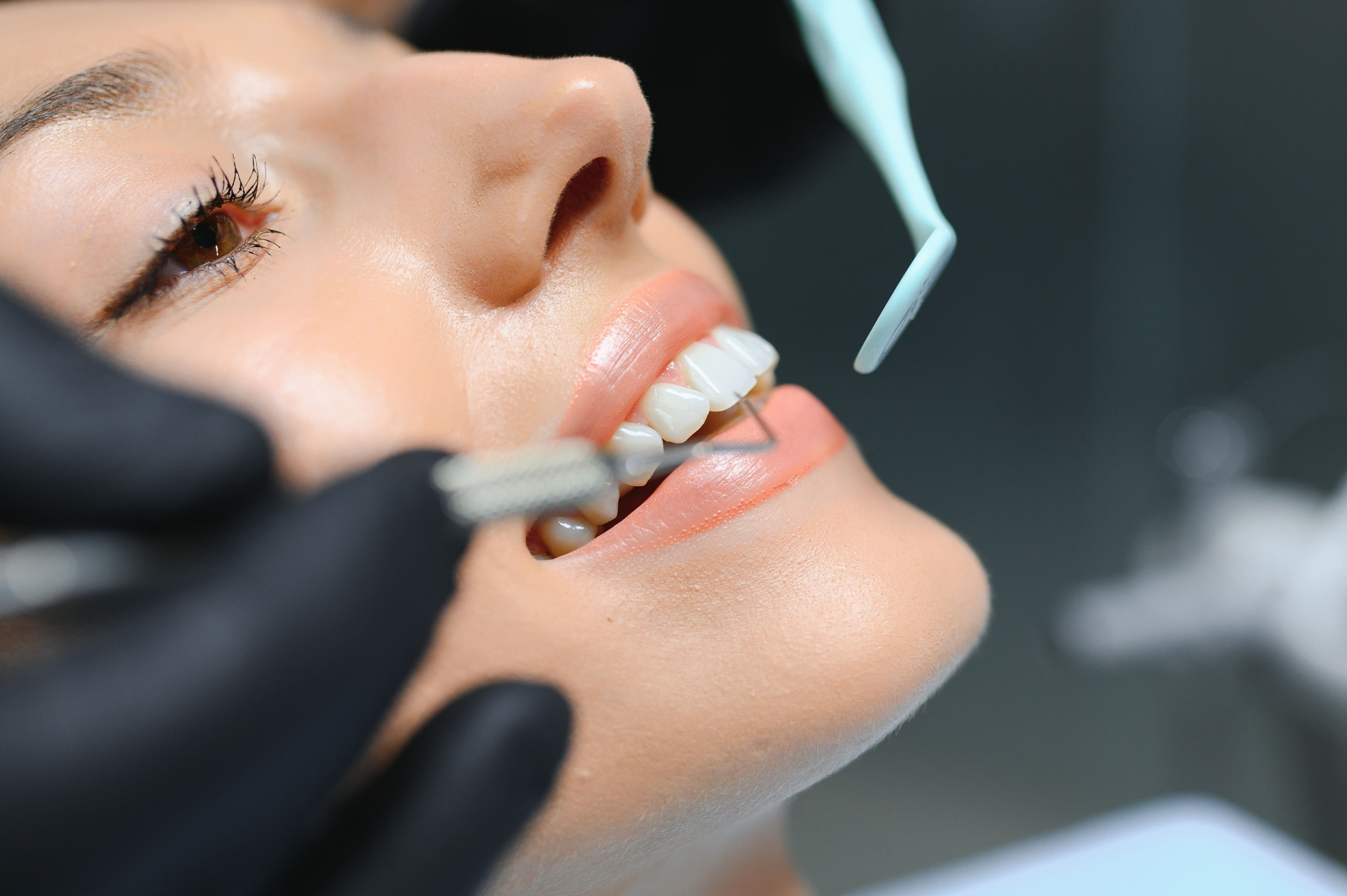
Professional whitening sessions where isolation, gum protection, and exposure time are controlled.
Why people want it
It can produce noticeable improvement in fewer sessions compared to lower-strength whitening options.
Is 35% Hydrogen Peroxide Teeth Whitening Gel Safe for Professional Use?
It can be safe when used correctly by trained professionals who understand isolation and soft-tissue protection. The risk isn’t the ingredient. The risk is sloppy technique, over-application, or leaving it on too long.
For professional whitening, pair high-strength gel with proper gum protection like a gingival barrier. If you want a lower-strength option, consider 25% hydrogen peroxide whitening gel.
How 35% Hydrogen Peroxide Gel Works
Hydrogen peroxide breaks down into reactive oxygen species that can help lift both extrinsic stains (surface staining from coffee, wine, smoking) and some intrinsic discoloration (deeper shade changes). Results depend on the type of stain, exposure time, and how well the teeth are isolated.
Step-by-Step Guide: How to Use 35% Hydrogen Peroxide Teeth Whitening Gel (Professional Protocol)
This is the controlled process professionals use to reduce tissue contact and improve consistency. If you skip steps, don’t act surprised when it goes sideways.
Before you start
Prep: Brush/clean teeth. Dry thoroughly. Moisture can dilute gel and reduce control.
Protect: Apply and cure a gingival barrier to cover and seal the gumline.
Application
Apply thin and even: Use a microbrush to paint a controlled layer on tooth surfaces only.
Avoid overflow: Overloading increases soft-tissue exposure and irritation risk.
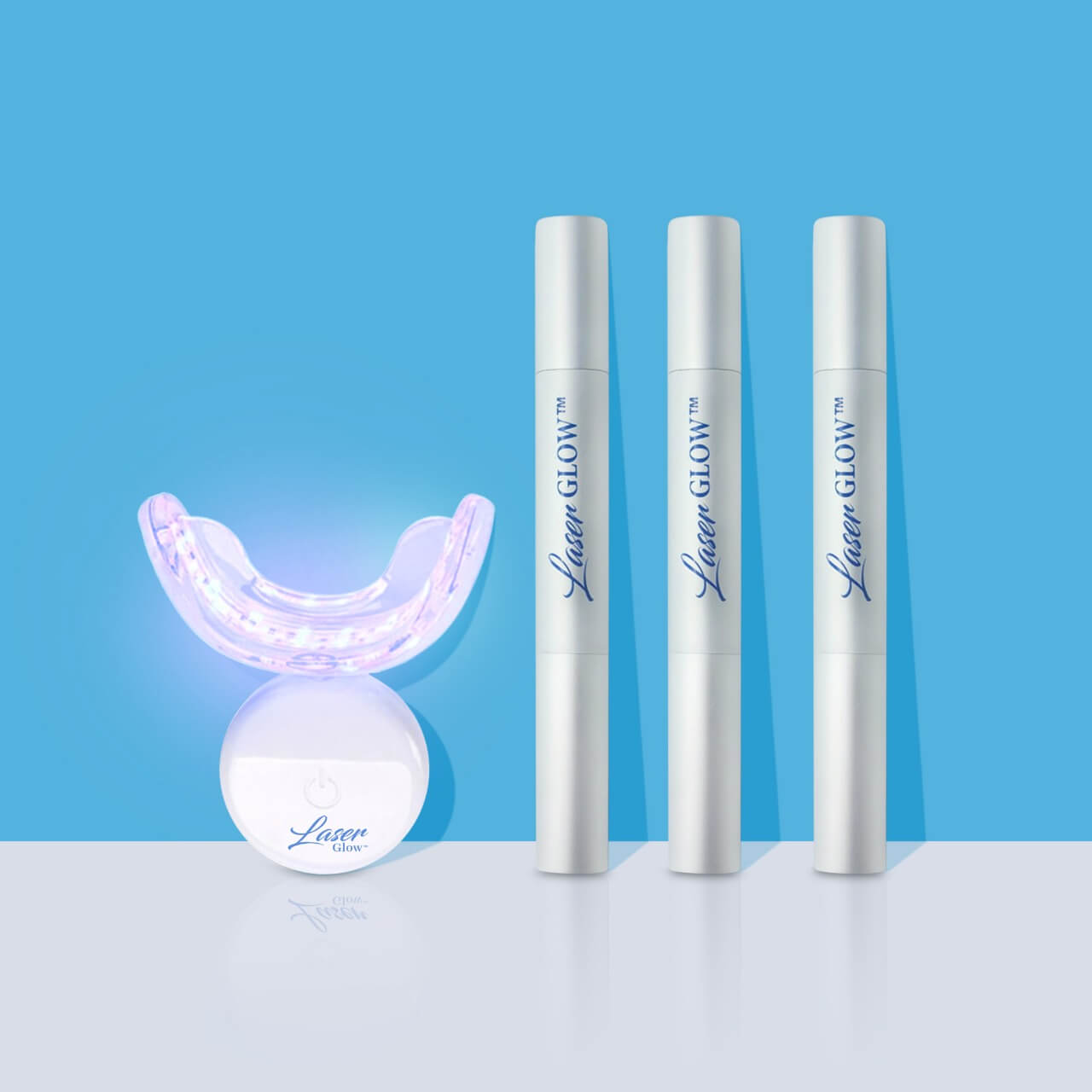
Optional light activation: Some protocols pair gel with an LED/laser device to support the session workflow.
Timing
Start conservative: Begin with a shorter exposure (e.g., 10 minutes) to assess sensitivity.
Typical range: 15–30 minutes total exposure depending on protocol, tolerance, and product instructions.
Finish
Remove thoroughly: Rinse fully and ensure gel is cleared from teeth and soft tissues.
Aftercare: Avoid staining foods/drinks for about 24 hours and follow sensitivity management guidance.
The Difference Between 35% Gel and Over-the-Counter Whitening Products
Over-the-counter whitening uses lower peroxide levels and can be easier to use at home, but typically takes longer to see noticeable change. Professional-strength 35% gel can work faster, but it requires better isolation and technique to avoid problems.
35% Hydrogen Peroxide (Professional Strength)
Faster potential results, higher sensitivity/irritation risk if mishandled, best with professional supervision.
Over-the-Counter Whitening
Lower strength, slower change, generally easier for consumers, still can cause sensitivity if overused.
Who Should Avoid High-Strength Whitening
High-strength peroxide whitening may not be appropriate for everyone. Consider avoiding or getting clearance if you have:
Significant tooth sensitivity, untreated cavities, gum disease, recession/root exposure, cracked enamel, recent dental work, or are pregnant/nursing (consult your clinician).
Where to Buy 35% Hydrogen Peroxide Teeth Whitening Gel for Professional Use
Buy from reputable suppliers or established brands that provide clear instructions and safety guidance. Avoid vague listings with no professional-use warnings.
LaserGlow Professional Whitening Gels
Professional-grade gels and supplies built for controlled, consistent application.
Shop 35% Hydrogen Peroxide GelFAQs
Is 35% hydrogen peroxide gel safe for teeth whitening?
When used correctly with proper isolation and gum protection, it can be used safely in professional settings. Misuse (gum contact, too much gel, excessive exposure time) increases irritation and sensitivity risk.
How does 35% hydrogen peroxide gel work?
It releases oxygen that helps break apart stain compounds. The higher concentration can produce faster changes, depending on stain type and protocol.
How long does it take to see results?
Many people notice improvement after one or a few sessions, but results vary based on stain type, baseline shade, enamel condition, and exposure time.
Will it whiten crowns, veneers, or fillings?
No. Whitening changes natural tooth structure, not restorations. Cosmetic shade matching may be needed for consistent color.
How do I reduce sensitivity after whitening?
Use a sensitivity toothpaste, avoid extreme temperatures, and follow professional aftercare guidance. If sensitivity persists, stop whitening and consult a clinician.
Disclaimer: This page is for informational purposes and does not replace professional dental advice. High-strength peroxide whitening should be used only by trained professionals following manufacturer instructions and appropriate safety protocols.