Are Tooth Gems Safe for Your Teeth?
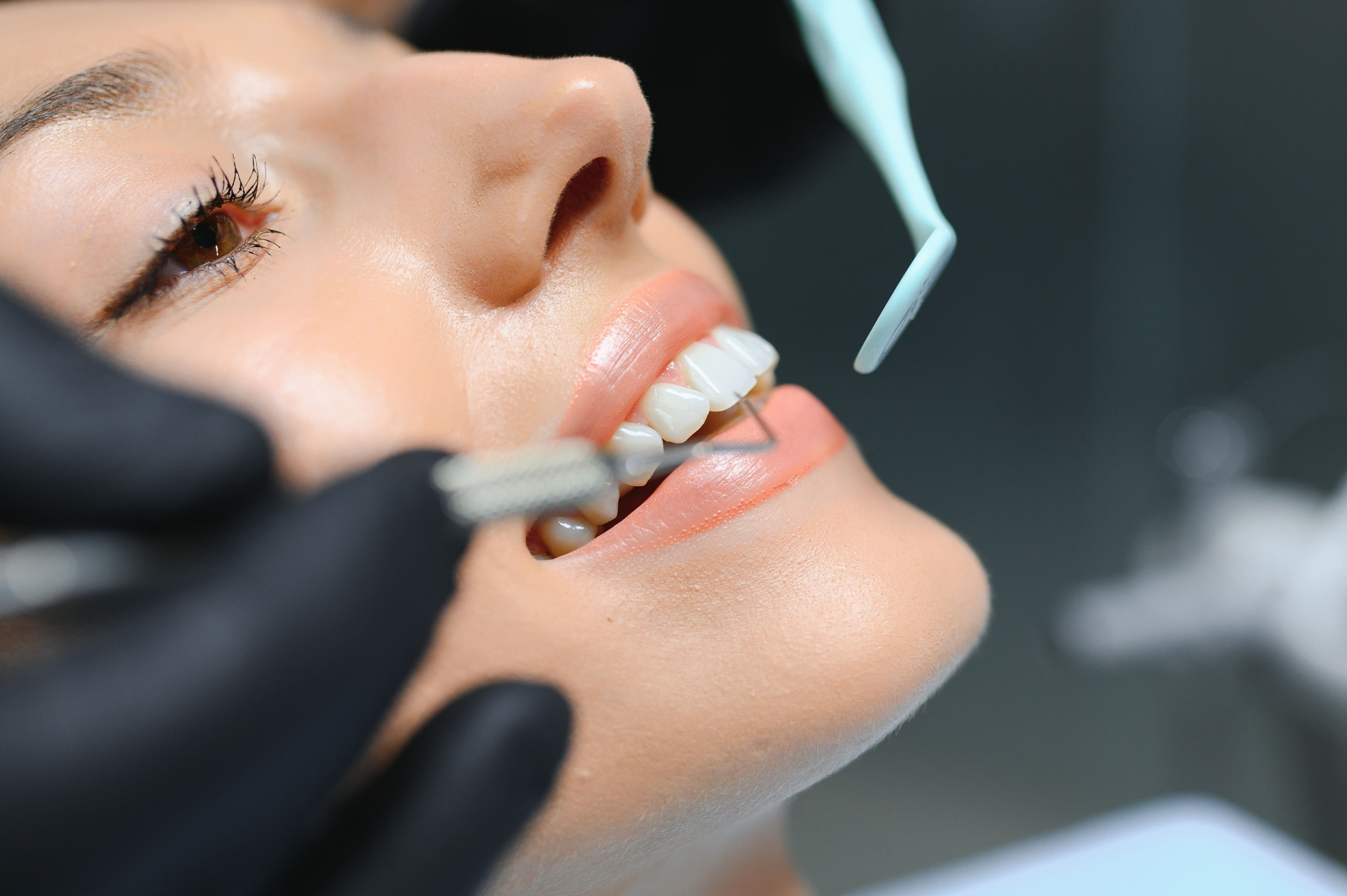
Short answer: tooth gems can be enamel-safe when applied with professional materials and removed correctly. The real risks come from low-quality adhesives, untrained application, and DIY removal. Use this myth-busting guide to decide confidently, then see our clinical Aftercare & Safety page for the technical details.
Think of tooth gems like semi-permanent jewelry for your smile. Done well, they are temporary, non-invasive, and confidence-boosting. Done poorly, they can irritate gums, trap plaque, or scratch enamel. Below, we separate myths from facts, give you a quick safety checklist, and flag situations where you should wait.
Need the clinical protocol, hygiene steps, and enamel-safe do’s and don’ts? Read our Professional Aftercare & Safety Guide.
Myths About Tooth Gem Safety
Myth: “Tooth gems drill into your teeth.”
Fact: Proper application is non-invasive. There should be no drilling on sound enamel. A dental-grade resin bonds the gem to the surface and can be polished off professionally.
Myth: “They always ruin enamel.”
Fact: Enamel issues usually come from wrong adhesives or DIY removal. With professional materials and correct removal, enamel should remain smooth and intact.
Myth: “You can use nail glue.”
Fact: Household glues can irritate gums, stain enamel, and are not designed for use in the mouth. Only use products intended for teeth and applied by trained providers.
Myth: “Brushing will knock it off.”
Fact: With a proper bond and curing, normal brushing is fine. Use gentle passes around the gem with a soft-bristle brush and keep flossing as usual.
Quick Safety Decision Checklist
Use this two-minute checklist before saying yes to a tooth gem appointment:
- Provider: Are they trained or licensed? Do they explain etch, bond, LED curing, and aftercare?
- Materials: Are the gems and adhesives designed for teeth, not craft gems or nail glue?
- Placement: Is the location low-stress and away from biting edges?
- Hygiene plan: Do you understand brushing, flossing, and what to avoid in the first 24 hours?
- Exit plan: Do they offer professional removal and polishing when you are ready?
Want pro-level longevity tips instead of DIY hacks? See our Tooth Gem Longevity Guide.
Who Should Wait Before Getting a Tooth Gem?
- Anyone with active cavities, untreated gum disease, or cracked teeth.
- Anyone with new orthodontic attachments or recent whitening sensitivity.
- Anyone playing high-contact sports without a mouthguard.
- Anyone seeing a provider who offers nail glue, super glue, or cannot explain their adhesive system.
What Professionals Actually Worry About
Dental professionals are generally cautious about unregulated adhesives and DIY removal, not the concept of tooth gems themselves. The safest approach is to use dental-intended materials, follow proper bonding steps, keep hygiene strong around the gem, and rely on professional removal when you are done.
Want the enamel-safe routine and post-care steps?
Open the Aftercare & Safety Guide →Safer Choices Start with Better Materials
If you are shopping for gems or kits, choose products intended for teeth. Never use craft crystals, nail glue, super glue, or household adhesives. Quality materials reduce irritation risk and support smoother removal later.
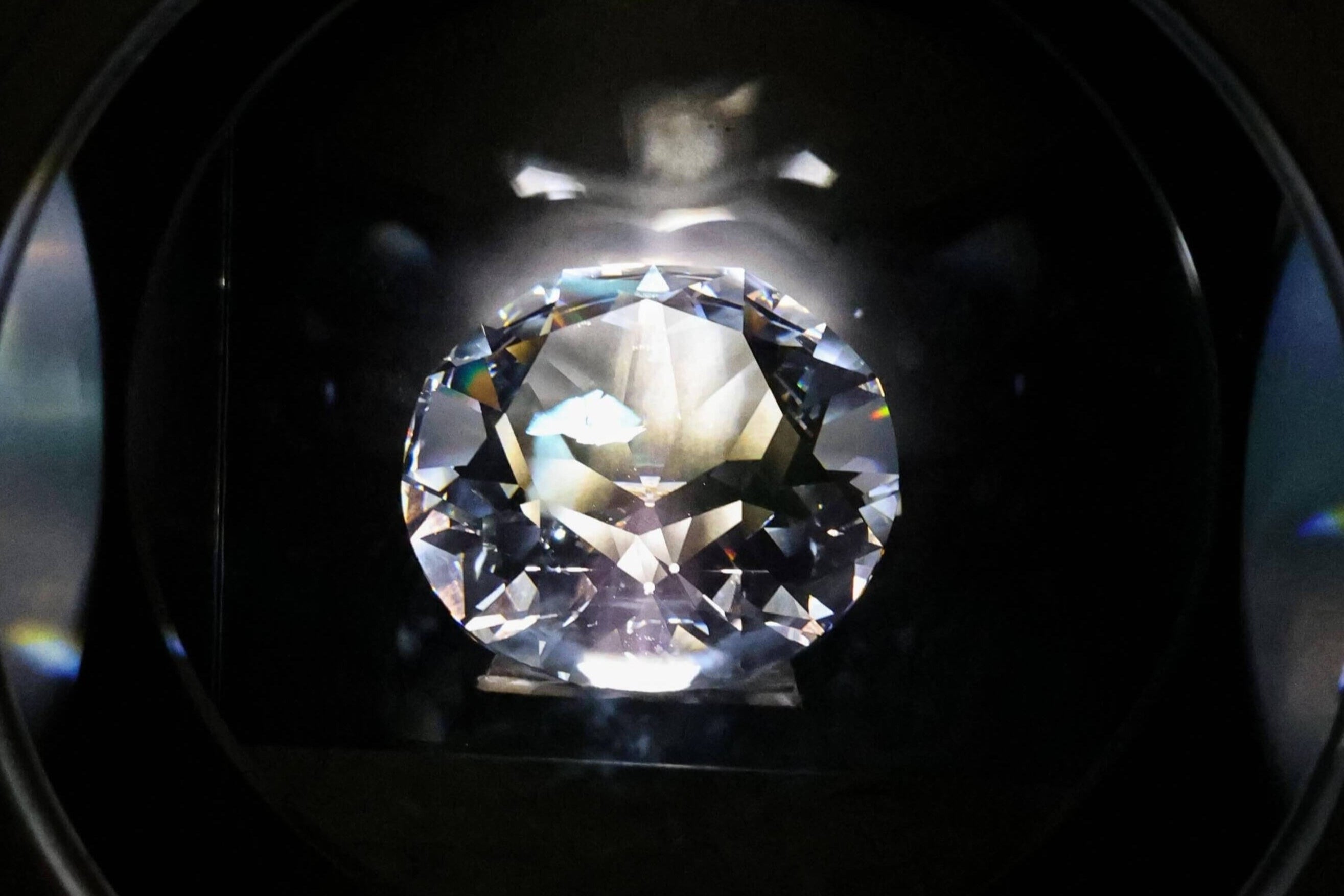
- Premium Crystal Tooth Gems — brilliant clarity designed for smiles
- Tooth Gem Kit: Etch, Bond & Adhesive — professional-grade bonding system
- Removal Tool — for trained providers only
Tooth Gem Safety FAQs
Do tooth gems damage enamel?
Tooth gems should not damage enamel when bonded with dental-intended materials and removed professionally. Most enamel problems come from unregulated glues, poor placement, or DIY removal.
Can I keep brushing and flossing normally with a tooth gem?
Yes. You should brush gently around the gem with a soft-bristle toothbrush and continue flossing normally. Avoid hard biting directly on the gem and follow first-24-hour aftercare instructions.
Who should wait before getting a tooth gem?
Anyone with active cavities, untreated gum disease, cracked teeth, recent whitening sensitivity, or high-contact sports without a mouthguard should wait and consult a dental professional first.
Is nail glue safe for tooth gems?
No. Nail glue, super glue, and household adhesives should never be used for tooth gems. They are not designed for the mouth and may irritate gums, stain enamel, or make removal unsafe.
How should tooth gems be removed?
Tooth gems should be removed professionally using the correct tools and polishing technique. Picking, scraping, or trying to remove a gem at home can increase the risk of enamel damage.
Bottom Line: Are Tooth Gems Safe?
Tooth gems can be safe for enamel when you choose a trained provider, dental-intended materials, and proper aftercare. Skip shortcuts, avoid DIY removal, and book professional removal when you are ready.
Reviewed by David Hanna, RDH — Licensed Dental Hygienist.
Want the safe, professional setup?
Safety comes down to prep, materials, and proper removal. Use the right protocol, then use the right tools.
Tooth Gem Application Guide
The step-by-step workflow for clean bonding, placement, and curing.
Read applicationHow to Remove Tooth Gems Safely
Correct removal method to avoid enamel damage and leftover adhesive.
Read removalHow Long Do Tooth Gems Last?
Real timelines plus aftercare rules that prevent early pop-offs.
Read longevityEtch + Bond + Glue Kit
Proper enamel prep and bonding. The safe and stays-on part.
Shop essentialsTooth Gem Removal Tool
Professional removal without picking, scraping, or enamel drama.
Shop removal toolPremium Crystal Tooth Gems
Clean edges and better comfort for day-to-day wear.
Shop crystalsTooth Gem Business Starter Kit
Complete pro setup for technicians who want consistency.
Shop starter kitPro note: Avoid nail glue, super glue, or DIY hacks. Safe bonding requires correct prep and proper curing.