LaserGlow Teeth Whitening Blogs & Oral Care Tips | Expert Advice

Hydrogen Peroxide vs. Carbamide Peroxide: Which Whitening Gel Should Professionals Use?
Both hydrogen peroxide (HP) and carbamide peroxide (CP) are widely used in professional teeth whitening – but they aren’t identical. If you’re a dentist, esthetician, or whitening technician, understanding the differences between these two bleaching agents is key to choosing the right product for each client. In this article, we’ll compare hydrogen peroxide vs. carbamide peroxide gels in terms of chemical makeup, how quickly they work, client comfort and sensitivity, typical use cases, and safety considerations. Chemical Differences Between Hydrogen Peroxide and Carbamide Peroxide Hydrogen peroxide (H2O2) is the direct bleaching agent that whitens teeth by releasing oxygen molecules. Carbamide peroxide, on the other hand, breaks down into hydrogen peroxide plus urea, releasing its whitening power more slowly. A 30% carbamide peroxide gel yields about 10% hydrogen peroxide once decomposed. Professionals should remember the 1:3 conversion ratio when comparing strengths. Speed of Whitening and Treatment Time Hydrogen peroxide works fast, making it ideal for in-office whitening sessions. A 25–35% HP gel can show results in under an hour. Carbamide peroxide, by contrast, is the marathon runner—designed for longer, sustained whitening through overnight trays or multi-week regimens. Client Comfort and Sensitivity Hydrogen peroxide provides rapid whitening but can cause short-term sensitivity. Carbamide peroxide is gentler, releasing peroxide gradually for patients with sensitive teeth. CP is often recommended for overnight tray use, while HP is best suited for immediate results. Professional Use Cases In-Office Whitening (Immediate Results): Hydrogen peroxide gels (25–35%) are ideal for same-day whitening. Take-Home Whitening Kits (Gradual Results): Carbamide peroxide gels (10–22%) are best for safe, long-duration whitening at home. Sensitive Clients: Opt for carbamide peroxide or lower-concentration hydrogen peroxide. Resistant Stains: Use extended carbamide peroxide regimens, sometimes combined with hydrogen peroxide jump-starts. Safety and Best Practices Both gels are safe when used correctly. Hydrogen peroxide requires gingival barriers and careful application to avoid burns, while carbamide peroxide requires well-fitted trays to prevent leakage. Both should be paired with proper aftercare advice (sensitivity toothpaste, avoiding staining foods for 24–48 hours, etc.). Explore Professional Whitening Gels LaserGlow offers a full range of professional whitening gels including hydrogen peroxide, carbamide peroxide, and peroxide-free PAP+ options to fit every client need. FAQs Which whitens better? Both HP and CP achieve similar end results; HP is faster, CP is gentler and longer-lasting. Is carbamide peroxide safer? It’s gentler on sensitivity, but both are safe under professional use. How do I convert percentages? Use the 1:3 ratio: 30% CP ≈ 10% HP. Do I need a light? Lights are optional but commonly used with HP for enhanced results. Can I use both? Yes—many professionals combine HP in-office with CP at-home kits. When to avoid? Avoid whitening during pregnancy, in children, with untreated dental issues, or on restorations.
Learn more
How to Choose the Right Whitening Gel Strength (16% vs 25% vs 35% vs 44%)
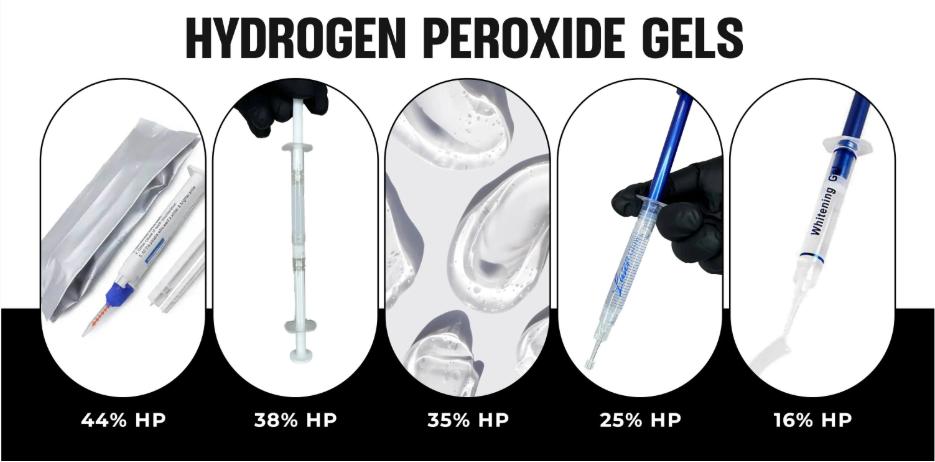
Not sure which teeth whitening gel strength to choose? This guide breaks down the differences between 16%, 25%, 35%, and 44% hydrogen peroxide gels—explaining which is best for sensitive teeth, which delivers the fastest results, and how to safely use each with LED/laser systems. Perfect for dentists, estheticians, and whitening technicians, it’s your go-to resource for matching gel strength to client needs while ensuring safe, comfortable, and dazzling results.
Learn more
Can You Whiten Veneers? How to Remove Stains from Porcelain & Composite Veneers
Porcelain and composite veneers give you a bright, flawless smile – but over time you might notice them losing a bit of luster. Many patients wonder, “Can you whiten veneers once they stain?” The truth is that veneers don’t respond to bleaching gels like natural teeth do. However, that doesn’t mean you’re out of options. In this comprehensive guide, we’ll explain why veneers can appear discolored, how to safely remove stains from veneers, and what you can do to keep your veneer-enhanced smile white for years to come. We’ll also answer all the frequently asked questions about whitening veneers, so you can protect your investment and confidently show off your smile. Can You Whiten Veneers with Teeth Whitening Products? The short answer is no – you cannot whiten the veneer material itself using typical peroxide whitening products. Unlike natural tooth enamel, which is porous, dental veneers are made of non-porous materials (porcelain or composite resin) that do not respond to bleaching agents. Even high-strength whitening gels or strips will not penetrate or alter a veneer’s color. Attempting to bleach veneers at home won’t make them any whiter, and it could irritate your gums or damage your natural teeth without any benefit to the veneers. Standard whitening treatments only work on natural tooth structure, so applying them on veneers is ineffective. In fact, dentists and the American Dental Association caution that while veneers are generally stain-resistant, “they cannot be lightened once they begin to change color”. That said, your smile is not doomed to discoloration just because you have veneers. What can be whitened is often the tooth structure around or behind the veneers, and surface stains that build up on the edges of veneers over time. In the next sections, we’ll look at why veneers might appear dull or yellow as years go by – and how to safely refresh them. Why Do Veneers Look Discolored Over Time? High-quality porcelain veneers are designed to be stain-resistant. In fact, porcelain is a glass-like ceramic that doesn’t pick up pigment easily. Composite resin veneers (and bonding) are a bit more porous, so they can stain slightly faster than porcelain. But all veneers can start to look less bright after many years due to several factors: Surface Stains at the Margins: Dark-colored foods and drinks – coffee, tea, red wine, curry, berries, tobacco – can leave micro-deposits on the tiny seam where the veneer meets your tooth. Over months and years, these pigments accumulate in the edges and between teeth, making the borders of each veneer appear yellow or shadowed. Aging of Bonding Cement: The adhesive resin that bonds the veneer to your tooth can discolor over time. As this dental cement ages or if your gumline recedes exposing it, you might see a darker line or slight color change at the top of the veneer. Natural Tooth Changes: If you had veneers only on some teeth, the surrounding natural teeth might change color (darken or get whiter if you bleach them) and create a contrast. Even the tooth behind a translucent veneer could darken slightly with age. This can make the veneer look less bright by comparison. Wear and Surface Roughening: Years of brushing and consuming acidic foods can very slowly wear down the ultra-thin glaze on a porcelain veneer or the polish on a composite veneer. A rougher surface can attract stains more easily. While porcelain veneers are more resistant to discoloration than composites, neither type is 100% immune to the effects of time. Composite veneers in particular may absorb stains and lose luster faster due to their resin makeup. In short, veneers themselves typically don’t deeply yellow the way natural teeth can, but the little things – surface stains, edge discoloration, minor changes underneath – can add up to a smile that isn’t as sparkling white as it once was. The good news is that these types of discoloration can usually be addressed with proper maintenance or professional care, which we’ll discuss next. How to Safely Remove Stains from Veneers Even though you can’t bleach a veneer whiter than its original shade, there are safe and effective ways to refresh your smile if veneers have taken on stains or a dulled appearance. Here are the best practices for whitening the appearance of veneers: 1. Professional Dental Cleanings: Just as your dentist or hygienist polishes your natural teeth, they can also polish the surface of veneers during a routine cleaning. Regular professional cleanings (every 6 months) help remove surface stains and plaque that make veneers look dull. The polishing paste and tools used by dental professionals can gently buff away many extrinsic stains without harming the veneer. This is often the first and easiest step to brighten your veneers. 2. Cosmetic Veneer Polishing: If a basic cleaning isn’t enough, ask your dentist about a dedicated polishing session for your veneers. Dentists have special fine abrasives and polishing discs that can be used on porcelain or composite veneers to restore their glossy shine. This can significantly improve mild staining or surface roughness. Polishing won’t change the inherent color of the veneer, but it can remove buildup and re-smooth the surface, making them appear brighter. 3. Non-Abrasive Stain Removing Toothpaste: Use a toothpaste formulated for veneers or for whitening without abrasives. Ordinary whitening toothpastes might contain gritty particles (or baking soda) that could scratch porcelain over time. Instead, choose a gel-based fluoride toothpaste or one marked “safe for cosmetic dental work.” These often contain gentle polishing agents that help lift surface stains from veneers without eroding their finish. While such toothpastes won’t dramatically whiten a discolored veneer, they can help maintain brightness and prevent new stains. (Avoid charcoal pastes or any “DIY” abrasive scrub on your veneers – more on that in the FAQ!) 4. Specialized Veneer Whitening Treatments: One exciting development is professional veneer stain-lifting sessions – a targeted form of in-office whitening designed specifically for people with veneers. For example, our LaserGlow offices in Clifton and Edgewater, NJ offer a 20-minute veneer touch-up that uses a concentrated hydrogen peroxide gel and LED light to brighten the edges of veneers. Unlike a full teeth whitening session (which can last 60–90 minutes but doesn’t change porcelain), this short treatment focuses only on oxidizing the stains lurking around each veneer. By applying the whitening gel precisely along the margins where veneers meet enamel, we can lift the yellowish tinge from those micro-gaps without “over-whitening” the porcelain itself. Why try a 20-minute veneer whitening? Here are some benefits: Targets Stains at the Edges: The short peroxide application is concentrated on the stained margins instead of the porcelain front, effectively breaking down pigment where it accumulates most. No Color Mismatch: Because the porcelain veneer material isn’t altered, you won’t end up with uneven color. The treatment simply erases the dark shadows so your veneers return to their original shade. Minimal Sensitivity: Less exposure time means less risk of tooth sensitivity after. Many patients find this micro-whitening causes little to no post-treatment soreness, an ideal perk if the teeth under your veneers have thin enamel. Quick & Cost-Effective: In about 20 minutes, you can see a noticeable improvement in veneer brightness. Since you’re only using a fraction of the chair-time and materials of a full whitening session, the cost is often much lower as well. (Nationwide, a standard one-hour in-office whitening can cost $400–$600, whereas a veneer-focused touch-up might be under $200.) This type of specialized treatment is a safe way to refresh your veneers periodically without replacing them. Always ensure it’s done by a dental professional familiar with cosmetic dentistry. 5. Replacing Old Veneers: What if your veneers are truly discolored internally or have had their outer glaze compromised? Unfortunately, no amount of cleaning will fix deep internal stains or intrinsic color changes in a veneer. In rare cases – such as veneers older than 15-20 years, or those damaged by cracks – the best solution might be to replace them with new veneers. This is the most invasive and costly option, so dentists typically reserve it for when veneers are significantly discolored or defective beyond the help of polishing. The upside is that new veneers can be made in a brighter shade if desired. With good care, a new set of porcelain veneers will last a decade or longer before any notable discoloration occurs. Most patients will not need to replace veneers just for mild staining. By using the above methods – regular cleanings, proper toothpaste, occasional professional touch-ups – you can keep your veneers looking nearly as bright as the day they were placed. Pro Tips for Keeping Veneers White While professional treatments can help when veneers get dingy, the ideal scenario is to prevent stains in the first place. Good oral habits will protect both your veneers and your underlying teeth and gum health. Follow these best practices to maintain a radiant veneer smile: Practice Excellent Oral Hygiene: Brush your teeth (and veneers) twice a day with a soft-bristle toothbrush, and floss daily. Plaque buildup can make veneers look dull and also contribute to staining at the edges, so keeping your mouth clean is key. Consider using a water flosser to clean around veneers – water flossers can reach and rinse out plaque from the small nooks around veneer margins more effectively than string floss. Avoid Stain-Causing Foods & Drinks: Limit your consumption of very pigmented items like coffee, black tea, red wine, cola, soy sauce, curry, and berries. When you do enjoy them, rinse your mouth with water afterward or brush if possible to prevent long contact with the veneer surfaces. Using a straw for drinks like iced coffee and tea can also minimize contact with your front teeth. Skip the Tobacco: Do not smoke or chew tobacco if you want to keep your smile bright. Nicotine and tar are notorious for staining dental work. Smoking will yellow your veneers over time and can also stain the bonding material around them, not to mention harm your gums. Quitting tobacco is one of the best things you can do for your veneers (and overall health). Use Non-Abrasive Dental Products: As mentioned earlier, use gentle toothpaste and avoid abrasive pastes or DIY whitening concoctions on your veneers. Products with baking soda, charcoal, or gritty texture can create microscopic scratches in porcelain, making it easier for stains to latch on. Also choose alcohol-free mouthwash – alcohol can weaken the bond of the veneer adhesive over time. Regular Dental Checkups: See your dentist every six months for cleanings and exams. Not only will they polish your veneers, but they’ll also check the integrity of the bonds and look for any issues (like gum recession or decay at the edges) early on. Routine maintenance will keep your veneers and the teeth supporting them healthy and looking good. Consider a Color-Correcting Rinse/Paste: If you need an instant boost before a big event, you can try a purple-tinted whitening toothpaste or mouth rinse as a temporary fix. These products don’t bleach teeth but use color theory (purple cancels yellow) to give a brighter appearance. They are safe on veneers because they simply deposit a slight tint that makes teeth look whiter for a short time. It’s like make-up for your teeth – just be sure to use it as directed and continue your normal cleaning routine too. By following the above tips, you’ll greatly reduce the chances of your veneers getting stained. Prevention is always easier than cure when it comes to keeping cosmetic dental work pristine. Veneer Teeth Whitening in NJ & FL – A 20-Minute Solution If you’re looking for a quick, safe way to refresh your veneers and you live in New Jersey or South Florida, our team can help. LaserGlow offers a specialized Veneer Teeth Whitening service available at our offices in Clifton, NJ, Edgewater, NJ, and Miami, FL. In just 20 minutes, our trained dental professionals will lift the stains from around your porcelain or composite veneers using a high-intensity peroxide gel and LED light activation. This targeted treatment is designed specifically for veneers – it brightens the areas around the veneers without changing the veneers’ actual color, so you get a rejuvenated smile that looks natural and even. Our Veneer Whitening touch-up is performed by licensed hygienists, and we use enamel-safe gels with protective measures to ensure your gums and underlying teeth stay healthy throughout the process. Most clients see 1–2 shades of improvement at the veneer margins after one session. If you’re in the Clifton, Edgewater, or Miami area, feel free to contact us to book a consultation or appointment. We’ll help you maintain your veneers and keep your smile glowing! Frequently Asked Questions about Whitening Veneers Can you whiten veneers? No. You cannot whiten the porcelain or composite material of veneers using bleaching treatments like you would natural teeth. Traditional whitening gels “bounce off” the veneer’s non-porous surface without any effect. However, you can improve the overall brightness of your smile by removing stains on the tooth structure around veneers or polishing the veneer’s surface. Professional cleanings or specialized in-office veneer whitening (stain-lifting) treatments are the best way to make veneers look whiter. How can I whiten my veneers at home? Unfortunately, there is no safe or effective at-home method to truly whiten veneer material. Whitening strips, LED kits, or gel trays won’t change a veneer’s color. Even “natural” remedies like baking soda or peroxide won’t whiten veneers – the veneers simply don’t respond to these agents. In fact, abrasive home remedies (baking soda, charcoal, lemon juice, etc.) can end up damaging your veneers or the teeth around them. The best thing you can do at home is maintain excellent oral hygiene: brush and floss regularly, use a non-abrasive toothpaste, and avoid stain-causing foods and smoking. These habits will prevent further discoloration. If your veneers still look dull or yellow, the next step is to visit your dentist for professional cleaning or a veneer-specific whitening service. Do veneers stain or turn yellow over time? Porcelain veneers are very stain-resistant, so they generally do not yellow like natural teeth can. Composite resin veneers are a bit more prone to surface staining over the years. That said, both types can develop slight discoloration at the edges or a duller appearance after long-term exposure to staining agents. Common culprits for veneer staining are coffee, tea, red wine, tobacco, curry, and similar substances. Also, if the adhesive bonding your veneer darkens or your gums recede, you might see a line or gap that looks yellowish. Veneers themselves won’t dramatically change color, but they can lose some brilliance after 10-15 years. Regular dental maintenance and mindful habits will minimize any yellowing. What’s the best way to remove stains from veneers? The most effective way is to have your dentist or hygienist professionally clean and polish the veneers. A thorough polishing can often take off external stains. If stains persist, ask about a specialized veneer whitening or stain-lifting treatment – some cosmetic dentists offer a focused whitening procedure to brighten veneer margins (for example, a 20-minute in-office veneer touch-up). Do not try to aggressively scrub veneers at home (like using baking soda scrubs) as you could scratch them. Always opt for professional care for stain removal on veneers. In extreme cases where a veneer is deeply discolored internally, you may need to replace it with a new one. Will whitening toothpaste or strips work on veneers? Standard whitening toothpastes or whitening strips have little to no effect on veneers. Those products are formulated to remove stains from natural enamel and bleach the enamel’s color. Since veneers are artificial material, strips won’t penetrate them. Whitening toothpastes might help clean around the veneers, but if they contain abrasives they can also wear down the veneer’s shine. If you use a whitening toothpaste, make sure it’s a gentle, non-abrasive type. Overall, don’t expect these products to actually whiten the veneers themselves. They are better used for keeping your surrounding teeth bright so there’s no contrast. Can I use baking soda or charcoal to whiten veneers? No – it’s not recommended. Abrasive substances like baking soda or activated charcoal powder may scour away surface stains, but they also risk scratching your porcelain veneers and damaging the enamel at the margins. Acidic DIY concoctions (like lemon juice or apple cider vinegar) are equally bad, as they can erode the tooth surface around the veneer and even cause the edges of veneers to stain more by roughening them. In fact, dental experts warn that home remedies (lemon, baking soda, etc.) can ironically end up staining veneers or causing other issues. It’s best to stick to dentist-approved cleaning methods for your veneers. Will professional teeth whitening damage my veneers? If you have your teeth professionally whitened (for example, the natural teeth that don’t have veneers), it will not damage the veneers. The whitening gel will simply have no effect on the porcelain, and it won’t harm it. Porcelain is quite inert – peroxide gel passes over it without changing its color or structure. Just be aware that whitening your other teeth could make your veneers appear relatively darker if the veneers were originally matched to a previously darker shade. Also, the whitening process can cause temporary sensitivity in natural teeth, but it should not hurt or weaken your veneers. As always, it’s wise to have whitening done under professional supervision, especially if you have cosmetic dental work. How often should I whiten or polish my veneers? Veneers themselves don’t need whitening, but to keep them looking their best you might want a “touch-up” periodically on the areas around them. Most patients with veneers get a professional cleaning every 6 months, which usually suffices to remove minor stains. If you opt for a specialized veneer stain-lifting session (like the 20-minute whitening touch-up), you might do that once a year or every 6 months depending on your diet and habits. Patients with composite veneers or heavy coffee/red wine use may benefit from more frequent maintenance (e.g. a polishing or touch-up every 3-6 months). Your dentist can recommend an ideal schedule. The key is to avoid letting stains build up too long. With regular care, many veneer wearers find they rarely need anything beyond their routine cleanings to keep a white smile. Do composite veneers stain more than porcelain? Yes. Composite resin veneers are generally more prone to staining than porcelain veneers. Porcelain is highly stain-resistant and maintains its color very well over time. Composite is a plastic-based material that can absorb pigments slightly, so composite veneers may yellow or dull faster, especially if exposed to lots of coffee, wine, smoking, etc. Composite veneers also typically last 5-7 years before they might need refurbishing, whereas porcelain veneers last 10-15 years on average. If you have composite veneers, be extra diligent with hygiene and avoiding stains, and you might need professional polishing or more frequent replacement to keep them at peak brightness. What if my veneers are severely discolored or old? If you feel your veneers have become very discolored deep down (not just surface stains), consult your dentist. They will check if the staining is external or internal. External stains can usually be cleaned off or polished. Internal discoloration – which can happen if a veneer’s glaze is worn or if the tooth behind has darkened – cannot be lightened without altering the veneer itself. In such cases, the dentist might suggest replacing the veneer with a new one, especially if the veneer is at the end of its lifespan. Another scenario is if the edges of veneers are picking up stains due to tiny gaps or cracks; sometimes re-bonding or reglazing the veneer can help. Ultimately, replacing the veneers is the definitive solution for severe or intrinsic discoloration. The new veneers can be made in a brighter shade, so replacing them will definitely whiten your smile, albeit at a higher cost than other options. How much does veneer whitening cost? Simple stain removal is often done as part of a regular cleaning, which might cost around the same as a normal dental visit (depending on your insurance or local rates). If you opt for a cosmetic veneer whitening session, the cost is typically a fraction of a full teeth whitening procedure. For example, an hour-long in-office whitening can cost about $400-$600, and yet it won’t change veneer color. A targeted 20-minute veneer stain-lifting treatment might cost roughly $150-$200 because it’s shorter and focuses only on the stained areas. Prices vary by location and provider, so check with your cosmetic dentist. Replacing veneers entirely is the most expensive option – usually $1000+ per tooth – so it’s worth investing in maintenance to prolong the life of your existing veneers.
Learn more
LaserGlow’s 44% Whitening Gel Named Amazon’s Overall Pick
Big news: LaserGlow’s 44% Hydrogen Peroxide Dual-Barrel Whitening Gel has been recognized as Amazon’s Overall Pick for hydrogen peroxide whitening gels. This top-tier recognition is not just a badge — it’s Amazon’s way of highlighting the best overall product in the category. For dental professionals, whitening technicians, and med-spas, this validation confirms what thousands of satisfied clients already know: LaserGlow leads the teeth whitening market with safe, powerful, professional-grade results. What Does Amazon’s Overall Pick Mean? Unlike automated badges such as “Amazon’s Choice,” the Overall Pick is an editorial recommendation. Amazon itself highlights the product as the top recommendation in its category, based on a combination of: Consistently high star ratings and positive reviews Competitive pricing and strong value Verified sales performance and repeat buyers Proven product reliability and trust Being named Amazon’s Overall Pick means LaserGlow isn’t just popular — it’s trusted, effective, and considered the best whitening gel available. Why LaserGlow Leads the Market Professional-Strength Formula At 44% Hydrogen Peroxide, LaserGlow offers one of the strongest whitening gels available anywhere. It’s engineered exclusively for trained professionals, delivering dramatic whitening results in just one session. Exclusive Dual-Barrel Syringe Technology LaserGlow is the first and only brand worldwide to launch a dual-barrel peroxide system at 44%. By keeping active ingredients separated until use, the gel maintains maximum freshness, potency, and stability, ensuring consistent results every time. Trusted Globally by Professionals From dentists and med-spas in the U.S. to aesthetic clinics worldwide, LaserGlow’s 44% Whitening Gel has become the preferred solution for: Dental practices Whitening technician studios Luxury spas and salons Cosmetic clinics This Amazon recognition further validates its standing as the go-to whitening gel for professionals. The Science Behind 44% Hydrogen Peroxide Whitening Gel Hydrogen Peroxide has long been the gold standard for whitening in dentistry. At 44% concentration, LaserGlow’s gel penetrates enamel, breaking down stains caused by: Coffee and tea Red wine Tobacco Aging and discoloration Enamel-Safe ApplicationWhile powerful, LaserGlow’s formula is designed to be safe when applied by trained professionals using gingival barriers and whitening protocols. The result? Brighter smiles, protected enamel, and satisfied clients. Amazon’s Overall Pick vs. Amazon’s Choice It’s important to understand the difference: Amazon’s Choice: Algorithm-driven, based on price, availability, and popularity. Amazon’s Overall Pick: Editorial-driven, highlighting the single best product in the category. LaserGlow holding the Overall Pick means it isn’t just one of many good choices — it’s Amazon’s top recommendation for hydrogen peroxide whitening gels. Why Professionals Choose LaserGlow Over Competitors Strength + Safety: The most powerful professional whitening gel available with proper enamel protection. Innovation: Exclusive dual-barrel syringe design for unmatched stability and potency. Consistency: Proven results session after session, trusted by thousands of pros. Recognition: Validated by Amazon, Health.com, and Verywell Health. Testimonials & Industry Recognition “Clients notice the difference instantly. LaserGlow’s 44% gel is the most effective whitening solution we’ve ever used.” — Verified Professional Buyer LaserGlow has already been featured by major media outlets: Health.com — ranked LaserGlow Purple Toothpaste #1 overall Verywell Health — recognized LaserGlow among the top whitening brands Amazon — now named Overall Pick for hydrogen peroxide whitening gels These endorsements build undeniable trust and credibility. Where to Buy LaserGlow 44% Whitening Gel Direct from our website:👉 LaserGlow 44% Hydrogen Peroxide Whitening Gel On Amazon:Proudly labeled Overall Pick in its category. Search for "LaserGlow Hydrogen Peroxide Teeth Whitening Gel" Wholesale Orders:Professionals can contact us directly for bulk pricing and wholesale orders to stock clinics, spas, and salons. The Future of Whitening with LaserGlow At LaserGlow, innovation is our foundation. From introducing the world’s first 44% Dual-Barrel Whitening Gel to offering professional whitening machines, accessories, and oral-care products, our mission is clear: deliver safe, effective, and professional-grade whitening solutions trusted worldwide. Being named Amazon’s Overall Pick isn’t just a moment of recognition — it’s confirmation that LaserGlow sets the standard for professional whitening products and will continue to lead the future of cosmetic dentistry. Frequently Asked Questions What does it mean to be Amazon’s Overall Pick?It means Amazon highlights LaserGlow as the top product in its category, based on performance, trust, and verified customer ratings. Is LaserGlow’s 44% Whitening Gel safe?Yes — when applied by trained professionals with gingival barriers, it delivers fast whitening results while protecting enamel. Can consumers buy the 44% Gel directly?The gel is formulated for professionals. However, customers in eligible regions can purchase it directly from our website or Amazon. How is LaserGlow different from other whitening gels?LaserGlow is the only brand in the world offering a 44% dual-barrel peroxide system, ensuring unmatched freshness, strength, and professional-grade results. {% if article.handle == "laserglow-44-whitening-gel-named-amazon-s-overall-pick" %} {% endif %}
Learn more
Instant 1-Hour Laser Teeth Whitening in Clifton & Edgewater, NJ – Wedding-Ready Smiles
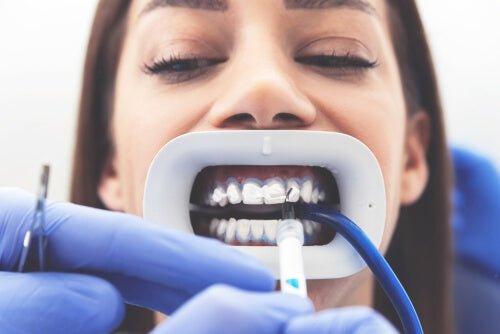
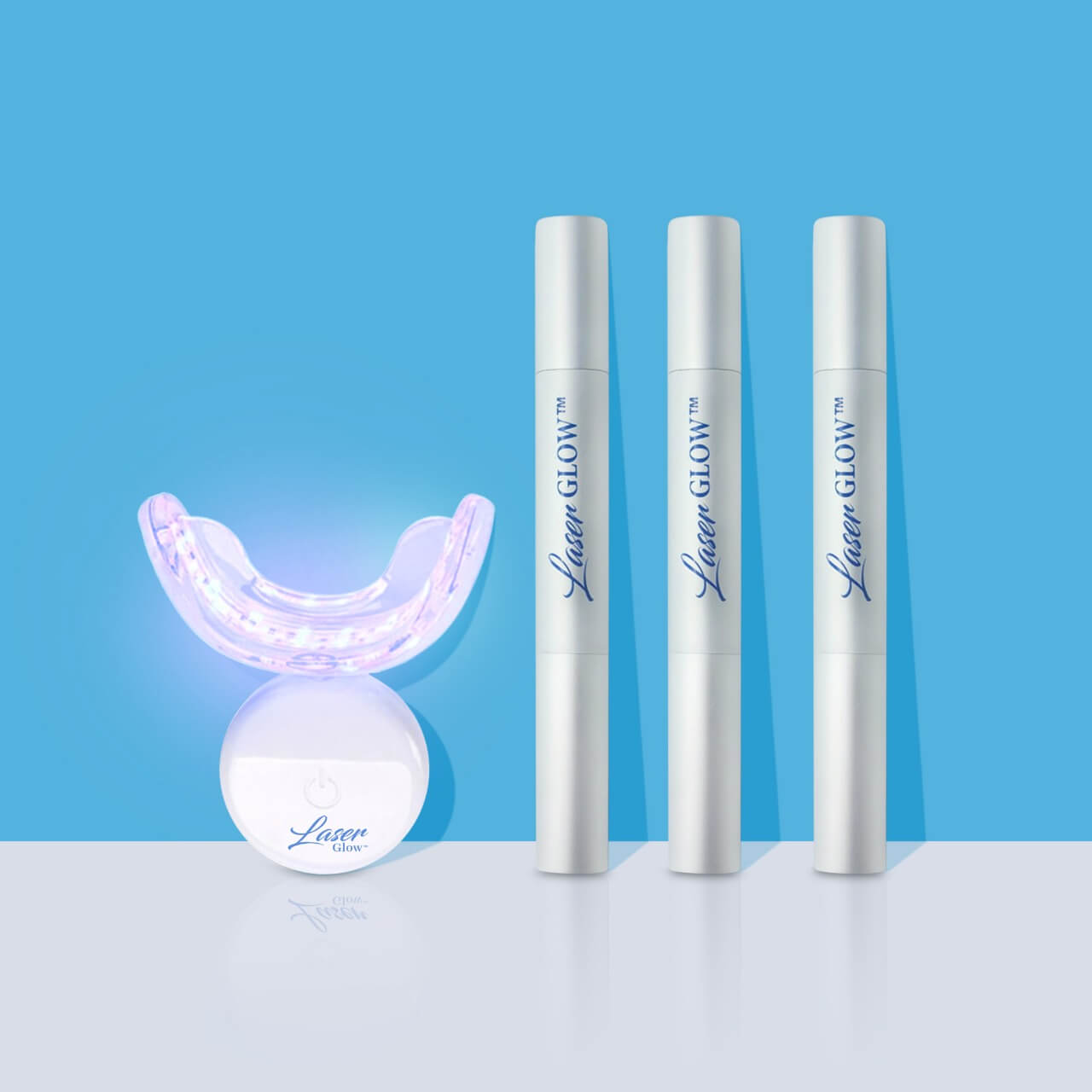
In-Office Laser Teeth Whitening A Brighter Smile in Just One Hour If you’ve been searching for “laser teeth whitening near me in Clifton, NJ” or “in-office whitening Edgewater NJ,” you’ve found your trusted destination. LaserGlow delivers dramatic results in just 60 minutes—perfect for weddings, events, or a well-deserved confidence boost. Licensed dental hygienists · Medical-grade gels · LED laser technology $299 Full Session 1–hour in-office laser whitening $199 Touch-Up Sessions · Maintain your glow Book Clifton, NJ Book Edgewater, NJ Booking from nearby towns? Clients visit us from Montclair, Nutley, Passaic, Hoboken, Fort Lee, North Bergen, Jersey City, and beyond. Smile Upgrade · 60 Minutes Remove years of stains in a single appointment. Coffee, wine, and tobacco stains are gently lifted using enamel-safe hydrogen peroxide gels and powerful LED laser activation. Session Time ~ 60 minutes Sensitivity Low to minimal Results Instantly visible Locations Clifton · Edgewater · Serving Bergen, Essex, Passaic & Hudson counties Why Choose In-Office Laser Whitening Over At-Home Kits? At-home whitening kits, strips, and toothpaste can take weeks to show mild results—and often lead to uneven whitening or increased sensitivity. LaserGlow’s in-office laser whitening provides immediate, professional-grade results that look brighter and last longer. Immediate results – enjoy a whiter smile in a single 60-minute session. Professional application – treatment is performed by licensed dental hygienists. Safe & effective – we use enamel-safe, low-sensitivity peroxide gels. Long-lasting brightness – results typically last up to 6–12 months with proper care. Affordable maintenance – refresh your results with touch-ups for just $199. How the Treatment Works – Step by Step Your whitening experience is fully guided, gentle, and tailored to your smile. Unlike over-the-counter products, this is a controlled treatment performed only by trained professionals. Consultation – your hygienist evaluates your smile and explains the process. Protection – a gingival barrier is applied to protect your gums. Application – professional hydrogen peroxide whitening gel is applied to your teeth. Laser activation – a powerful LED laser accelerates the whitening process. Final reveal – in about 60 minutes, you’ll see dramatic results. Our priority is your comfort and safety. Every session is customized to your sensitivity level and goals so you can leave with a smile that looks naturally brighter—not artificial or over-bleached. Teeth Whitening Near You Serving Clifton, Edgewater & Nearby Towns Whether you’re visiting us from Essex, Passaic, Bergen, Hudson counties—or even commuting from NYC—you’ll enjoy a spa-like experience and instant smile upgrade. Clifton, NJ Location Our Clifton spa-style studio is ideal for clients in Montclair, Nutley, Passaic, Bloomfield, Garfield, and Belleville who want a clean, professional, and relaxing whitening experience. Many clients book before graduations, job interviews, and special life moments—leaving with a brighter, more confident smile in just one visit. Edgewater, NJ Location Our Edgewater spa, near the waterfront, is a favorite for brides, grooms, and event-ready clients from Hoboken, Fort Lee, North Bergen, Weehawken, Jersey City, and Manhattan. Many New Yorkers visit us on their lunch break or after work to whiten before weddings, photoshoots, and vacations. Bridal & Event Whitening Why Brides & Grooms Choose LaserGlow Your wedding day is one of the most photographed days of your life. A bright, white smile is just as important as your dress, suit, and venue. That’s why so many couples in New Jersey trust LaserGlow for bridal teeth whitening. Book your session 1–2 weeks before your big day for best results. Instant whitening that looks natural and radiant in person and on camera. Perfect for engagement shoots, bridal showers, and bachelor/bachelorette parties. LaserGlow has quickly become a top choice for bridal whitening in Edgewater and Clifton thanks to our safe, effective, and fast results. Pricing Transparent Session Pricing No hidden fees Full In-Office Whitening Session $299 Includes one complete in-office laser whitening session using advanced LED technology and enamel-safe gels. Touch-Up Whitening Session $199 Ideal for maintaining your glow every 6–12 months, especially before events or photos. Serving clients across Bergen, Essex, Passaic and Hudson counties, plus NYC commuters. Locations Book Your Appointment Choose the location that’s most convenient for you and schedule your one-hour whitening session online. Clifton, NJ – In-Office Laser Whitening Edgewater, NJ – In-Office Laser Whitening FAQ Common Whitening Questions How long does in-office whitening last? Results typically last 6–12 months, depending on diet and lifestyle. Touch-ups help maintain brightness year-round. Is laser teeth whitening safe? Yes. Our hygienists use enamel-safe gels and protective gingival barriers to keep your gums and enamel healthy. Does whitening damage enamel? No. Professional treatments are formulated to lift stains without weakening enamel when performed as directed. Will I experience sensitivity? Some clients experience mild, temporary sensitivity, but our gels are designed to minimize discomfort as much as possible. Can you whiten veneers or crowns? Whitening only works on natural teeth. However, we can brighten surrounding teeth to better blend with veneers or crowns. How soon before my wedding should I whiten? We recommend booking 1–2 weeks before your wedding or major event so your smile looks its brightest on the big day. Keep Learning Recommended LaserGlow Articles Feature Best Purple Toothpaste – LaserGlow Ranks #1 by Health.com Read article → At-Home Care Brighten Your Smile with LaserGlow Teeth Whitening Strips Read article → For Professionals Professional Teeth Whitening Gel (25% Hydrogen Peroxide) Read article →
Learn more
Professional Teeth Whitening Gel Guide: What Strength to Use, How to Apply, and How to Keep Results
Choosing the right teeth whitening gel is the difference between predictable, even shade change—and sensitivity or uneven results. This guide explains hydrogen peroxide (HP) vs. carbamide peroxide (CP), the best gel percentage for each client type, recommended session times, barrier protocols, LED usage, and aftercare. It also includes a maintenance plan and FAQs to help you deliver consistent, repeatable outcomes. At a glance• HP for fast, in‑office results. 16%–35% HP covers most cases; 44% HP dual‑barrel for experienced pros only.• CP for longer, slower whitening. 44% CP pens for nightly or take‑home maintenance.• Sensitivity management: choose lower % HP, limit exposure time, remineralize with n‑HAP/HA, and use PAP+ between sessions.• Dental work: crowns/veneers/bonding won’t bleach lighter; polish stains and match shade by whitening the surrounding enamel first.• LED light: improves comfort/compliance and helps drive uniform results when paired with correct gel and isolation. Peroxide Chemistry 101: HP vs. CP Hydrogen Peroxide (HP) breaks down rapidly into free radicals that oxidize stains. Ideal for in‑office, short exposure whitening. Carbamide Peroxide (CP) converts to HP plus urea over time. Roughly 10% CP ≈ 3.5% HP release. Best for take‑home or extended wear (pens, trays, aligners). When to prefer HP: fast shade change in one visit; clients with limited time; supervised clinical setting.When to prefer CP: sensitive clients, gradual whitening, touch‑ups, aligner wearers, or nightly routines. Percentage Selection by Client Profile 16% Hydrogen Peroxide — Gentle Professional Start Best for: first‑time whitening, mild sensitivity, maintenance after previous whitening. Typical protocol: 2–3 × 15 minutes. LaserGlow match: 16% HP Whitening Gel. 25% Hydrogen Peroxide — Balanced Power & Comfort Best for: average to moderate staining; clients who want faster change with controlled sensitivity. Typical protocol: 2 × 15–20 minutes. LaserGlow match: 25% HP Whitening Gel. 35% Hydrogen Peroxide — Fast, Pro‑Level Results Best for: heavy coffee/wine/nicotine staining; clients seeking maximum change in one visit. Typical protocol: 2 × 15 minutes (optionally a 3rd shorter pass if tissue response is excellent). LaserGlow match: 35% HP Whitening Gel. 44% Dual‑Barrel Hydrogen Peroxide — Experienced Pros Only Best for: advanced operators using strict isolation and monitoring. Typical protocol: 2 × 10–15 minutes with constant soft‑tissue checks. LaserGlow match: 44% Dual‑Barrel HP Whitening Gel. 44% Carbamide Peroxide — Take‑Home & Overnight Maintenance Best for: slow, steady whitening; aligner or tray use; sensitivity‑prone clients. Wear guidance: pens or trays 30–60 minutes or per tolerance; repeat 2–5 nights/week. LaserGlow match: 44% CP Whitening Pen. Isolation & Safety Protocol (Pro) Pre‑exam & shade: record VITA shade; identify restorations; discuss expectations. Prophylaxis: remove plaque/pellicle; dry field. Isolation: apply Gingival Barrier (laser‑curable) to protect gingiva, papillae, and recession areas; cure thoroughly. Application: place gel in a thin, even layer; avoid pooling near gingiva. Activation: position LED whitening light per manufacturer distance/time; monitor soft tissue continually. Rinse & reassess: suction gel, rinse, check shade/sensation; repeat pass if indicated. Neutralize & soothe: remove barrier; apply desensitizing/HA or n‑HAP solution; advise aftercare. Barrier must‑dos: fully cure, cover 0.5–1.0 mm onto enamel near the gingival margin, and check for pinholes. Replace immediately if any micro‑leaks are seen. LED Whitening Machines: Choosing the Right Unit Entry Model: cost‑effective, ideal for spas/new studios. Pro Model: higher output, stable arms, enhanced timers, ideal for busy operators. Touchscreen Model: advanced presets, session logging, premium client experience. LaserGlow machines pair with all HP gels and our Gingival Barrier for reliable workflows. Sensitivity Management Choose lower % HP or shorten exposure time. Use PAP+ Whitening Powder between visits for stain control without peroxide. Remineralize with HA5 Mouthwash and Day & Night Toothpaste (n‑HAP support). Maintain hydration and avoid extreme temperatures for 24–48 hours. Consider 44% CP Pen for gentle take‑home touch‑ups instead of repeating high‑% HP too soon. Aftercare & Maintenance Routine First 48 hours: Avoid strong pigments (coffee, tea, red wine, curry, dark sauces). Rinse after meals; use HA5 Mouthwash to rehydrate enamel. Ongoing whitening maintenance: Brush twice daily with Day & Night Toothpaste. Use PAP+ Whitening Powder 3–5×/week to lift new stains. For instant brightness before photos: Purple Toothpaste Color Corrector. Touch‑ups: 16%–25% HP in‑office as needed, or 44% CP Pen at home 2–3 nights/week. For aligner users: 6% Peroxide Oxygen‑Infused Foam inside trays for gradual daily whitening. Special Cases Intrinsic/Tetracycline Stains Use multiple shorter sessions with 25%–35% HP, strict isolation, and remineralization between visits. Manage expectations—aim for gradual, cumulative improvement. Crowns, Veneers, Bonding Restorations do not bleach lighter. Polish surface stains, whiten surrounding enamel to match, and consider replacement if mismatch persists. Braces & Aligners Metal/Ceramic brackets: avoid strong bleaching until debonding to prevent uneven squares. Maintain with Purple Toothpaste and PAP+. Clear aligners: whiten while you straighten using 6% Foam or 44% CP Pen with trays. LaserGlow Product Quick Picks 16% HP Whitening Gel — gentle professional whitening. 25% HP Whitening Gel — balanced power/sensitivity. 35% HP Whitening Gel — fast, dramatic shade lift. 44% Dual‑Barrel HP Gel — advanced operators, strict isolation. 44% CP Whitening Pen — take‑home, nightly, sensitivity‑friendly. Gingival Barrier — precise, light‑cured protection. LED Whitening Machines — Entry / Pro / Touchscreen. PAP+ Whitening Powder — peroxide‑free stain lift + enamel support. Purple Toothpaste — instant color correction. 6% Peroxide Oxygen‑Infused Foam — aligner whitening + cleaning. HA5 Mouthwash & Day & Night Toothpaste — sensitivity & remineralization support. FAQ (use FAQPage schema) What strength whitening gel should I start with?Most first‑time or sensitivity‑prone clients do best with 16%–25% HP. Escalate only if needed. Is 35% HP safe?Yes, when used by trained professionals with gingival barrier, strict timing, and monitoring. Does 44% HP work faster?It can, but it requires expert isolation and shorter passes. Consider 35% HP for most cases. Which is better for sensitive clients—HP or CP?CP (e.g., 44% CP) or PAP+ are excellent for sensitivity. Use HP in lower % with shorter exposure. Can I whiten veneers or crowns?No—restorations won’t bleach lighter. Polish stains and whiten natural teeth to match. Do I need an LED light?An LED unit standardizes sessions and improves client comfort/compliance. Choose a stable, adjustable pro unit. How do I keep results white?PAP+ Powder 3–5×/week, Purple Toothpaste for instant brightening, and periodic touch‑ups with 16%–25% HP or 44% CP Pen at home.
Learn more
How Long Do Tooth Gems Last? Aftercare Tips & Myths
Tooth gems usually last anywhere from six months to two years, depending on how they’re applied and how well you take care of them. But if you're wondering, "Will mine fall off in a week?" or "Are they safe for my enamel?" — you're not alone. In this guide, we’ll give you a clear answer about how long tooth gems actually last, what affects their lifespan, and how to care for them properly. Plus, we’ll bust a few popular myths that cause confusion (like whether they ruin your teeth — spoiler: they don’t). Whether you're considering your first gem or want to make your current one last longer, this is everything you need to know — written by professionals, not just influencers. 1. Tooth gems last 6–24 months when applied professionally and cared for properly. 2. Their lifespan depends on factors like adhesive quality, gem type, and daily habits. 3. Gentle brushing, soft foods, and no whitening products can help them stay on longer. 4. Common myths about enamel damage or brushing restrictions are mostly false. 5. They’re safe, removable, and reversible when done by trained professionals. How Long Do Tooth Gems Last? Most professionally applied tooth gems stay on for 6 months to 2 years — sometimes even longer. The actual duration depends on things like: The type of adhesive used (dental-grade vs cosmetic) Your oral hygiene and eating habits Whether it was done by a trained technician or through a DIY kit Some people lose theirs in a few weeks, while others keep it for over 18 months without issues. It really comes down to how well you take care of it and the method used during application. “The most common issue we see is people using non-dental glue at home. That’s why their gems pop off in days,” says Maria Vega, Certified Tooth Gem Technician.” What Affects Tooth Gem Longevity? 1. Adhesive Quality Professional technicians use enamel-safe, dental-grade adhesives that bond the gem without harming the tooth. These are the same materials used for braces and dental brackets. By contrast, most DIY kits use nail glue or cosmetic adhesive, which can wear off in a week — or worse, damage your enamel. Pro Tip: Always ask your technician what type of bonding material they use. 2. Tooth Surface Preparation Tooth gems adhere best to: Clean, dry teeth No residue from fluoride or whitening treatments Slightly etched enamel (a standard prep step by pros) If the tooth isn’t properly prepared, the gem won’t last — no matter how strong the glue is. 3. Gem Type & Weight Heavier gems like gold or opal charms tend to require stronger adhesives and may fall off sooner if not properly bonded. Lightweight gems like Swarovski crystals often last longer because they don’t pull on the adhesive. Gem Type Average Lifespan Swarovski Crystals 6–12 months 18K Gold Charms 6–9 months DIY Plastic Gems 1–3 weeks 4. Application Method: Pro vs. DIY Let’s be real: professional application always wins. Trained technicians: Sanitize your tooth Use correct bonding steps Apply curing lights for max hold Most DIY kits skip these steps entirely, leading to short wear and higher risk of damage. Can I make my tooth gem last longer with a DIY kit? Not really. DIY gems are more likely to fall off — even with perfect care. 5. Your Daily Habits Bad habits = short lifespan. Avoid: Chewing ice or hard candy Brushing aggressively Using whitening toothpaste or charcoal Biting fingernails or pens Instead: Be gentle with brushing Eat softer foods Use a straw for staining drinks Example: Client A had a Swarovski crystal applied by a certified tech and followed all care guidelines. Her gem stayed on for 14 months without shifting or falling off. Client B used a TikTok DIY kit and lost hers in under 5 days. Tooth Gem Aftercare Tips Taking care of your tooth gem properly can make a huge difference in how long it stays on. In fact, aftercare is just as important as the application itself. Whether you just got your first gem or you’ve had one for a while, these simple steps will help you avoid early loss, discomfort, or damage. First 48 Hours: What to Do (and Not Do) The first two days are the most critical. Here’s what to focus on: Do: Rinse with water after eating to keep the area clean Eat soft foods like rice, yogurt, pasta, or smoothies Gently brush the surrounding teeth (not directly over the gem) Sleep on your back if possible to avoid pressure Avoid: Hard, crunchy foods like nuts, candy, or raw vegetables Sticky foods like gum, toffee, or caramel Brushing the gem directly Whitening strips, charcoal paste, or acidic mouthwash Tip: Think of your tooth gem like a new piercing—handle it gently at first. Long-Term Maintenance Tips Once you’ve passed the first 48 hours, these habits can help your tooth gem stay in place for months: 1. Brush Gently — But Don’t Skip It Use a soft-bristled toothbrush and avoid brushing the gem directly with pressure. Floss normally and continue your oral hygiene routine. 2. Watch What You Eat and Drink Cut back on: Hard, chewy, or sticky foods Coffee, red wine, and sodas (they stain over time) Ice chewing (yes, it’s bad even without a gem) 3. Use a Straw for Dark or Acidic Drinks This reduces the contact of staining or acidic liquids with your gem and surrounding enamel. 4. Avoid Harsh Products No whitening pastes, baking soda, charcoal, or alcohol-based mouthwash. These can loosen the bond and stain the gem’s edge. Aftercare Mistakes to Avoid Common Mistake Why It's Bad Brushing too hard Loosens the adhesive Using whitening toothpaste Weakens bond & discolors edges Eating hard/sticky food early Can cause the gem to fall off Skipping hygiene Leads to buildup and decay Tooth Gem Myths, Safety Concerns & Removal Tooth gems are fun and flashy — but they’re also surrounded by a lot of misinformation, especially online. From enamel damage fears to brushing bans, let’s break down what’s fact, what’s fiction, and what you actually need to know if you’re considering one. Myth #1: “Tooth Gems Damage Your Enamel” Truth: If applied properly using dental-grade materials, tooth gems do not harm your enamel. Trained technicians follow a non-invasive process that doesn’t involve drilling or permanent alteration. In most cases, the gem is bonded to the tooth using the same adhesive used for braces — strong, but safe. Fact Check: According to the American Dental Association (ADA), surface bonding for cosmetic purposes is generally safe when done by a licensed or certified provider. Myth #2: “You Can’t Brush Your Teeth” Truth: Yes, you can brush — and you definitely should. Brushing is still essential to keep your mouth clean and avoid buildup around the gem. You just need to be gentle and avoid brushing directly over it with force. Can I brush with a tooth gem? Absolutely — just use a soft toothbrush and avoid excessive pressure. Myth #3: “Tooth Gems Are Permanent” Truth: Tooth gems are semi-permanent and fully removable — without causing long-term damage. If you decide to remove it, a professional can safely detach the gem and polish the area. Most clients report no sensitivity or visible change afterward. Case Example: Jade, a customer in Toronto, had her gem removed after 11 months. Her dentist confirmed no enamel issues and no visible marks left behind. Myth #4: “All Tooth Gems Are the Same” Truth: The type of gem and how it’s applied matter a lot. High-quality materials (like Swarovski crystals or gold charms) applied with dental adhesive will last longer and be safer than low-quality gems or kits found online. DIY kits often skip proper prep and use glue that’s not meant for teeth — which can lead to staining, decay, or even injury. Are Tooth Gems Reversible? Yes — Here’s How Removal by a professional is quick and painless. The gem is gently popped off using a dental scaler or ultrasonic cleaner. The surface is polished, and enamel is inspected to ensure it’s intact. No drilling or numbing required. If you're unhappy with your gem or ready for a change, removal is simple and safe — as long as it’s done by someone who knows what they’re doing. Safety Checklist: When Tooth Gems Are Safe Safety Factor ✔️ Required for Safe Use Dental-grade adhesive ✔️ Yes Proper tooth prep ✔️ Yes Certified technician ✔️ Recommended DIY kit from TikTok ❌ No (risk of damage) Pain or discomfort during wear ❌ No (should be pain-free) FAQs How long do tooth gems stay on? Tooth gems can last 6 months to 2 years when applied by a professional and cared for properly. Their lifespan depends on the adhesive, your oral habits, and whether you avoid foods or products that weaken the bond. Do tooth gems damage your teeth? No, tooth gems do not damage your enamel when applied and removed by a trained technician. They are non-invasive and reversible, similar to temporary dental brackets. Can I eat and drink normally with a tooth gem? Yes, but be cautious. Avoid hard, sticky, or crunchy foods, especially in the first 48 hours. Drinking through a straw is recommended for coffee, soda, or acidic beverages. Can I brush my teeth with a tooth gem? Absolutely. Just use a soft-bristled toothbrush and brush gently around the gem. Avoid aggressive brushing or abrasive toothpastes. Are tooth gems permanent? No, they’re semi-permanent. A professional can safely remove them without affecting your natural tooth. Can I remove a tooth gem at home? It’s not recommended. DIY removal can scratch your enamel or leave adhesive residue. Always visit a certified tech or dentist for safe removal.
Learn more
Can You Whiten Teeth with Braces, Crowns, or Veneers?
Keeping your smile bright is a common goal – but what if you’re undergoing orthodontic treatment or already have dental work like crowns or veneers? Many people wonder “Can you whiten teeth with braces, crowns, or veneers?” The good news is that there are ways to safely improve or maintain your teeth’s whiteness in these situations. However, the approach will differ depending on whether you have braces on your teeth, or permanent restorations such as crowns (caps) or veneers on some teeth. In this comprehensive guide, we’ll answer all your questions about whitening teeth with braces, crowns, or veneers. You’ll learn why traditional whitening might not work the same on dental appliances or restorations, and how to brighten your smile effectively without causing damage. We’ll also highlight LaserGlow’s recommended products – including a Purple Toothpaste color corrector, a PAP+ teeth whitening powder, and an oxygen-infused whitening foam for aligners – which can help you achieve or maintain a whiter smile, even if you have braces or dental work. Let’s dive in! Whitening Teeth with Braces: What Are Your Options? Braces are fantastic for straightening teeth, but they can pose challenges for teeth whitening. Whether you have traditional metal braces on the front of your teeth or modern clear aligners (like Invisalign®), here’s what you need to know: Traditional Exterior Braces (Metal or Ceramic Brackets): If you have brackets and wires on the front of your teeth, whitening becomes tricky. Whitening agents (like strips or gels) cannot reach the enamel under the brackets, so only the exposed parts of teeth will whitenhealthline.com. This means if you bleach your teeth while the braces are on, you risk ending up with “two-toned” teeth – the area under each bracket could remain darker, leaving visible squares once braces come offhealthline.com. For this reason, dentists often advise waiting until after your braces are removed for any intensive whitening treatmentshealthline.com. By waiting, you ensure the entire tooth surface can be evenly whitened for uniform results. Lingual Braces: Lingual braces are attached to the back side of your teeth. With these, your front tooth surfaces are bracket-free, so you could use whitening strips on the fronts. However, trays or gel might not fit perfectly due to the hardware on the backhealthline.com. Still, because the visible front is unobstructed, whitening is more feasible than with regular braces. Many patients with lingual braces choose to do periodic whitening or simply maintain good hygiene and do a full whitening after treatment. Clear Aligners (Invisalign and similar removable braces): If you’re wearing clear plastic aligner trays, you’re in luck – you can whiten your teeth while straightening them quite easily! In fact, aligners can double as whitening trayshealthline.com. You can apply whitening gel or foam inside the aligners and wear them as usual, allowing the bleaching agent to contact your teeth during your daily wear time. Because aligners cover the whole tooth, the whitening will be fairly uniform. Many orthodontic patients love this “kill two birds with one stone” approach: by the end of your aligner treatment (often about a year), your teeth can be straighter and whiter simultaneously. How to Whiten Your Teeth During Braces Treatment While major bleaching might be best saved for after braces (especially with traditional brackets), you don’t have to settle for a dull smile during orthodontic treatment. Keeping your teeth clean and minimizing stains will help ensure you unveil a bright, beautiful smile when the braces come off. Here are some safe whitening options and tips for braces-wearers: Meticulous Oral Hygiene: This is step one. Braces can trap food and plaque around brackets, leading to staining or even permanent marks on enamel. Brush after every meal if possible, and floss daily (using floss threaders or special orthodontic floss picks to get under wires). Excellent hygiene prevents the buildup of yellowish plaque that makes teeth look dull. Remember, plaque and debris are stain magnets – keeping your teeth clean will naturally keep them whiter. Orthodontic-Friendly Whitening Toothpaste: Whitening toothpastes do not deeply bleach teeth, but they contain polishing agents or gentle chemicals to lift surface stains. They are safe to use with braces because they clean the exposed enamel without risking uneven bleaching under brackets. Use a whitening toothpaste two to three times a day to slowly brighten your smile by scrubbing away recent stains. Tip: Avoid overly abrasive toothpaste that could scratch enamel or damage the edges of your braces; choose one labeled enamel-safe. Purple Color-Correcting Toothpaste: A purple-tinted toothpaste is a clever hack to make teeth look whiter instantly, and it’s completely safe to use with braces. How does it work? It applies the principles of color theory: purple is opposite yellow on the color wheel, so purple pigments can neutralize yellow tones on your teeth’s surface. For example, LaserGlow Purple Toothpaste Color Corrector deposits special violet pigments that counteract yellow or brownish hues, giving an immediate optical brightening effect. It won’t bleach your teeth whiter (the effect is temporary and washes away), but it’s fantastic as a cosmetic fix: after brushing, your teeth appear less yellow. This is perfect when you have braces and want a quick boost without risking uneven bleaching. Plus, LaserGlow’s purple toothpaste is peroxide-free and enamel-safe, so you can use it daily without concern. Electric Toothbrush for Stain Removal: Consider using an electric toothbrush to maximize your cleaning power. Electric brushes (especially those with oscillating or sonic technology) remove plaque and surface stains more effectively than manual brushing. Many brands have special brush heads designed for braces that can get into crevices. By keeping your teeth plaque-free and polished, you’ll naturally maintain a whiter look even with braces on. Avoid Stain-Causing Foods and Drinks: While wearing braces, try to minimize consumption of things that easily stain teeth – like coffee, tea, red wine, curry, berries, or cola. When you do enjoy them, rinse your mouth with water afterward to prevent pigments from sitting on your teeth. This simple habit prevents a lot of discoloration. Similarly, avoid tobacco use (smoking or vaping), which can rapidly yellow teeth and braces elastics. By cutting down on staining substances, you make it easier to keep your smile bright. Whitening Strips or Gel (Only with Clear Aligners or Maybe Lingual Braces): If you have removable aligners or braces on the inner side of teeth, you can use normal at-home whitening kits (strips, paint-on gels, or custom trays) because the fronts of your teeth are accessible. With Invisalign® or clear trays, you can even use the trays themselves with a whitening gel. LaserGlow’s Oxygen Infused Whitening Foam is ideal here – it’s a foam toothpaste with 6% hydrogen peroxide formulated to be placed in your aligner trays. You simply pump the minty foam into your aligners and wear them as usual. The foam not only cleans and freshens your aligners, but also whitens your teeth gently over time. Since aligners are typically worn 20+ hours a day, this foam provides prolonged whitening contact safely at a low concentration. Gradual whitening during the months of your treatment means you’ll reveal a dramatically improved smile at the end – straight and beautifully bright. (Note: Whitening gels or foam should not be used with traditional bracket braces, only with clear removable aligners or possibly lingual braces as per your orthodontist’s advice. As Healthline reports, whitening strips or trays aren’t effective with metal braces and will lead to uneven coloration.) In-Office Whitening (for special cases): Generally, orthodontists and dentists will delay any in-office professional whitening until braces are off (because their powerful bleaches can’t reach covered enamel). The exception is if you have aligners or lingual braces – then a dentist could perform whitening on your visible tooth surfaces if desired. Always consult your dentist/orthodontist; but for most metal brace wearers, it’s best to wait. In the meantime, focus on the above methods to keep teeth as white as possible. Bottom Line for Braces: You can do some whitening with braces, but manage expectations. With traditional braces, limit whitening efforts to good hygiene and non-bleaching products (whitening toothpaste or purple color-corrector) to avoid uneven results. With clear aligners, take advantage of whitening foams or gels in your trays to steadily brighten your teeth throughout treatment. Always avoid any method that could bleach only parts of your teeth. If you’re patient and keep your teeth clean, you’ll be rewarded with a gorgeous, evenly white smile once the braces come off. And if you need a little boost in the meantime, tools like an electric toothbrush, purple whitening toothpaste, or a gentle PAP+ whitening powder can safely keep stains at bay. Can You Whiten Teeth if You Have Crowns or Veneers? Now let’s talk about dental crowns and veneers. These restorations are different from braces – they’re permanent (or semi-permanent) parts of your teeth, and they’re made of materials like porcelain or composite resin. Many people get crowns or veneers to improve the appearance of their teeth, often resulting in a whiter, more perfect smile. But what if, over time, your surrounding natural teeth change color or the restorations lose their luster? Can whitening treatments make crowns or veneers whiter? The short answer: Whitening treatments will not lighten the intrinsic color of crowns or veneers beyond the shade they were originally made. In other words, you cannot bleach a crown or veneer to a lighter shade the way you can with natural tooth enamel. This holds true whether the restoration is porcelain, ceramic, or composite resin – these materials are not porous like enamel, so the peroxide or other whitening agents can’t penetrate and brighten them internallycolgate.com. According to the American Dental Association, whitening products simply don’t work on these restoration materialscolgate.com. However, you can remove surface stains from crowns or veneers. Over the years, things like coffee, tea, red wine, or smoking might deposit a slight stain film on the very surface of a porcelain or composite restoration (especially at the margins). While the deep color of the crown/veneer won’t change, a good cleaning or polishing can lift external stains and restore the restoration’s original brightness. Often, what people perceive as a crown “yellowing” is just it collecting surface stains that the natural enamel next to it also picks up. Whitening products may help clean off these superficial stains on restorations, making them look a bit brighter – but they are returning the crown or veneer to its initial color, not beyond that. Given those facts, here are some important guidelines if you have crowns or veneers and want a whiter smile: Whitening Planning if You Expect Crowns/Veneers Whiten First, then Match: If you know you’ll need a crown or want veneers on some teeth, it’s wise to whiten your natural teeth before getting the restoration placedcolgate.com. Dentists can then fabricate your crown/veneer to match the shade of your newly whitened natural teethcolgate.com. Since the crown’s color won’t change later, this ensures a good long-term match. For example, if you whiten to a nice bright shade and then get a porcelain veneer, that veneer will be made in that bright shade. Your natural teeth may slowly re-stain over time, but you can touch them up with whitening and they’ll whiten again – whereas the veneer will stay the original bright shade (only needing polishing of stains). This approach avoids the scenario of a dark crown in a mouth of white teeth. Existing Crowns/Veneers Won’t Whiten Lighter: If you already have crowns or veneers that look darker than you’d like, using whitening gels or strips on them won’t make them magically lighter than their current color. You could whiten all your surrounding natural teeth, but the crown or veneer will remain at its baseline color. In fact, whitening the other teeth might make the mismatch more obvious if the crown was darker – so be cautious. In cases where a crown or veneer is significantly darker or more yellow than the desired shade, the solution might be to replace it with a new one in a lighter color (after whitening the natural teeth to match). Always consult your dentist for the best approach if you’re unhappy with the color of a restoration. How to Maintain a White Smile with Crowns or Veneers Just because you can’t bleach your veneers or crowns whiter doesn’t mean you can’t have a dazzling smile. You simply need to focus on whitening your natural teeth safely and keeping all teeth – natural or not – clean and stain-free. Here are some tips and product recommendations: Use Non-Abrasive Whitening Toothpaste: To avoid scratching porcelain or composite surfaces, choose a gentle, enamel-safe whitening toothpaste. These use mild abrasives or cleaners to remove surface stains without being too harsh. Brushing twice daily with a whitening or stain-removing toothpaste will help polish away the coffee/tea stains from both your natural teeth and any crowns/veneers, keeping them as bright as possible. Just make sure the toothpaste isn’t overly gritty (avoid charcoal pastes on porcelain, for example, unless specifically formulated to be safe on restorations). Incorporate a PAP+ Whitening Powder: A great innovation for those with mixed natural and restored teeth is PAP+ teeth whitening powder. This is a peroxide-free whitening booster you can add to your brushing routine. LaserGlow’s Mint PAP+ Whitening Powder contains Phthalimidoperoxycaproic Acid (PAP) which oxidizes and breaks down stain molecules without the risks of peroxide (no sensitivity, no damage to materials). PAP+ powder gently lifts everyday stains from teeth – it even has nano-hydroxyapatite to strengthen enamel while whitening. The key benefit for those with crowns or veneers is that PAP+ is safe on dental work: it won’t etch or weaken porcelain/composite, and can help polish off surface discoloration on those restorations as well. By using a PAP+ powder daily or a few times a week along with toothpaste, you’ll keep your natural teeth bright and also keep your crowns/veneers looking as clean as when you got them. (Just remember, it cleans stains – it won’t make the crown whiter than it originally was, but a stain-free crown looks its best.) Try a Purple Color Corrector on Restorations: Earlier we mentioned purple toothpaste for braces, but it can be a game-changer for cosmetic restorations too. If you have a veneer or crown that’s slightly more yellow or dull than you’d prefer, brushing with a purple color-correcting toothpaste can make all your teeth appear whiter by balancing out yellow tones. Since the effect is universal and temporary, it works on natural and fake teeth alike. For instance, brushing over a set of teeth that include a couple of veneers with LaserGlow’s Purple Toothpaste will leave a subtle violet filter that tricks the eye into seeing a whiter shade on every tooth. This is a fantastic quick fix before photos or events if you worry about a crown not matching perfectly – it’s like an Instagram filter for your smile, done in real life! And because it’s just topical, there’s no harm to the crown or your enamel. Professional Cleaning and Polishing: Make sure to keep up with regular dental cleanings. Your hygienist can use special polishing pastes and tools to buff away stains on crowns and veneers (and natural teeth) during your cleaning appointments. They can also assess if any of your restorations are accumulating tartar or stain and polish them carefully. Sometimes a professional polishing is all that’s needed to restore a porcelain veneer’s shine if it has become slightly dull. Aim for cleanings at least twice a year, or more frequently if your dentist recommends, especially if you’re a heavy coffee/tea drinker or smoker. Avoid Staining Habits: Just as with braces, limit the usual stain culprits to protect your investment in a white smile. Porcelain is more stain-resistant than natural enamel, but composite resin (often used in bonding or some veneers) can stain more readily. Either way, less exposure to dark pigments means less discoloration. Rinse your mouth or brush after consuming staining beverages. If you smoke, consider quitting or cutting back – nicotine stains can creep around the edges of crowns and veneers, requiring more maintenance. By treating your restorations with the same care (or better) as natural teeth, you’ll keep them looking bright for longer. Whiten the Rest of Your Teeth: If you have a few teeth with crowns/veneers and the rest are natural, you can still whiten those natural teeth to improve your overall smile. Just do it carefully and be aware of the color differences. For example, if you have front veneers that were made to match a certain shade, whitening your other teeth too much could make the surrounding teeth whiter than the veneers. Ideally, aim to whiten to the shade of your veneers. Many people with older dental work use whitening on their untreated teeth to “catch up” to the lighter color of a crown or veneer that was placed years ago. Carbamide or hydrogen peroxide whitening gels, strips, or professional treatments will brighten the natural enamel. They won’t harm your crowns or veneers – so it’s safe to use them – but remember, those crowns just won’t get lighter from the bleach. After whitening, if a particular tooth with a crown still looks out of place, you might then opt to replace the crown. The key point is you can whiten everything else to improve the uniformity of your smile’s color. No Damage to Crowns/Veneers from Whitening: One reassuring fact: using whitening products (peroxide or PAP) will not damage your crowns or veneers. Quality dental ceramics and composites are made to withstand normal oral care products. Peroxides won’t dissolve or weaken the materials, and PAP-based formulas are typically non-abrasive and gentle. So you don’t have to worry that whitening your other teeth will hurt your dental work – it just won’t change its color. If you have any specific material (like a very old crown or a temporary plastic crown), you can always double-check with your dentist, but generally whitening is considered safe for dental restorations in terms of structural effects. FAQ: Common Questions on Whitening with Braces or Restorations Q: Will whitening my teeth with braces on leave spots?A: It can if you use strong whitening products on metal braces. The area under the brackets won’t get whitened, so you may have darker squares when braces come off. That’s why it’s usually best to do major whitening after braces. During braces, stick to whitening toothpaste and good hygiene to minimize staining. If you have clear aligners, you don’t have this issue since the whole tooth is exposed to the whitening agent inside the tray. Q: Do whitening strips or LED kits work with braces?A: Whitening strips cannot be used properly with traditional braces – they can’t adhere over brackets and will only whiten between them. LED whitening kits that require trays also won’t fit well with braces. These methods are fine with aligners (remove the aligner, whiten, then put trays back) or with braces on the inner side of teeth. But with normal braces, skip strips/gels and opt for whitening toothpaste or mouthwash until the brackets are off. Another option: ask your orthodontist about using a whitening foam like LaserGlow’s in place of your normal toothpaste – it might gently whiten around your braces over time without causing uneven bleaching. Q: Can I use hydrogen peroxide or baking soda on my braces to whiten?A: Some DIY methods (dilute hydrogen peroxide rinses or baking soda pastes) are generally safe in moderation, even with braces, but they have limitations. Peroxide rinses might help kill bacteria and slightly lift stains, but too strong a concentration could affect metal brackets or irritate gums. Baking soda can polish stains, but it’s abrasive – it might scrub the metal/brackets and underlying enamel too aggressively if overused. If you try DIY whitening, be gentle: don’t do it daily, and consult your orthodontist. A better approach might be using products designed for braces (like special cleaning foam or just a good orthodontic toothbrush and toothpaste). Always prioritize not damaging the braces or your enamel. Q: My crown (or veneer) looks yellow compared to my other teeth – will whitening help?A: Whitening your natural teeth can help if your other teeth have yellowed over time and the crown looks comparatively whiter (by bringing the natural teeth back up to the crown’s lighter shade). But if the crown itself is the part that’s discolored relative to the rest, whitening won’t change the crown’s internal color. You can remove surface stains on it (using a gentle polishing toothpaste or a PAP+ powder) to ensure it’s at its original lightness. If it’s still too dark, you may need to replace the crown with one that matches your current tooth color goals. In summary, bleach the natural teeth, polish the crown, and if the mismatch persists, talk to your dentist about a new crown. Q: Do whitening products work on fillings or bonded teeth?A: Similar to crowns and veneers, composite fillings or bonding do not bleach lighter than their set shade. A whitening gel will whiten the tooth structure around a white filling, but the filled part will stay the same color. The good news is fillings can often be polished or replaced if needed. PAP+ formulas won’t hurt your fillings and can clean stains from their surface, so it’s fine to use those or any whitening toothpaste over fillings – just don’t expect the filling to change color. If you have a lot of bonding on front teeth and want a whiter smile, plan to whiten your teeth first, then have your dentist color-match new bonding to the brighter shade. Q: Is it safe to use a whitening foam in my Invisalign trays every day?A: Yes – if the foam is formulated for aligners. LaserGlow’s oxygen-infused whitening foam with 6% hydrogen peroxide, for example, is intended for daily use inside aligners. It’s low-strength enough to gently whiten over time without significant sensitivity, and it doubles as an aligner cleaner. Using it daily can actually be more effective and safer than doing one-off harsh whitening treatments because you’re doing slow and steady whitening (which means less tooth sensitivity and a more uniform result). Just be sure to follow product instructions and don’t overfill your trays (excess foam should be spat out). Of course, if you notice any gum irritation, use a little less or take a day off, but generally these products are designed for frequent use by aligner-wearers. Whitening with braces or dental work is definitely possible – it just takes the right strategy. Always remember that natural tooth enamel is the only thing that truly bleaches lighter in color; braces and restorations either cover the enamel or are made of different materials, so our whitening approach adjusts accordingly. With diligent care and the help of modern products (like color-correcting purple paste, peroxide-free PAP+ powder, or aligner whitening foams), you can absolutely keep your smile shining through every stage of treatment. In summary, can you whiten teeth with braces, crowns, or veneers? – Yes, you can maintain and enhance the whiteness of your smile in these scenarios by focusing on stain removal and whitening the teeth that can be whitened. For braces, work around the hardware with good hygiene and safe cleansers, and save the big bleaching for afterward (or use your Invisalign as a whitening tray!). For crowns and veneers, keep them polished and whiten your real teeth to match – but don’t try to bleach the porcelain itself. By following the guidance in this article, you’ll ensure that whether you’re straightening your teeth or flaunting some beautiful dental work, your smile stays bright, white, and confidence-boosting! References: Maintaining a white smile with braces or restorations is backed by dental experts’ recommendations. For instance, Healthline notes that only aligner or lingual brace wearers should use bleaching kits, while traditional braces patients should stick to whitening toothpaste and wait for bracket removal for full whiteninghealthline.com. The ADA confirms that peroxide whitening doesn’t work on porcelain or composite crowns and veneers, which will never be lighter than their original shadecolgate.com. However, gentle stain removal and polishing can keep restorations bright. Whitening products won’t harm braces or dental workcolgate.com – they just need to be used correctly for effective results. With professional guidance and the right at-home care, you can safely whiten your smile no matter what’s on your teeth!
Learn more
How to Get Rid of Bad Breath Permanently – Expert Halitosis Guide
Quick Answer: To get rid of bad breath permanently, you need to identify and treat the underlying cause of your halitosis. In most cases, this means practicing excellent oral hygiene (brushing twice daily, flossing once daily, and cleaning your tongue) and using an alcohol-free antibacterial mouthwash. Address any dental issues like gum disease or cavities, stay hydrated to prevent dry mouth, and avoid habits or foods that cause odor. By treating the root cause – whether it’s oral bacteria, dry mouth, or another health issue – you can permanently eliminate chronic bad breath (not just cover it up with mints or gum). Consistency is key: maintain these healthy habits and your breath will stay fresh for good. Why Does My Breath Still Smell After Brushing? It can be frustrating to brush your teeth and still notice bad breath. Why does your breath still stink even after brushing? The truth is, brushing alone might not be addressing all the sources of odor. Here are some common reasons your breath may still smell after you’ve brushed: Bacteria Hiding Elsewhere: Brushing your teeth cleans only about 25% of your mouth’s surfaces. Odor-causing bacteria can hide in places your toothbrush can’t reach – such as between teeth, on the tongue, or in gum pockets caused by gum disease. If you have untreated cavities or periodontal disease, bacteria thrive in those areas and produce foul odors that persist despite brushing. Similarly, bacteria on the back of your tongue (which has a rough surface) are a major source of bad breath, accounting for up to 80–90% of cases of mouth-related halitosis. If you’re not brushing your tongue or flossing, you’re leaving those bacteria behind. Dry Mouth (Xerostomia): Saliva is nature’s mouthwash – it washes away food particles and keeps bacteria in check. If your mouth is too dry, bacteria can build up and release smelly sulfur compounds. Brushing doesn’t fix dryness. Common culprits for dry mouth include mouth-breathing (especially at night), certain medications, alcohol or tobacco use, and caffeine. That’s why “morning breath” is often bad – saliva production slows down at night, especially if you sleep with your mouth open. If you brush but then your mouth becomes dry, odor can return quickly. Odor-Producing Foods: Some strong-smelling foods can cause lingering bad breath even after brushing. For example, garlic and onions contain oils that enter your bloodstream and lungs, causing a garlic odor to emanate from your breath for up to 24 hours (toothbrushing can’t scrub your bloodstream!). In one study, eating raw apple, raw lettuce, or mint leaves helped deodorize garlic breath faster. So if you had garlic shrimp for dinner, brushing might not fully conquer the smell until the compounds exit your body. Sinus or Throat Infections: Postnasal drip from sinus infections, colds, or allergies can make your breath smell bad. Mucus from your nose can drip down your throat and breed bacteria, leading to odor. If you have chronic sinus issues or tonsillitis (including tonsil stones), you might notice a bad breath that tooth brushing doesn’t touch, since the source is your nasal passages or tonsils rather than your teeth. GERD or Stomach Issues: If you suffer from acid reflux (GERD) or other digestive problems, stomach acids and gases can contribute to halitosis. Chronic reflux can cause a sour, unpleasant odor in your mouth, and brushing your teeth won’t stop acid or partially digested food from coming back up. In such cases, treating the reflux is necessary to improve breath. Smoking and Tobacco: Tobacco products leave chemicals that stick to your mouth tissues and also dry out your mouth. The result is a lingering “smoker’s breath.” Even if you brush, the smoke particles and dry environment can keep your breath smelly. Smoking also increases the risk of gum disease, which compounds the problem. Bottom line: If your breath still smells after brushing, it means something is being missed in your oral care routine or there is an underlying issue. You might be neglecting your tongue or flossing, dealing with dry mouth, or facing non-oral causes like sinus problems or diet. The key is to identify these factors and address them (we’ll cover how to do that in the sections below). Brushing your teeth is important, but fresh breath permanently requires a comprehensive approach beyond just the toothbrush. Can Bad Breath Be Cured Permanently? Yes. In most cases, bad breath (halitosis) can be cured permanently – or at least effectively managed long-term – by treating its root cause. Think of bad breath as a symptom (often of oral bacteria buildup, but sometimes of other issues). If you eliminate the cause, you eliminate the symptom for good. If the cause is poor oral hygiene or bacterial buildup, then improving your daily oral care will cure the bad breath permanently. Many people find that simply adopting consistent brushing, flossing, and tongue cleaning makes chronic bad breath disappear within days to weeks, as the bacterial populations fall to healthy levels. If the cause is gum disease, cavities, or infection, then professional dental treatment (deep cleaning, filling cavities, treating infections) will remove those odor sources. Once treated, maintaining good oral hygiene will prevent recurrence of the smell. If the cause is dry mouth, addressing it can cure your halitosis. For example, if medications cause dry mouth, talk to your doctor about alternatives. Drink plenty of water and use products designed for dry mouth. An alcohol-free, hydrating mouthwash can be especially helpful here – for instance, a mouthwash with hyaluronic acid provides long-lasting moisture and creates an environment where odor-causing bacteria struggle to thrive. If the cause is related to diets or habits (e.g. high-sugar diet, smoking, frequent garlic/onion consumption), making lifestyle changes will permanently improve your breath. Quitting smoking or reducing intake of odor-heavy foods will remove those persistent odors. In cases where bad breath is due to a medical condition (sinus infection, GERD, diabetes, etc.), curing or managing that condition will in turn cure the bad breath. For example, if chronic sinusitis was causing your halitosis, getting proper treatment for it (antibiotics or sinus irrigation) can clear up the smell. It’s important to note that “permanently” doesn’t mean you can fix it once and then ignore oral health afterward. Halitosis can recur if habits slip or new issues arise. The good news is that most people can eliminate chronic bad breath by simple measures like improving oral hygiene. To keep it gone permanently, you’ll need to stick with the healthy habits that cured it. Think of it like staying in shape – you have to maintain the routine. Also, be aware that using gum or mints only masks the problem temporarily – they don’t cure bad breath. To truly cure it, you must address the source of the odor. In the next section, we’ll detail exactly how to do that with a step-by-step approach and product recommendations. How Can I Permanently Get Rid of Bad Breath? (Top Strategies) If you’re ready to banish bad breath for good, follow these science-backed strategies. These tips focus on eliminating the causes of bad breath and establishing a routine that keeps your mouth truly clean and healthy. Combine as many of these tactics as needed – a comprehensive approach will give the best results. Let’s get into the permanent bad breath solutions: 1. Step Up Your Oral Hygiene Game (Brush, Floss, and Scrape): The number one cause of chronic bad breath is poor oral hygiene. Brushing alone is not enough – you need to brush thoroughly twice a day, floss daily, and clean your tongue to remove bacteria and food debris on all fronts. Here’s what an ideal routine looks like: Brush Twice Daily & Use the Right Toothpaste: Brush every morning and every night for at least 2 minutes each time. Use a fluoride toothpaste; even better, use a toothpaste with antibacterial ingredients, which has been shown to reduce bad breath. For example, LaserGlow’s Day & Night Toothpaste system is designed to optimize your brushing: the Day Toothpaste fights stains and tackles bad breath (so you start your day with fresh breath), and the Night Toothpaste works to repair enamel and keep your mouth clean overnight. This round-the-clock approach ensures that odor-causing bacteria are kept in check 24/7. Whichever toothpaste you choose, don’t rush the brushing – cover all surfaces of your teeth and along the gumline. Floss Every Day: Flossing removes the trapped food and plaque between teeth that brushing misses. If you skip flossing, you’re leaving a buffet for bacteria in your mouth. Proper flossing once a day can dramatically reduce bad breath by getting rid of those hidden odor sources. Use regular floss, floss picks, or a water flosser – whatever makes it easiest for you to be consistent. The key is to get between all your teeth daily. Clean Your Tongue: As noted earlier, the tongue is a major source of halitosis. Bacteria on the back of your tongue produce smelly sulfur compounds; you might even notice a white or yellowish coating back there. Make tongue cleaning part of your routine: after brushing your teeth, brush your tongue from back to front a few times (or use a dedicated tongue scraper if you have one). This dislodges the bacterial film and food debris. Studies show tongue cleaning can significantly reduce odor. Many modern toothbrushes have a tongue cleaner on the back of the head – put it to use! By brushing your tongue (gently), you’ll remove one of the biggest contributors to bad breath. 2. Use an Effective Mouthwash (Alcohol-Free is Best): Mouthwash can reach areas of the mouth that brushing might miss, killing additional bacteria and rinsing away debris. But be careful – not all mouthwashes are equal when it comes to curing bad breath permanently. You want a mouthwash that kills germs but doesn’t dry out your mouth. Alcohol-based mouthwashes can make dry mouth worse by stripping away moisture, which might freshen breath for an hour but then cause more odor later. Instead, choose an alcohol-free antibacterial mouthwash. For example, LaserGlow HA5 Hydrating Mouthwash is specifically formulated to freshen breath without drying your mouth. It uses a hyaluronic acid infused formula to actually hydrate and soothe your oral tissues while it kills bacteria. This helps “say goodbye to dry mouth and hello to a refreshing burst of confidence". The hyaluronic acid acts as a “moisture magnet,” keeping your mouth hydrated for hours and creating an environment where odor-causing bacteria struggle to thrive. Plus, it’s gentle (no burning sensation) and contains natural mint for a clean, cool feeling. Using a rinse like this after brushing and flossing, twice a day can greatly enhance your breath by reaching crevices and killing remaining germs. Swish for a good 30 seconds to let it work its magic. Remember: the goal is to kill the bacteria and neutralize odors, not just mask them with strong flavor. 3. Stay Hydrated and Prevent Dry Mouth: We can’t emphasize enough how important a moist mouth is for fresh breath. A dry mouth is a playground for bacteria – less saliva means food particles and cells don’t get washed away, and bacteria proliferate, creating stink. To combat this: Drink Water Frequently: Sip water throughout the day, especially after eating. This simple habit helps wash away food bits and keeps your mouth from getting too dry. If you feel your mouth getting sticky or pasty, that’s a sign to drink up. As a bonus, drinking water after meals can rinse away residues that cause odor and even help prevent tooth decay. Sugar-Free Gum or Mints (with Xylitol): Chewing sugarless gum (especially those sweetened with xylitol) or sucking on a sugar-free lozenge can stimulate saliva flow. More saliva = more natural cleansing and fresher breath. Xylitol also has the benefit of inhibiting bacteria growth. Just be sure it’s sugar-free – regular sugary mints can feed bacteria and make breath worse long-term. Avoid Mouth-Drying Substances: Cut back on caffeine, alcohol, and tobacco, as these all dry out your mouth. If you are in a situation where you consume these (say a morning coffee or glass of wine), be mindful to drink water and maybe chew gum after to counteract the dryness. Similarly, some medications cause dry mouth – if so, ask your doctor or dentist for advice (they might recommend a saliva substitute rinse or an adjustment to your meds). Use a Humidifier at Night if Needed: If you notice you wake up with a very dry mouth (especially if you snore or mouth-breathe), using a bedside humidifier can keep the air moist and help with morning breath. Also, try to breathe through your nose, not mouth, when sleeping. By keeping your mouth moist, you maintain an environment in which the bad bacteria have a hard time flourishing. Saliva is your ally in the fight against halitosis – treat dry mouth seriously to achieve a permanent cure. 4. Watch What You Eat (and Rinse After Meals): Dietary choices can impact your breath more than you might think. To get rid of bad breath permanently, consider these diet-related tips: Limit Odor-Causing Foods: We all know garlic and onions cause bad breath, but also foods like spicy dishes, certain spices, cabbage, some cheeses, and coffee can leave a lingering odor. You don’t have to avoid them entirely, but moderation helps. When you do indulge, plan some extra oral care afterwards (like a good rinse, chewing mint leaves, or an extra brushing if appropriate). Eat a Balanced, Low-Sugar Diet: A diet high in sugar and processed foods can promote gum disease and tooth decay (which cause bad smells). Sticky sugary foods feed bacteria. Focus on crunchy fresh fruits and veggies which naturally clean your teeth and promote saliva flow. Apples, celery, carrots – these are natural toothbrushes that can scrub away plaque and freshen breath. Plus, a healthy diet supports gum health, which is crucial because gum disease is a common cause of chronic bad breath. Herbs and Natural Breath Aids: Certain herbs have breath-freshening properties. Parsley, basil, mint, or cinnamon have natural oils that can mask or neutralize odors. For example, mint leaves (as noted earlier) were shown to help deodorize garlic breath. Chewing on a sprig of parsley or drinking green tea (contains polyphenols that fight bacteria) can give a small boost. These are adjuncts to, not replacements for, the core routine of brushing/flossing, but every bit helps. Rinse or Brush After Eating: When possible, brush your teeth or at least rinse your mouth after meals, especially if the meal contained meat, dairy, or strong flavors. If you’re at work or out and can’t brush, swishing water around or chewing sugar-free gum is a good fallback. The Mayo Clinic even suggests keeping a travel toothbrush at work to use after lunch. Removing food debris promptly means less fuel for bacteria and fewer odors. 5. Quit Smoking and Avoid Tobacco: Tobacco not only makes your breath smell like, well, tobacco, but also dries your mouth and causes gum inflammation. Long-term smokers often struggle with persistent bad breath (among numerous other oral health issues). Quitting smoking is one of the best things you can do – not just for fresh breath, but for your overall health and the health of your gums and lungs. If you use chewing tobacco or other forms, the same applies. There’s simply no way to have truly clean, pleasant breath while using tobacco regularly; the smoke and tar infiltrate the soft tissues of your mouth. The odor from tobacco can linger for days in the mouth and even in the lungs. Talk to your doctor about cessation programs if needed – your breath (and friends and family) will thank you! 6. Treat Any Dental Diseases or Infections: Sometimes, despite your best hygiene efforts, you could still have halitosis due to an underlying issue in your mouth. Two major culprits are gum disease and tooth decay. If you have chronic bad breath, visit a dentist to rule these out: Gum Disease (Gingivitis/Periodontitis): Gum disease causes your gums to pull away from the teeth, creating deep pockets that trap bacteria and debris. It often results in a distinctly bad odor (sometimes described as rotten or metallic). No amount of mouthwash will reach those deep pockets; only a professional dental cleaning or periodontal treatment can remove the buildup. Signs of gum disease include bleeding gums, redness, or gum recession. The good news is that treating gum disease often eliminates the associated bad breath. After treatment, keep up diligent home care and regular dental visits to prevent recurrence. Cavities and Infections: A rotting tooth or an abscess (infection) in the mouth can definitely cause foul breath. If you have a toothache, sensitivity, or visible cavities, get them filled or treated. Similarly, infected tonsils or tonsil stones should be addressed (tonsil stones can be removed or, in recurrent cases, tonsils can be treated by an ENT specialist). Any infection in the mouth, nose, or throat can spawn bad smells, so resolving those is key to a permanent solution. Dental Appliances: If you wear dentures, retainers, or mouthguards, clean them daily. These can harbor bacteria and fungus if not cleaned, leading to bad breath. Brush your dentures and soak them as directed; clean retainers or guards with appropriate solutions. If you don’t, you’ll reintroduce odor each time you put them in. Think of your dentist as a partner in curing your bad breath. They can do a thorough exam and pinpoint any issues that need fixing. Many people are amazed how much fresher their breath is after getting a deep cleaning or a cavity filled – it’s like removing a dead plant from a room, the air suddenly smells cleaner! 7. Check for Underlying Health Problems: If you’ve done all of the above – impeccable oral hygiene, diet changes, no tobacco, dental checkup – and you still have stubborn bad breath, it might be time to look beyond the mouth. Certain health conditions can cause halitosis: Chronic Sinusitis or Postnasal Drip: As mentioned, sinus issues can cause breath issues. Treating the sinus problem (with medication or nasal irrigation) will help. An ENT doctor can help if you have persistent nasal congestion or drainage. Chronic Tonsillitis or Tonsil Stones: Some people have crevices in their tonsils that collect debris and form tonsil stones (those can smell pretty awful). Gargling with salt water, using a water flosser gently on the tonsils, or in some cases minor surgery (tonsil removal) are solutions. A medical professional can advise. GERD (acid reflux): If acid reflux is causing bad breath, focus on treating the GERD. Diet changes (avoiding acidic foods, not eating late at night), antacids or prescribed medications, and elevating your head while sleeping can reduce reflux. As your reflux improves, your breath should too. Diabetes or Metabolic Conditions: Uncontrolled diabetes can cause a sweet, acetone (or fruity) breath odor (due to ketones). Liver or kidney diseases can cause foul, fishy or ammonia-like breath. These are medical issues that require a doctor’s care. If you suspect something like this (e.g. you have other symptoms like weight loss, thirst, or known liver/kidney issues), see your physician. Treating the condition will often resolve the breath issue. Note: These cases are rarer – about 10-15% of halitosis causes are from diseases outside the mouth – but they should be ruled out if nothing else works. In summary, permanently getting rid of bad breath is absolutely achievable for the vast majority of people. It comes down to consistent, thorough oral care and addressing any specific causes that apply to you. Next, we’ll outline a handy daily routine that puts all these tips together – you can use it as a checklist to keep your breath fresh every day. Daily Routine for Fresh Breath (Copy-Paste Checklist) One of the best ways to ensure you maintain fresh breath permanently is to follow a structured daily oral care routine. Below is a simple daily routine you can copy, save, or even stick on your bathroom mirror. This routine integrates all the advice from above (and it’s exactly what dentists and hygienists recommend for long-term clean breath and a healthy mouth): Morning: Brush (Morning Toothpaste): Brush your teeth for 2 minutes with a fluoride toothpaste. For best results, use your Daytime toothpaste (e.g., LaserGlow Day Toothpaste) which is formulated to protect against morning coffee stains and bad breath. Be sure to brush all tooth surfaces and your tongue gently. Floss: Before or after brushing, floss between all teeth to remove any overnight plaque buildup. This prevents “morning breath” bacteria from hanging around. Mouthwash: Rinse with an alcohol-free, hydrating mouthwash for 30 seconds and spit it out. This kills leftover germs and adds a fresh minty finish without drying your mouth (LaserGlow’s HA5 mouthwash is a good choice for morning use since it hydrates while freshening). Hydrate: Drink a glass of water to kick-start saliva flow and wash down any remaining debris. During the Day: After Meals: If possible, brush your teeth or rinse your mouth with water after lunch and any snacks. Keep a travel toothbrush at work or chew sugar-free gum if brushing isn’t an option. Chewing gum (with xylitol) after lunch can help neutralize acids and keep your breath fresh. Water Intake: Continue sipping water throughout the day. Aim for at least 8 glasses a day – staying hydrated ensures continuous saliva production. If you feel peckish, choose a fresh fruit or veggie for a snack (like an apple or carrot) to naturally cleanse your mouth. Evening (Bedtime): Brush (Night Toothpaste + Whitening): Brush your teeth thoroughly for 2 minutes before bed. This time, use your Nighttime toothpaste (like LaserGlow Night Toothpaste) – it’s optimized to repair enamel and work on whitening while you sleep. For an extra boost, you can add a bit of PAP+ Whitening Powder to your toothpaste or use it as directed (sprinkle on your damp toothbrush). This PAP+ powder is a peroxide-free whitening booster that contains nano-hydroxyapatite to strengthen your enamel while removing stains. Not only will you whiten your smile safely, but by keeping your enamel strong and clean, you reduce places for bacteria to hide (indirectly helping your breath). Floss: Don’t skip the floss at night if you haven’t done it in the morning. Flossing at night is great because it removes food particles from your day and prevents them from feeding bacteria overnight. Tongue Clean: Give your tongue a good scrape or brush to clear off any film. This prevents a bacterial breeding ground while you sleep. Mouthwash: Rinse with the alcohol-free mouthwash one more time. This ensures your entire mouth is disinfected and hydrated before sleep. An alcohol-free rinse at night (like the HA5 mouthwash) helps keep your mouth moist through the night and can reduce the severity of “morning breath” significantly. No Late-Night Snacks or Smoking: After you’ve cleaned your mouth, try not to eat or smoke before bed. Going to sleep with a squeaky clean mouth means you’ll wake up with much fresher breath. Follow this routine daily, and you’ll create an oral environment where bad-breath bacteria can’t gain a foothold. It’s all about consistency – each day you maintain these habits, you’re preventing odor from coming back. Think of it as daily “maintenance” for a fresh breath and a confident smile! Frequently Asked Questions (FAQ) Q: Why does my breath still smell bad even though I brush twice a day?A: If you’re diligently brushing but still have bad breath, something might be missing from your routine. First, make sure you are flossing and cleaning your tongue as well – brushing alone leaves behind a lot of bacteria. Also consider factors like dry mouth, diet, or gum disease. You might be dealing with hidden issues such as a cavity, tonsil stones, or reflux. Double-check that your brushing technique is thorough (2 full minutes, covering all teeth). If problems persist, see a dentist to rule out any underlying issues. Brushing is crucial, but it’s only one part of the fresh-breath equation. Q: Can bad breath be cured permanently?A: Yes, in most cases halitosis can be completely cured by addressing its root cause. For many, that means improving oral hygiene and treating any dental problems. For others, it could involve treating a medical issue like sinusitis or GERD. Research and expert consensus agree: once the underlying cause is resolved and good oral care maintained, chronic bad breath should disappear for good. Just remember that “permanent” doesn’t mean you can fix it once and then ignore oral health – you have to keep up the good habits that cured it. Q: What’s the best mouthwash for bad breath?A: The best mouthwash is one that kills germs but does NOT dry out your mouth. Look for alcohol-free, antibacterial mouthwashes. Alcohol-based rinses can make bad breath worse over time by causing dry mouth. Mouthwashes with ingredients like cetylpyridinium chloride (CPC), essential oils, or chlorine dioxide can neutralize odors effectively. For example, LaserGlow’s HA5 Hydrating Mouthwash contains hyaluronic acid for moisture and mint for freshness, and it’s alcohol-free – a combination designed to fight bacteria while keeping your mouth hydrated and comfortable. Products like these can be used daily without the burning sensation, and they help prevent halitosis from coming back by addressing dry mouth. Q: Are there any home remedies that actually work to fix bad breath?A: While nothing replaces good brushing, flossing, and dental care, a few home remedies can help support fresher breath: Baking Soda Rinse: Baking soda can neutralize odors. A small study found that rinsing with a baking soda solution can reduce bad breath effectively. Mix 2 teaspoons of baking soda in a cup of warm water and swish for 30 seconds. Saltwater Gargle: Gargling with warm salt water can help cleanse the throat and tonsils, where smelly bacteria or mucus might reside. This is especially useful if you have a sore throat or tonsil stones. Herbs and Spices: Chewing on fennel seeds or cloves can freshen breath temporarily (fennel has antibacterial properties). Drinking green tea or a strong mint tea can also provide a deodorizing effect. Apple or Parsley: Eating a slice of apple or chewing fresh parsley after a smelly meal (like garlic-heavy food) can counteract odors naturally, as some compounds in these foods neutralize sulfur compounds.These remedies are mostly temporary fixes or adjuncts. They work best in conjunction with, not instead of, a proper oral care routine. Q: My spouse/friend has bad breath. How can I suggest these tips without offending them?A: This is a delicate situation, but remember that bad breath is a common issue – up to 1 in 4 people globally have halitosis at some point. You might approach it with empathy and a helpful tone. For example, you could say you read about some new mouth-care products or routines (like a cool hydrating mouthwash or flavored toothpastes) and suggest trying them together. Sometimes gifting a oral care kit (with a tongue scraper, nice toothpaste, mouthwash) in a lighthearted way can open the conversation. Emphasize that everyone gets bad breath occasionally and that you’re sharing this info because it helped you or someone you know. The key is to be kind and focus on solving it together rather than pointing blame. Once they start following the above tips, they’ll likely notice the improvement and appreciate your help in hindsight! Q: How long does it take to cure bad breath once I start a new routine?A: You might notice improvements within a few days of consistent good oral care. If your bad breath was mainly due to plaque or tongue bacteria, a thorough cleaning and a couple of days of proper routine can make a big difference. For example, when someone starts tongue scraping and flossing regularly, their friends or family often notice fresher breath that same week. However, if the cause was something like gum disease or a sinus infection, it may take a bit longer – you’d need to complete whatever treatment (perhaps a deep dental cleaning or a course of antibiotics) and then you’ll see the full improvement. The important thing is to stick with the routine even after you notice better breath. The longer you maintain these habits, the more you solidify a bacteria-free, clean environment in your mouth. Give it a solid 2-4 weeks of diligent effort; by then, if you’re doing everything, your bad breath should be a thing of the past.
Learn more