Skip to content
📦 FREE US SHIPPING OVER $50+
TRUSTED BY PROFESSIONALS

Professional Teeth Whitening Tips & Techniques for Dental Teams


Professional Whitening • Tips & Techniques

Professional Teeth Whitening Tips & Techniques for Dental Teams

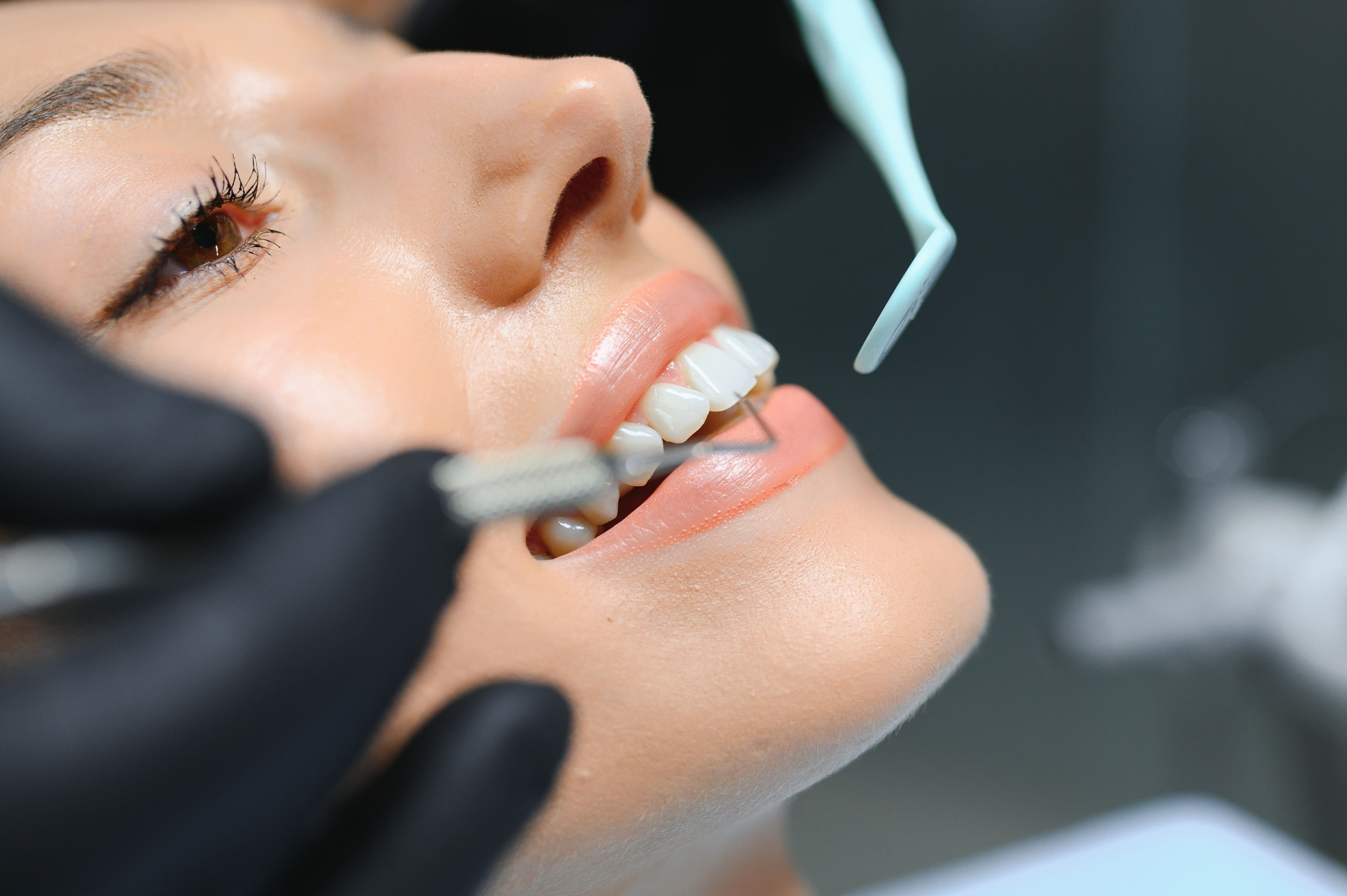
This is the operator playbook: control isolation, place gel with intention, run consistent LED cycles, and prevent sensitivity before it starts. The goal is repeatable results your team can reproduce every time.

Predictable shade lift

Better coverage, less patchiness, fewer “why is this tooth darker?” moments.

Lower tissue irritation

Isolation-first workflow prevents contact, burn, and complaints.

Fewer sensitivity callbacks

Heat control + aftercare reduces regret texts later.

Protocol Cards (print these mentally and make your team follow them)

1

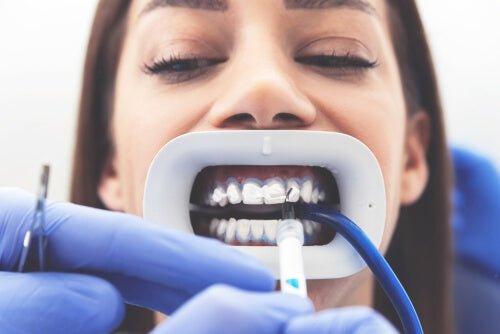
Gel control: thin layer, enamel only, no drift

Fully dry enamel. Apply a thin, even layer within enamel margins. Over-application causes pooling, gingival contact, uneven lift, and irritated tissue. Dual-barrel systems: purge a small amount first for a uniform mix before placement.

2

LED cycles: consistency beats “more time”

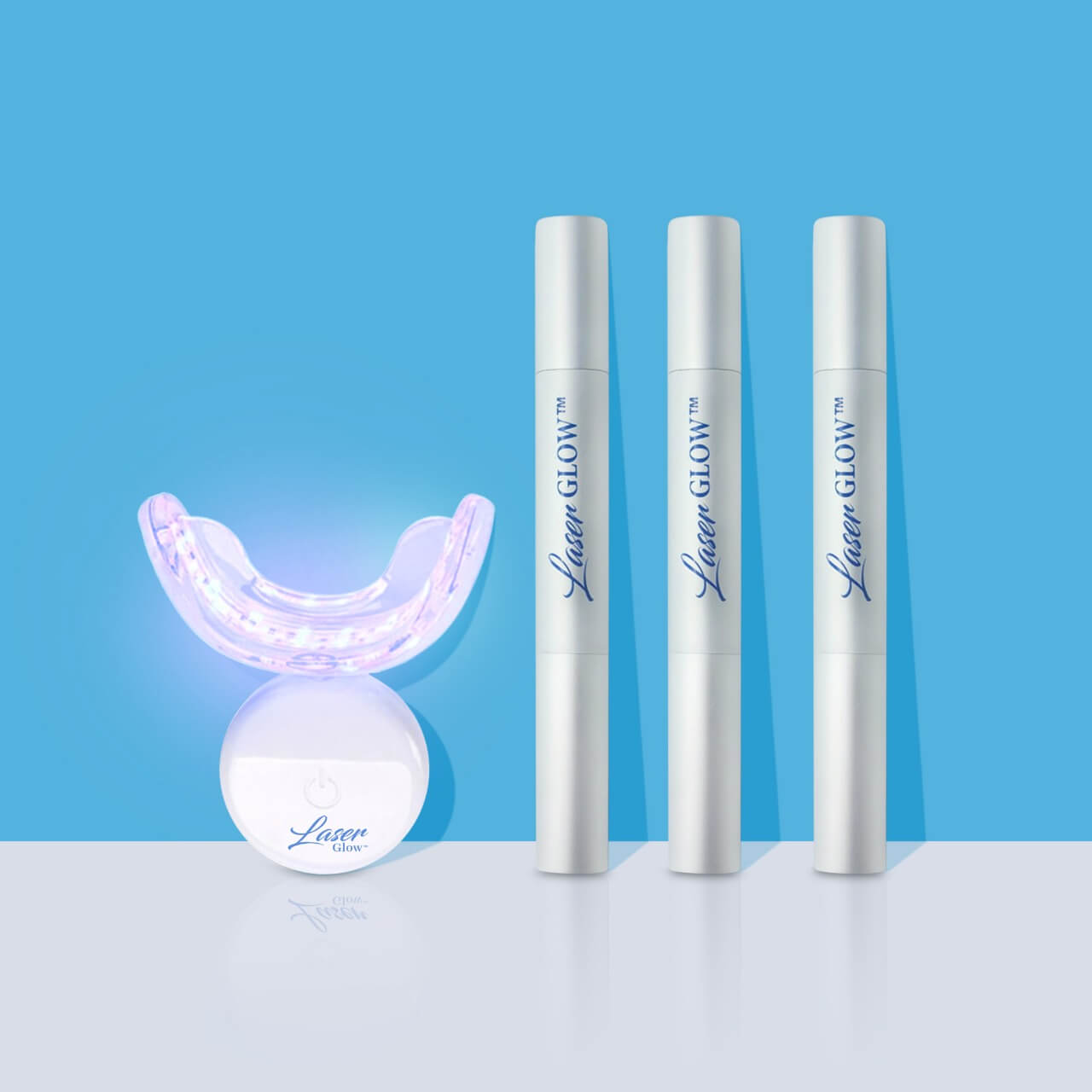
Use manufacturer settings and keep standoff distance consistent. Run measured cycles, pause to suction and inspect tissue, then reassess shade under consistent lighting. Heat management matters more than extending exposure.

3

Strength selection: match chemistry to control

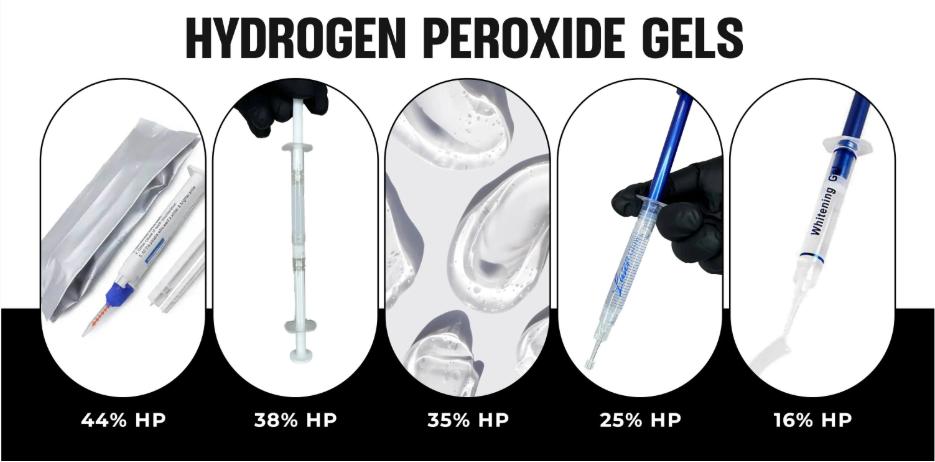
Routine chairside cases often sit at 25–35% HP with proper isolation. Step up only when barrier placement and suction control stay consistently clean. Sensitivity-first workflows can consider peroxide-free options like PAP+ when appropriate.

4

Pre-care: prevent the sensitivity spiral

Baseline shade + photos. Identify recession, root exposure, lesions, or inflamed tissue before you start. Avoid aggressive dehydration. Correct isolation and cycle timing reduce post-op sensitivity.

5

Post-care: stabilize results and comfort

Give clear aftercare: 24–48 hours minimizing strong chromogens, hydrate, manage sensitivity when needed. Maintenance should be planned, not random over-whitening that spikes sensitivity.

6

Marketing: trust-building, not refund-magnet copy

Lead with process clarity, credentials, consistent pricing, and realistic claims. “Instant miracle” language attracts refunds. Documented outcomes and safety protocols attract serious buyers.

Fast session flow (no chaos)

Before Shade/photo baseline, screen for recession, prep tissue protection, dry control.
During Thin enamel-only gel, calibrated LED cycles, suction + tissue checks each cycle.
After Post-care instructions, sensitivity plan, maintenance schedule instead of “winging it.”

Want the full workflows and checklists?

The Professional Teeth Whitening Resource Center includes printable protocols, troubleshooting, gel selection guidance, equipment setup, and templates built for real dental and medspa teams.

Quick FAQ (so your team stops improvising)

What’s the #1 cause of tissue irritation during whitening?

Gel migration from over-application or poor isolation. Use thin enamel-only coverage, verify barrier seal, and keep suction active near the commissures.

Should we always step up to higher % for better results?

No. Higher strengths demand better isolation and heat control. If isolation is inconsistent, results get worse and complaints increase.

How do we reduce sensitivity without killing results?

Control heat, avoid dehydration, run measured cycles, and provide real post-care. For maintenance and sensitivity-first workflows, peroxide-free options like PAP+ can help.

Does LED distance actually matter?

Yes. Coverage and heat change with distance. Use the manufacturer’s standoff guidance and keep it consistent cycle to cycle.