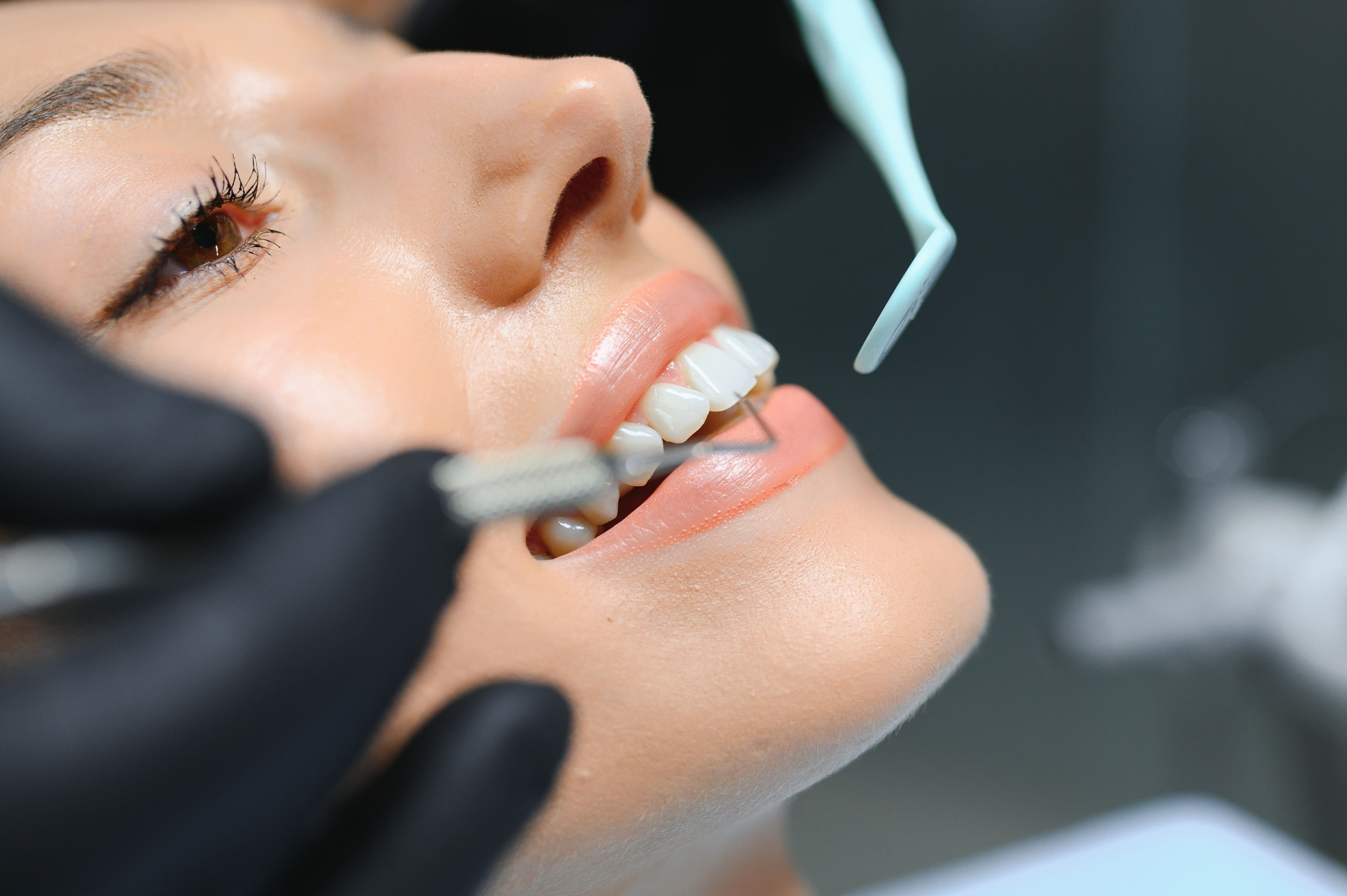
Tooth Sensitivity Guide
Teeth whitening can deliver a brighter smile fast, but for many people, the aftermath is less glamorous. Sharp zings, discomfort with cold drinks, and sensitivity after whitening can turn a cosmetic treatment into an experience people want to avoid repeating. The good news is that post-whitening sensitivity is common, manageable, and often improved with the right aftercare. LaserGlow Desensitizing & Remineralizing Gel Pen was designed to help reduce sensitivity, support remineralization, and strengthen enamel after teeth whitening with a simple 3 mL pen and built-in brush.

This guide explains why teeth become sensitive after whitening, what ingredients matter most for aftercare, how to help relieve tooth sensitivity at home, and why both consumers and whitening professionals should take post-whitening care seriously. Whether you are a customer dealing with zings after an at-home treatment or a whitening professional looking for a better aftercare add-on, this is the page you want in front of the people searching for answers.
Why Teeth Become Sensitive After Whitening
Tooth sensitivity after whitening is one of the most common questions people ask before and after a whitening treatment. It is also one of the biggest reasons some people hesitate to whiten again. Sensitivity can show up as quick zings, discomfort when breathing in cold air, pain when drinking iced coffee, or sharp reactions to ice cream, cold water, or sweets. For some people it lasts only a few hours. For others, it can linger longer if they already deal with general tooth sensitivity.
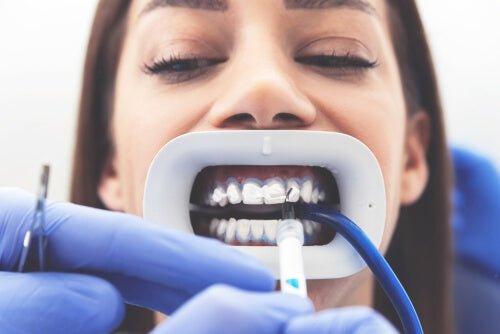
Whitening treatments work by helping break apart stain compounds on the tooth surface and within the enamel structure. That process can temporarily make teeth feel more reactive, especially if the person already has exposed dentin, weakened enamel, or a history of sensitivity. This does not automatically mean something is wrong. It usually means the teeth need proper post-whitening care. That is exactly where a desensitizing and remineralizing gel becomes valuable.
In plain terms, whitening makes your smile brighter, but it can also leave your teeth temporarily more vulnerable to temperature triggers. The mistake many people make is stopping at whitening and skipping the aftercare. That is like paying for the result and ignoring the recovery.
What Does a Desensitizing and Remineralizing Gel Do?
A desensitizing and remineralizing gel is a post-whitening aftercare treatment designed to help improve comfort after whitening and support enamel care. Instead of waiting for sensitivity to go away on its own, this type of formula gives the teeth targeted support after a whitening session. LaserGlow Desensitizing & Remineralizing Gel Pen is designed for exactly that purpose.
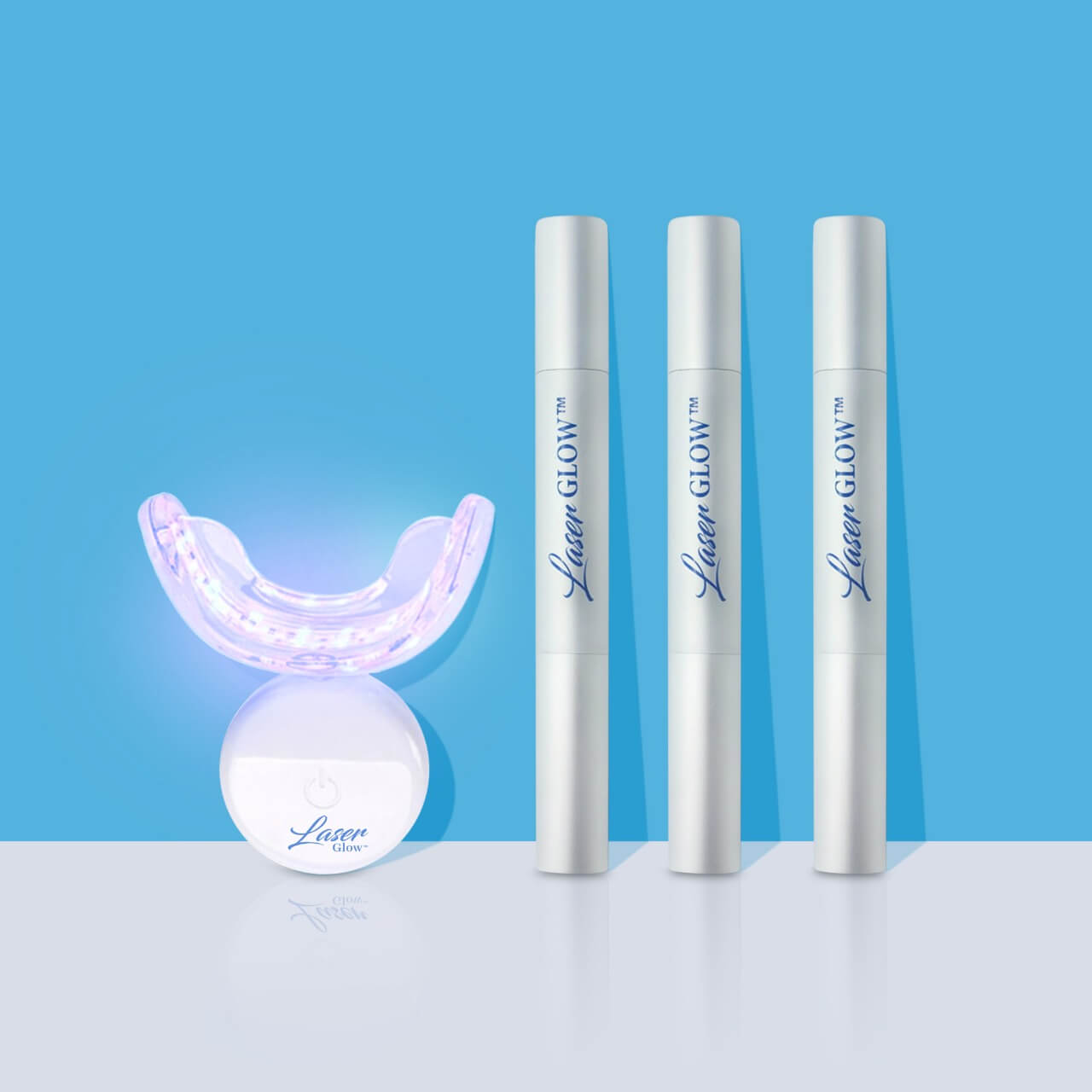
This 3 mL pen features a built-in brush applicator that makes it easy to apply a thin layer of gel directly to the teeth after whitening. It can be used after at-home whitening treatments such as strips, trays, whitening pens, and LED whitening kits. It can also be used by whitening professionals after an in-office treatment as a simple, valuable post-care service.
The goal is not just to reduce discomfort in the moment. A better formula supports the teeth more completely by helping reduce sensitivity and supporting remineralization and enamel strength. That is why the ingredient profile matters.

3 Active Ingredients That Matter for Sensitivity Relief and Enamel Support
A generic sensitivity product is easy to find. A well-positioned post-whitening formula with the right combination of ingredients is harder to find, and that difference matters for both SEO and real product value. LaserGlow Desensitizing & Remineralizing Gel Pen is formulated with three active ingredients: potassium nitrate, calcium phosphate, and sodium fluoride.
Potassium Nitrate
Potassium nitrate is widely used in products designed for sensitive teeth. It helps calm the nerve response inside the tooth, making it especially useful after whitening when teeth may react more strongly to temperature and air exposure. If someone searches for how to stop zings after whitening, how to reduce tooth sensitivity after whitening, or why their teeth hurt after whitening, potassium nitrate is one of the key ingredients they should want to see in the answer.
Calcium Phosphate
Calcium phosphate supports remineralization. After whitening, many users are not just worried about pain. They are also concerned about enamel care, tooth health, and whether whitening made their teeth weaker. A remineralizing ingredient helps support the post-whitening recovery conversation in a much more complete way than a one-note sensitivity claim.
Sodium Fluoride
Sodium fluoride is included to help support enamel strength and improve overall post-whitening care. When paired with potassium nitrate and calcium phosphate, it helps create a broader formula that addresses sensitivity, remineralization, and enamel support together. That gives the product a stronger position for both consumers looking for relief and professionals looking for a more credible aftercare upgrade.
How to Relieve Tooth Sensitivity After Whitening
One of the highest-intent questions people ask is how to relieve tooth sensitivity after whitening. The answer is not complicated, but it does need to be specific. The first step is using a post-whitening product designed for sensitivity support and enamel care. The second is avoiding obvious triggers immediately after treatment, including very cold drinks, ice, and acidic foods. The third is giving the teeth time and support rather than assuming discomfort is just part of the process.
LaserGlow Desensitizing & Remineralizing Gel Pen makes that process simple. Brush and floss the teeth, dry the teeth with a tissue, twist the bottom of the pen until a small amount of gel reaches the brush, smile wide, apply a thin layer to each tooth, relax the lips after 30 seconds, and avoid eating or drinking for 30 minutes. It is an easy aftercare step that fits naturally into both home and professional whitening workflows.
For people asking whether they should use a sensitivity toothpaste, a remineralizing gel, or a fluoride treatment after whitening, the strongest answer is that a targeted post-whitening gel pen offers direct application exactly where it is needed. That is a more focused approach than hoping a general toothpaste eventually gets the job done.
Ever Get Shocks or Zings After Teeth Whitening?
If ice cream, cold water, or an iced Starbucks drink suddenly makes your teeth feel like they are filing a complaint against you, that is post-whitening sensitivity. It is common, but it does not have to be accepted as the price of a brighter smile. A post-whitening gel formulated with potassium nitrate, calcium phosphate, and sodium fluoride helps reduce sensitivity, support remineralization, and strengthen enamel so the whitening experience feels more complete, not more punishing.

General Tooth Sensitivity vs After-Whitening Sensitivity
Another strong search angle is the difference between general tooth sensitivity and sensitivity after whitening. They overlap, but they are not always identical. General tooth sensitivity can be triggered by cold drinks, sweets, air exposure, brushing, gum recession, or weakened enamel. After-whitening sensitivity is often temporary and triggered by the whitening process itself, especially in people who were already prone to sensitivity.
This is why a product that speaks to both needs can perform so well. Consumers searching for relief from general sensitivity often respond to the same ingredient story that matters after whitening: sensitivity relief, enamel support, and remineralization. That gives this topic broader SEO reach than a page that only talks about whitening in a narrow way.
For B2C customers, that means the product can be positioned as both a post-whitening solution and a support step for teeth that are naturally more reactive. For B2B buyers, it means they can offer it as an aftercare recommendation to a wider range of clients, including people who worry about sensitivity before treatment even starts.
Why This 3 mL Pen with Built-In Brush Is a Better Format
Packaging matters more than people admit. A product can have strong ingredients and still underperform if it is annoying to use. LaserGlow Desensitizing & Remineralizing Gel comes in a 3 mL pen with a built-in brush, which makes the application fast, clean, and simple. That matters for customers at home who want a low-effort solution, and it matters even more for professionals who need something easy to integrate into a treatment flow.
For consumers, a pen format feels less messy and more precise than a tub, tray, or hard-to-dispense gel. For professionals, it is easier to explain, easier to retail, and easier to offer as an add-on service after whitening. Convenience is not just a usability feature. It also supports compliance. People are more likely to use aftercare correctly when the product is easy to apply.
Why Whitening Professionals Should Offer Post-Whitening Desensitizing Gel
For whitening technicians, dental professionals, med spas, and salons, aftercare is not just a courtesy. It is part of the overall client experience. A client who gets a bright result but leaves with unmanaged sensitivity may still be less likely to return, refer, or rebook. A client who feels cared for after treatment is much more likely to see the service as premium and complete.
Offering a desensitizing and remineralizing gel as a post-whitening add-on helps solve a real pain point while increasing the value of the appointment. It also gives professionals a cleaner way to answer common questions such as what to use for sensitivity after whitening, how to protect enamel after whitening, and what to do if teeth hurt after treatment.
For B2B SEO and content positioning, that matters. This is not only a consumer product. It is also a whitening aftercare product for professionals who want a better service finish, better client comfort, and a stronger upsell opportunity.
Who Should Use a Desensitizing and Remineralizing Gel Pen?
This product makes sense for several groups. First, it is ideal for people who experience zings, sensitivity, or cold discomfort after using whitening products at home. Second, it is a strong option for people who already have sensitive teeth and want extra support after whitening. Third, it works well for whitening clients leaving an in-office service who want a smoother recovery. Fourth, it gives professionals an easy way to add value after treatment.
In other words, the audience includes both everyday customers and the businesses serving them. That dual-market angle is valuable because it lets one page target consumer questions and professional intent without creating a split identity.
Best Practices for Teeth Whitening Aftercare
If someone asks what to do after whitening to reduce sensitivity, a strong answer includes more than just one product mention. Good aftercare means using a desensitizing and remineralizing gel, avoiding food and drink right after application, being cautious with very cold items, and following the whitening instructions properly in the first place. Overuse, poor timing, and skipping post-care are common reasons people have a rougher experience than they need to.
It also helps to set realistic expectations. Some temporary sensitivity can happen after whitening. That does not mean the treatment failed or that whitening should be avoided altogether. It means aftercare should be part of the routine, not an afterthought. A better smile outcome is not only about shade. It is also about comfort.
Why This Topic Matters for SEO, SGE, and AI Search Results
Search behavior around tooth sensitivity is broad but highly specific. People ask questions like why do my teeth hurt after whitening, how to stop sensitivity after teeth whitening, what helps zings after whitening, does whitening damage enamel, how to strengthen enamel after whitening, and what product helps sensitive teeth after cold drinks. A page that answers all of those naturally, clearly, and with real product relevance has a much better chance of surfacing across search, AI summaries, and answer-style results.
That is why this content should not be written like a thin product pitch. It needs topical depth, ingredient context, practical aftercare advice, and clear use cases for both B2C and B2B audiences. When done right, the page becomes more than a product page. It becomes a resource that Google can pull from and users can trust.
Final Thoughts on Sensitivity Relief and Enamel Support After Whitening
Whitening should make a smile look better, not make cold drinks feel like a punishment. If sensitivity shows up after whitening, the right response is not to ignore it. It is to support the teeth with ingredients and aftercare that actually make sense. LaserGlow Desensitizing & Remineralizing Gel Pen combines potassium nitrate, calcium phosphate, and sodium fluoride in a convenient 3 mL pen with a built-in brush to help reduce sensitivity, support remineralization, and strengthen enamel after whitening.
For consumers, that means a more comfortable post-whitening experience. For professionals, it means a smarter aftercare add-on and a more complete client treatment flow. For SEO, it means this topic can naturally capture a broad range of questions tied to sensitivity, whitening recovery, and enamel support.
Frequently Asked Questions
What helps tooth sensitivity after whitening?
A post-whitening desensitizing and remineralizing gel can help reduce sensitivity and support enamel care after whitening. Ingredients like potassium nitrate, calcium phosphate, and sodium fluoride are commonly used to support comfort and remineralization.
Why do my teeth feel sharp or zing after whitening?
Whitening can temporarily make teeth feel more reactive to cold air, drinks, and other triggers. This is common after whitening and is often improved with proper aftercare and sensitivity support.
How do I strengthen enamel after teeth whitening?
Post-whitening care with ingredients like calcium phosphate and sodium fluoride can help support enamel care after whitening. Avoiding immediate cold or acidic triggers can also help improve comfort.
Can professionals use desensitizing gel after in-office whitening?
Yes. Whitening professionals can offer a desensitizing and remineralizing gel as a post-care add-on to help improve client comfort and support a more complete treatment experience.
Can I use this after whitening strips or an LED whitening kit?
Yes. A post-whitening gel pen can be used after at-home whitening products such as strips, trays, pens, and LED whitening kits to help reduce sensitivity and support enamel care.