Post-Whitening Sensitivity Guide
If your teeth suddenly feel sharp, reactive, or uncomfortable after whitening, you are not imagining it. Sensitivity after teeth whitening is one of the most common concerns people experience after both at-home and professional whitening treatments. The good news is that it is usually temporary, often manageable, and much easier to deal with when you understand what causes it and what helps.

Some people describe it as a quick zing. Others say cold air, ice water, iced coffee, or sweets suddenly make their teeth hurt after whitening. Whether the sensitivity is mild or more noticeable, it usually comes down to the same issue: your teeth are temporarily more reactive after the whitening process. In this guide, we will break down why that happens, how long it usually lasts, what helps reduce sensitivity after whitening, and how both consumers and whitening professionals can support a more comfortable recovery.
Is It Normal for Teeth to Be Sensitive After Whitening?
Yes. Tooth sensitivity after whitening is common. It can happen after whitening strips, trays, whitening pens, LED whitening kits, or professional in-office whitening treatments. For some people, the sensitivity is very mild and short-lived. For others, especially those who already have sensitive teeth, it can feel more intense.
This does not automatically mean the whitening treatment was done incorrectly or that the teeth were damaged. In many cases, it simply means the whitening process temporarily made the teeth more reactive to cold, air, pressure, or sweet foods. That is why proper post-whitening care matters so much.
Why Do Teeth Become Sensitive After Whitening?
Whitening treatments are designed to help break apart stain compounds on and within the tooth structure. During that process, the teeth can temporarily become more sensitive to outside triggers. That sensitivity is often most noticeable when drinking cold beverages, breathing in cool air, or eating foods like ice cream.
People who already have naturally sensitive teeth, thinner enamel, gum recession, or a history of discomfort with cold foods are often more likely to notice sensitivity after whitening. In other words, whitening is not always creating a new problem. Sometimes it is simply making an existing sensitivity issue more noticeable for a short time.
The most common reason people panic is because the pain feels sudden. One minute everything seems fine. Then an iced drink hits and your teeth act like they are filing a formal complaint.
What Does Whitening Sensitivity Feel Like?
Sensitivity after whitening can feel different from person to person. Some people get small electric-like zings. Others feel a dull ache, discomfort when biting into something cold, or sharp sensitivity when drinking cold beverages. It can affect one tooth, multiple teeth, or the entire front smile area depending on the person and the whitening method used.
Some of the most common phrases people search include:
All of those searches are getting at the same underlying concern: how to make whitening more comfortable after treatment.

How Long Does Sensitivity After Whitening Last?
For many people, sensitivity after whitening is temporary and improves within hours or a couple of days. The exact timeline depends on the individual, the strength of the whitening treatment, how long it was used, and whether the person already had sensitive teeth before whitening.
If someone uses a strong whitening system and skips proper aftercare, sensitivity may feel worse or last longer than it needs to. That is why aftercare is not optional if comfort matters. A bright smile is great. A bright smile that does not make cold drinks feel like betrayal is better.
What Helps Reduce Sensitivity After Whitening?
One of the most effective ways to support comfort after whitening is using a post-whitening desensitizing and remineralizing treatment. LaserGlow Desensitizing & Remineralizing Gel Pen is designed for exactly that. It is formulated to help reduce sensitivity, support remineralization, and strengthen enamel after whitening.
The pen contains three active ingredients that support post-whitening care:
Potassium Nitrate
Potassium nitrate is widely used in formulas for sensitive teeth. It helps calm the nerve response in the tooth, which is especially helpful when teeth feel reactive after whitening.
Calcium Phosphate
Calcium phosphate helps support remineralization and enamel care after whitening, giving the product a stronger role than a basic sensitivity-only formula.
Sodium Fluoride
Sodium fluoride helps support enamel strength and overall post-whitening protection, especially when paired with remineralizing ingredients.
This combination matters because people are not just searching for pain relief. They are also asking whether whitening weakens enamel, how to protect teeth after whitening, and what helps strengthen enamel after treatment.

How to Use a Desensitizing Gel After Whitening
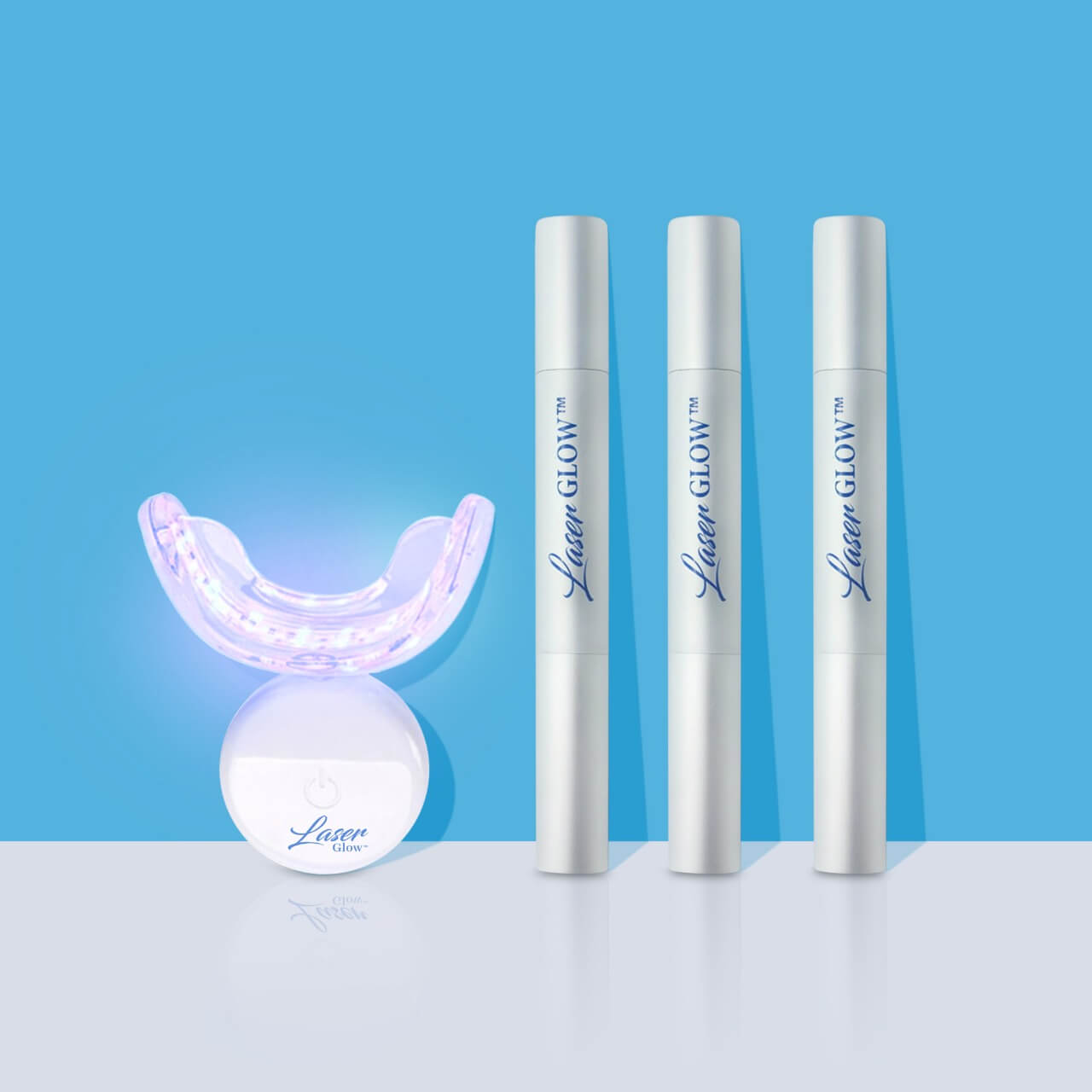
A good aftercare product should be easy to use. LaserGlow Desensitizing & Remineralizing Gel comes in a 3 mL pen with a built-in brush, which makes application fast and direct. Brush and floss your teeth, dry them with a tissue, twist the bottom of the pen until a small amount of gel appears on the brush, smile wide, and apply a thin layer to each tooth. Avoid the gums, relax your lips after 30 seconds, and avoid eating or drinking for 30 minutes after treatment.
That format works well for both everyday consumers and whitening professionals. It is clean, simple, and easy to integrate into a whitening aftercare routine without adding unnecessary friction.
Does Whitening Damage Enamel?
This is one of the biggest search questions around whitening and sensitivity. Most people asking it are really asking whether the discomfort means they harmed their teeth. Temporary sensitivity after whitening does not automatically mean enamel damage. It usually means the teeth are temporarily more reactive and need proper post-treatment care.
That said, whitening should always be used correctly and followed by appropriate aftercare. A post-whitening gel with ingredients like calcium phosphate and sodium fluoride helps support enamel care and gives users a more complete recovery step after treatment.
Sensitive Teeth After Whitening Strips, LED Kits, or Professional Treatments
Not all whitening sensitivity comes from the same source. At-home whitening users often search for phrases like sensitive teeth after whitening strips or teeth hurt after LED whitening kit. Professional treatment clients may search for questions like is it normal for teeth to hurt after in-office whitening. These are different pathways to the same problem: whitening-related sensitivity.
That is why your content strategy should not isolate the topic too narrowly. This article is built to capture broad whitening sensitivity intent across home and professional whitening users. Whether the customer is using trays at home or a professional service in clinic, the same aftercare conversation matters.
What About General Tooth Sensitivity?
General tooth sensitivity and whitening sensitivity often overlap. If someone already has sensitivity with cold drinks, cold air, or sweets, they may be more likely to notice discomfort after whitening. That is why this product can appeal to both audiences: people recovering from whitening and people who already know their teeth tend to be reactive.
For SEO, this matters a lot. It lets the topic naturally reach people asking broader questions about sensitive teeth while still staying tightly relevant to whitening aftercare.
Why This Matters for B2B Whitening Professionals
For whitening professionals, sensitivity is not just a customer concern. It is part of the overall service experience. Clients want a bright result, but they also want to feel comfortable after treatment. A desensitizing and remineralizing gel pen gives professionals a clean, premium aftercare add-on they can use or recommend after in-office whitening.
It also helps professionals answer the exact questions clients ask after treatment:
That makes the product valuable not only for direct retail but also as a service-enhancing aftercare solution.
Best Practices to Make Whitening More Comfortable
If you want to reduce the chance of sensitivity feeling worse than necessary, keep the aftercare simple and consistent. Use a post-whitening desensitizing and remineralizing gel, avoid very cold drinks immediately after treatment, do not overdo whitening beyond instructions, and give the teeth time to recover after treatment.
Most importantly, do not treat sensitivity like it is some bizarre punishment you have to just endure because you wanted whiter teeth. Whitening is common. Sensitivity is common. Better aftercare should be common too.
Final Answer: Why Are My Teeth Sensitive After Whitening?
Your teeth are usually sensitive after whitening because the whitening process temporarily makes them more reactive to temperature, air, and other triggers. This is common, especially for people who already have sensitive teeth. In most cases, it improves with time and proper aftercare.
A post-whitening product like LaserGlow Desensitizing & Remineralizing Gel Pen helps support that recovery by combining potassium nitrate, calcium phosphate, and sodium fluoride in a convenient 3 mL pen with a built-in brush. It helps reduce sensitivity, support remineralization, and strengthen enamel for both B2C users at home and B2B whitening professionals looking to improve client aftercare.
Frequently Asked Questions
Is it normal for teeth to be sensitive after whitening?
Yes. Sensitivity after whitening is common and can happen after strips, trays, LED whitening kits, or in-office whitening treatments.
How long does sensitivity after whitening last?
For many people, sensitivity improves within hours or a couple of days, depending on the whitening treatment and the individual’s baseline sensitivity.
What helps stop zings after whitening?
A post-whitening desensitizing and remineralizing gel with ingredients like potassium nitrate, calcium phosphate, and sodium fluoride can help support comfort after treatment.
Can I use a desensitizing gel after whitening strips?
Yes. A desensitizing gel pen can be used after whitening strips, whitening trays, whitening pens, LED kits, and professional whitening treatments.
Does a remineralizing gel help support enamel after whitening?
Yes. Ingredients like calcium phosphate and sodium fluoride are commonly used to support remineralization and enamel care after whitening.