Can You Whiten Veneers? How to Remove Stains and Keep Veneers Bright
Porcelain and composite veneers do not whiten the same way natural teeth do. Whitening gel cannot bleach the veneer material itself, but stains around veneer edges, natural teeth nearby, and surface buildup can often be improved with the right professional care and daily maintenance.
Reviewed by David Hanna, RDH · Registered Dental Hygienist
Can You Whiten Veneers?
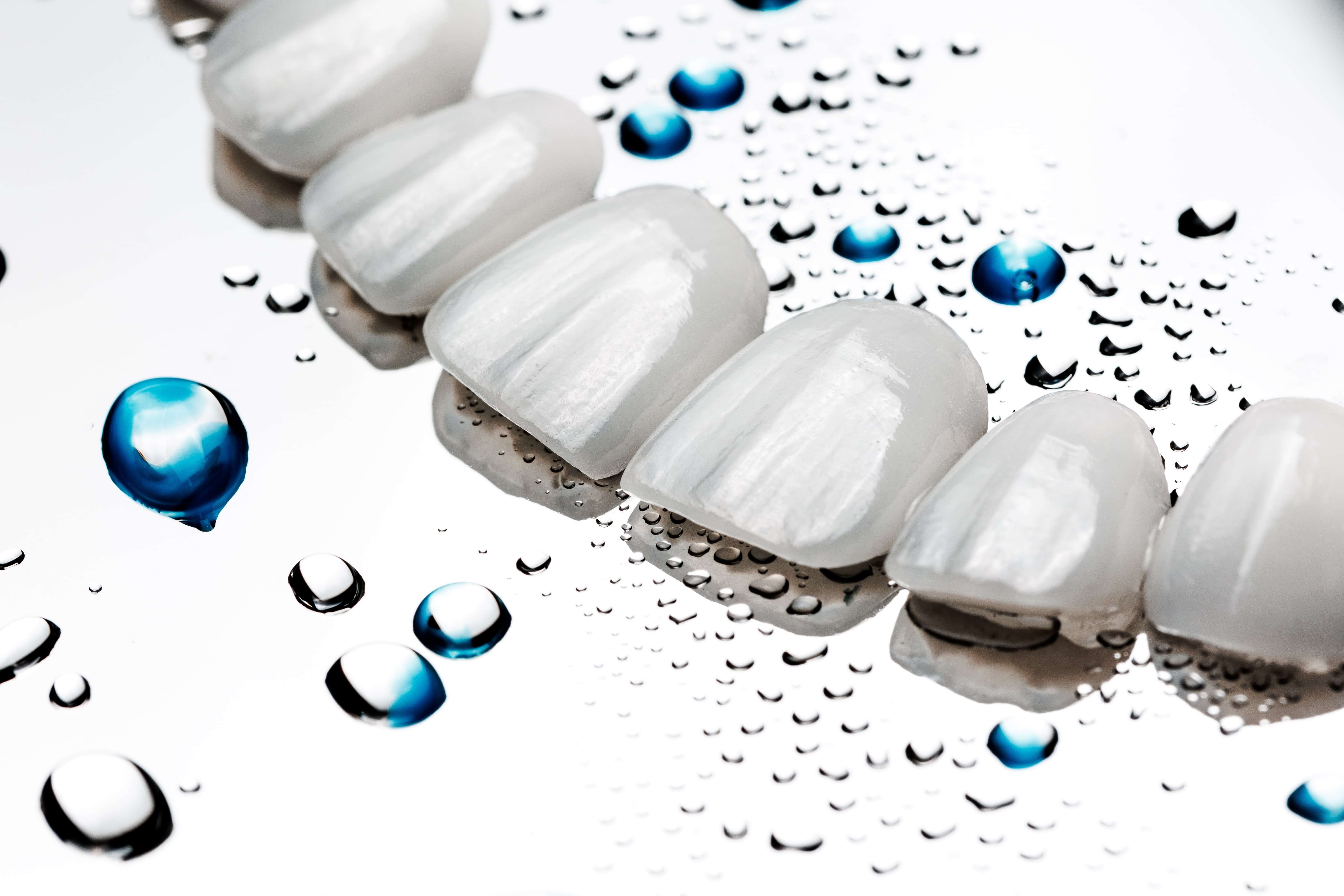
No, you cannot whiten the porcelain or composite veneer material itself with traditional teeth whitening products. Whitening gels, strips, and LED kits are designed to whiten natural tooth enamel. Veneers are artificial restorations, so peroxide whitening gel does not penetrate or change their actual shade.
That does not mean your veneer smile is stuck looking dull forever. In many cases, what people call “yellow veneers” is really staining around the veneer margins, dull surface buildup, discoloration on nearby natural teeth, or aging bonding material. Those issues can often be improved without replacing the veneers.
Quick answer: Veneers cannot be bleached whiter than their original shade, but the appearance of veneers can often be refreshed by polishing the surface, cleaning the margins, removing stains around the edges, and whitening nearby natural teeth when appropriate.
Why Veneers Can Look Yellow or Dull Over Time
Porcelain veneers are stain-resistant, but they are not maintenance-free. Composite veneers are more likely to stain because composite resin is more porous than porcelain. Even if the veneer itself does not deeply yellow, the overall smile can look darker for several reasons.
Coffee, tea, red wine, curry, berries, tobacco, and dark sauces can collect where the veneer meets the tooth.
The cement or resin around the veneer can discolor over time, especially near the gumline.
Nearby natural teeth can darken or whiten differently, making veneers appear mismatched.
A worn or roughened surface can collect stains more easily and lose that fresh polished look.
Important: If your veneers look darker, the first step is figuring out whether the issue is surface staining, margin staining, natural tooth color, gum recession, bonding discoloration, or veneer age. Guessing is how people end up buying three whitening kits that do absolutely nothing for porcelain. Humanity’s little shopping treadmill continues.
How to Safely Remove Stains from Veneers
Since veneers cannot be bleached like natural enamel, the safest approach is to clean, polish, and maintain them properly. The right solution depends on where the discoloration is coming from.
1. Professional Dental Cleaning
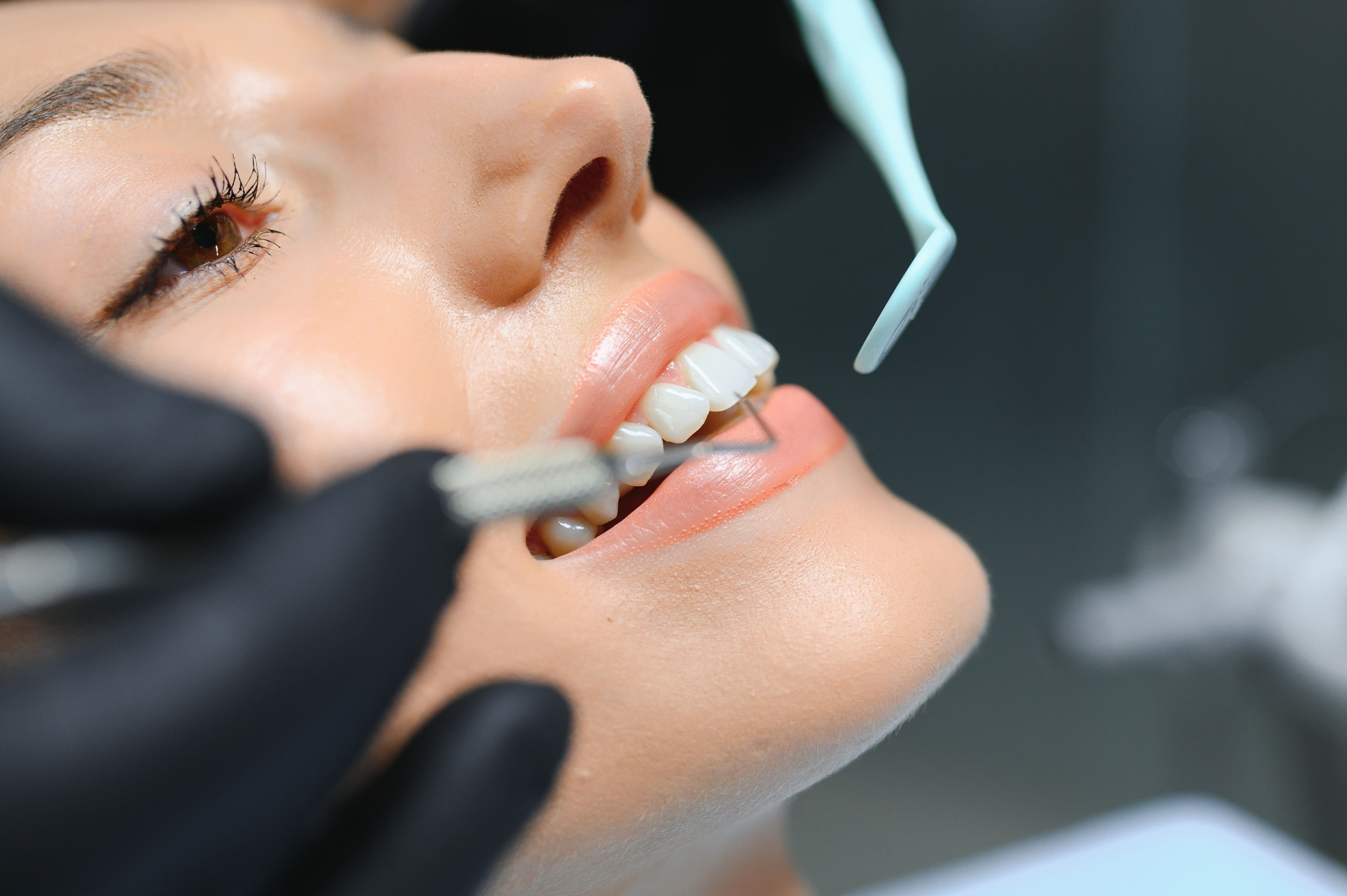
A dentist or hygienist can clean around the veneer margins, polish the surfaces, remove plaque buildup, and check whether the veneer bonds are healthy. This is usually the first step if veneers look dull.
2. Cosmetic Veneer Polishing
If surface dullness is the issue, a dental professional may polish porcelain or composite veneers using appropriate tools and materials. This can help restore shine without changing the veneer’s original shade.
3. Gentle Daily Products
Use a non-abrasive toothpaste and a soft toothbrush. Avoid charcoal, baking soda scrubs, lemon juice, apple cider vinegar, or harsh DIY stain removers. Those can scratch the veneer surface or irritate the tooth and gums around it. Naturally, the internet will suggest them anyway, because chaos has Wi-Fi.
4. Targeted Veneer Margin Touch-Up
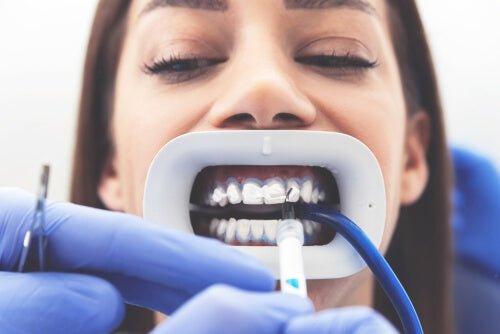
Some veneer smiles benefit from a targeted in-office stain-lifting treatment around the veneer edges. This does not whiten the porcelain itself. Instead, it focuses on stains near the margins and nearby natural tooth structure so the smile looks cleaner and brighter.
5. Veneer Replacement
If a veneer is old, cracked, internally discolored, poorly matched, or has lost its surface finish, replacement may be the only way to make it truly brighter. This is usually the last option, not the first.
LaserGlow Veneer Whitening: A 20-Minute Veneer Touch-Up
LaserGlow offers a specialized veneer whitening touch-up for clients who want to refresh the appearance of veneers without expecting the veneer material itself to bleach. The treatment is designed to target staining around the veneer margins and brighten the surrounding smile area.
This is different from a full teeth whitening treatment. A full whitening session targets natural enamel. A veneer touch-up focuses on the stain-prone areas around veneers, especially where pigment can collect near the edges.
Clear expectation: Veneer whitening does not change the original porcelain or composite shade. It helps improve the appearance of staining around veneers, margin discoloration, and nearby natural tooth contrast.
Available LaserGlow veneer whitening locations
How to Keep Veneers White and Bright
The best way to keep veneers looking bright is prevention. Veneer maintenance is less dramatic than replacing veneers later, which is nice because dental bills are already committed to being theatrical.
- Brush twice daily with a soft toothbrush.
- Floss daily to reduce plaque and staining around veneer edges.
- Use non-abrasive toothpaste.
- Avoid charcoal toothpaste, baking soda scrubs, lemon juice, and vinegar-based DIY whitening.
- Limit coffee, tea, red wine, curry, berries, soy sauce, and tobacco.
- Rinse with water after stain-heavy foods and drinks.
- Schedule regular dental cleanings and veneer checks.
- Use a water flosser if recommended by your dental provider.
For stain prevention tips, read our guide on foods that stain teeth after whitening.
Can Purple Toothpaste Help Veneers Look Brighter?
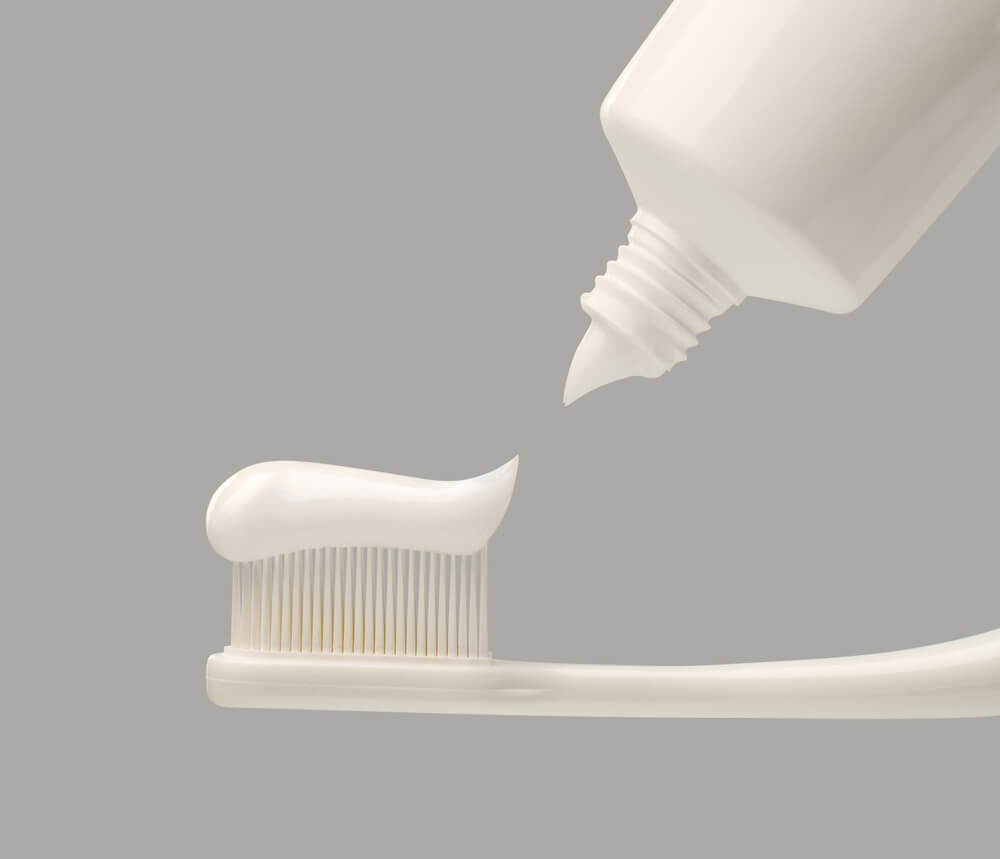
Purple toothpaste does not whiten veneers or bleach enamel. It works as a temporary color-correcting product that can visually reduce the look of yellow tones on the smile surface. This can be useful before photos, events, or between veneer maintenance visits.
Since purple toothpaste is not a peroxide bleach, it is better described as a cosmetic brightening product rather than a veneer whitening treatment. It can help the smile appear brighter, but it will not fix deep staining, old veneers, or discolored bonding.
Can You Use Whitening Strips or LED Kits on Veneers?
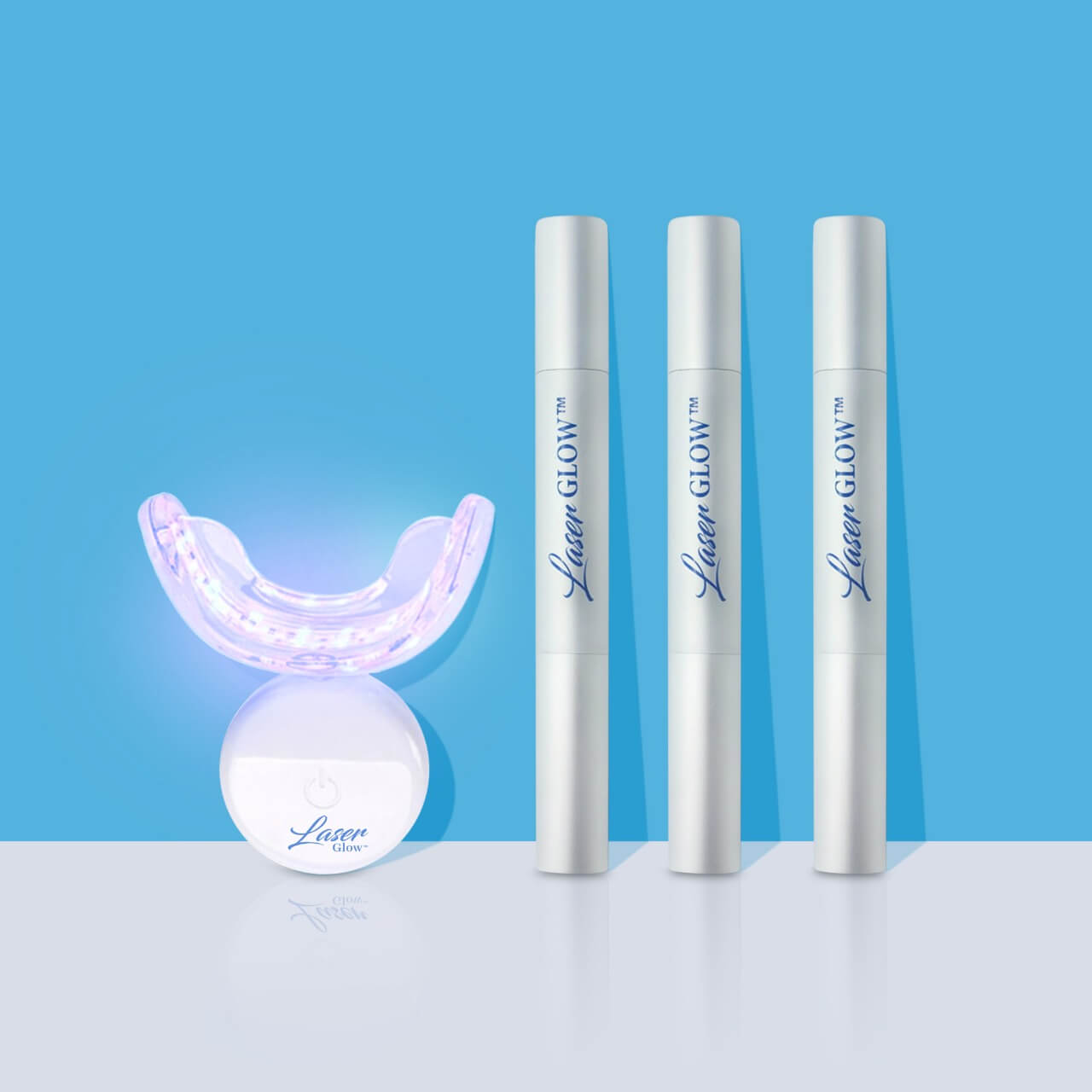
Whitening strips and LED kits can whiten natural teeth, but they do not change the shade of veneers. If you have a mix of veneers and natural teeth, whitening your natural teeth may make the veneers look darker by comparison if the shades no longer match.
If you have veneers only on some teeth, speak with a dental professional before whitening the surrounding natural teeth. Shade planning matters, unless your goal is “accidental two-tone smile,” which, mercifully, is not trending yet.
Can You Whiten Veneers FAQ
Can you whiten veneers?
No. You cannot bleach porcelain or composite veneers whiter with standard whitening gels, strips, or LED kits. However, you can often improve the appearance of veneers by removing surface stains, cleaning the margins, polishing the veneer surface, or refreshing the surrounding natural teeth.
Why do veneers look yellow over time?
Veneers may look yellow because of stains at the margins, aging bonding material, discoloration on nearby natural teeth, gum recession, surface dullness, or older composite resin material.
Do whitening strips work on veneers?
No. Whitening strips do not change the color of veneers. They are made to whiten natural enamel, not porcelain, composite, crowns, fillings, bonding, or other restorations.
Can purple toothpaste whiten veneers?
No. Purple toothpaste does not bleach veneers. It may temporarily improve the visual brightness of a smile by color-correcting yellow tones, but it does not change the veneer material.
How can I remove stains from veneers?
The safest options are professional dental cleaning, veneer polishing, non-abrasive home care, and targeted in-office veneer margin stain-lifting. Avoid abrasive DIY methods like charcoal, baking soda, lemon juice, or vinegar.
Do composite veneers stain more than porcelain veneers?
Yes. Composite resin veneers are generally more prone to staining and dullness than porcelain veneers because composite is more porous and less stain-resistant.
When should veneers be replaced?
Veneers may need replacement if they are cracked, deeply discolored, poorly matched, worn, leaking at the margins, or older and no longer responding to polishing or maintenance.
Where does LaserGlow offer veneer whitening?
LaserGlow offers veneer whitening touch-ups in Clifton, NJ, Edgewater, NJ, and Miami, FL. The treatment focuses on improving stains around veneer margins and surrounding tooth structure, not bleaching the veneer material itself.
Refresh the Look of Your Veneer Smile
Veneers cannot be bleached whiter, but the stains around them can often be improved. Book a LaserGlow veneer whitening touch-up in Clifton, Edgewater, or Miami for a cleaner, brighter-looking smile.