Whitening Toothpaste vs Professional Teeth Whitening: What Works Best?
Whitening toothpaste, whitening strips, at-home LED kits, and professional teeth whitening all brighten teeth in different ways. The best choice depends on your stains, budget, sensitivity level, timeline, and whether you want surface stain maintenance or a deeper shade change.
The Fast Answer
Whitening toothpaste is best for removing and preventing surface stains from coffee, tea, wine, and daily buildup. It is convenient, affordable, and useful for maintenance.
Professional teeth whitening, whitening strips, and at-home LED whitening kits are better for noticeable shade change because they usually use peroxide-based ingredients that can reach deeper stains.
Whitening Toothpaste vs Traditional Whitening Methods
| Method | Best For | Speed | Result Type | Typical Sensitivity Risk |
|---|---|---|---|---|
| Whitening Toothpaste | Surface stain maintenance | Gradual | Brighter-looking smile from stain polishing | Low to moderate depending on abrasiveness |
| Purple Toothpaste Serum | Instant yellow-tone correction | Immediate visual effect | Temporary optical brightness | Low because it is non-bleaching |
| Whitening Strips | At-home shade improvement | Several days to weeks | Peroxide whitening | Moderate depending on formula and use |
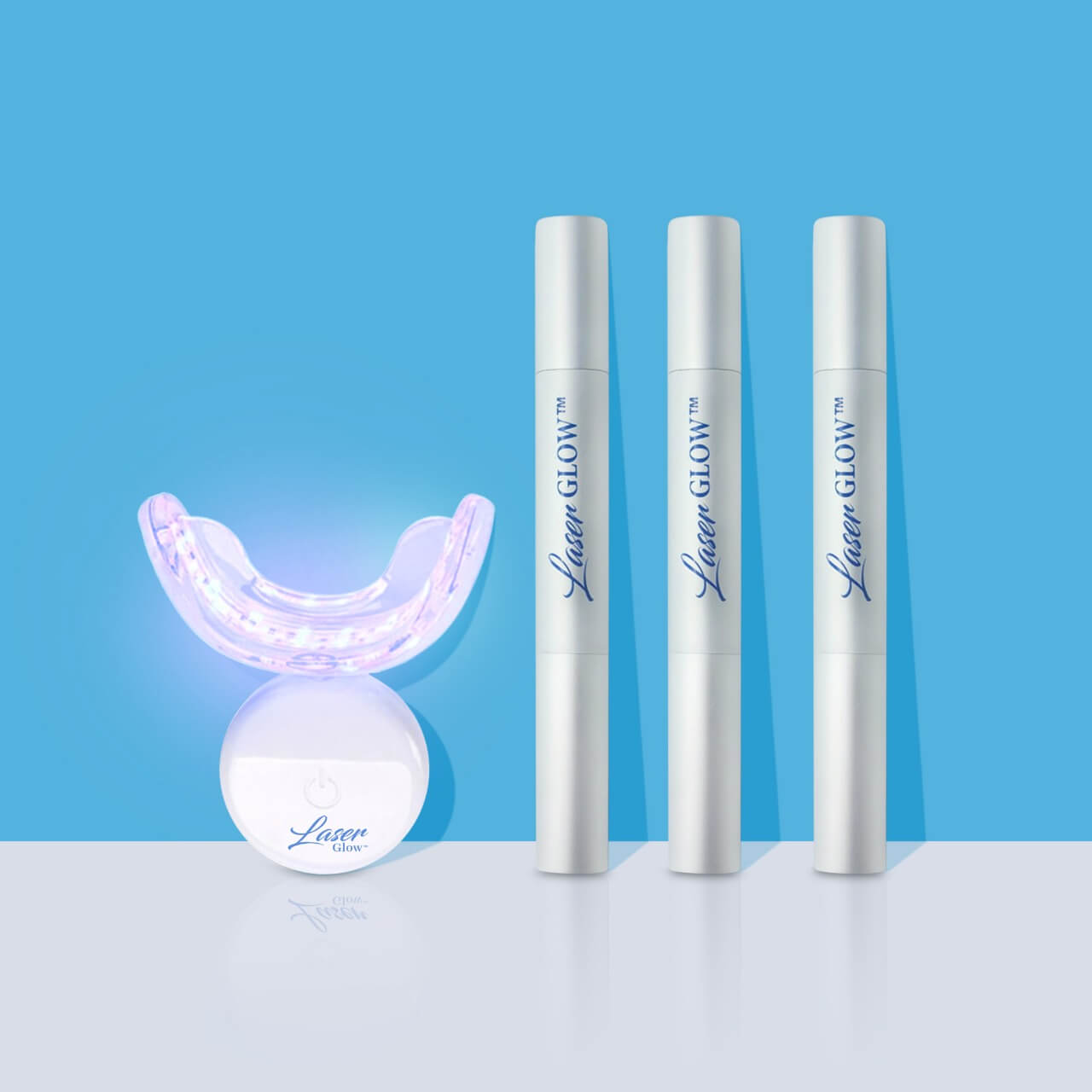
| At-Home LED Whitening Kit | Stronger at-home whitening routine | Several sessions | Peroxide-based whitening support | Moderate depending on formula and sensitivity |
| Professional Whitening | Fastest visible shade change | Often one visit or a few sessions | Deeper whitening result | Moderate to higher depending on strength and client sensitivity |
How Whitening Toothpaste Works
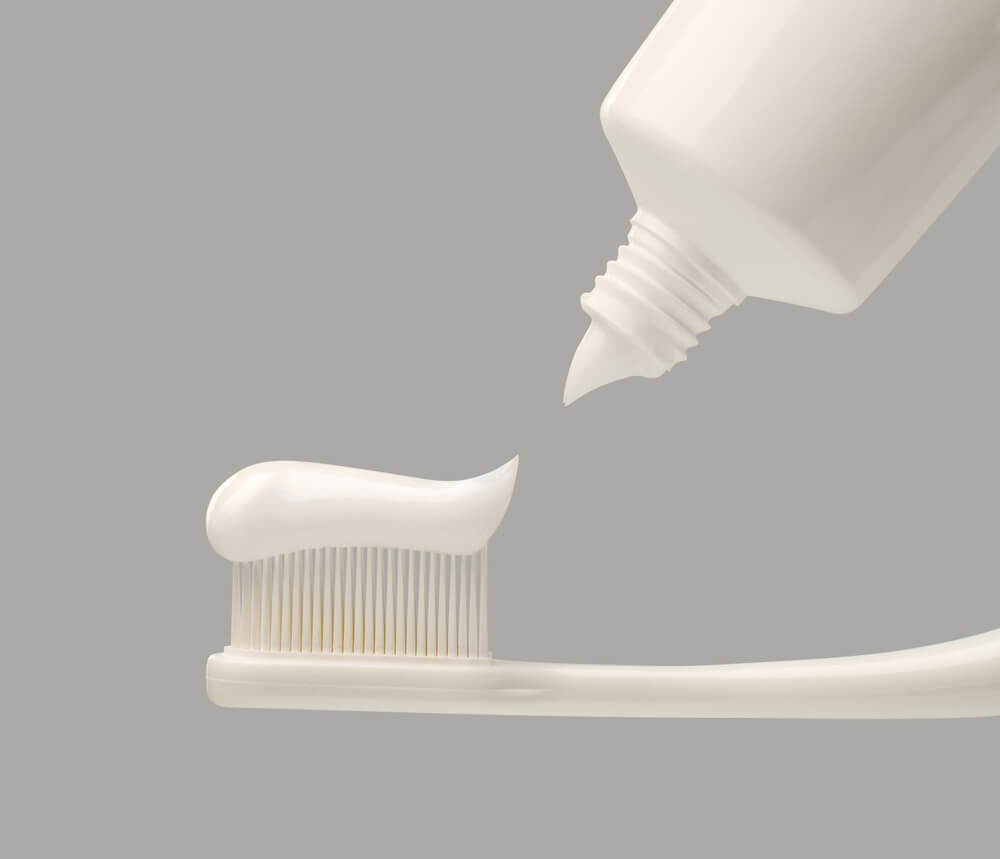
Whitening toothpaste usually works by polishing away surface stains with mild abrasives such as hydrated silica, or by using stain-targeting ingredients that help loosen discoloration from the tooth surface.
Some whitening toothpastes may contain low levels of peroxide or other brightening ingredients, but most whitening toothpaste products are designed for surface stain maintenance, not dramatic whitening.
Shop here: LaserGlow Day & Night Whitening Toothpaste
How Professional Teeth Whitening Works
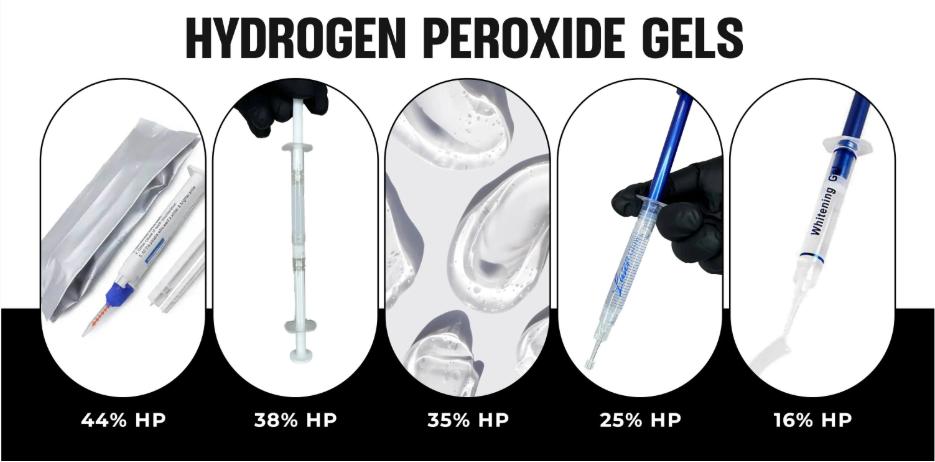
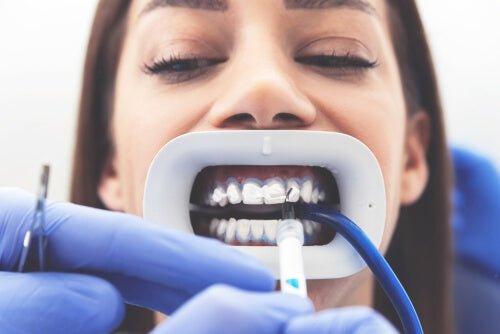
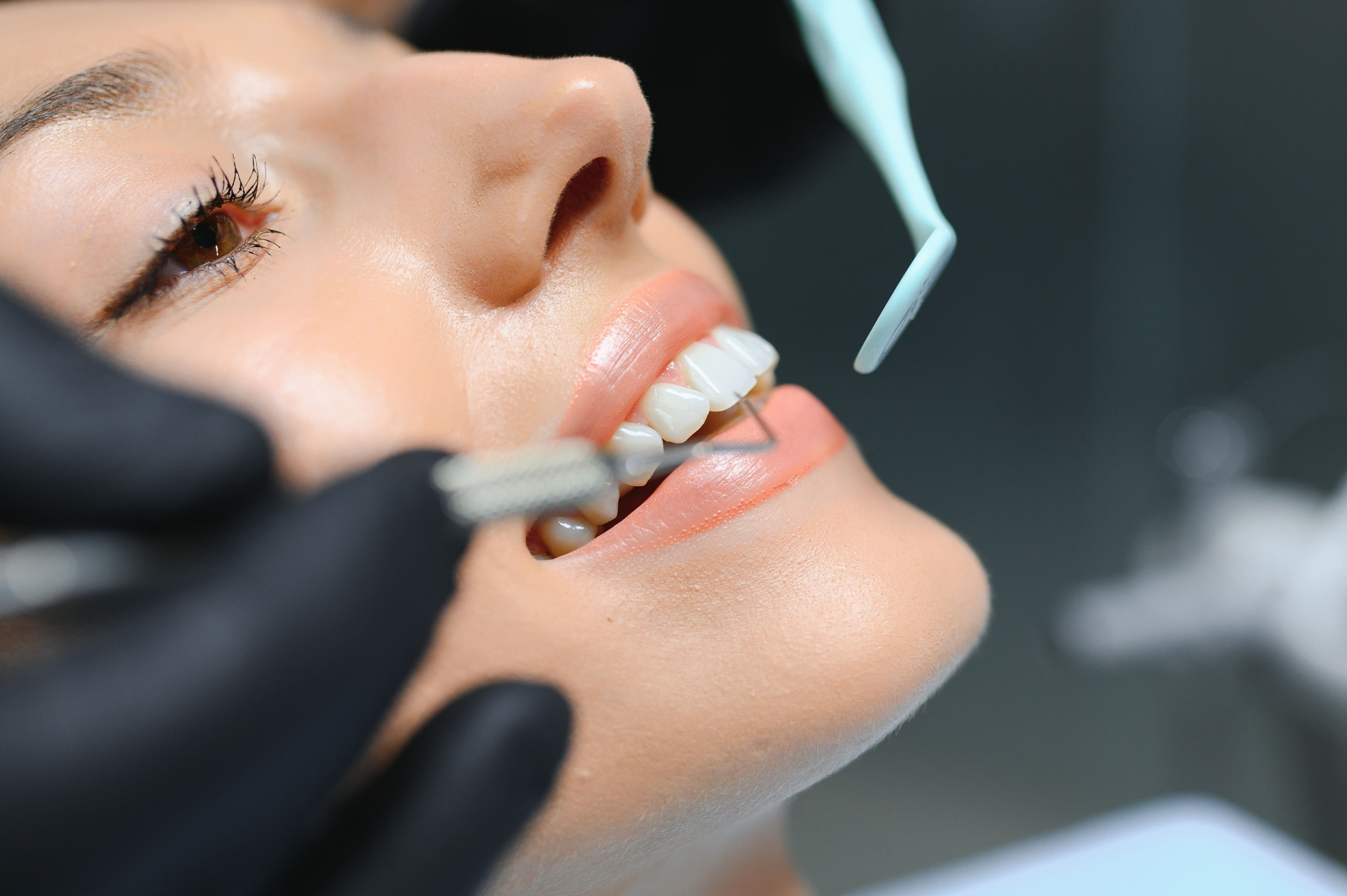
Professional teeth whitening typically uses stronger peroxide-based formulas under controlled conditions. These formulas help break apart stain compounds within the tooth structure, which can create a more noticeable shade change than toothpaste alone.
Professional treatments may be done in-office or through supervised take-home systems. They can produce faster results, but they also require proper screening, timing, and sensitivity management.
Learn more: LaserGlow In-Office Teeth Whitening
Whitening Toothpaste vs Purple Toothpaste Serum
Whitening toothpaste and purple toothpaste serum do different jobs. Whitening toothpaste helps remove surface stains over time. Purple toothpaste serum helps teeth look instantly brighter by neutralizing yellow tones with violet color correction.
Purple toothpaste does not permanently bleach enamel. It is best used as a cosmetic finishing step before photos, events, or between whitening treatments.
Read the full comparison: Purple Toothpaste vs Whitening Toothpaste
Which Method Is Most Effective?
Whitening toothpaste helps reduce surface stains and maintain brightness between treatments.
Purple toothpaste serum helps visually cancel yellow tones for a brighter-looking smile right away.
Whitening strips or an LED whitening kit are better choices when you want more noticeable results at home.
Professional teeth whitening is typically the fastest route to a visible shade change.
Cost Comparison
Whitening toothpaste is usually the most affordable option and is easy to use daily. At-home whitening strips and LED kits cost more but can deliver more noticeable whitening. Professional whitening is usually the most expensive option, but it can also provide faster and more dramatic results.
The right choice depends on your budget, timeline, sensitivity level, and how much whitening you actually need.
Safety and Sensitivity Considerations
Whitening toothpaste can be safe when used as directed, but overly abrasive formulas or aggressive brushing can contribute to enamel wear and sensitivity. Peroxide whitening can also cause temporary sensitivity, especially if overused.
If you already have sensitive teeth, gum recession, exposed roots, cavities, enamel erosion, or recent dental work, ask your dentist before starting a whitening routine. Very boring advice. Also very correct.
Best Routine for a Brighter Smile
For most people, the best routine is not choosing one method forever. It is combining the right products for the right job:
Use whitening toothpaste to help remove surface stains and maintain brightness.
Use purple toothpaste serum for instant yellow-tone correction.
Use whitening strips, an LED whitening kit, or professional whitening when you want shade change.
Avoid staining foods and drinks when possible and rinse with water after coffee, tea, or wine.
Recommended LaserGlow Products
Best for daily brushing and surface stain maintenance.
Best for instant optical brightness and yellow-tone correction.
Best for simple at-home whitening over a short routine.
Best for a stronger at-home whitening routine.
FAQs
Is whitening toothpaste as effective as professional whitening?
No. Whitening toothpaste is best for surface stain removal and maintenance. Professional whitening usually creates a more noticeable shade change because it uses stronger whitening agents under controlled conditions.
How long does whitening toothpaste take to work?
Whitening toothpaste may help teeth look brighter after several weeks of consistent use, especially if the discoloration is mainly from surface stains like coffee, tea, or wine.
Can whitening toothpaste damage enamel?
Whitening toothpaste can contribute to enamel wear if it is too abrasive or used with aggressive brushing. Use as directed and avoid scrubbing too hard.
What is better than whitening toothpaste?
For deeper shade change, whitening strips, an at-home LED whitening kit, or professional teeth whitening may be more effective. For instant visual brightness, purple toothpaste serum can help neutralize yellow tones temporarily.
Can I use whitening toothpaste every day?
Many whitening toothpastes are designed for daily use, but always follow the product directions. If you notice sensitivity or irritation, reduce use and ask your dentist.
Should I use purple toothpaste or whitening toothpaste?
Use whitening toothpaste for surface stain maintenance. Use purple toothpaste serum when you want instant yellow-tone correction before photos, events, or between whitening treatments.