LaserGlow Teeth Whitening Blogs & Oral Care Tips | Expert Advice

How Long Do Tooth Gems Last? Real Timelines & Tips
Most professionally applied tooth gems last 3–12 months. Here's what affects longevity, the habits that help or hurt retention, and how to get the most months out of your gem.
Learn more
How Do Tooth Gems Stay On? Expert Guide to Long-Lasting Tooth Sparkle
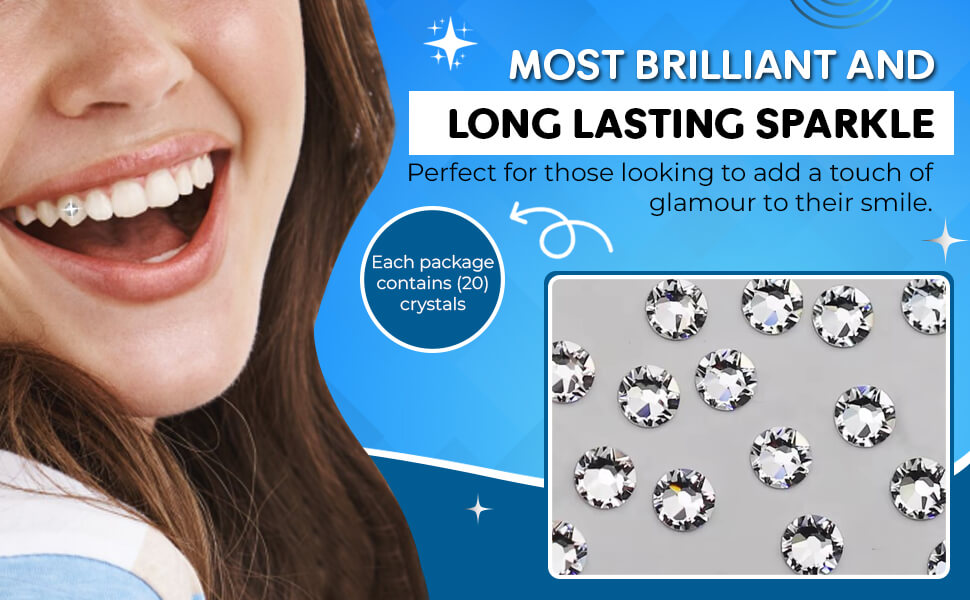
Tooth Gems · Bonding + Longevity Updated Guide How Do Tooth Gems Stay On? Tooth gems stay on your teeth through a dental-style bonding process: the enamel is lightly etched, a dental-grade adhesive and bonding agent are applied, the gem is placed, and an LED curing light locks the bond in place — the same basic chemistry used for orthodontic brackets. This guide explains the full bonding process, how long tooth gems last, what causes early failures, and how to remove them safely. Reviewed by David Hanna, RDH — Registered Dental Hygienist · Updated April 28, 2026 · Published by LaserGlow Shop Tooth Gem Kits Business Starter Kit Application Guide Jump to a section: What Are Tooth Gems? How Tooth Gems Stay On (Bonding Explained) How Long Do Tooth Gems Last? Safety and Enamel Protection How to Make Tooth Gems Last Longer How to Remove a Tooth Gem Tooth Gem FAQ Professional Tooth Gem Toolkit The short answer: tooth gems stay on through a dental bonding process. The tooth surface is cleaned, lightly etched with a mild acid gel to create micro-retention, coated with a bonding agent, and then the gem is set in a small amount of dental-grade adhesive. An LED curing light polymerizes the bond in 20–40 seconds, securing the gem to the enamel surface. No drilling. No permanent alteration. Completely reversible by a trained professional. What Are Tooth Gems? Tooth gems are small flat-back crystals, charms, or decorative designs bonded to the outer enamel surface as a form of cosmetic smile jewelry. Common styles include single crystals, butterfly tooth gems, heart gems, gold foil accents, and custom cluster arrangements. They are non-invasive, semi-permanent, and removable. Best placement surface: Tooth gems bond best to smooth, healthy natural enamel. They are not recommended on crowns, veneers, or teeth with significant enamel wear. Read more: Are Tooth Gems Safe? Browse available designs: LaserGlow Tooth Gem Kits & Supplies — including crystals, butterfly sets, heart gems, and complete professional kits. How Tooth Gems Stay On Your Teeth: Bonding Explained The bond strength comes from four things working together: proper enamel preparation, a quality bonding agent, controlled adhesive placement, and full LED curing. Skip or rush any of these and the gem will fail early. 1 Tooth Preparation and Isolation The tooth is cleaned and fully dried. Cotton rolls or a cheek retractor isolate the field. Moisture at any stage weakens the bond — isolation is the single most underestimated step. 2 Enamel Etching A mild phosphoric acid gel is applied for 15–20 seconds, rinsed, and dried to a chalky matte finish. This creates microscopic surface texture that allows the resin to lock in mechanically. 3 Bonding Agent and Adhesive Placement A light-cured dental bonding agent is applied in a thin, even layer. A small amount of flowable composite or tooth gem adhesive is placed on the bonded surface before the gem is set. Adhesive control matters — too much creates messy margins and weak hold. 4 LED Curing An LED curing light polymerizes the bond from multiple angles for 20–40 seconds. Under-curing is one of the most common reasons tooth gems pop off prematurely. Full cure, every time. Never use super glue, nail glue, or craft adhesive. These are not intraoral-safe materials. Using non-dental adhesives can cause chemical burns to soft tissue, enamel damage, and severe gum irritation. Only dental-grade materials should contact enamel. For a complete clinical walkthrough with curing times and margin control tips, see the Tooth Gem Application Guide and download the free Professional Tooth Gem PDF. How Long Do Tooth Gems Last? With professional-grade materials and proper technique, tooth gems typically last 6–12 months. Some clients keep them longer; others lose them sooner depending on oral habits, diet, and how closely they follow aftercare. A few weeks is a sign of a technique or materials problem, not a design problem. What affects tooth gem longevity Adhesive quality: the dental-grade bonding system matters more than the gem itself. Curing time and angle: under-cured adhesive produces a weak bond regardless of how good the prep was. Oral habits: biting on hard foods, chewing ice, nail-biting, pen chewing, or persistent tongue pressure on the gem all accelerate failure. Placement surface: gems bond most durably on healthy, smooth natural enamel — not on restored teeth. Aftercare compliance: sticky and hard foods in the first 24 hours are the most common cause of early pop-offs. For a complete longevity guide: How Long Do Tooth Gems Last? Are Tooth Gems Safe for Your Enamel? Yes — when applied and removed correctly by a trained provider using dental-grade materials and proper technique. Tooth gems do not require drilling and should not alter enamel structure when the bonding and removal processes are performed correctly. The risk factors are predictable: non-dental adhesives, aggressive DIY removal (prying or picking), bonding over compromised or decayed enamel, and poor hygiene around the gem allowing plaque to accumulate. Avoid all four and tooth gems are a safe cosmetic service. Deeper reading: Are Tooth Gems Safe? — enamel safety, risks, and best practices reviewed by David Hanna, RDH. How to Make Tooth Gems Stay On Longer The difference between a gem that lasts six weeks and one that lasts six months is almost always technique and aftercare — not the gem itself. Use this checklist for consistent results. Etch fully: 20–30 seconds, rinse thoroughly, dry to a chalky matte surface before applying any bonding agent. Use a wax tip applicator: precision placement before the adhesive sets means a centered gem and clean margins the first time. Cure completely: 20–40 seconds from multiple angles depending on LED output and gem position. Do not rush this step. Protect the first 24 hours: no sticky, chewy, or hard foods; no biting directly on the gem; no picking at it. Oral hygiene around the gem: brush gently with a soft-bristled toothbrush and floss carefully around the gem site to prevent plaque buildup. For full aftercare instructions to give clients: Tooth Gem Aftercare Guide How to Remove a Tooth Gem Safely Tooth gem removal should always be performed by a trained professional using controlled polishing instruments — not by picking, prying, or biting it off. A well-applied gem releases cleanly with the right finishing burs and polishing steps. Forceful DIY removal is how enamel scratches and chips happen. After removal, the enamel surface should be polished smooth and inspected. The tooth does not need drilling or any additional intervention beyond light polishing to remove adhesive residue. Full removal protocol and tool recommendations: Tooth Gem Removal Guide and the LaserGlow professional removal tool. Tooth Gem FAQ How do tooth gems bond to your teeth?⌄ Tooth gems bond to enamel through a dental adhesive system: the enamel is lightly etched to create micro-retention, a bonding agent is applied, a small amount of dental-grade composite adhesive is placed, the gem is set, and an LED curing light polymerizes the bond in 20–40 seconds — the same bonding principle used for orthodontic brackets. Are tooth gems permanent?⌄ No. Tooth gems are semi-permanent. They can last several months to over a year with correct application and aftercare, and can be removed professionally without damaging enamel when a trained provider uses proper technique and instruments. Why do tooth gems fall off?⌄ Early failures are almost always a technique or materials issue: insufficient etching, moisture contamination before bonding, under-curing the adhesive, using the wrong type of adhesive (non-dental), or placing the gem on a non-ideal surface like a crown or veneer. Poor aftercare — biting hard foods, nail-biting, or picking at the gem — also accelerates failure. Can I apply tooth gems myself at home?⌄ Professional application by a trained tooth gem technician, dental professional, or esthetician is strongly recommended. The etching, bonding, and curing steps require proper materials and technique. Incorrect application can result in poor retention, enamel irritation, or soft tissue damage from improper adhesives. DIY kits using non-dental glues are not enamel-safe. Is it safe to eat with a tooth gem?⌄ Yes. After the initial 24–48 hours, clients can eat normally with a tooth gem in place. During the first 24 hours, stick to softer foods and avoid biting directly on the gem, sticky candies, and very hard or chewy foods that could stress the bond before it has fully set. Can tooth gems damage your teeth?⌄ Tooth gems applied and removed correctly with dental-grade materials should not damage healthy enamel. The main risks come from using non-dental adhesives, bonding over decayed or compromised enamel, poor hygiene around the gem, or aggressive DIY removal such as prying or biting. Avoid all four and the service is enamel-safe and reversible. Who should apply tooth gems professionally?⌄ Tooth gems can be applied by trained dental professionals (dentists, dental hygienists), licensed estheticians who have received tooth gem training, and beauty professionals who have completed a tooth gem certification course. The key qualifications are knowledge of dental bonding materials, enamel safety, infection control, and proper removal technique. Where can I buy professional tooth gem supplies?⌄ LaserGlow offers complete professional tooth gem kits including etch, bond, adhesive, crystal tooth gems, LED curing lights, wax applicators, and removal tools. Browse the full collection at the LaserGlow Tooth Gem Kits & Supplies store. Professional Tooth Gem Toolkit Consistent, enamel-safe results come down to the right materials. Here are the core components of a professional tooth gem setup: Professional Tooth Gem Kit — Etch, Bond & Glue Premium Crystal Tooth Gems LED Wireless Curing Light Tooth Gem Wax Tip Applicator Gem Removal Tool Tooth Gem Business Starter Kit Free professional guide: Download the complete LaserGlow Tooth Gem How-To PDF — step-by-step protocol, curing times, placement maps, aftercare instructions, and removal guidance. Reviewed by David Hanna, RDH. Reviewed by David Hanna, RDH · Registered Dental Hygienist · Last updated April 28, 2026 · Tooth Gem Resource Center Pro Toolkit Tooth Gem Starter Kit Best for ProsComplete setup for consistent, enamel-safe results Etch + Bond + Glue KitThe foundation of a lasting bond LED Curing LightUnder-curing = early failures. Don't cut corners. Wax Tip ApplicatorPrecise placement, fewer re-dos Removal ToolSafe removal without enamel damage Shop All Tooth Gem Supplies Related Guides Tooth Gem Application GuideStep-by-step placement and full curing protocol How to Remove Tooth GemsProfessional removal and what to avoid How Long Do Tooth Gems Last?Real longevity ranges and what shortens them How Much Do Tooth Gems Cost?Typical pricing and what affects the rate Are Tooth Gems Safe?Enamel safety, risks, and professional best practices Tooth Gem Resource CenterFull hub: guides, kits, designs, aftercare, FAQ
Learn more