LaserGlow Teeth Whitening Strips Review: Do Whitening Strips Really Work?
Teeth whitening strips are one of the easiest ways to brighten your smile at home. LaserGlow Teeth Whitening Strips are designed for simple, consistent whitening with peroxide-based strips that help lift surface stains from natural teeth over time.
Reviewed by David Hanna, RDH · Registered Dental Hygienist

What Are Teeth Whitening Strips?
Teeth whitening strips are thin, flexible strips coated with whitening gel. They are placed directly over the teeth so the whitening ingredients can contact the enamel surface and help lift stains caused by coffee, tea, wine, soda, tobacco, and everyday discoloration.
LaserGlow Teeth Whitening Strips are made for people who want a convenient at-home whitening routine without trays, lights, or complicated setup. Apply, wear as directed, remove, and carry on with your life. Humanity finally managed to make one beauty routine that does not need seventeen accessories.
Quick answer: Teeth whitening strips can work well for surface stains on natural teeth when used consistently and correctly. They do not whiten veneers, crowns, fillings, bonding, or other dental restorations.
How Do LaserGlow Teeth Whitening Strips Work?
LaserGlow Teeth Whitening Strips use peroxide-based whitening gel to help break down stain molecules on natural teeth. The strip holds the gel against the tooth surface during the treatment window so the whitening ingredients can work more evenly.
Results depend on starting shade, stain type, consistency, diet, oral hygiene, and how closely the instructions are followed. Whitening strips are best for external stains, not internal discoloration or color mismatches from dental restorations.
No messy trays or office appointment needed for routine whitening maintenance.
Helps lift surface stains from natural teeth when used as directed.
Useful for stains from coffee, tea, wine, soda, and everyday discoloration.
Helps support a brighter smile between professional whitening visits.
Benefits of Teeth Whitening Strips
Whitening strips are popular because they are simple, affordable, and easy to fit into a normal routine. They are not as strong as professional in-office whitening, but they are practical for at-home use and maintenance.
- Convenient: Use them at home without booking an appointment.
- Affordable: Usually less expensive than in-office whitening.
- Simple: No trays, impressions, or whitening machine required.
- Targeted: Strips stay in contact with the front teeth during use.
- Maintenance-friendly: Helpful between professional whitening appointments.
How to Use LaserGlow Teeth Whitening Strips
Always follow the instructions on your specific package. A typical whitening strip routine looks like this:
- Brush and dry your teeth before applying the strip.
- Remove the whitening strip from the packaging.
- Apply the gel side to your teeth and press gently into place.
- Wear for the recommended time listed on the product instructions.
- Remove the strip and discard it.
- Rinse your mouth and remove leftover gel if needed.
- Avoid dark foods and drinks immediately after use.
Important: Do not exceed the recommended use time. More time does not automatically mean better results. Sometimes it just means more sensitivity, because teeth enjoy humbling people.
LaserGlow Whitening Strips vs Other Whitening Methods
The best whitening method depends on your goals. Whitening strips are convenient for at-home use, while in-office whitening is better for faster, stronger results. Purple toothpaste helps with instant color correction, but it does not bleach enamel.
| Method | Best For | Limitations |
|---|---|---|
| Teeth Whitening Strips | At-home whitening and maintenance | Requires consistency and only works on natural teeth |
| In-Office Whitening | Faster, stronger whitening in one appointment | Higher cost than at-home strips |
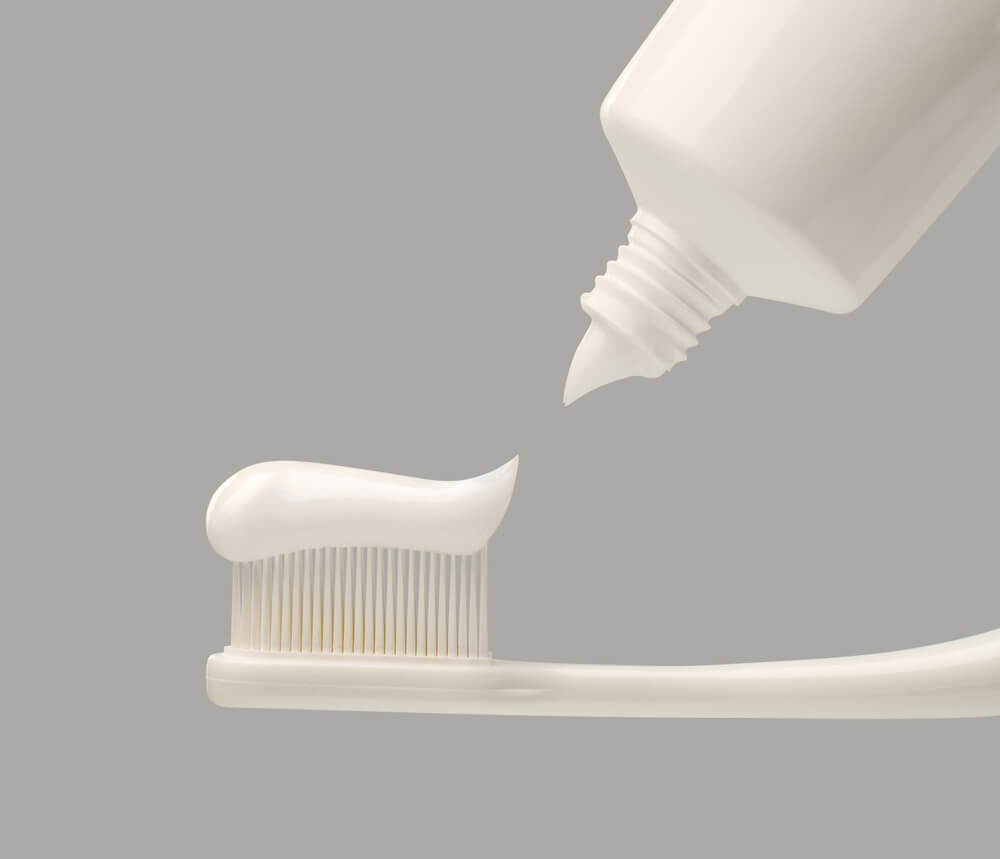
| Purple Toothpaste | Instant visual brightening and yellow-tone correction | Does not bleach or permanently whiten teeth |
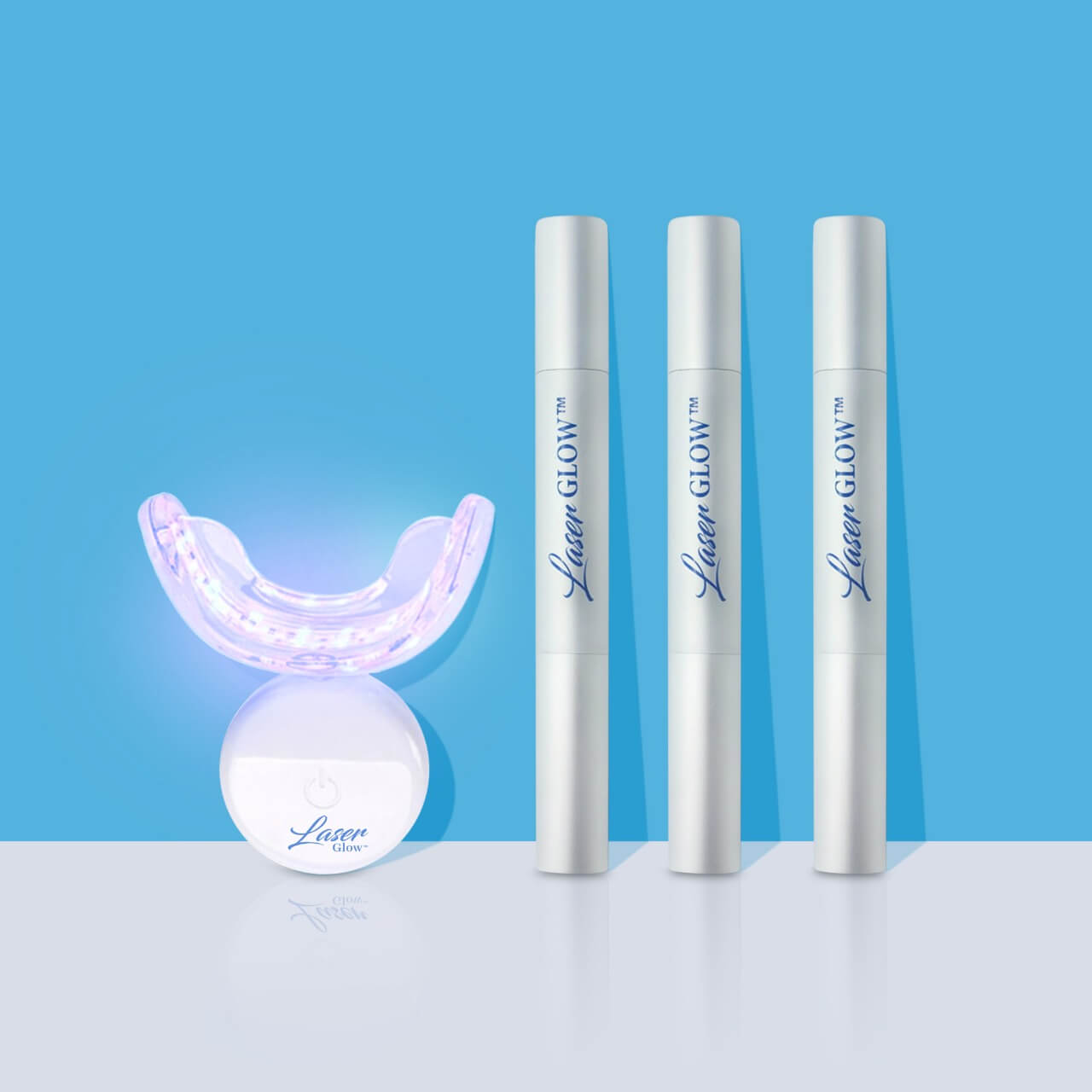
| Wireless LED Kit | Structured at-home LED whitening routine | Requires consistent use and proper instructions |
Are Teeth Whitening Strips Good for Sensitive Teeth?
Whitening strips can cause temporary sensitivity for some users. Sensitivity is more likely if the strips are overused, left on too long, applied over exposed roots, or used when there are untreated dental issues.
If you already have sensitive teeth, gum recession, cavities, enamel wear, or dental restorations in your smile zone, check with a dental professional before starting any whitening routine.
- Use strips exactly as directed.
- Do not stack multiple whitening products aggressively.
- Pause use if sensitivity becomes uncomfortable.
- Use sensitivity toothpaste if recommended by your provider.
- Avoid whitening over untreated dental problems.
What Teeth Whitening Strips Can and Cannot Do
Whitening strips are useful, but they are not magic stickers. Shocking, I know. Knowing the limits helps you set realistic expectations and avoid disappointment.
Whitening strips can help with:
- Yellow surface stains
- Coffee and tea staining
- Wine and soda discoloration
- General dullness on natural teeth
- Maintenance after professional whitening
Whitening strips cannot:
- Whiten crowns, veneers, fillings, bonding, or dentures
- Fix deep internal discoloration in every case
- Create permanent whitening results
- Replace dental cleanings
- Fix stains caused by decay or oral health problems
How to Maintain Results After Whitening Strips
Whitening results last longer when you control staining habits and keep your oral care routine consistent. Coffee, tea, red wine, soda, tobacco, dark sauces, and berries can all contribute to staining after whitening.
- Avoid dark foods and drinks for 24–48 hours after whitening.
- Rinse with water after coffee, tea, wine, or soda.
- Use a straw for iced coffee or dark drinks when possible.
- Brush and floss consistently.
- Use LaserGlow Purple Toothpaste for visual yellow-tone correction.
- Use LaserGlow Rose Gold Tongue Scraper Set to support a cleaner fresh-breath routine.
For more details, read our guide on foods that stain teeth after whitening.
Where to Buy LaserGlow Teeth Whitening Strips
You can shop LaserGlow Teeth Whitening Strips directly from the official LaserGlow website. Buying directly helps make sure you are getting the correct product, updated packaging, and access to LaserGlow’s full whitening and oral care collection.
LaserGlow Teeth Whitening Strips FAQ
Do teeth whitening strips really work?
Yes, teeth whitening strips can help brighten natural teeth by lifting surface stains when used consistently and according to instructions.
How do LaserGlow Teeth Whitening Strips work?
LaserGlow Teeth Whitening Strips use peroxide-based whitening gel that stays in contact with the enamel surface during the treatment window to help break down stains.
How often should I use whitening strips?
Follow the instructions on the product packaging. Do not overuse whitening strips or leave them on longer than recommended, because that may increase sensitivity.
Can whitening strips damage enamel?
Whitening strips are designed for safe at-home use when used as directed. Overuse, misuse, or using them on untreated dental problems may increase irritation or sensitivity.
Do whitening strips work on veneers or crowns?
No. Whitening strips work on natural teeth and do not change the color of veneers, crowns, fillings, bonding, dentures, or other restorations.
What should I avoid after using whitening strips?
Avoid dark foods and drinks like coffee, tea, red wine, cola, berries, tomato sauce, curry, and tobacco for 24–48 hours after whitening when possible.
Ready for a Brighter At-Home Whitening Routine?
Use LaserGlow Teeth Whitening Strips to help lift surface stains from natural teeth and maintain a brighter-looking smile between professional whitening visits.