44% Hydrogen Peroxide Whitening Gel: Professional Protocol Guide
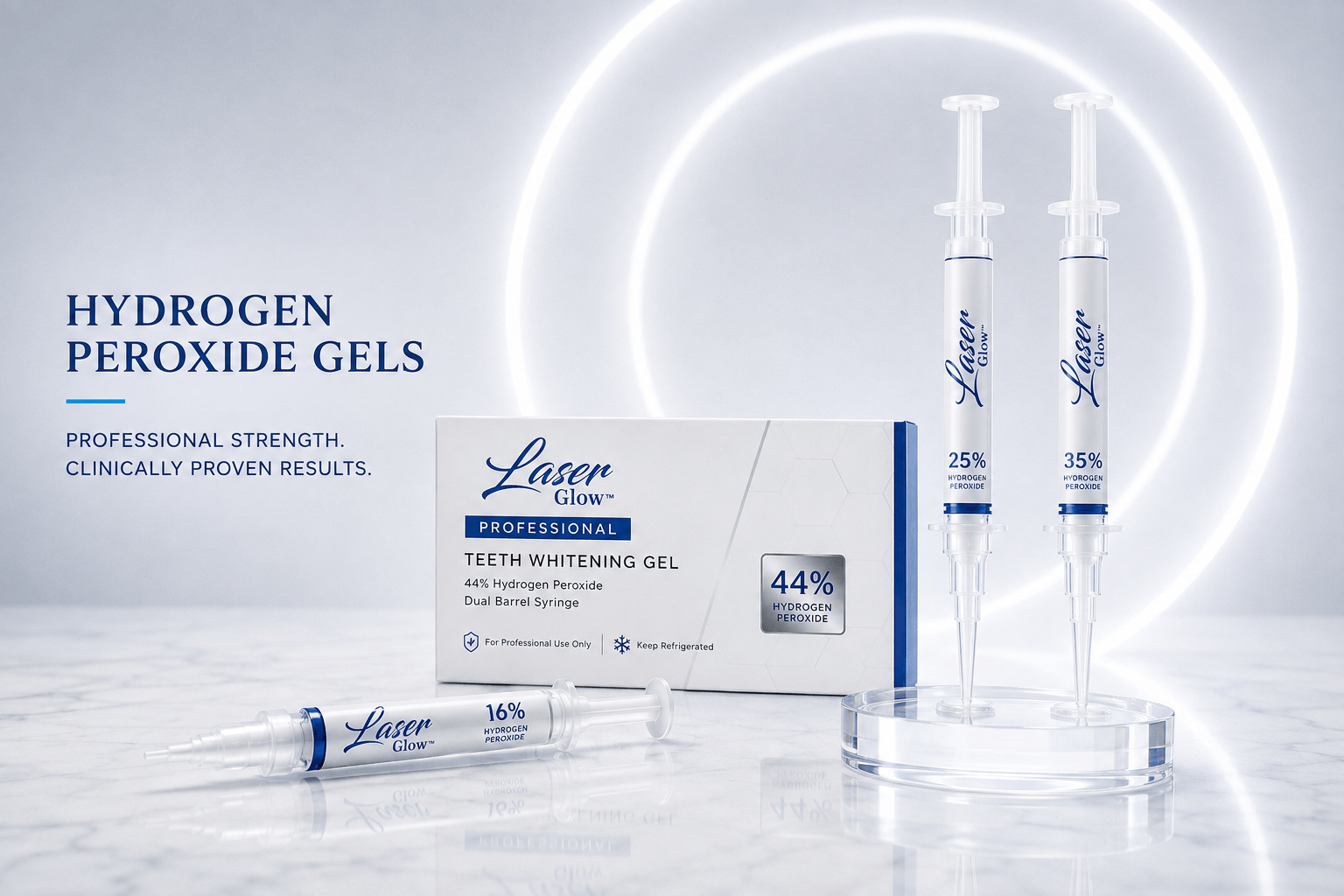
LaserGlow's highest-strength professional whitening gel. Dual-barrel syringe keeps components separate until application for maximum potency at placement. For dentists, whitening technicians, and trained aesthetic providers only.
What Is 44% Hydrogen Peroxide Whitening Gel?
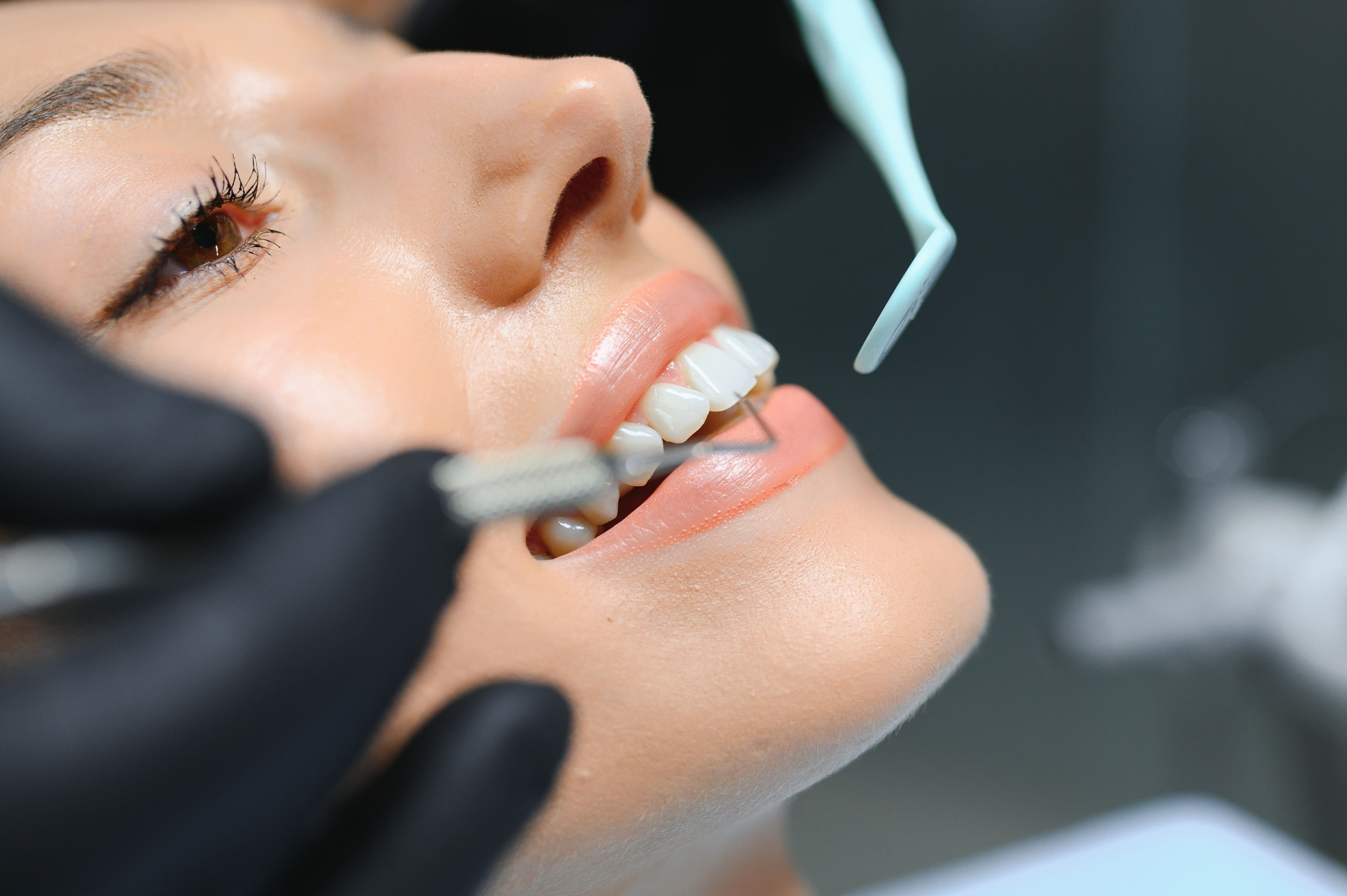
The LaserGlow 44% Hydrogen Peroxide Whitening Gel is the highest-concentration professional whitening formula in the LaserGlow lineup. It is packaged in a dual-barrel syringe system where gel components are kept separate until expressed through a mixing tip at the moment of application. This fresh-mix delivery preserves active hydrogen peroxide potency until placement — which matters most at 44% concentration, where stability management has the largest impact on results.
At 44% HP, this is a professional-only formula. It is not designed for self-application by consumers, and it should not be used without proper soft tissue isolation, gingival barrier, and a trained provider performing the treatment.
Who Should Use 44% HP Gel
44% HP is the right choice for specific cases and provider profiles — not for routine chairside whitening. Use it when:
- Stubborn or intrinsic staining hasn't responded adequately to 25% or 35% HP
- Medication-related discoloration (tetracycline, fluorosis) needs maximum-strength intervention
- Time-limited sessions require maximum impact in a single appointment
- Experienced providers with established isolation protocols and client screening processes
- Dental offices and advanced whitening studios with clinical oversight
For most routine whitening cases, 25% HP or 35% HP are the more appropriate starting point. Use the gel strength guide to match concentration to case type.
How to Use 44% HP Dual-Barrel Whitening Gel
44% HP vs Other Professional Whitening Gels
Full clinical selection guide: Which Whitening Gel Strength Is Right for Your Practice?
What to Use With 44% HP Gel
44% HP Whitening Gel — FAQ
What makes 44% hydrogen peroxide the strongest whitening gel?
44% is the highest concentration of hydrogen peroxide available in professional chairside whitening gels. Higher HP concentration means more active oxidizing molecules available to break down stain compounds in enamel and dentin. At 44%, the potential impact per unit of treatment time is higher than at 16%, 25%, or 35% — but so is the requirement for proper soft tissue protection, precise application, and client screening.
See the full professional HP gels hub for how 44% compares to the rest of the lineup. professional HP gels hub confirms this is the maximum-strength option in the LaserGlow lineup.
Is a gingival barrier required with 44% HP gel?
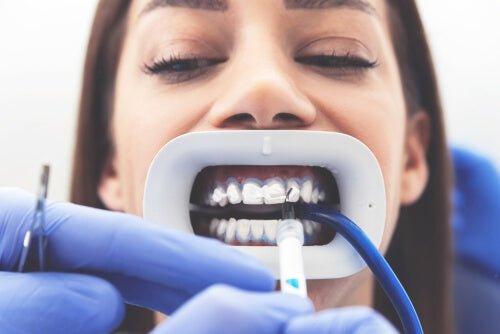
Yes. Gingival barrier is required — not optional — when using 44% HP whitening gel. At this concentration, contact between the gel and soft gum tissue can cause significant irritation, blanching, or burns. The gingival barrier must be applied to all gum tissue in the treatment zone, light-cured to set, and inspected for complete coverage before any gel is applied.
See: Soft Tissue Isolation Protocols for Professional Teeth Whitening
How many clients can I treat with the 44% HP dual-barrel syringe?
The LaserGlow 44% HP dual-barrel syringe is 5 mL, which can treat up to 3 clients per syringe depending on application amount, arch coverage, and whether you're treating one or both arches. Factor in tip purge waste (0.1–0.2 mL per syringe) when planning yield. Controlled, precise application reduces waste and protects margin.
Full syringe yield data: How Many Clients Can One Syringe Treat?
Can I use 44% HP on clients with crowns, veneers, or bonding?
No whitening gel — including 44% HP — changes the shade of dental restorations. Hydrogen peroxide only affects natural tooth enamel and dentin. Whitening near existing restorations can create a shade mismatch if the natural teeth lighten while the restorations stay the same. Screen all clients for restorations before treatment and set realistic shade expectations.
How long should I leave 44% HP gel on during a treatment?
Follow the protocol for the specific session type and product instructions. Higher-concentration gels do not necessarily benefit from extended contact time — they may increase sensitivity without delivering better whitening. For 44% HP, precise application and proper isolation typically produce better outcomes than simply extending the session.
What is the difference between the 44% HP and 36% HP dual-barrel gels?
Both use the dual-barrel fresh-mix format, but the 44% HP gel is the maximum-strength option for the most complex cases. The 36% HP dual-barrel gel provides the same fresh-mix delivery benefit at a slightly lower concentration — appropriate for advanced cases that don't require the full 44% HP maximum strength.