Best Teeth Whitening for Sensitive Teeth: Safe Options, Tips & What to Avoid
Teeth whitening can cause temporary sensitivity, especially if you overuse whitening products, choose the wrong strength, or already have enamel wear, gum recession, or exposed roots. The good news: sensitive teeth can still be whitened with the right product, timing, and aftercare plan.
Reviewed by David Hanna, RDH · Registered Dental Hygienist

Can You Whiten Sensitive Teeth?
Yes, many people with sensitive teeth can still whiten their smile, but the approach matters. The best teeth whitening for sensitive teeth usually means choosing a gentler product, shortening wear time, spacing treatments apart, and avoiding aggressive whitening routines.
Sensitivity during whitening is usually temporary, but it should not be ignored. If you already have tooth pain, untreated cavities, gum disease, exposed roots, cracked teeth, or severe sensitivity, check with a dental professional before starting whitening.
Quick answer: The best whitening option for sensitive teeth is one that matches your sensitivity level. Start gentle, follow instructions, avoid overuse, and choose professional guidance if you want stronger results.
Why Teeth Get Sensitive During Whitening
Whitening sensitivity can happen when peroxide-based whitening ingredients temporarily affect the tooth’s nerve response through the enamel and dentin. This can feel like zingers, cold sensitivity, gum irritation, or general tooth tenderness.
Sensitivity is more likely when whitening products are too strong, left on too long, used too often, or applied when there are existing dental issues. In other words, your teeth are not being dramatic for fun. Usually.
Common reasons whitening causes sensitivity
- Using a whitening product too often.
- Leaving strips, trays, or gel on longer than recommended.
- Using high-strength peroxide without supervision.
- Whitening over gum recession or exposed roots.
- Whitening with untreated cavities, cracks, or enamel wear.
- Stacking multiple whitening products at the same time.
Best LaserGlow Whitening Options for Sensitive Teeth
Sensitive teeth do not all need the same whitening product. Some people need a peroxide-free cosmetic option, some want mild at-home whitening, and others need professional guidance for stronger results.
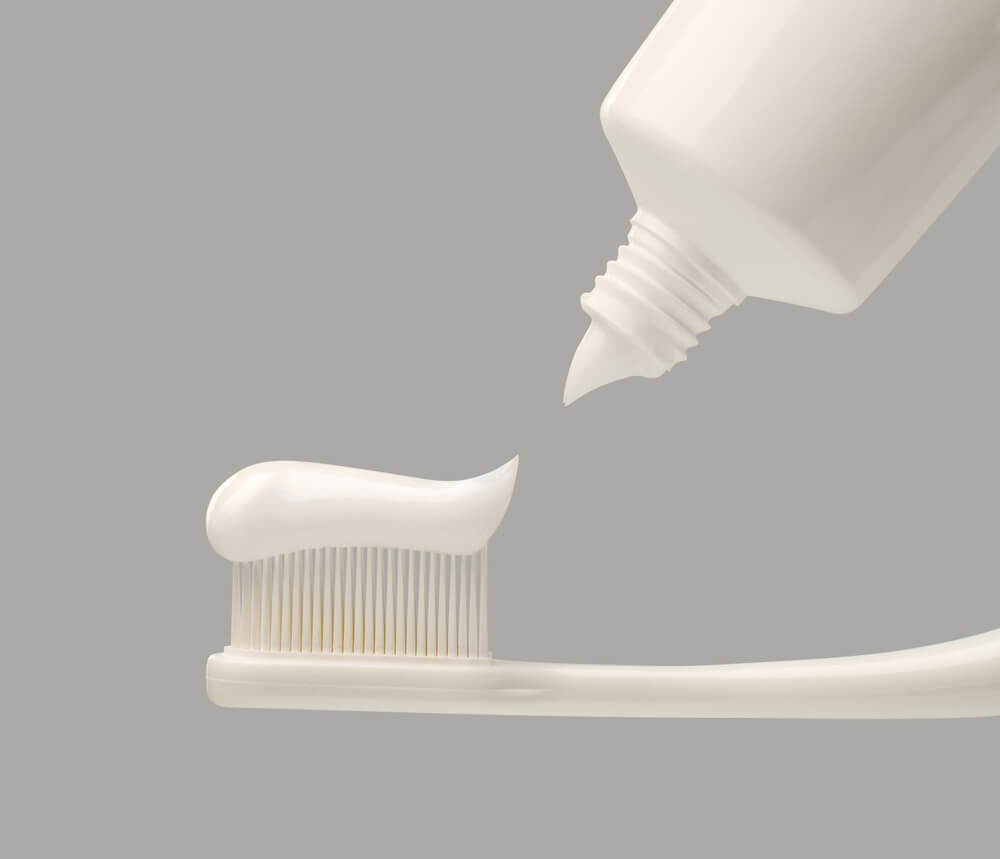
Purple Toothpaste Color Corrector helps visually neutralize yellow tones without bleaching enamel.
LaserGlow Teeth Whitening Strips are useful for gradual at-home whitening and maintenance when used as directed.
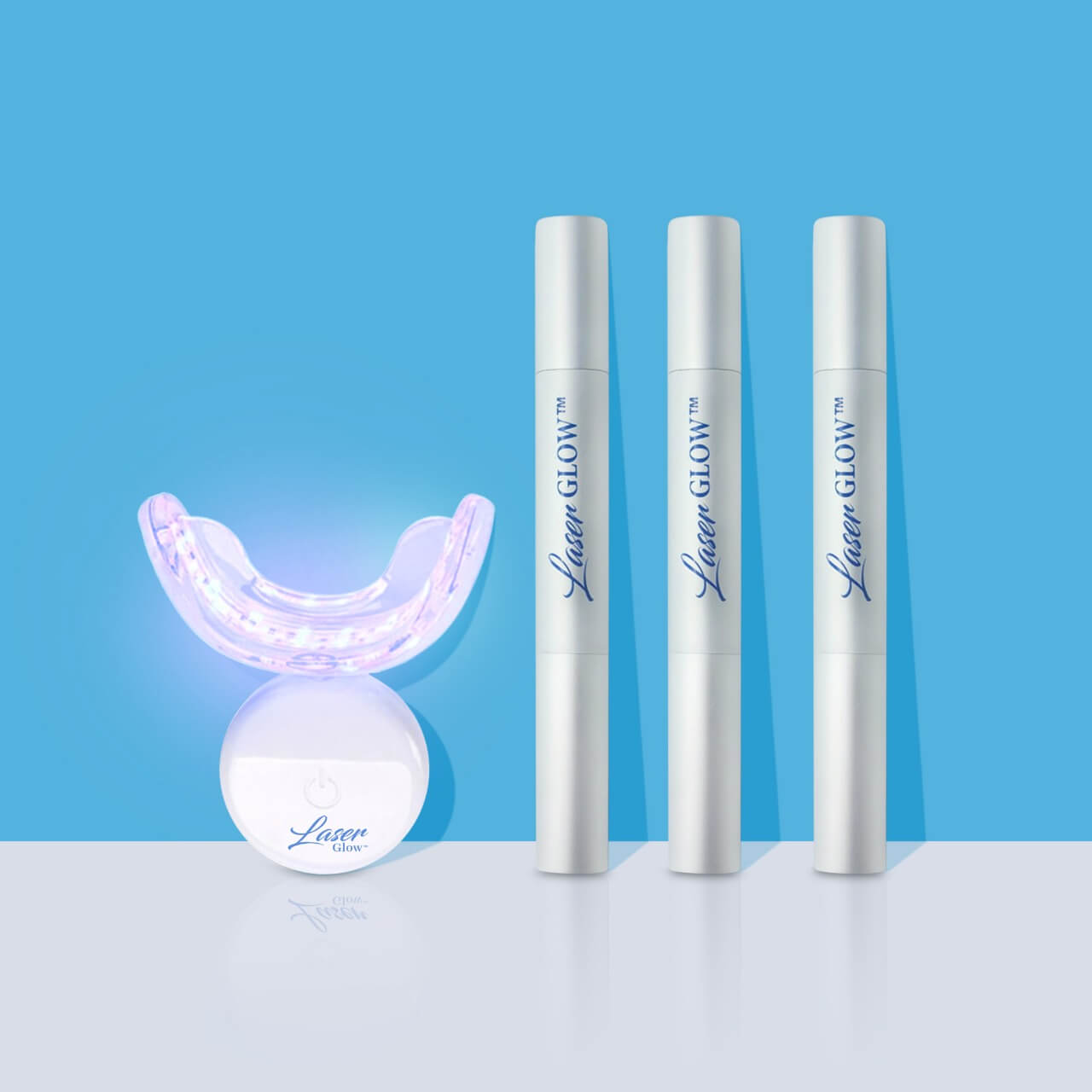
Wireless LED Whitening Kit gives users a guided routine with LED whitening support and carbamide peroxide gel.
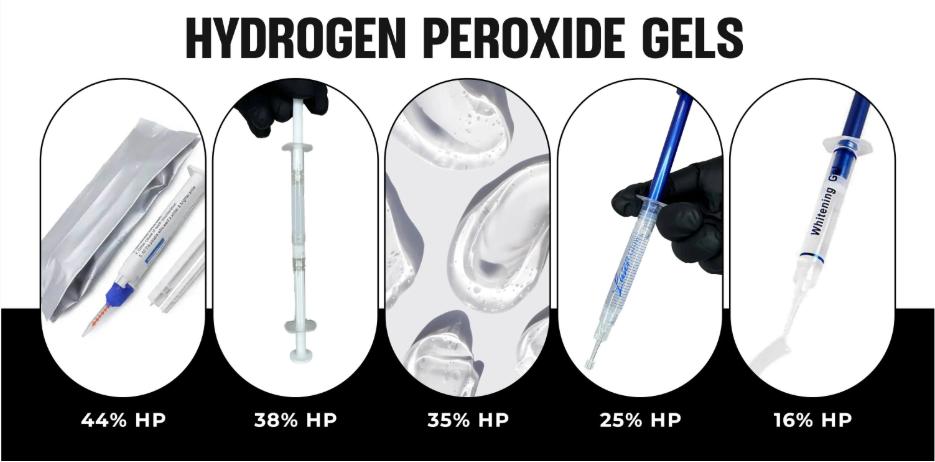
16% Hydrogen Peroxide Gel is a milder professional HP option for trained providers using proper protocols.
Important: Professional hydrogen peroxide gels are for trained professional use, not casual bathroom experiments. Sensitivity management depends on proper screening, isolation, timing, and aftercare.
Best Teeth Whitening Products for Sensitive Teeth by Goal
| Goal | Best Option | Why It Helps |
|---|---|---|
| Instant brighter-looking smile without peroxide | Purple Toothpaste Color Corrector | Helps visually reduce yellow tones without bleaching enamel. |
| Gradual at-home whitening | Teeth Whitening Strips | Simple whitening routine for natural teeth when used as directed. |
| Structured at-home LED routine | Wireless LED Whitening Kit | Pairs LED mouthpiece use with carbamide peroxide gel for a guided routine. |
| Professional whitening with sensitivity concerns | Lower-strength professional gel, such as 16% HP | Allows trained providers to start with a milder protocol. |
| Fastest professional results | In-office LED whitening | Provider-controlled treatment with proper isolation and timing. |
How to Reduce Sensitivity Before Whitening
The best way to manage whitening sensitivity is to prepare before you start. This is especially important if you already react to cold drinks, sweets, brushing, or air.
- Have a dental checkup if sensitivity is frequent or painful.
- Use a sensitivity toothpaste for 1–2 weeks before whitening if recommended by your provider.
- Avoid whitening if you have untreated cavities, cracked teeth, or gum inflammation.
- Choose a lower-strength or slower whitening option first.
- Do not combine multiple whitening products in the same day.
- Avoid acidic foods and drinks right before whitening.
Best habit: Start lower and slower. You can always build a whitening routine, but once your teeth are angry, they will absolutely file a complaint through your nervous system.
How to Reduce Sensitivity After Whitening
Mild sensitivity after whitening is common and usually temporary. The goal is to avoid making it worse while your teeth settle.
- Pause whitening if sensitivity becomes uncomfortable.
- Use sensitivity toothpaste if advised by your dental provider.
- Avoid very hot, cold, acidic, or sugary foods for the first 24 hours.
- Do not brush aggressively after whitening.
- Wait before using another whitening treatment.
- Drink water and avoid stain-heavy foods and drinks for 24–48 hours.
For stain-control tips after whitening, read our guide on foods that stain teeth after whitening.
What to Avoid If You Have Sensitive Teeth
Sensitive teeth need a smarter routine. Some whitening habits can turn a mild issue into a very annoying week.
Avoid this: leaving whitening strips on longer than directed, overusing whitening gels, brushing too hard, using lemon juice or vinegar, using abrasive charcoal products, and jumping straight into the strongest peroxide product without guidance.
Also avoid whitening if:
- You have untreated cavities.
- You have gum disease or inflamed gums.
- You have exposed roots or severe gum recession.
- You have cracked teeth or dental pain.
- You expect veneers, crowns, fillings, bonding, or dentures to whiten.
When to Choose Professional Whitening for Sensitive Teeth
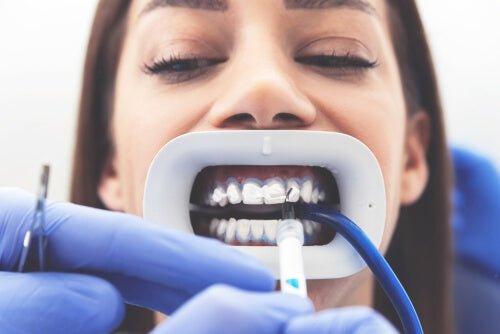
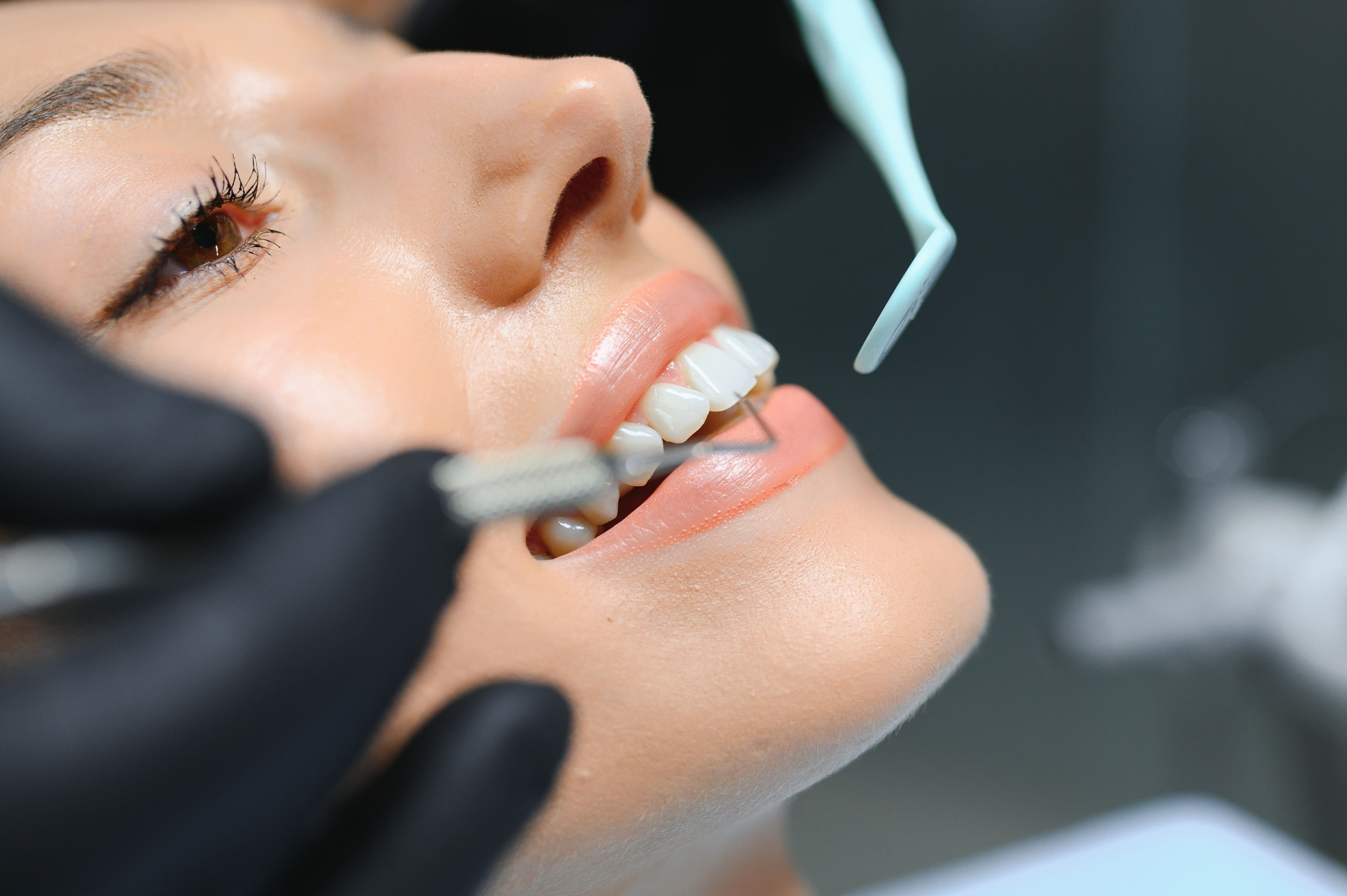
Professional whitening can be a better option if you are sensitive because the provider can screen your teeth, isolate your gums, control timing, and choose the right gel strength. This is especially helpful if you want stronger results but do not want to guess your way through the process at home.
LaserGlow offers in-office LED teeth whitening services where treatment can be customized based on your sensitivity history and whitening goals.
Can Purple Toothpaste Help Sensitive Teeth?
Purple toothpaste does not treat sensitivity and does not bleach enamel. However, it can be a smart option for people who want a brighter-looking smile without using peroxide that day. LaserGlow Purple Toothpaste uses color correction to help visually neutralize yellow tones on the teeth.
This makes it useful before photos, events, or between whitening treatments, especially when your teeth need a break from peroxide-based whitening.
Best Teeth Whitening for Sensitive Teeth FAQ
What is the best teeth whitening for sensitive teeth?
The best option depends on your sensitivity level. Purple toothpaste is a peroxide-free cosmetic brightening option, whitening strips can help with gradual at-home whitening, and professional whitening can be customized by a provider for stronger results.
Can teeth whitening make sensitivity worse?
Yes, whitening can temporarily increase sensitivity, especially if products are overused, left on too long, or used on teeth with existing dental issues.
Are whitening strips safe for sensitive teeth?
Whitening strips may be suitable for some people with sensitive teeth when used as directed. If sensitivity is severe or persistent, speak with a dental professional before using whitening strips.
Is purple toothpaste better for sensitive teeth?
Purple toothpaste does not bleach enamel, so it may be a gentler cosmetic option for people who want temporary visual brightening without using peroxide that day. It does not treat sensitivity.
What should I avoid after whitening sensitive teeth?
Avoid very hot, cold, acidic, sugary, or stain-heavy foods and drinks for the first 24–48 hours. Also avoid aggressive brushing and stacking multiple whitening products.
Should I whiten if I have cavities or gum recession?
No. If you have untreated cavities, gum disease, exposed roots, or dental pain, speak with a dental professional before whitening.
Whiten Smarter, Not Harsher
Sensitive teeth do not mean you have to give up on a brighter smile. Choose the right LaserGlow whitening option, follow instructions, and build a routine that respects your enamel, gums, and comfort.