How Do Tooth Gems Stay On?
Tooth gems stay on through a dental-style bonding process. The tooth surface is cleaned and isolated, enamel is lightly etched, a bonding agent and tooth-safe adhesive are applied, the gem is placed, and an LED curing light hardens the bond. This guide explains the full bonding process, how long tooth gems last, what causes early failures, and how to remove them safely.
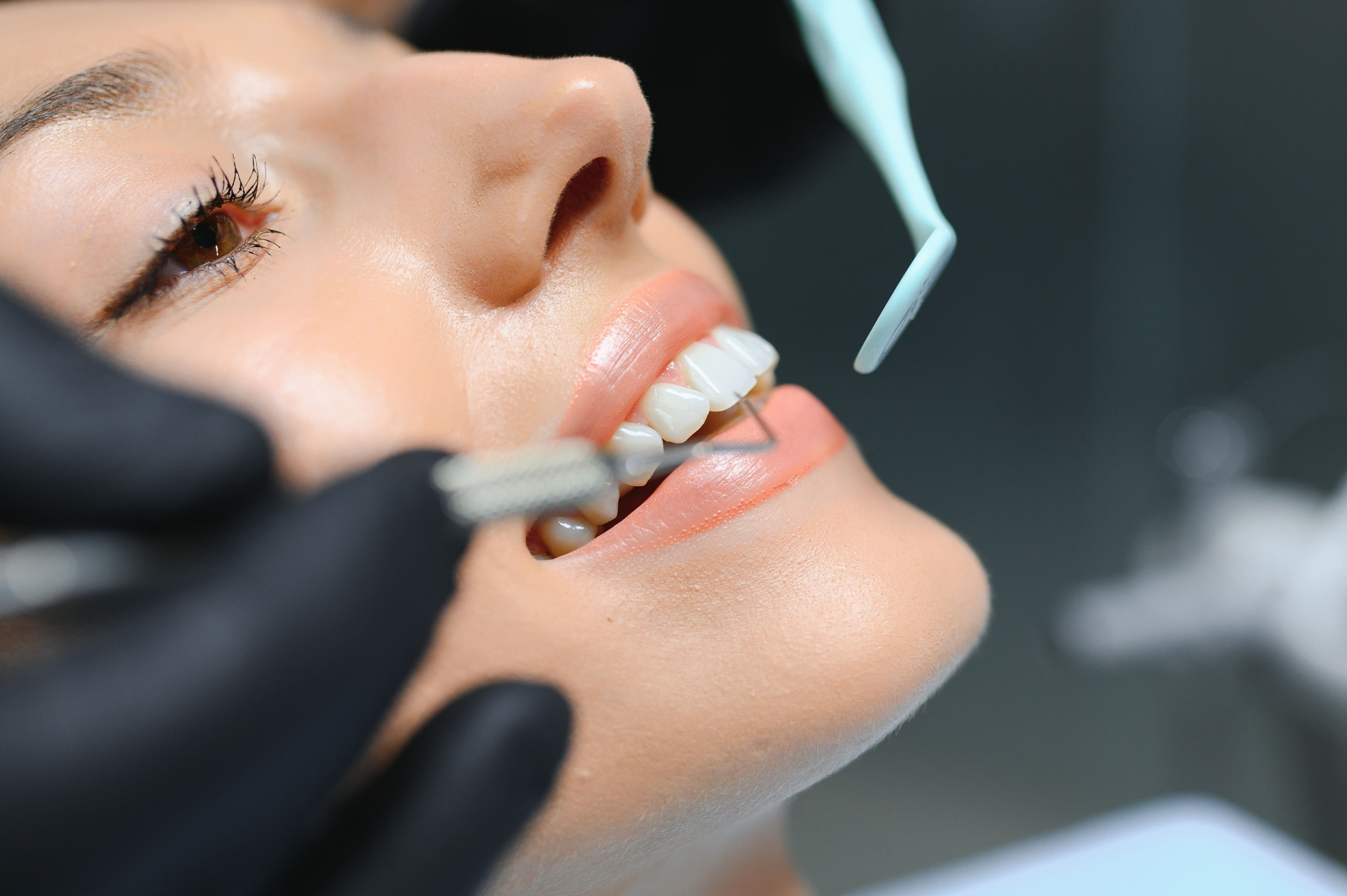
The short answer: tooth gems stay on through a bonding process. The tooth surface is cleaned, isolated, lightly etched to create micro-retention, coated with a bonding agent, and then the gem is set in a small amount of tooth-safe adhesive. An LED curing light hardens the bond and secures the gem to the enamel surface. No drilling is needed when placed properly on healthy enamel.
What Are Tooth Gems?
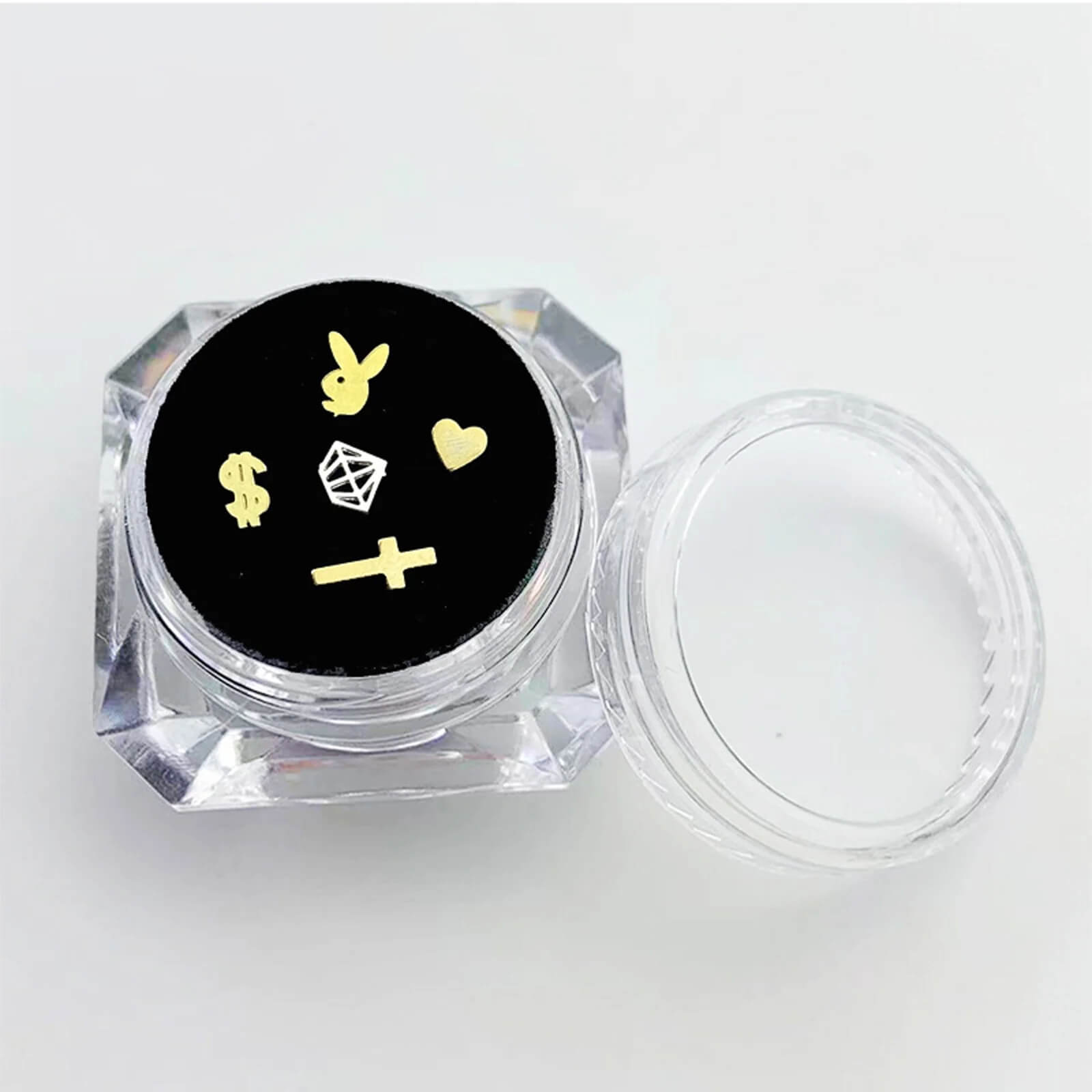
Tooth gems are small flat-back crystals, charms, or decorative designs bonded to the outer enamel surface as cosmetic smile jewelry. Common styles include single crystals, butterfly tooth gems, heart gems, gold foil accents, and custom cluster arrangements. They are semi-permanent and removable by a trained professional.
Browse available designs: LaserGlow Tooth Gem Kits & Supplies, including crystals, butterfly sets, heart gems, and complete professional kits.
How Tooth Gems Stay On Your Teeth
The bond strength comes from four things working together: enamel preparation, bonding agent, controlled adhesive placement, and full LED curing. Skip or rush any of these and the gem is more likely to fail early. Because apparently enamel does not accept shortcuts. Rude, but fair.
Tooth Preparation and Isolation
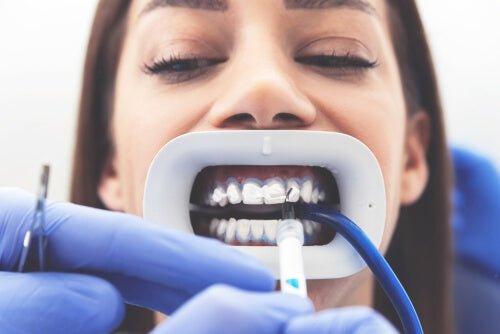
The tooth is cleaned and fully dried. Cotton rolls or a cheek retractor help isolate the field. Moisture at any stage weakens the bond, which is why isolation matters.
Enamel Etching
A mild etching gel is applied, rinsed, and dried to create microscopic surface texture. This helps the resin lock onto the enamel surface.
Bonding Agent and Adhesive Placement
A bonding agent is applied in a thin, even layer. A small amount of tooth-safe adhesive is placed before the gem is set. Too much adhesive creates messy margins and weaker-looking results.
LED Curing
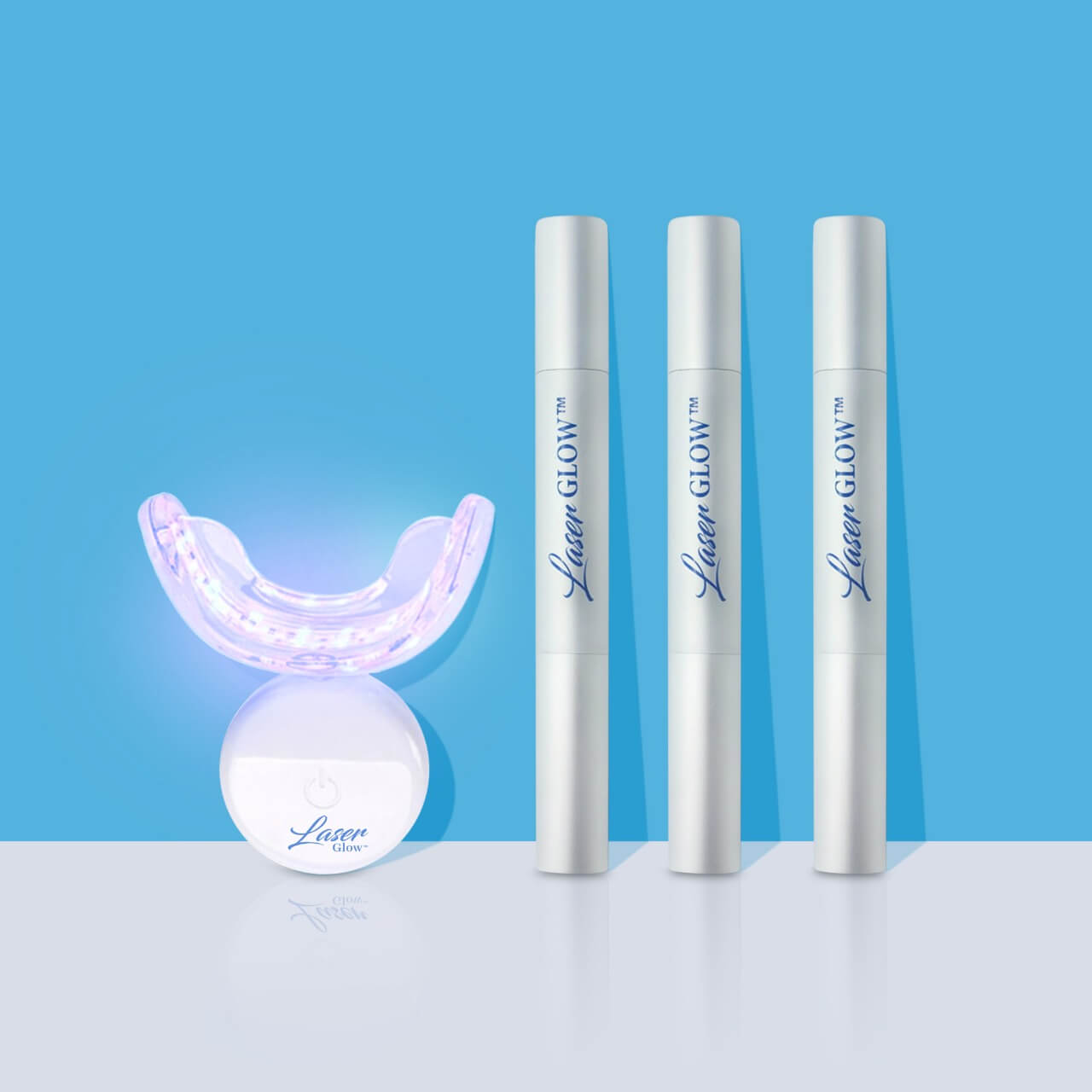
An LED curing light hardens the bond from multiple angles. Under-curing is one of the most common reasons tooth gems pop off early.
For a complete clinical walkthrough with placement and curing tips, see the Tooth Gem Application Guide and download the free Professional Tooth Gem PDF.
How Long Do Tooth Gems Last?
With professional-grade materials and proper technique, tooth gems typically last several months. Many professional placements last 3–12 months, and some last longer depending on placement, oral habits, diet, and aftercare.
What affects tooth gem longevity
- Adhesive quality: the bonding system matters more than the gem itself.
- Curing time and angle: under-cured adhesive produces a weak bond.
- Oral habits: biting hard foods, chewing ice, nail-biting, pen chewing, or persistent tongue pressure can shorten wear time.
- Placement surface: gems bond most durably on healthy, smooth natural enamel.
- Aftercare compliance: sticky and hard foods in the first 24 hours are a common cause of early pop-offs.
For a complete longevity guide: How Long Do Tooth Gems Last?
Are Tooth Gems Safe for Your Enamel?
Yes, tooth gems can be safe for enamel when applied and removed correctly by a trained provider using tooth-safe materials and proper technique. Tooth gems do not require drilling when placed on healthy natural enamel.
The main risks are predictable: non-dental adhesives, aggressive DIY removal, bonding over compromised enamel, and poor hygiene around the gem. Avoid those and tooth gems are a safer cosmetic service.
Deeper reading: Are Tooth Gems Safe?, reviewed by David Hanna, RDH.
How to Make Tooth Gems Stay On Longer
The difference between a gem that lasts six weeks and one that lasts six months is usually technique and aftercare, not just the gem itself. Use this checklist for better retention.
- Prep properly: clean, isolate, etch, rinse, and dry before bonding.
- Use a wax tip applicator: precise placement helps create cleaner margins.
- Cure completely: cure from multiple angles and do not rush this step.
- Protect the first 24 hours: avoid sticky, chewy, or hard foods and do not bite directly on the gem.
- Keep the area clean: brush gently with a soft-bristled toothbrush and floss carefully around the gem site.
For full aftercare instructions to give clients: Tooth Gem Aftercare Guide
How to Remove a Tooth Gem Safely
Tooth gem removal should be performed by a trained professional using controlled polishing instruments, not by picking, prying, or biting it off. A well-applied gem can be removed safely with the right finishing and polishing steps.
After removal, the enamel surface should be polished smooth and inspected. The goal is to remove adhesive residue without scratching or thinning enamel.
Full removal guidance: Tooth Gem Removal Guide and the LaserGlow Professional Tooth Gem Removal Tool.
Tooth Gem FAQ
Professional Tooth Gem Toolkit
Consistent, enamel-conscious results come down to the right materials. Here are the core components of a professional tooth gem setup: