How to Choose the Right Teeth Whitening Gel Strength
Choosing the correct hydrogen peroxide teeth whitening gel strength is critical for dentists, med spas, salons, estheticians, and whitening technicians. This guide breaks down when to use 16%, 25%, 35%, 36% dual-barrel, and 44% dual-barrel hydrogen peroxide gel, how to manage sensitivity, and how to match the right formula to each client’s staining, timeline, and comfort level.
Reviewed by David Hanna, RDH · Registered Dental Hygienist
Shop Professional Whitening Gels
Stock multiple gel strengths so you can build a real whitening menu: gentle, standard, power, and maximum-strength professional protocols.
🛒 View Pro Gel Guide16%, 25%, 35%, 36%, and 44% hydrogen peroxide formulas for professional whitening providers.
Visit the LaserGlow Professional Teeth Whitening Resource Center for guides, protocols, and troubleshooting education.
Understanding Professional Whitening Gel Strengths
Professional hydrogen peroxide whitening gels range from lower-strength comfort formulas to high-strength power whitening gels. The right choice is not always the strongest gel. The right choice is the gel that matches the client’s sensitivity level, stain type, treatment goal, and provider experience.
Higher concentrations can work faster, but they also require stronger isolation, stricter timing, and better client screening. Lower concentrations usually offer more comfort and can still deliver visible results with the right protocol.
The goal is simple: deliver predictable shade improvement while reducing avoidable sensitivity, soft tissue irritation, and unrealistic client expectations. Thrilling stuff, I know, but this is where good providers separate themselves from gel-slinging chaos.
Whitening Gel Strengths: When to Use Each Formula
Below is a practical breakdown of how LaserGlow’s professional hydrogen peroxide gels fit into a real whitening menu.
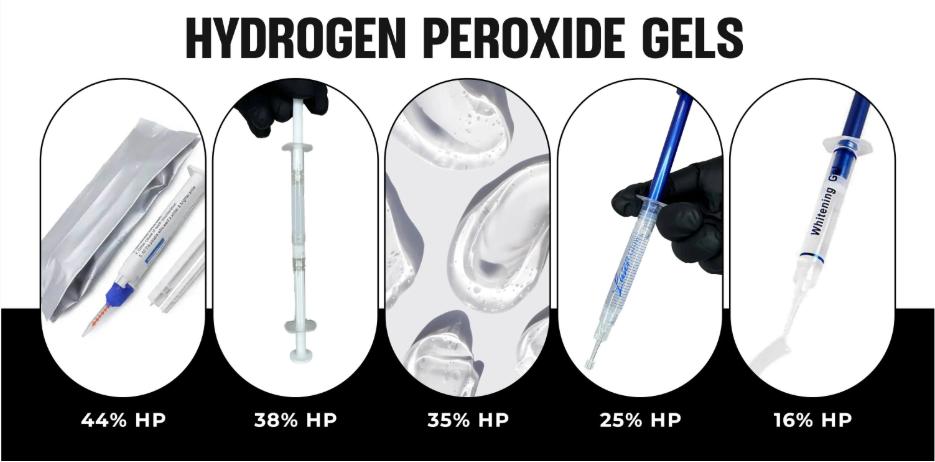
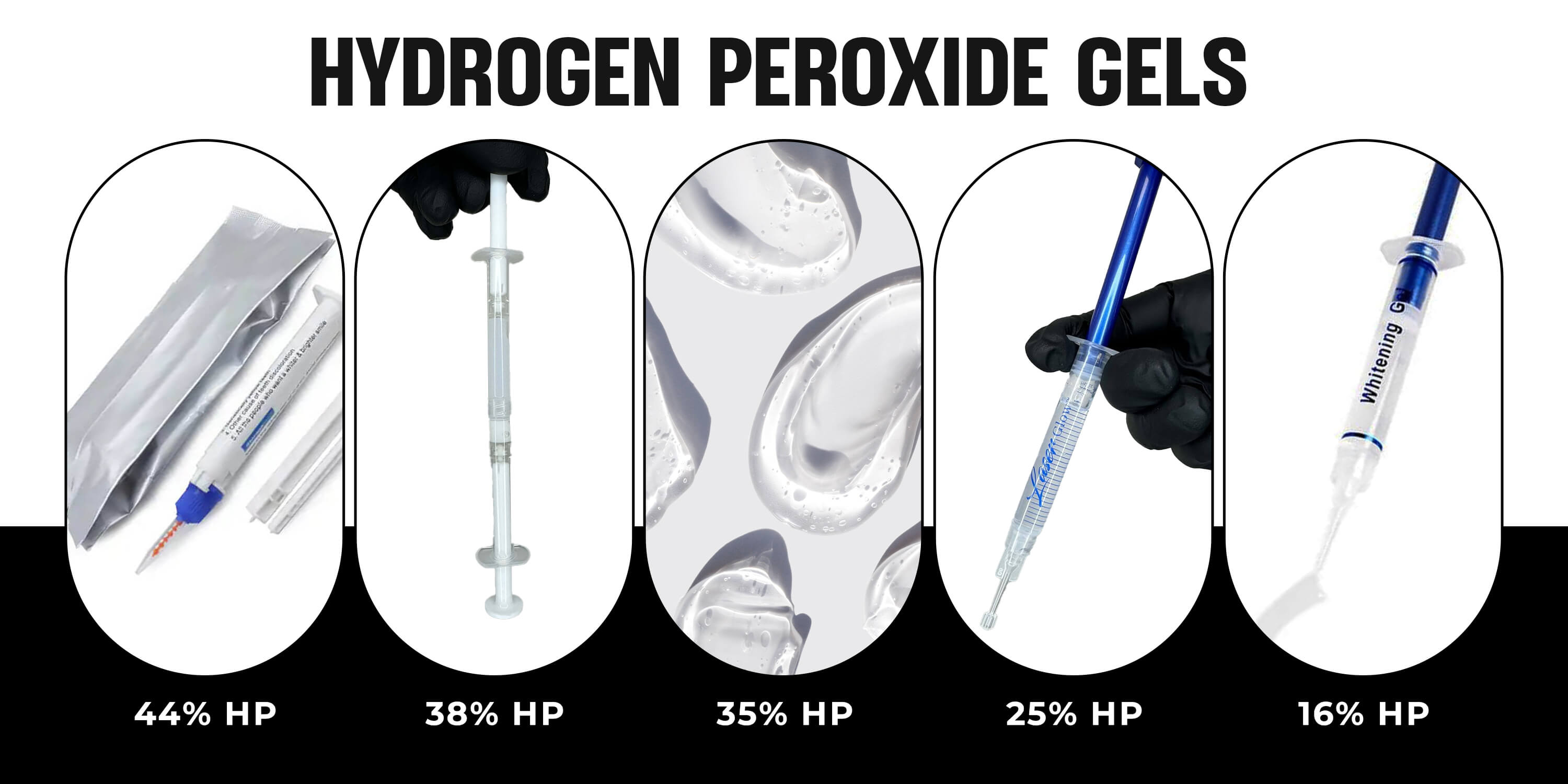
16% hydrogen peroxide is a smart starting point for clients with sensitivity concerns, first-time whitening clients, maintenance appointments, and lighter stain cases.
- Useful for conservative whitening protocols.
- Good for clients who are nervous about sensitivity.
- Can help maintain results between stronger sessions.
25% hydrogen peroxide is a versatile professional gel that balances visible whitening performance with manageable sensitivity for many clients.
- Good for moderate coffee, tea, wine, and lifestyle stains.
- Useful as a standard in-office whitening option.
- Stronger than 16% while still fitting routine protocols.
35% hydrogen peroxide is a stronger chairside option for providers who need faster whitening performance on appropriate candidates.
- Best for clients with heavier natural tooth staining.
- Useful for event-driven whitening when timing matters.
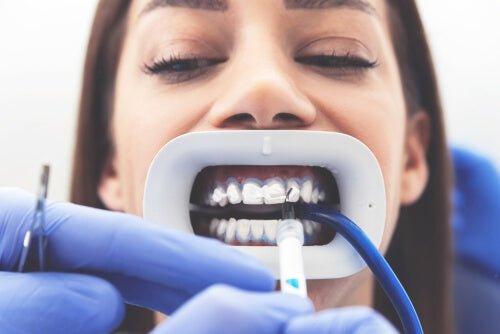
- Requires gingival barrier, careful placement, and monitoring.
36% hydrogen peroxide dual-barrel gel is designed for professional workflows that use an activator system. It gives providers a structured option between traditional high-strength gels and maximum-strength dual-barrel formulas.
- Useful for advanced chairside whitening protocols.
- Activator format supports controlled mixing workflow.
- Requires professional isolation and soft tissue protection.
44% hydrogen peroxide dual-barrel gel is LaserGlow’s maximum-strength professional option. It is built for trained providers who understand timing, isolation, client screening, and sensitivity management.
- Best for resistant staining and advanced professional cases.
- Dual-barrel format supports fresh-mix application.
- Requires gingival barrier, LED whitening machine, and strict protocol control.
Managing Tooth Sensitivity by Gel Strength
Sensitivity is one of the most common concerns with professional whitening. Higher peroxide concentrations can create faster whitening potential, but they also demand stronger clinical judgment.
A useful mindset: think in terms of risk versus reward. Any increase in strength should be justified by stain level, client tolerance, timing, and provider experience.
• Start with 16% for sensitivity-prone or first-time clients.
• Use 25% when you want stronger results while keeping a balanced protocol.
• Reserve 35%, 36%, and 44% for advanced chairside cases with proper isolation.
• Never extend contact time just to force a stronger result. That is not a protocol, that is chaos with a syringe.
To support comfort, many providers screen sensitivity history, use proper isolation, avoid overapplication, recommend sensitivity-focused oral care when appropriate, and pause whitening if symptoms become uncomfortable.
LED Light Compatibility
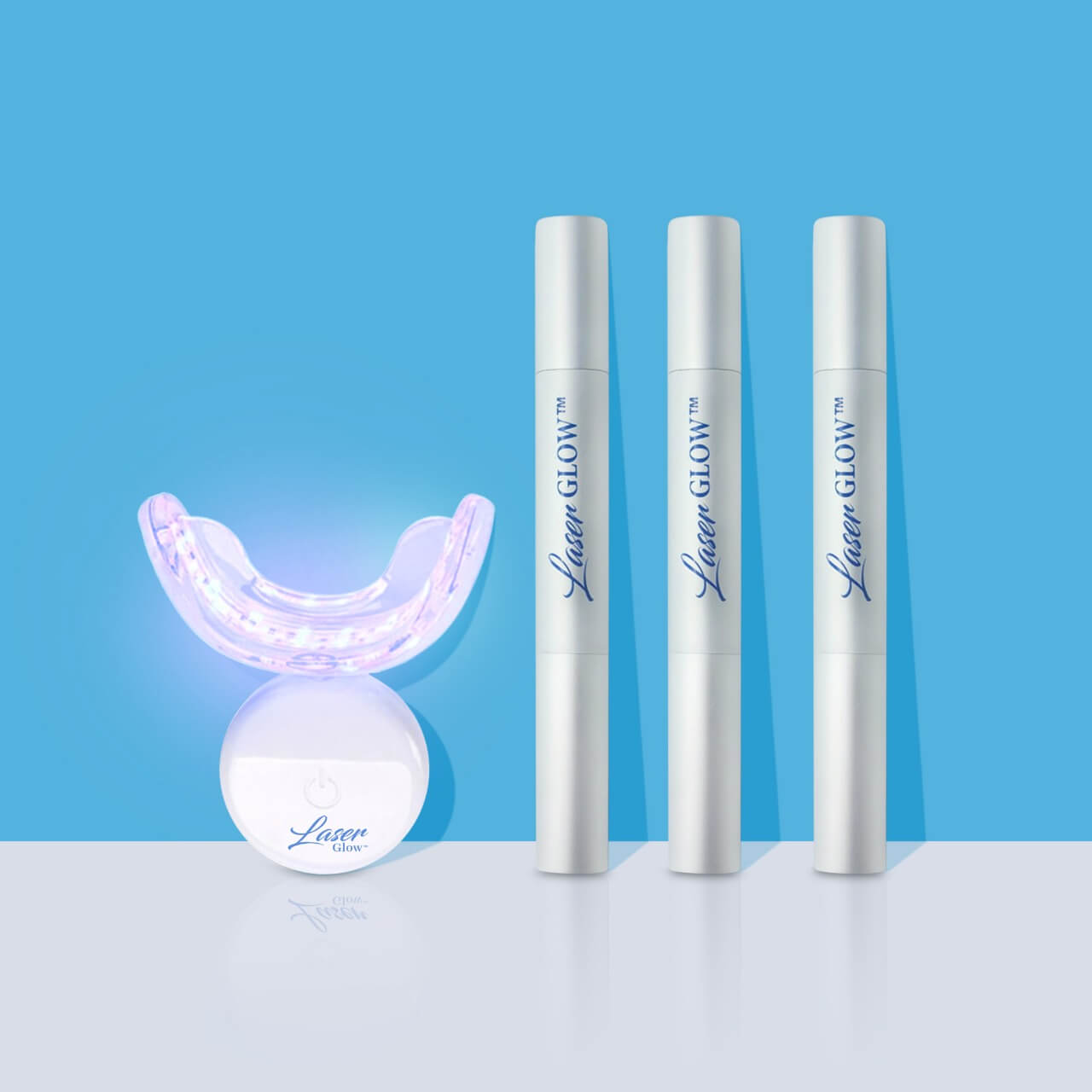
Professional hydrogen peroxide whitening gels are commonly paired with LED whitening machines to support chairside whitening protocols. LED light helps providers structure treatment time and deliver a more polished in-office experience.
• Helps support professional chairside whitening workflows.
• Creates a premium in-office treatment experience.
• Pairs with hydrogen peroxide gels under controlled protocols.
• Especially important for high-strength formulas like 35% and 44%.
With stronger formulas, the goal is not longer treatment. The goal is controlled timing, proper isolation, and professional monitoring.
How to Choose Which Gel Strength to Use
When deciding what to stock and which gel to use, consider three pillars: sensitivity profile, stain severity, and timeline or expectations.
Sensitive client? Start lower with 16%. Mild sensitivity but wants stronger results? Consider 25%. Healthy enamel and low sensitivity? 25–35% may be appropriate.
Lifestyle stains may respond well to 16–25%. Heavier or more resistant stains may require 35%, 36%, or 44% under professional protocols.
Maintenance and first-time clients usually need conservative protocols. Event whitening or dramatic transformations may require stronger gels with strict isolation.
Many high-performing whitening businesses stock multiple strengths and build tiered menus like Sensitive, Standard, and Power whitening packages.
Professional Whitening Gel FAQs
Ready to Build Your Whitening Menu?
Stock multiple professional gel strengths and build Sensitive, Standard, Power, and Maximum whitening protocols for different client needs.