Tooth Gem Application Guide
Tooth gems are small crystals bonded to the enamel surface using a dental-grade adhesive and cured with an LED curing light — no drilling, no injections, completely reversible. This guide covers what tooth gems are, how the full application process works step by step, which professional kit components you need, safety and enamel considerations, aftercare instructions, and how to remove tooth gems safely.
What are tooth gems?
A cosmetic, enamel-safe way to add sparkle to a smile using the same bonding chemistry as orthodontic brackets.
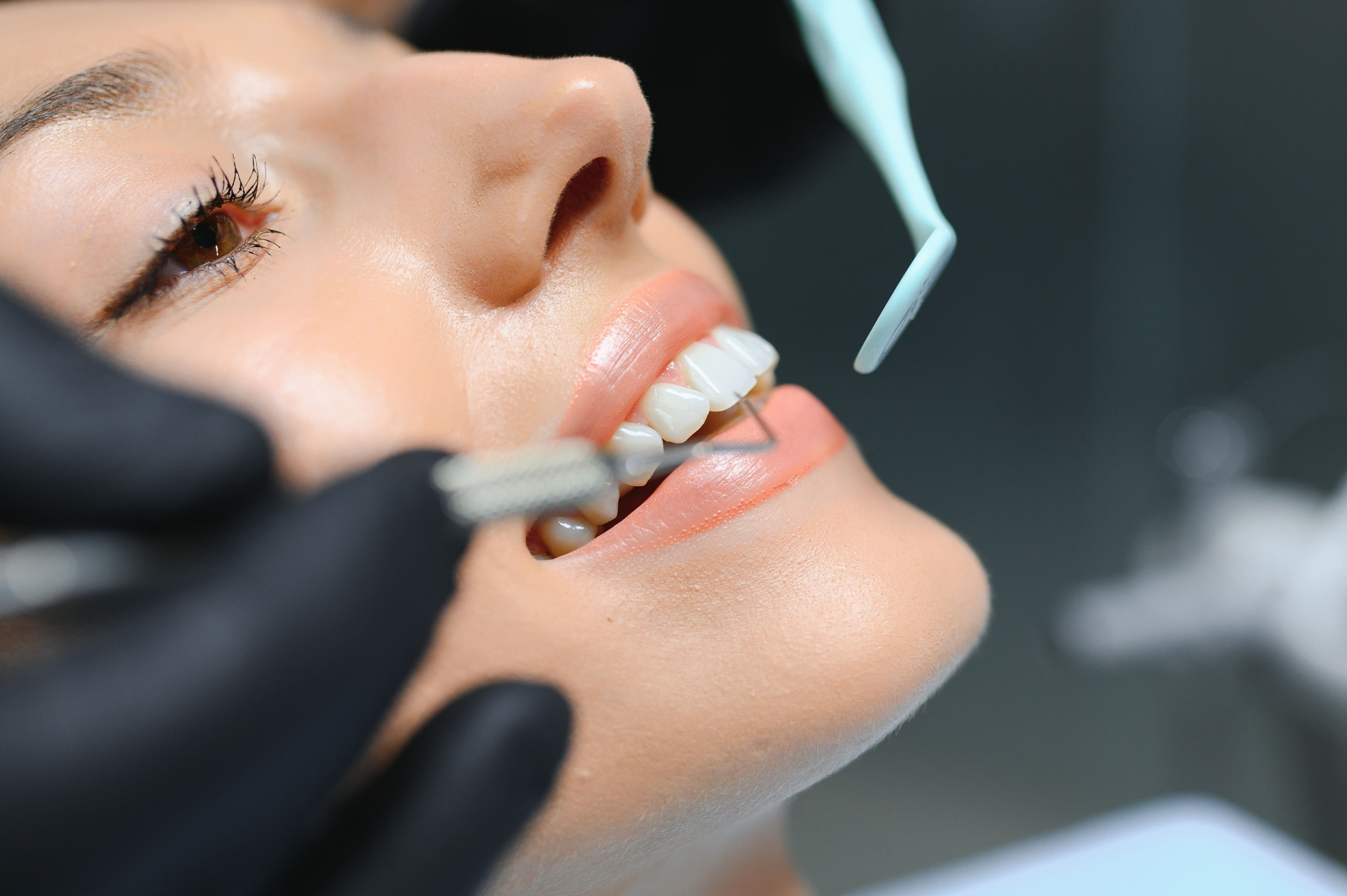
Tooth gems are tiny decorative crystals or jewels bonded to the outer enamel as a form of cosmetic smile jewelry. The procedure is completely non-invasive — no drilling, no injections, and no permanent alteration of tooth structure. A dental-grade adhesive is applied to a clean, etched enamel surface, the gem is placed, and the bond is cured with a blue LED light in the same way orthodontic brackets and composite restorations are bonded.
When performed correctly with professional materials, tooth gem application is painless, requires no anesthesia, and can be reversed without damaging healthy enamel. LaserGlow supplies premium crystal tooth gems, butterfly designs, heart gems, and complete professional tooth gem kits for trained technicians, whitening studios, and dental professionals.
Inside a professional tooth gem kit
Every component is dental-grade and selected to support strong, predictable adhesion — not just aesthetics.
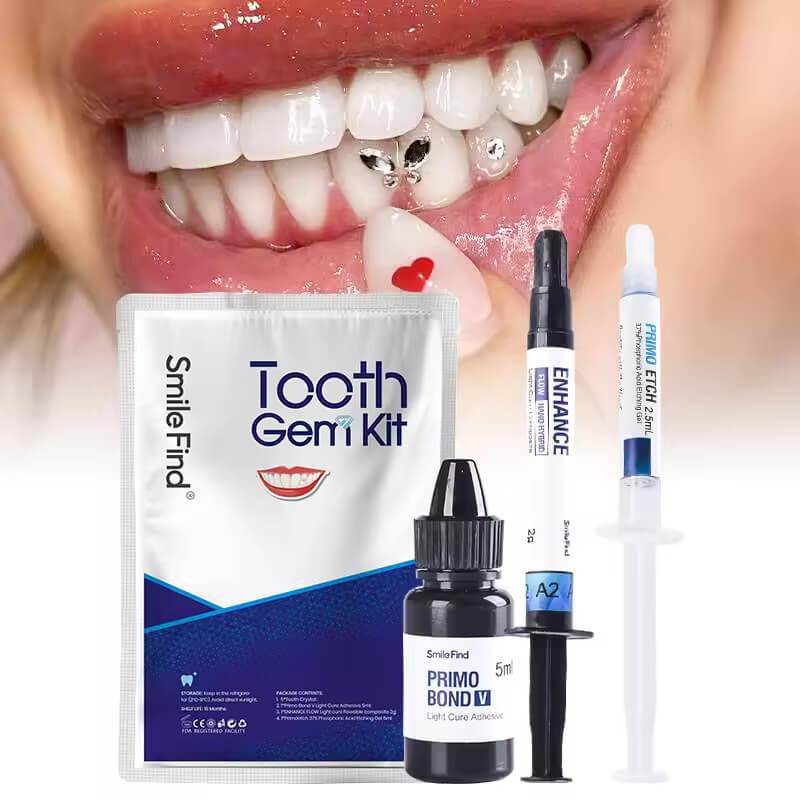
Etching gel
A mild phosphoric acid gel lightly etches the enamel surface, creating micro-roughness so resin can lock in. Applied for 15–20 seconds, then rinsed thoroughly and dried completely.
Bonding agent
A light-cured bonding resin penetrates etched enamel to form a strong, tacky adhesive base. Using a quality dental bonding agent is critical for long-lasting results.
Dental adhesive / composite
Clear, light-curing orthodontic-style composite resin secures the gem to the tooth. Only dental-grade materials designed for intraoral use should be used — never super glue or nail glue.
Tooth gems
High-brilliance flat-back crystals (commonly 1.8 mm or 2.2 mm) with reflective backings that catch light. Available in singles, clusters, butterflies, hearts, and more.
Shop crystal tooth gems →LED curing light
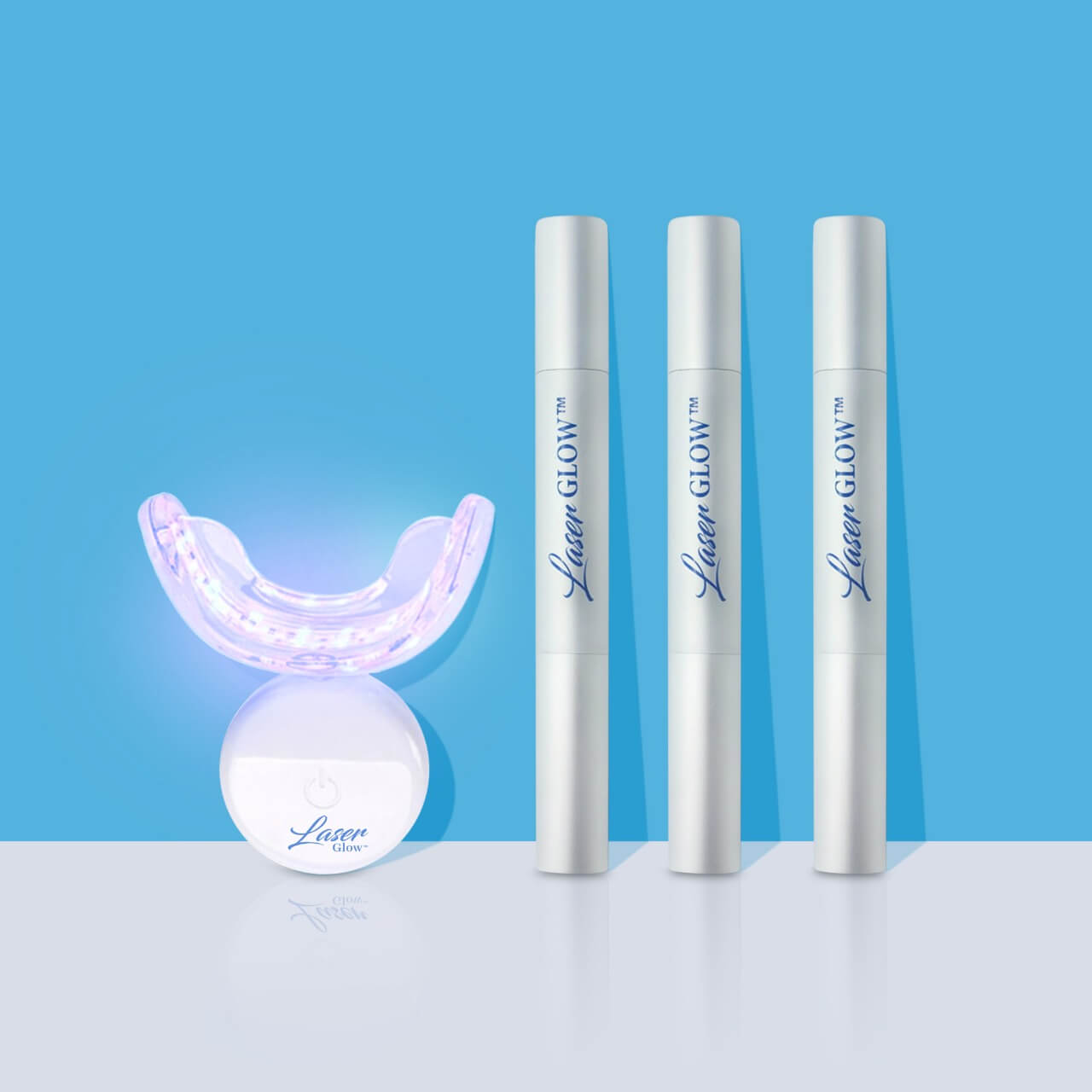
A high-intensity dental LED light polymerizes the bond and composite under the gem, locking it securely in place within seconds. Correct angle and distance matter.
LaserGlow LED curing light →Wax applicator tool
A wax-tipped applicator picks up and places tiny gems accurately without slipping, making it easier to center crystals on the tooth for clean, symmetrical results.
Tooth gem wax applicator →For an all-in-one professional setup, start with the LaserGlow Professional Tooth Gem Kit and browse the full Tooth Gem Kits & Supplies collection.
How to apply tooth gems: step-by-step
Follow this protocol with dental-grade materials and proper isolation for predictable, enamel-safe results.
| Step | Goal | Timing | Key note |
|---|---|---|---|
| Prep | Clean & dry field | 30–60 s | Polish, rinse, isolate. No oils or fluoride immediately prior. |
| Etch | Micromechanical retention | ~20 s | Rinse & dry to a chalky matte surface. |
| Bond | Adhesive interface | 10–20 s | Thin, even layer — no pooling at margins. |
| Place | Precise gem position | — | Verify symmetry and alignment before curing. |
| Cure | Polymerization | 20–40 s | Multiple angles; protect soft tissue; confirm full set. |
| Seal | Margin protection | 10–20 s | Thin coat; wipe oxygen-inhibited layer if needed. |
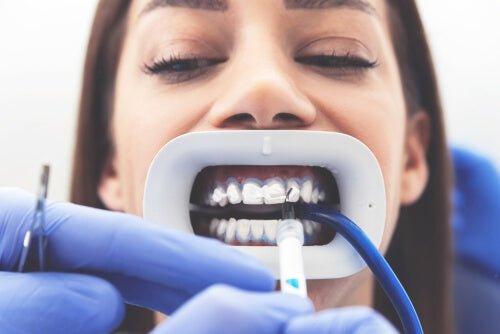
Have the client brush and floss before the appointment. Select the target tooth — upper incisors and canines are the most common placements. Use cotton rolls or a cheek retractor to keep the area fully dry throughout the entire procedure. Moisture contamination at any stage can compromise the bond.
Apply a thin layer of etching gel to the chosen enamel surface for 15–20 seconds, following your product's manufacturer guidelines. Rinse thoroughly for 10–15 seconds, then dry completely until the enamel has a chalky, matte appearance. Proper etching creates the micro-retention needed for a durable bond.
Using a fresh microbrush, apply a small amount of bonding resin to the etched area and spread in a thin, even layer. Lightly air-thin if indicated by the manufacturer's instructions. Light-cure with an LED curing light for 10–20 seconds to form a strong adhesive layer before placing the composite.
Apply a controlled, small amount of flowable composite or tooth gem adhesive to the bonded surface. Use the wax applicator tool to pick up the gem by its flat back. Set it precisely on the adhesive, centered where the client wants it, and make any final position adjustments before curing. Thin adhesive layers mean better hold and cleaner margins.
Cure with the LED curing light from several different angles for 20–40 seconds total, ensuring the light reaches the composite under and around the gem. Shield surrounding soft tissue during curing. After curing, gently test that the gem is fully locked — there should be zero movement.
Remove any residual wax from the applicator tip and smooth any excess composite around the gem margins if needed. Have the client check the placement and confirm comfort — there should be no sharp edges, high spots, or rough margins. Review aftercare instructions before the client leaves.
Are tooth gems safe? Safety and best practices
When applied and removed correctly with professional materials, tooth gems can be enamel-safe and reversible. The risks come from poor technique and non-dental materials — not from the gem itself.
Tooth gems applied with professional, dental-grade adhesive and correct technique are a safe cosmetic service. The key is to respect enamel integrity, use only intraoral-approved materials, and maintain excellent oral hygiene around the gem site. Never use super glue, nail glue, or any adhesive not specifically designed for intraoral use.
Tooth gems are temporary and may need replacement or removal after 6–12 months depending on the client's habits, diet, oral hygiene, and the quality of the original application. With proper informed consent and consistent aftercare guidance, the risk of enamel damage or plaque accumulation around the gem site is significantly reduced.
For removal, always use professional instruments and controlled polishing to remove adhesive residue — never pry or force the gem off. See the full tooth gem removal guide in the Tooth Gem Resource Center, and explore the professional removal tool from LaserGlow.
Tooth gem aftercare and removal
Educate every client on how to protect their enamel and extend the life of their tooth gem before they leave the chair.
Aftercare instructions
- Avoid sticky, chewy, or hard foods for the first 24–48 hours.
- Do not pick at or bite directly on the gem.
- Brush gently with a soft-bristled toothbrush twice daily.
- Floss carefully around the gem site to prevent plaque buildup.
- Avoid whitening strips directly over the gem area.
- Have the gem checked at regular dental visits.
- If the gem loosens or falls off, do not attempt to re-glue at home — contact your provider.
Safe removal
Tooth gem removal should always be performed by a trained professional. Use a dental handpiece with appropriate bits and polishing steps to remove the adhesive while preserving enamel. Avoid forcefully prying off the gem — this can chip or scratch enamel. A well-applied gem should lift cleanly with controlled mechanical polishing and finishing burs.
After removal, polish the enamel surface smooth and advise the client on enamel care.
View tooth gem removal guide →Tooth gem application FAQs
Common questions from clients and professionals about tooth gem application, longevity, safety, and removal.
How long do tooth gems last?Tap to expand
Tooth gems typically last 6–12 months when applied with professional dental-grade materials and maintained with good oral hygiene. Longevity depends on the client's diet, bite habits, how carefully they follow aftercare instructions, and the quality of the original application technique.
Will a tooth gem damage my enamel?Tap to expand
When applied and removed correctly by a trained professional using dental-grade products, tooth gems should not damage healthy enamel. The main risks come from DIY kits using non-dental glues, or aggressive removal methods such as prying, which can cause scratches or enamel loss.
Can I brush my teeth with a tooth gem?Tap to expand
Yes. Clients should continue brushing twice daily with a soft-bristled toothbrush. Avoid scrubbing aggressively directly over the gem. Keeping the area around the gem very clean is important to prevent plaque buildup and potential gum irritation.
What should I do if the tooth gem falls off?Tap to expand
If a gem falls off prematurely, save it if possible and contact your tooth gem provider or dental professional to have it reapplied. Never attempt to re-glue the gem at home with non-dental adhesives — this can damage enamel and irritate soft tissue.
Can I remove a tooth gem at home?Tap to expand
Home removal is not recommended. Safe removal should be performed by a dental professional or trained tooth gem technician using controlled polishing and finishing techniques to remove the adhesive without harming the enamel surface.
Is tooth gem application painful?Tap to expand
No. Tooth gem application is completely non-invasive and does not require drilling or anesthesia. Most clients only feel light pressure during gem placement. The procedure is generally quick and comfortable when performed by a trained provider.
Are there any side effects?Tap to expand
Side effects are rare when proper materials and technique are used. The primary concerns are plaque accumulation around the gem margins and mild gum irritation if adhesive contacts soft tissue. Good client hygiene habits and correct placement technique significantly reduce these risks.
Who should not get tooth gems?Tap to expand
Tooth gems are not recommended for teeth with active decay, existing cracks, significant enamel wear, or teeth that have had extensive restorative work in the placement area. Clients with orthodontic brackets on the target tooth, known allergies to dental bonding materials, or certain bite patterns that create direct force on the gem site may also not be good candidates.
Related guides & recommended pro tools
Stay in the tooth gem cluster, then find the exact kit, crystal, or tool you need for clean, consistent results.
Related guides
Tooth Gem Application Guide
Full bonding workflow, curing times, placement technique, and what affects hold time.
Read applicationHow to Remove Tooth Gems Safely
The correct removal method to protect enamel and clear adhesive residue properly.
Read removalHow Long Do Tooth Gems Last?
Realistic longevity ranges plus the aftercare habits that prevent early pop-offs.
Read longevityTools used (shop)
Etch + Bond + Glue Kit
Proper enamel prep and dental-grade bonding. This is the "stay on" part.
Shop essentialsPremium Crystal Tooth Gems
Clean edges, better comfort, and more reliable finish — crystals, butterflies, hearts.
Shop crystalsTooth Gem Removal Tool
Professional removal without drama. No prying. No chipped enamel.
Shop removal toolTooth Gem Business Starter Kit
A complete professional setup for consistent results and efficient client workflows.
Shop starter kitProfessional note: never use nail glue or consumer adhesives for tooth gem application. Correct prep + correct cure + dental-grade materials = enamel-safe, lasting results.