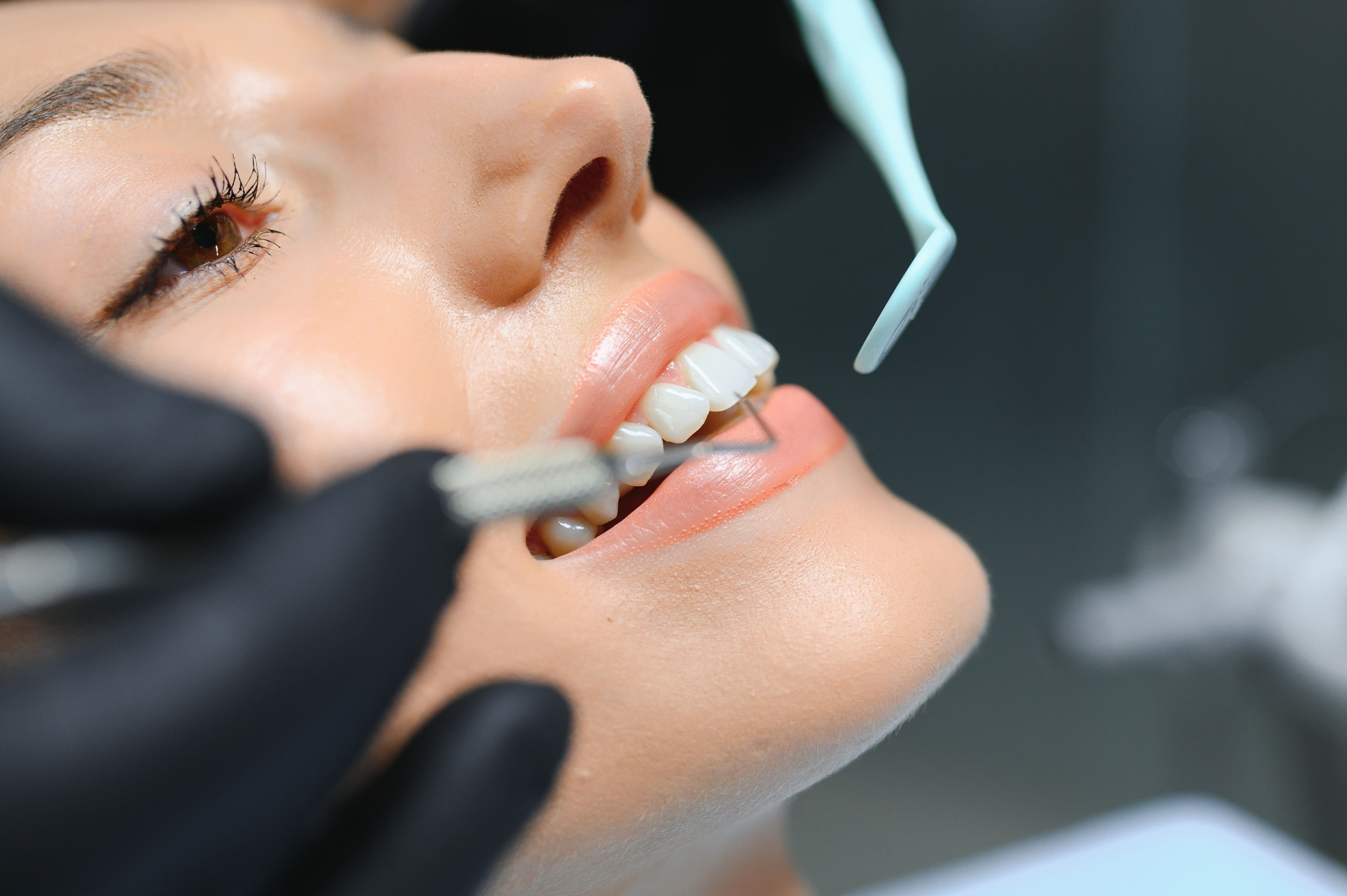
Gingival barrier gel is one component of professional soft-tissue isolation. This article explains its purpose, placement-quality checks, curing considerations, limitations, and product-selection questions without duplicating the complete isolation workflow.
What Is Gingival Barrier Gel?
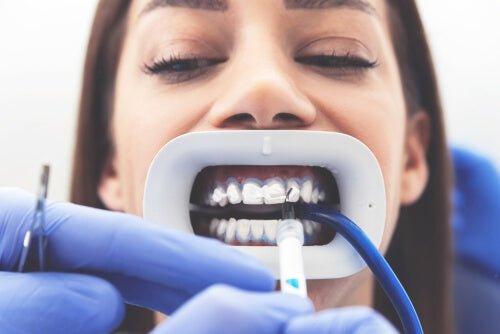
Gingival barrier is a protective material placed over exposed gingival tissue and cured or set according to its instructions before certain professional whitening procedures. Its purpose is to reduce direct soft-tissue contact with the whitening product. It does not make an inappropriate formula, poor isolation, excessive contact time, or an unauthorized procedure safe.
When Is Gingival Barrier Used?
Use depends on the whitening formula’s IFU, the barrier product’s instructions, provider training, treatment setting, and local requirements. Peroxide gel can cause temporary gingival irritation if it contacts soft tissue, and incorrect barrier application may allow seepage.
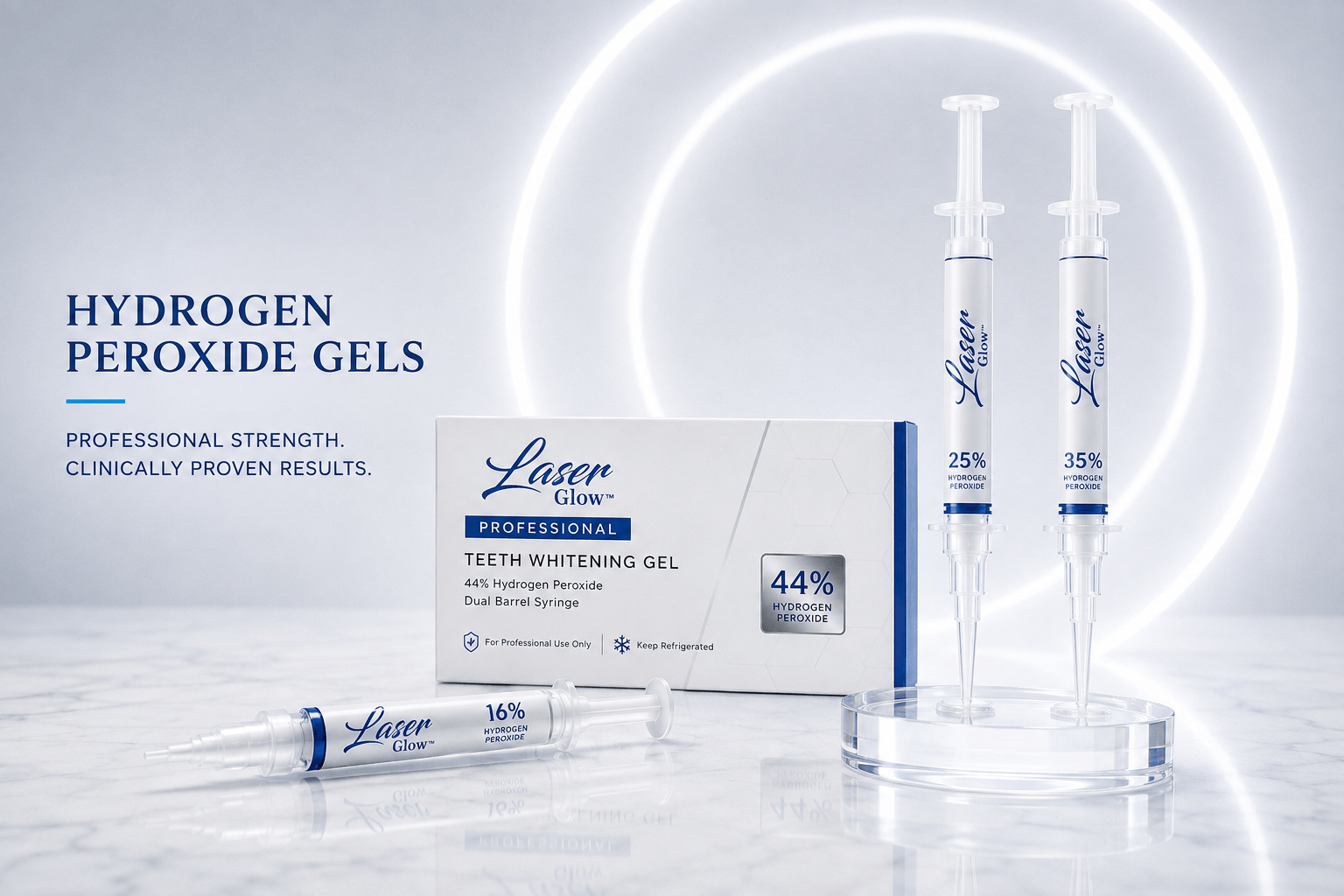
All LaserGlow professional whitening gels require a gingival barrier, regardless of strength. Follow the current instructions for the whitening gel and compatible barrier for application, curing, coverage checks and monitoring.
Barrier Placement Quality Checks
- The area is prepared according to the barrier product’s instructions.
- The material covers the intended soft tissue continuously without visible gaps.
- Interproximal and irregular margins are inspected according to training.
- The correct compatible curing device and exposure are used if light curing is required.
- The set material is checked for lifting, pinholes, thin areas, or loss of seal before whitening product placement.
- Barrier integrity is monitored throughout the procedure.
What Gingival Barrier Does Not Replace
- Appropriate client assessment and dental referral.
- Cheek and lip retraction, moisture control, protective eyewear, suction, and controlled product placement where required.
- Product-specific timing, removal, device, storage, and aftercare instructions.
- Provider authorization, competency, workplace policy, or supervision.
- Immediate response when there is discomfort, tissue contact, or barrier failure.
If Whitening Gel Contacts the Gums
Follow the whitening product, barrier product, workplace, and professional response instructions. Stop rather than continuing through burning or visible barrier failure. Remove or rinse material as directed, assess the area, document the event, and obtain dental or medical evaluation when symptoms are significant, persistent, or uncertain.
Use the soft-tissue isolation guide for the complete retraction, moisture-control, barrier, application, monitoring, and response framework.
Gingival Barrier Gel FAQs
Is gingival barrier the same as a rubber dam?
No. They are different isolation systems with different materials, applications, and indications.
Can a whitening lamp cure gingival barrier?
Use only a curing device compatible with the barrier product’s instructions. Do not assume a whitening lamp performs the same function as a dedicated curing light.
How thick should gingival barrier be?
Follow the exact product instructions and training. Do not copy a generic measurement across different materials.
Does gingival barrier prevent all irritation?
No. Protection depends on appropriate product selection, complete placement, curing, integrity, controlled gel application, monitoring, and individual response.
Can gingival barrier treat tooth sensitivity?
No. It is intended for soft-tissue isolation and does not diagnose or treat internal tooth sensitivity.