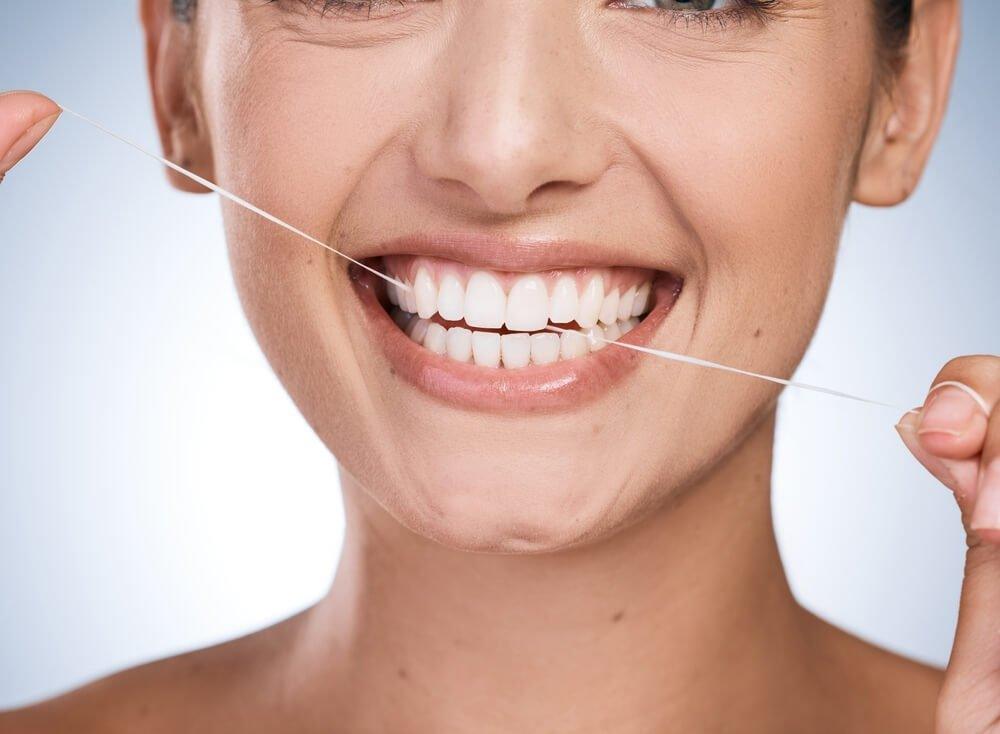
Brushing cleans the front, back, and chewing surfaces of your teeth, but it cannot fully clean between teeth or below the gumline. Flossing, water flossing, and tongue cleaning help complete your oral care routine by removing debris, supporting gum health, and keeping your mouth feeling fresher.
The Fast Answer: Why Is Flossing Important?
Flossing is important because it helps remove plaque and food debris from between teeth, where toothbrush bristles cannot clean effectively. This supports gum health, fresher breath and cleaner interdental surfaces as part of a complete oral-hygiene routine.
If traditional string floss is difficult to manage or use consistently, a cordless water flosser can help clean between teeth and along the gumline with a targeted stream of water.
What Does Flossing Do for Your Teeth?
Flossing cleans the spaces between teeth and helps disrupt plaque before it hardens into tartar. Plaque is a sticky film of bacteria that forms on teeth throughout the day. If plaque stays in place too long, it can contribute to cavities, gum irritation, and bad breath.
Brushing is still essential, but brushing alone does not fully reach tight spaces between teeth. That is why a complete oral hygiene routine should include brushing, between-teeth cleaning, and tongue cleaning.
Top Benefits of Flossing
Flossing helps clean areas your toothbrush cannot reach, especially between teeth and near the gumline.
Cleaning between teeth helps reduce plaque buildup that can irritate gums.
Cavities can form between teeth when plaque and food debris are left behind.
Removing trapped food and bacteria can help reduce one common source of bad breath.
A clean mouth is not just whiter teeth. It is cleaner gums, fresher breath, and fewer hidden debris zones.
Flossing does not bleach enamel, but it helps your smile look cleaner by removing buildup between teeth.
Traditional Floss vs Water Flosser
| Option | Best For | Main Benefit | Good to Know |
|---|---|---|---|
| String Floss | Tight contacts between teeth | Physically scrapes plaque from tooth surfaces | Technique matters. Use gently below the gumline without snapping. |
| Water Flosser | Gumline cleaning, braces, bridges, implants, and people who hate string floss | Uses water pressure to flush debris between teeth and around gums | Great for daily routine support and easier compliance. |
| Best Routine | Most people | Brush, floss or water floss, then clean your tongue | Consistency matters more than which method you choose. |
Why a Cordless Water Flosser Can Make Flossing Easier
A cordless water flosser is a helpful alternative or addition to string floss, especially if you have braces, dental work, sensitive gums, or tight areas that are difficult to clean.
The LaserGlow Cordless Water Flosser helps clean between teeth and along the gumline using targeted water pressure. It does not replace brushing, and it does not bleach teeth. Its job is to support cleaner spaces between teeth, healthier-feeling gums, and fresher daily oral hygiene.
Shop here: LaserGlow Cordless Water Flosser
Why Tongue Cleaning Belongs in Your Routine
Flossing removes debris between teeth, but the tongue can also hold bacteria and buildup that contribute to bad breath. That is why tongue cleaning is a smart final step in a complete oral care routine.
The LaserGlow Rose Gold 3-Piece Tongue Scraper Set helps remove tongue coating and support fresher breath. It pairs well with brushing, flossing, and water flossing for a cleaner mouthfeel.
For the full technique and the research on why it works, see our guide to tongue scraping benefits and how to do it properly.
Shop here: LaserGlow Rose Gold Tongue Scraper Set
Does Flossing Help Gums?
Yes. Flossing helps remove plaque and debris near the gumline, which supports healthier gums. If your gums bleed when you floss, it may be a sign that plaque buildup or inflammation is already present.
Bleeding that continues, gum swelling, pain, or loose teeth should be checked by a dental professional.
Does Flossing Help Bad Breath?
Yes, flossing can help reduce bad breath when odor is caused by trapped food and bacteria between teeth. Brushing alone may leave those areas untouched.
For fresher breath, combine brushing, flossing or water flossing, and tongue scraping. Each step addresses a different source of odor, so the routine works best as a whole rather than any single product.
Best Complete Oral Care Routine
For a cleaner, fresher mouth, use a routine that covers all major areas:
Brush twice daily for two minutes to clean tooth surfaces.
Use string floss or the LaserGlow Cordless Water Flosser to clean between teeth and along the gumline.
Use the Rose Gold Tongue Scraper Set to remove tongue buildup and support fresher breath.
Use whitening toothpaste or purple toothpaste serum if your goal is a cleaner, brighter-looking smile.
Recommended LaserGlow Products
Best for cleaning between teeth, around the gumline, braces, bridges, and hard-to-reach areas.
Best for removing tongue buildup and supporting fresher breath.
Best for daily brushing and surface stain maintenance.
Best for instant yellow-tone correction and a brighter-looking smile before photos.
Final Verdict
Flossing matters because it cleans where brushing cannot. It helps remove plaque between teeth, supports gum health, reduces trapped debris, and can improve breath freshness.
The easiest routine is the one you will actually follow: brush daily, clean between teeth with floss or a water flosser, and use a tongue scraper for a cleaner finish. Consistency is what turns these individual steps into real, lasting oral health benefits.
Evidence and Editorial Review
This guide was clinically reviewed by David Hanna, RDH. For independent guidance, see the American Dental Association's overview of floss and interdental cleaning. Product links are commercial; the clinical guidance applies whether or not you buy a LaserGlow product.
Continue Learning
Need technique, not just benefits? Follow the step-by-step cordless water flosser guide, or our full breakdown of tongue scraping benefits and technique. For odor that continues despite a consistent routine, see the persistent bad breath guide. If you are weighing a whitening treatment next, our guide to common teeth whitening myths separates what actually works from what does not.
FAQs
What does flossing do?
Flossing removes plaque and food debris from between teeth and near the gumline, where a toothbrush cannot clean effectively.
Why is flossing important?
Cleaning between teeth helps remove plaque and trapped debris from areas a toothbrush may miss. Along with brushing and regular dental care, it supports gum health and helps reduce the risk of decay between teeth.
Is a water flosser better than string floss?
A water flosser can be easier for many people and is helpful around braces, bridges, implants, and gumline areas. String floss is useful for scraping plaque from tight contacts. Some people use both.
Does flossing help with bad breath?
Yes. Flossing can help reduce bad breath caused by trapped food and bacteria between teeth. Tongue scraping can also help because the tongue can hold odor-causing buildup.
Should I floss before or after brushing?
Either order can work if you clean between your teeth thoroughly every day and brush with fluoride toothpaste. Choose the sequence you can perform consistently.
Does tongue scraping replace flossing?
No. Tongue scraping cleans the tongue, while flossing or water flossing cleans between teeth. Both support a cleaner oral care routine — see our tongue scraping benefits guide for the full technique.