It may come as a surprise that a practice as simple as swishing oil in your mouth, a cornerstone of ancient Ayurvedic wellness, can change the way you think about oral care. Yet, millions globally have embraced oil pulling for teeth as an adjunct to their daily dental routine. Beyond freshening breath, the anecdotal accounts and emerging research on oil pulling benefits suggest a ripple effect of health boosts, making it more than just a conventional oil pulling mouthwash. In a world where we are increasingly seeking natural health solutions, oil pulling resurfaces as an accessible practice with historical roots.
Key Takeaways
- Oil pulling has a long-standing history in traditional Ayurvedic practice, known for numerous oral health benefits.
- Small studies suggest oil pulling may reduce plaque and some mouth bacteria, but it does not replace brushing, flossing or fluoride.
- Sesame oil and coconut oil are frequently recommended for oil pulling, but many opt for specialized varieties like Daily Swish.
- Adding oil pulling to your routine may help freshen breath and leave your mouth feeling cleaner.
- As a holistic practice, oil pulling is recognized not just in Ayurveda but by Western health professionals as well.
- Regular oil pulling can be a potent addition to traditional brushing and flossing for maintaining oral health.
The Origins and Science Behind Oil Pulling
The traditional Ayurvedic practice of oil pulling has long been celebrated for its health benefits. Central to this ancient regimen are the practices known as kavala and gundusha, where oil acts as an Ayurvedic mouthwash, promoting oral health in a manner quite unlike traditional Western methods. This time-honored technique points to a holistic connection between our gums and the well-being of our entire system.
Understanding Ayurvedic Roots and Practices
In the heart of Ayurvedic teachings, the concept of oil pulling for gums is not merely about oral care but rather a ritual of purification. Kavala incorporates swishing, while gundusha involves holding the oil in the mouth, bolstering the muscles within. These methods have transcended time, highlighting the Ayurvedic principle that a balanced state of oral microbiome is a reflection of overall health.
Scientific Studies That Back Oil Pulling’s Effectiveness
In the panorama of modern science, empirical research lends support to the practice that has been a cornerstone of wellness for centuries. Studies have scrutinized the roles of Ayurvedic mouthwash in maintaining dental health, discovering that oil pulling for gums could indeed be beneficial in reducing harmful oral bacteria and improving gum health. It works best as an extra rinse, not as protection against gum disease or cavities.
| Benefit | Kavala Technique | Gundusha Technique |
|---|---|---|
| Oral Cleansing | Swishing amplifies reach between teeth | Static holding saturates the entire mouth |
| Technique | Active swishing moves oil between teeth | Holding keeps oil in contact with all surfaces |
| Gum Health | May reduce plaque and gingivitis | May help gums feel fresher |
| Oral Environment | May reduce some mouth bacteria | Evidence is limited and mixed |
Looking at both its history and the research so far, it is fair to call oil pulling a traditional practice with some early research behind it. The studies so far are small, so treat kavala and gundusha as optional extras rather than proven treatments.
What Exactly is Oil Pulling?
Oil pulling, often compared to an Ayurvedic mouthwash, involves the holistic practice of swishing oil in the mouth. This traditional practice is used to rinse the mouth and leave it feeling cleaner. The comparison to day and night toothpaste lies in its use both in the morning and evening routines, complimenting regular dental hygiene practices.
While modern day and night toothpaste are explicitly designed to defend against cavities and ensure fresh breath round the clock, oil pulling is a traditional Ayurvedic rinse used to freshen the mouth. Its procedure is simple: one swishes oil - often coconut, sesame, or sunflower - through the teeth and over the gums, much like you would with an ordinary mouthwash.
The beauty of oil pulling lies in its versatility to be integrated at any time, although it is typically recommended to be performed before breakfast to help stimulate the senses and possibly enhance the appetite. Furthermore, this technique complements oral hygiene by potentially maintaining helpful oral bacteria when performed after brushing.
| Oil Pulling Attributes | Day and Night Toothpaste |
|---|---|
| Traditional oil rinse | Active cavity prevention |
| No fluoride or active ingredients | Provides fresh breath |
| Performed mainly in the morning | Used morning and night |
| May enhance taste and digestion | May contain whitening agents |
Oil Pulling's Mechanism: How Does It Work?
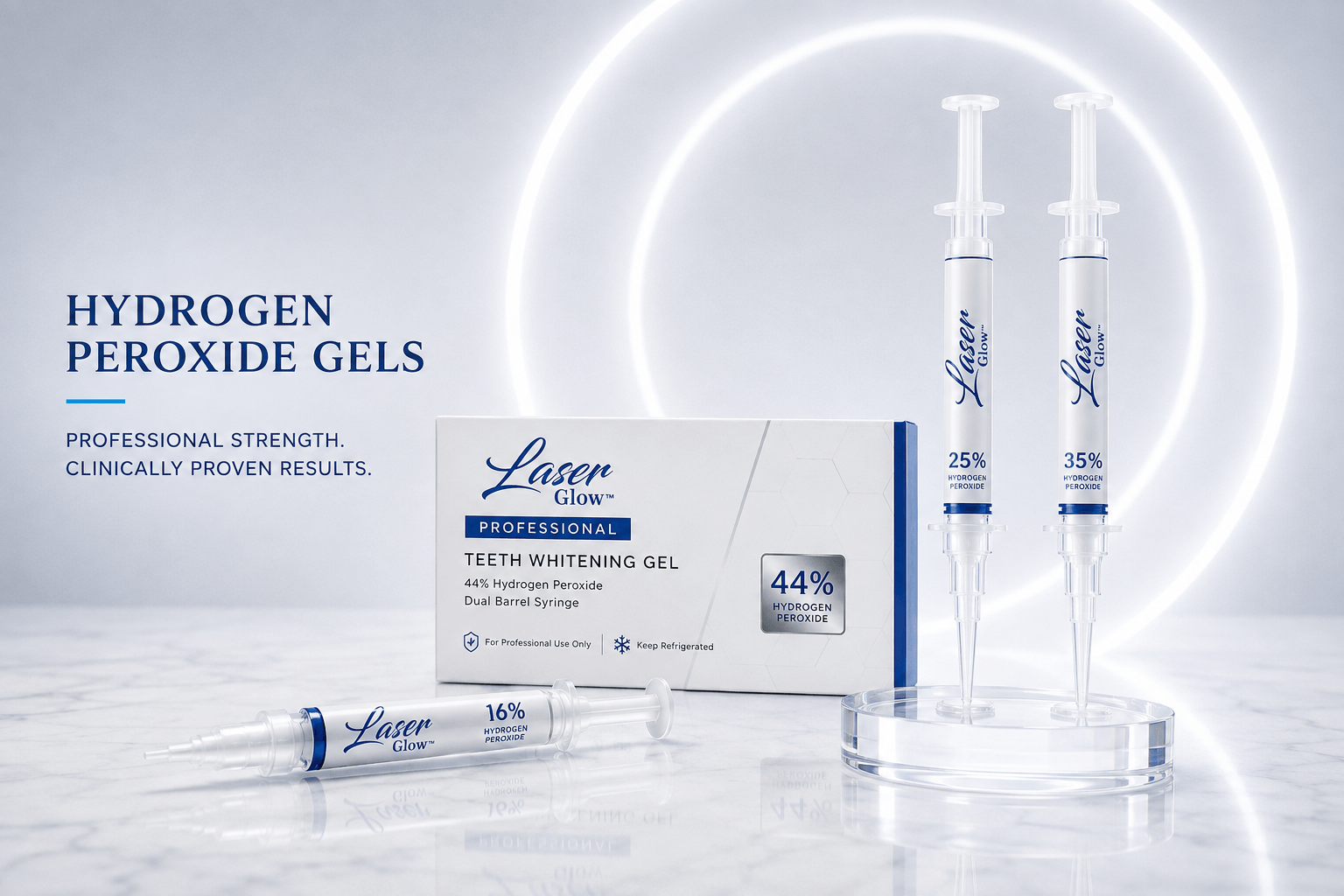
Understanding the efficacy of oil pulling begins by recognizing its profound linkage between oral hygiene and overall health. The ancient Ayurvedic practice extends beyond merely freshening the breath or whitening teeth—it is about creating a holistic balance within the body. When we explore the oral microbiome, a complex network comprising numerous bacterial species, it becomes clear that maintaining this balance is crucial. These microorganisms, if allowed to multiply uncontrollably, are the architects of dental woes. However, traditional and modern methods alike, from laser glow teeth whitening techniques to oil pulling, aim to improve oral health but do so in markedly different ways.
Linking Oral Hygiene to Overall Health
The journey to a healthier mouth—and, in turn, a healthier body—starts with routine practices that prioritize the control and enhancement of the oral microbiome. Oil pulling can be an optional extra here, alongside products like the innovative alcohol-free breath spray. Together, these steps support a cleaner-feeling mouth.
The Interaction Between Oil and Oral Bacteria
The science behind oil pulling is fascinating: as oil swishes around the mouth, it acts almost like a magnet. The principle here relies on the attraction of the lipid layers of the oil to the lipid membranes of oral bacteria. Some small studies found it may lower counts of certain mouth bacteria. A cleaner mouth is also a better starting point for teeth whitening systems, including laser glow teeth whitening.
Ultimately, oil pulling is an optional extra, not a substitute for brushing twice a day and cleaning between your teeth.
Step-By-Step Guide: How To Practice Oil Pulling
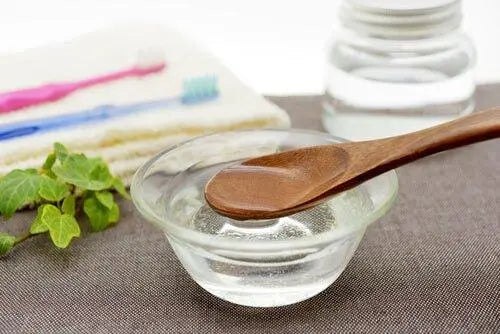
Embarking on a journey to enhance your oral health with oil pulling is both an art and science. Think of it as an ancient practice updated for contemporary wellness routines. To reap the full oil pulling benefits, you must maneuver the technique with precision. Initiate this ritual by procuring a quality oil pulling mouthwash, which usually consists of a natural oil like coconut or sesame - these oils are both beneficial and agreeable for most individuals. Measure out one tablespoon of oil to ensure that you're using just enough to be effective without overwhelming your mouth.
Commence the practice by gently swishing the oil around in your mouth, making sure to reach every crevice and corner. This step is crucial, as the oil must come into contact with all surfaces for optimal cleaning. The swishing helps loosen food debris and plaque bacteria, a process integral to oil pulling for teeth. The goal is to continue this swishing motion for approximately 15-20 minutes. You'll notice that the oil's texture changes, becoming thinner as it mixes with saliva and bacteria in your mouth, indicating that the process is almost complete.
After the time has elapsed, it is essential to properly dispose of the oil; spitting it into a trash receptacle helps to avoid any plumbing issues. Follow this with a thorough warm water rinse, swishing it in your mouth to remove any residual oil. For those new to oil pulling, starting with shorter sessions of 5 minutes and progressively lengthening the duration as you grow accustomed can make the transition smoother. This gentle, yet powerful addition to your daily hygiene routine can offer an array of health advantages, and with consistent practice, you may soon notice a fresher-feeling and cleaner-looking mouth.
How to Do Oil Pulling: Quick 5-Step Routine
- Measure one tablespoon of oil. Coconut or sesame oil are the most common choices. Start with one teaspoon if a full tablespoon feels like too much.
- Swish gently for 5 to 20 minutes. Push and pull the oil between your teeth without gargling or swallowing it. Beginners can start at 5 minutes.
- Spit it into the trash. Oil can solidify and clog drains.
- Rinse with warm water.
- Brush and floss as usual. Oil pulling is an extra step. It does not replace fluoride toothpaste, flossing or dental checkups.
The American Dental Association does not recommend oil pulling as a replacement for standard oral hygiene, because there is not enough reliable evidence for its benefits. If you enjoy it, treat it as an add-on to a complete routine.
Oil Pulling FAQ
How long should you do oil pulling?
Most guides suggest 5 to 20 minutes. Beginners can start with 5 minutes and build up. Swish gently so your jaw does not get sore.
Should you brush before or after oil pulling?
After. Spit the oil into the trash, rinse with warm water, then brush with fluoride toothpaste and clean between your teeth.
What is oil pulling and what are the benefits?
Oil pulling is a traditional Ayurvedic practice of swishing a spoonful of oil, usually coconut or sesame, around the mouth for several minutes. People use it to help freshen breath and support a cleaner-feeling mouth. Research is limited, so it should be treated as an add-on to brushing and flossing, not a replacement.
Can oil pulling be part of my daily oral hygiene routine?
Yes, oil pulling can be a valuable addition to your daily oral hygiene routine, complementing brushing, flossing, and tongue scraping. It is recommended to practice it regularly to achieve optimal benefits.
What types of oil can be used for oil pulling?
Traditional oils used for oil pulling include sesame oil and coconut oil. Modern formulations like Daily Swish are also available, which may offer additional benefits or flavors.
How does oil pulling work?
Swishing oil moves it between the teeth and along the gums, which may help loosen debris and some bacteria before you spit it out. Studies on oil pulling are small and limited, so its effects are modest compared with brushing with fluoride toothpaste and cleaning between the teeth.
How does oil pulling contribute to overall health?
Good oral hygiene supports overall wellness, but there is no reliable evidence that oil pulling on its own improves general health. Its value is as an optional step in a routine built on brushing, flossing and regular dental visits.
How do I practice oil pulling?
To practice oil pulling, take a tablespoon of oil and swish it around your mouth, making sure to cover all areas, for about 15-20 minutes. Spit the oil into a trash receptacle, not down the sink, and rinse your mouth with warm water after spitting.
Is there any specific time of day best for oil pulling?
Many people do it in the morning before brushing because it is easy to build into a routine. There is no strong evidence that one time of day works better, so choose a time you will stick with.
Does oil pulling whiten teeth?
Oil pulling is not a whitening treatment and will not change the natural shade of your teeth. Some people feel their teeth look cleaner afterward. For visible whitening, use a proven whitening product or a professional treatment.
Can oil pulling replace mouthwash?
While oil pulling can offer many benefits similar to mouthwash, such as reducing bacteria and freshening breath, it is not a replacement. It can, however, be used as a natural alternative or complement to traditional mouthwash products.
Are there any side effects to oil pulling?
Oil pulling is generally well tolerated, but stop if you notice irritation, jaw soreness or an allergic reaction, and avoid oils you are allergic to. Spit the oil out instead of swallowing it, and do not let it replace dental care for pain, bleeding or other symptoms.
How does oil pulling fit with other oral health products like day and night toothpaste?
Oil pulling can serve as a supplementary practice to your existing oral health regimen, which includes the use of specialized toothpaste for day and night. It should not replace brushing and flossing but rather act as an additional step to enhance oral hygiene.
Recommended Articles
Comparing Purple Toothpaste vs. Regular Toothpaste – Which Is Better?