Most celebrity-white smiles are the product of more than toothpaste. Here is what is actually behind them, what at-home whitening can realistically do to natural teeth, and the RDH-backed routine for getting brighter results without guesswork.
Search for celebrity teeth whitening secrets and you will find plenty of promises with very little explanation of how the results are actually created. Some advice is useful, but dramatically white smiles are often influenced by cosmetic dentistry, professional maintenance, lighting, makeup, photography, and digital color correction.
This guide separates what at-home whitening can realistically accomplish on natural teeth from what requires professional cosmetic dentistry or photographic enhancement.
What Is Actually Making Celebrity Teeth Look So White?
A dramatically uniform, camera-ready smile is usually the result of several factors working together rather than one product.
- Cosmetic dentistry. Porcelain veneers and composite bonding can reshape teeth and establish a more uniform shade. These materials do not whiten like natural enamel.
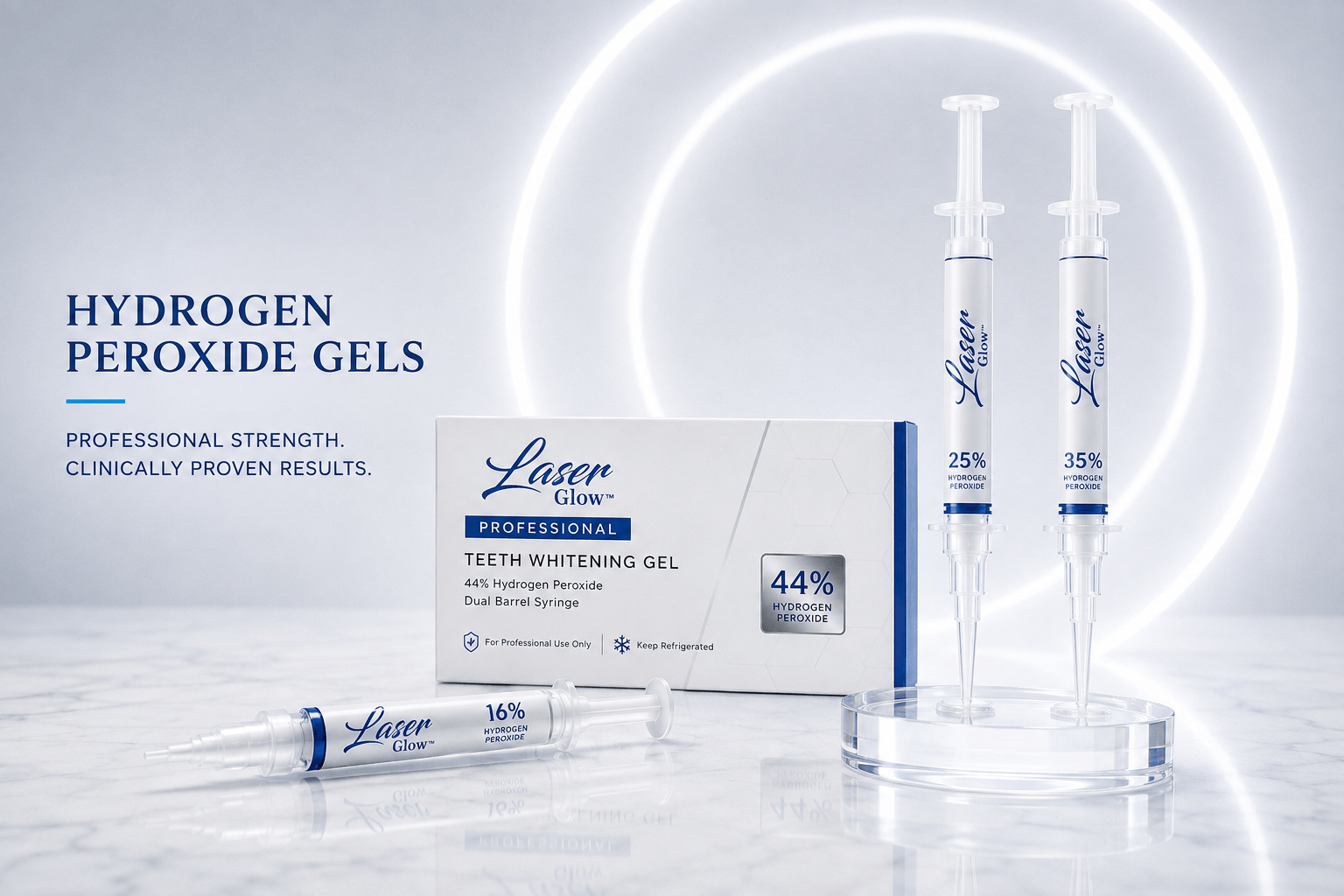
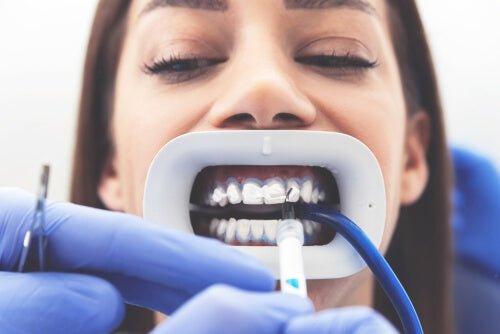
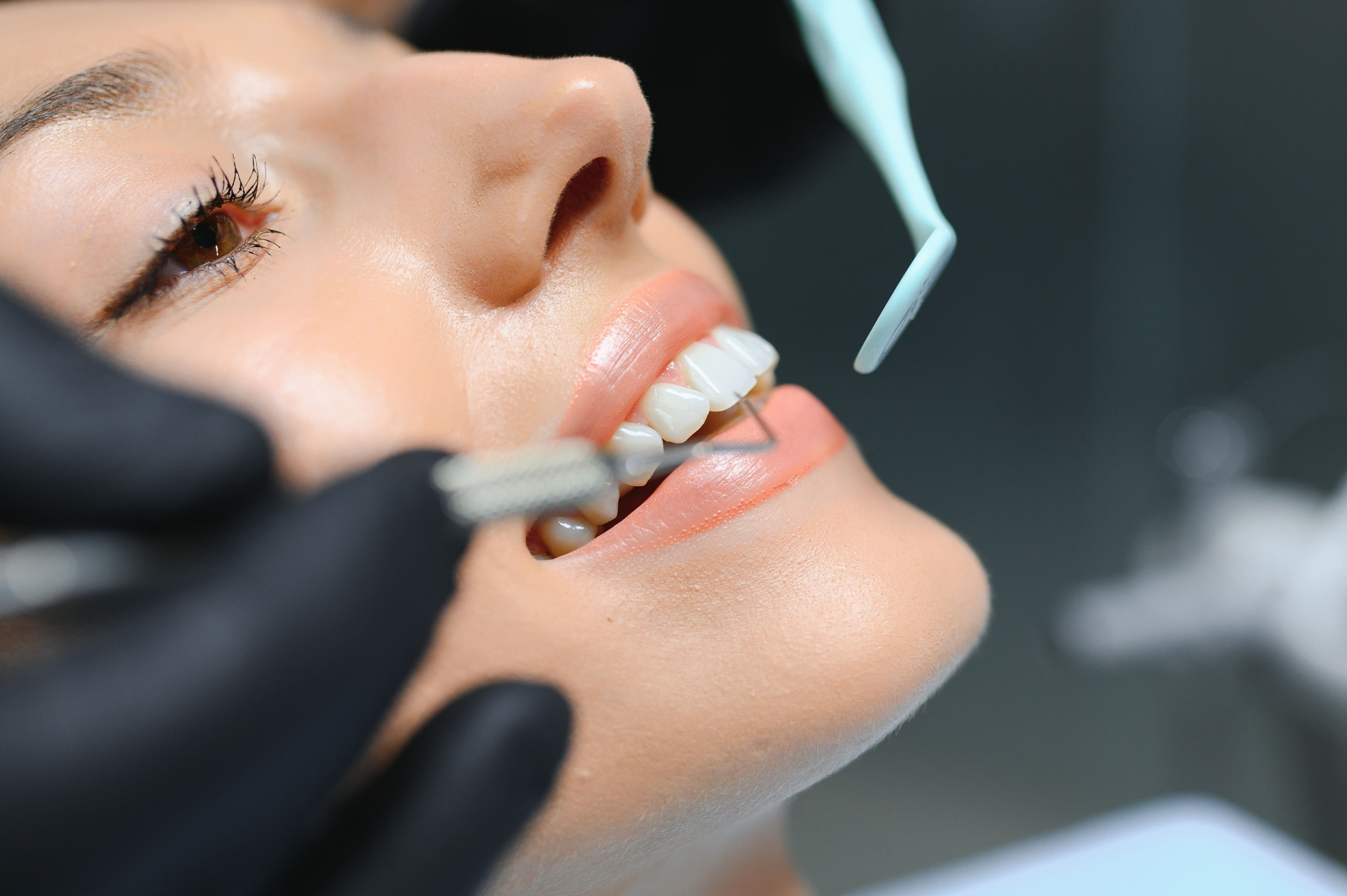
- Professional in-office whitening. Professional treatments use controlled application, soft-tissue protection, and products intended for supervised use.
- Studio lighting and color correction. Lighting, makeup, camera exposure, and post-production editing can make teeth appear brighter on screen than they do in normal conditions.
- Consistent professional maintenance. Routine cleanings, polishing, cosmetic touch-ups, and stain management reduce the amount of discoloration that accumulates over time.
At-home whitening can still improve the appearance of natural teeth. It is simply solving a different problem than veneers, bonding, or digital image editing.
Can At-Home Whitening Get You Close? Setting Realistic Expectations
On natural, unrestored teeth, properly formulated whitening products may reduce certain external and internal stains. Hydrogen peroxide, carbamide peroxide, and PAP-based products use different formulations and treatment protocols to improve tooth brightness.
The amount of change varies according to starting shade, stain type, enamel and dentin characteristics, product concentration, contact time, and consistency. At-home whitening cannot guarantee a specific number of shades or change the color of porcelain veneers, crowns, or composite bonding.
The At-Home Whitening Stack: What to Actually Use
An effective at-home routine may combine a primary whitening treatment, maintenance products, and temporary optical brightening rather than relying on one alleged miracle product invented by the internet before lunch.
Teeth Whitening Strips for Sensitive Teeth
Whitening strips hold a measured amount of gel against the visible front surfaces of the teeth for a defined treatment period.
Shop Whitening Strips →PAP+ Teeth Whitening Pen
A brush-on, peroxide-free whitening formula designed for targeted application, touch-ups, and convenient maintenance.
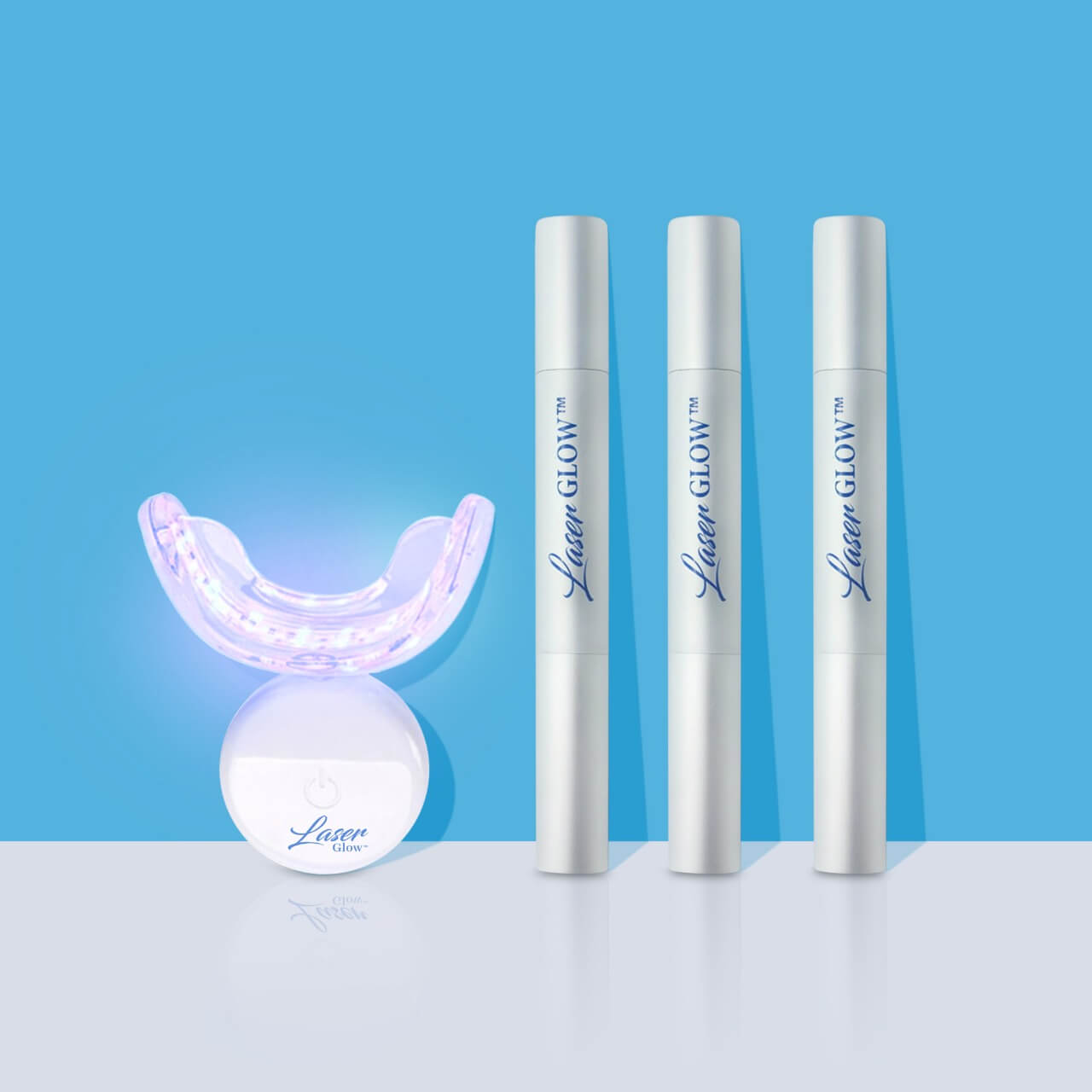
Shop the PAP+ Pen →Wireless LED Teeth Whitening Kit
A timed LED mouthpiece system paired with whitening gel for a structured, multi-session at-home whitening routine.
Shop the LED Kit →Purple Toothpaste Color Corrector
Violet pigment temporarily reduces the appearance of yellow tones through color correction rather than bleaching.
Shop Purple Toothpaste →Whitening strips and LED kits are designed to create cumulative results over repeated applications. Whitening pens are useful for convenient or targeted maintenance. Purple toothpaste provides temporary optical color correction rather than a permanent shade change.
Comparing the At-Home Whitening Options
| Product | Format | Sensitivity Potential | Result Type | Best For |
|---|---|---|---|---|
| Whitening Strips | Multi-day strip treatment | Varies by user | Cumulative | Consistent coverage across visible teeth |
| PAP+ Whitening Pen | Peroxide-free brush-on gel | Generally lower | Cumulative | Targeted application and maintenance |
| Wireless LED Kit | Gel and LED mouthpiece | Varies by formula and user | Cumulative | A structured at-home treatment routine |
| Purple Toothpaste | Color-correcting toothpaste | Low when used as directed | Temporary optical effect | Same-day reduction in yellow appearance |
| Tooth Gloss | Cosmetic finishing product | Low when used as directed | Temporary shine | Photos, events, and cosmetic finishing |
Dos and Don’ts of At-Home Whitening
Do
- Follow the exact treatment time and frequency printed on the label.
- Start with a sensitive-formula or peroxide-free option if you have a history of whitening sensitivity.
- Rinse with water after coffee, tea, wine, berries, and dark sauces.
- Use a soft toothbrush and a low-abrasion toothpaste for daily care.
- Ask a dental professional before whitening visible crowns, veneers, bonding, or other restorations.
Don’t
- Combine multiple peroxide whitening products in the same day unless directed by a dental professional.
- Leave products on longer than instructed in an attempt to force faster results.
- Use aggressive charcoal powders or abrasive scrubs that may damage enamel or irritate gum tissue.
- Whiten over active cavities, broken teeth, severe gum irritation, or untreated dental pain.
- Expect whitening products to change the shade of existing dental restorations.
Finishing the Look: Beyond Whiter Teeth
A polished smile involves more than tooth shade. Daily plaque control, clean retainers, healthy gums, and consistent maintenance all affect how bright teeth appear.
- Clean teeth consistently with a sonic toothbrush. Removing plaque and surface debris helps prevent stains from rebuilding between whitening treatments. Sonic Electric Toothbrush
- Keep clear aligners and retainers clean. Cloudy or stained appliances can make a clean smile appear dull. Retainer Cleaner Tablets
- Use a cosmetic finishing product before photos or events. Temporary shine and optical color correction can enhance the appearance of whitening results without changing the underlying tooth shade. Tooth Gloss
- Maintain a consistent daily oral-care routine. Regular brushing, interdental cleaning, and stain management are more useful than repeatedly restarting aggressive whitening treatments. Flavored Whitening Toothpaste
Build Your At-Home Whitening Routine
Shop whitening strips, peroxide-free touch-up products, and complete LED whitening systems for a more structured at-home routine.
Frequently Asked Questions About Celebrity Smiles and At-Home Whitening
How white can I actually get my teeth with at-home whitening?
Results depend on starting shade, enamel condition, stain type, and how consistently the product is used. At-home peroxide and PAP formulas may improve surface and light-to-moderate staining, but they cannot guarantee a specific number of shades.
What is the difference between whitening strips and a whitening pen?
Strips hold whitening gel against the visible front surfaces of several teeth for a defined treatment period. A whitening pen allows targeted brush-on application and is generally better suited to quick touch-ups or maintenance.
Is peroxide-free PAP whitening as effective as peroxide?
PAP uses a different whitening ingredient than hydrogen peroxide or carbamide peroxide. Results vary by formulation, concentration, stain type, and treatment time. Peroxide may work faster on certain stains, while PAP may appeal to users seeking a peroxide-free option.
How long until I see results from at-home whitening?
Some users notice initial brightening within several applications, while fuller results may require one to three weeks. Timing depends on the product, stain type, starting shade, and consistency.
Can purple toothpaste really make teeth look whiter?
Purple toothpaste may temporarily reduce the appearance of yellow tones through optical color correction. It does not bleach enamel or create a permanent shade change.
Will at-home whitening work if I have veneers or crowns?
Whitening products do not change the manufactured shade of porcelain, composite, crowns, veneers, or bonding. Whitening nearby natural teeth may create a visible mismatch.
How often can I safely whiten at home?
Follow the treatment schedule and wear time provided by the manufacturer. Using whitening products more often or longer than directed may increase sensitivity and gum irritation.
What causes sensitivity during whitening, and how can I reduce it?
Temporary sensitivity may occur when whitening ingredients move through enamel and affect the underlying dentin. Lower-concentration products, shorter application times, sensitive-formula products, and peroxide-free options may improve comfort.
Do LED lights actually speed up at-home whitening?
LED light does not whiten teeth by itself. Certain whitening gels are formulated for use with a light source that may help accelerate the chemical reaction. Results depend primarily on the gel and correct use.
How do I maintain at-home whitening results long term?
Brush consistently, clean between teeth, rinse after dark foods and drinks, avoid tobacco, and use touch-up treatments according to the product instructions.
Do celebrities really just use whitening strips to get that white?
Not usually. Dramatically white and uniform smiles may involve veneers, bonding, professional whitening, regular polishing, studio lighting, makeup, photography, and digital color correction.
Key Takeaways
- Dramatically white celebrity smiles often combine cosmetic dentistry, professional care, lighting, and image editing.
- At-home peroxide and PAP products may brighten natural teeth, but results depend on stain type, starting shade, and consistent use.
- Whitening strips and LED kits create cumulative results, while purple toothpaste provides temporary optical color correction.
- Whitening products cannot change the manufactured shade of veneers, crowns, or bonding.
- Daily plaque control and stain prevention help maintain results between whitening treatments.
This article is educational and is not a substitute for dental advice, diagnosis, or treatment. Consult a dental professional before whitening if you have visible veneers, crowns, bonding, active cavities, gum disease, broken teeth, recent dental work, or persistent sensitivity.