Veneers are stain-resistant, not stain-proof. Here is the science behind veneer discoloration, the home routine that helps keep margins clean, and how to tell when it is time for professional care.
If your veneers looked bright when they were placed and now appear dull, yellow-edged, or shadowed near the gum line, the restorative material may not have changed shade. The difference may come from external surface staining, plaque, changes in the surrounding natural teeth, exposed bonding material, gum recession, or changes at the veneer margin.
This guide explains why porcelain and composite veneers may appear discolored, which whitening and cleaning products are generally more appropriate for restorations, and which warning signs require an examination by the dentist who placed them.
Why Veneers May Look Discolored When Natural Teeth Still Respond to Whitening
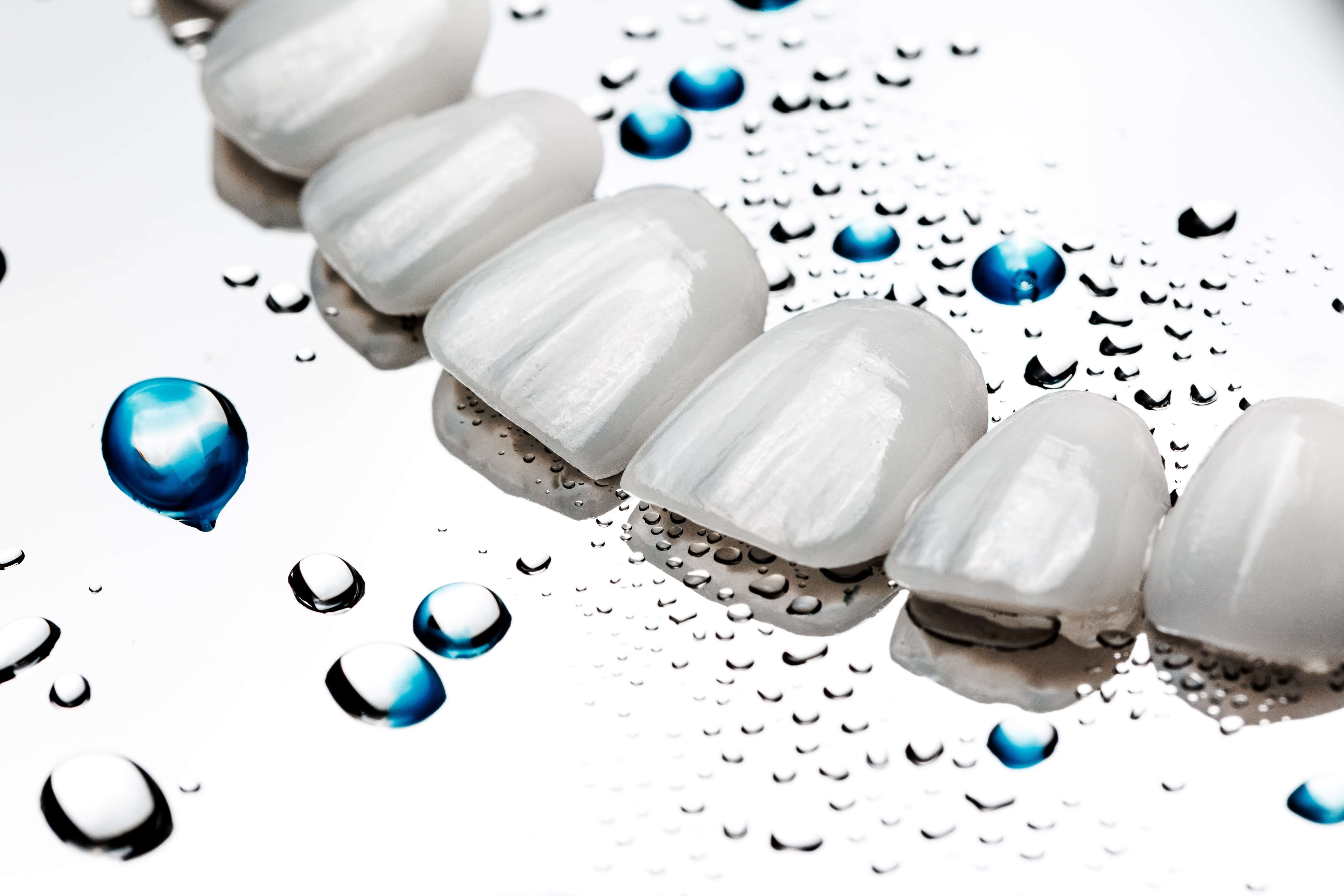
Natural enamel allows peroxide-based whitening ingredients to diffuse into the tooth and break down certain stain molecules. Porcelain is a fired ceramic with a glazed surface, while composite is a cured resin material. Neither material responds to whitening gel in the same way as natural enamel.
External pigments can still collect on the restoration, around its edges, and near the gum line. Coffee, tea, red wine, tobacco, dark sauces, plaque, and changes in surface texture may make a veneer look darker even though its original underlying shade has not changed.
The Truth About Whitening Veneers: What Peroxide Gel Can and Cannot Do
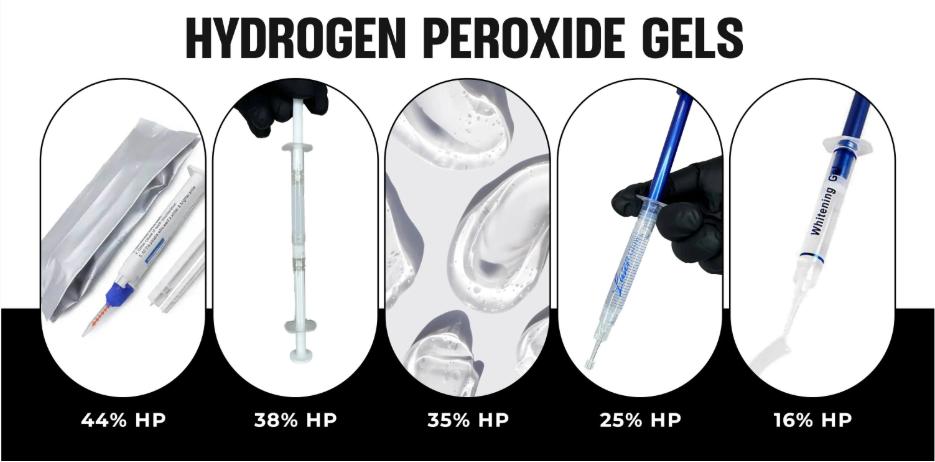
Peroxide-based whitening gel cannot reliably lighten the original shade of porcelain or composite veneers. A whitening session may brighten nearby natural teeth while leaving the restorations unchanged, which can create or exaggerate a shade mismatch.
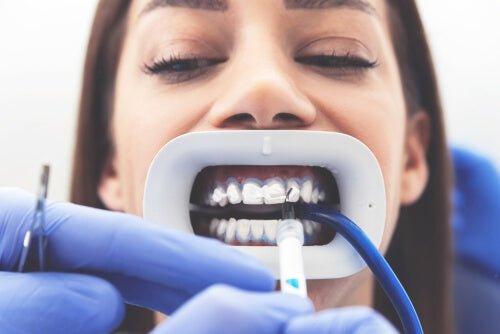
Professional cleaning, polishing, and appropriate stain removal may improve external discoloration around a restoration. That is different from bleaching the porcelain or composite itself. A dental provider must first determine whether the discoloration is external, related to the margin, or caused by an underlying restorative problem.
Bottom line: whitening products do not change the manufactured shade of porcelain veneers. They may improve the appearance of surrounding natural teeth or help remove certain external stains, but damaged, leaking, internally discolored, or poorly fitting restorations require dental evaluation.
Porcelain vs. Composite Veneers: Which Material Stains Faster?
The type of restorative material affects stain resistance, surface wear, maintenance needs, and expected longevity.
| Factor | Porcelain Veneers | Composite Veneers |
|---|---|---|
| Material | Dental ceramic that is fabricated and finished outside the mouth | Tooth-colored resin that is shaped and cured directly or indirectly |
| Stain resistance | Generally high when the glazed or polished surface remains intact | Generally more susceptible to surface staining and loss of polish |
| Typical longevity | Often 10 years or longer with appropriate care | May require repair, repolishing, or replacement sooner |
| Maintenance | Professional examination and cleaning based on individual need | May benefit from more frequent evaluation and repolishing |
| Margin staining risk | Varies with fit, hygiene, gum position, and exposed bonding material | May be higher when the surface becomes rough or loses polish |
Five Warning Signs Your Veneers Need Professional Attention
- A visible dark line near the gum line. This may come from plaque, stain, gum recession, exposed bonding material, the underlying tooth, or a change at the restoration margin.
- A rough or matte texture. A surface that previously felt smooth may have lost polish, accumulated buildup, or developed damage.
- A yellow or dark ring around the edges. Edge discoloration may involve external staining, bonding material, plaque, recurrent decay, or changes in the gum line.
- A new mismatch between veneers and natural teeth. Whitening natural teeth without changing the restorations can make the difference more noticeable.
- Chipping, movement, sensitivity, pain, or a change in your bite. These are not cosmetic maintenance issues and should be evaluated by a dentist.
A Daily At-Home Routine for Keeping Veneer Margins Clean
These steps do not change the original color of a veneer. They are intended to reduce plaque, food debris, and external pigment around the restoration between professional visits.
- Brush with a low-abrasion toothpaste. Use a soft toothbrush and a toothpaste appropriate for restorations. Avoid aggressive scrubbing and highly abrasive powders or pastes. Flavored Whitening Toothpaste
- Use color correction for temporary cosmetic brightening. Violet pigment may temporarily reduce the appearance of yellow tones. It does not bleach the veneer or permanently change its shade. Purple Toothpaste Color Corrector
- Rinse after dark foods and drinks. Rinsing with water after coffee, tea, wine, berries, curry, or dark sauces reduces the amount of pigment left on the teeth and restorations.
- Clean between teeth and around the gum line. Use floss, interdental cleaners, or a water flosser according to your dental provider’s instructions. Cordless Water Flosser
- Watch for changes. Contact your dentist if you notice roughness, gum recession, a dark margin, chipping, looseness, pain, sensitivity, odor, or changes in your bite.
Foods, Drinks and Habits That Can Increase Surface Staining
- Coffee and black tea. Frequent exposure can contribute to external pigment buildup.
- Red wine and dark sauces. Balsamic vinegar, soy sauce, curry, and deeply pigmented foods may stain natural teeth and restorative margins.
- Berries and strongly colored beverages. Rinsing with water afterward may reduce prolonged pigment contact.
- Smoking and tobacco use. Tobacco contributes to staining, plaque buildup, gum disease, and changes around veneer margins.
- Poor plaque control. Plaque and tartar around a veneer can create visible discoloration and gum inflammation regardless of the restoration’s original shade.
At-Home Whitening Products: What to Consider When You Have Veneers
Generally lower-risk options may include: a low-abrasion toothpaste, a soft toothbrush, appropriate interdental cleaning, water rinsing after pigmented foods, and an alcohol-free mouthwash recommended by your dental provider.
When Professional Care Makes Sense
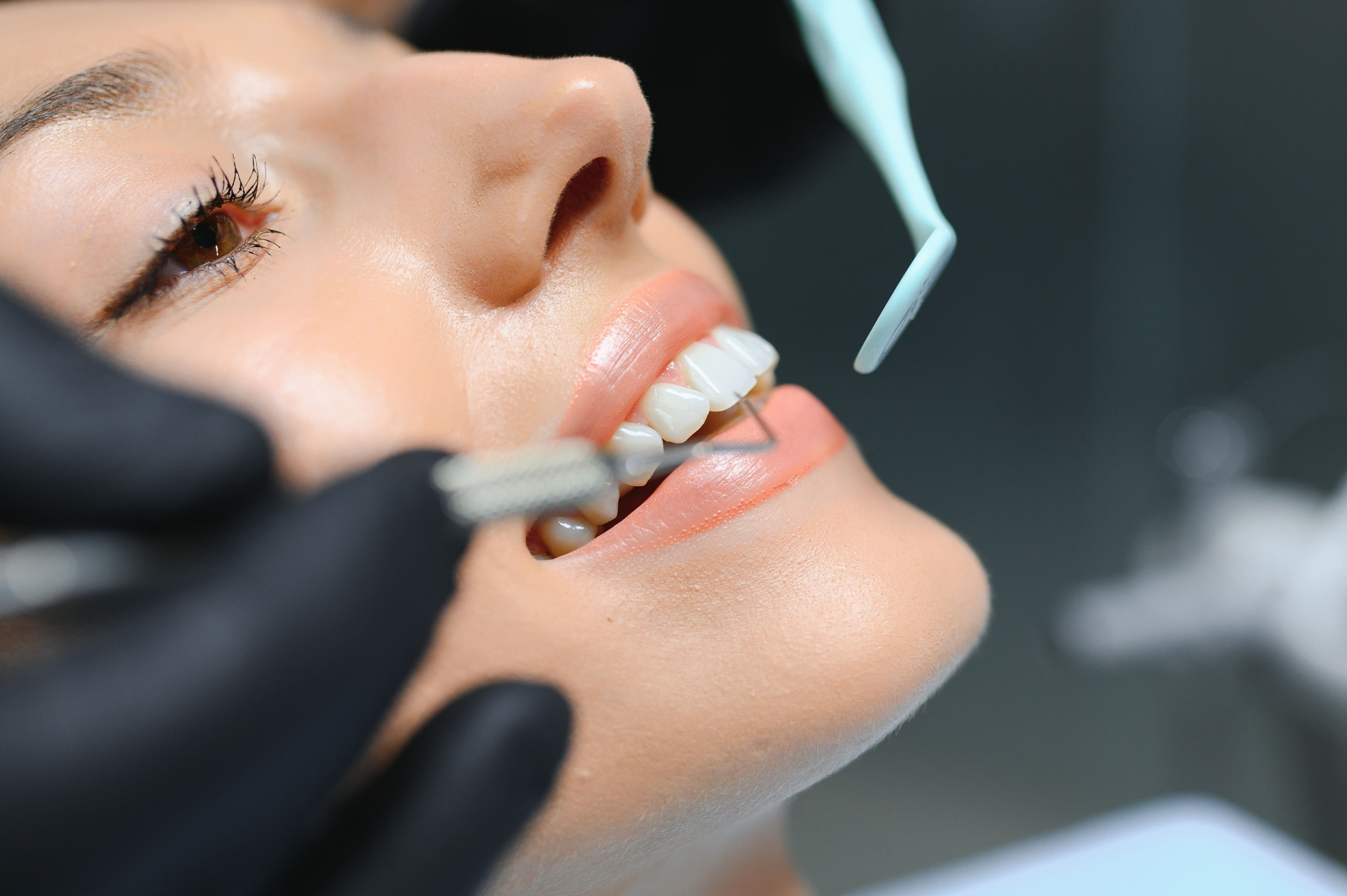
Home care may help reduce new plaque and surface staining, but it cannot correct every cause of veneer discoloration. Professional cleaning or polishing may help when the problem is external buildup or loss of surface shine.
A dentist should evaluate dark margins, gum recession, recurrent decay, exposed bonding material, chips, cracks, looseness, sensitivity, or discoloration that appears to come from beneath the restoration. Replacement or repair decisions should be made by a licensed dentist after examining the veneer and the underlying tooth.
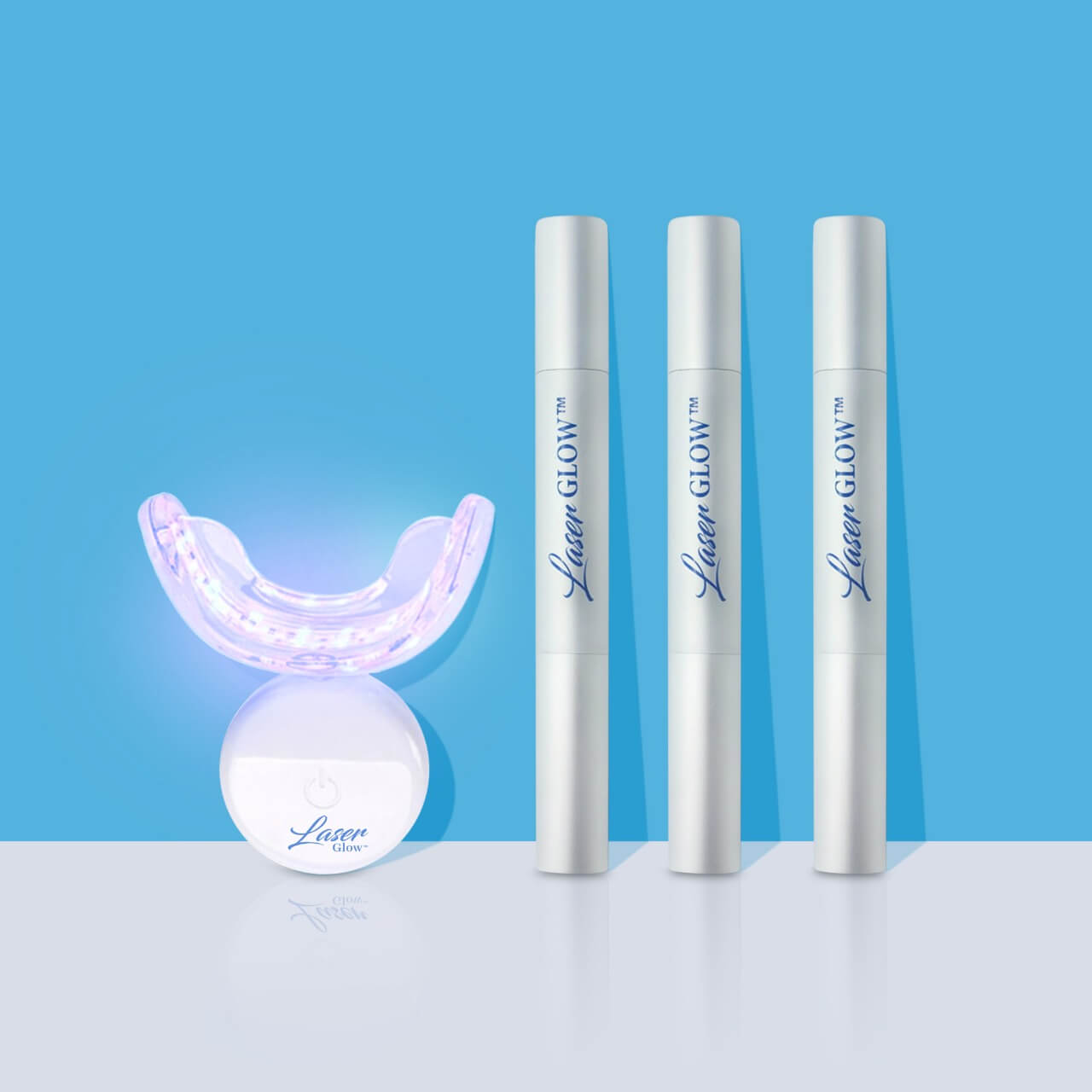
LaserGlow offers cosmetic whitening consultations and services in Clifton and Edgewater, New Jersey. Veneers, crowns, bonding, and other restorations should be disclosed before treatment so the provider can explain what can and cannot respond to whitening.
Schedule a Whitening Consultation
View appointment details, pricing, and availability at your nearest LaserGlow location.
Frequently Asked Questions About Veneer Whitening and Maintenance
Can porcelain veneers be whitened with peroxide gel?
No. Peroxide whitening gel cannot substantially change the manufactured shade of porcelain. Professional cleaning or polishing may remove some external stains and improve the appearance around the margins, but it does not bleach the ceramic itself.
Do composite veneers stain faster than porcelain veneers?
Composite resin is generally more susceptible to external staining and loss of polish than glazed porcelain. Actual staining depends on the material, surface finish, diet, oral hygiene, smoking habits, and professional maintenance.
Is whitening toothpaste safe to use every day on veneers?
Some formulas may be appropriate, but highly abrasive whitening toothpastes can dull porcelain glaze or roughen composite resin. Use a low-abrasion toothpaste recommended by your dental provider.
Can whitening strips damage or discolor veneers?
Whitening strips do not lighten porcelain or composite veneers. They may whiten nearby natural teeth and create a visible shade mismatch. Strips that contact the gum line may also cause temporary irritation.
How long do porcelain veneers typically last?
Porcelain veneers can often last 10 years or longer. Composite veneers may require repair, repolishing, or replacement sooner. Longevity depends on the material, bite forces, oral hygiene, diet, habits, and professional care.
What causes a dark line or shadow near the gum line around veneers?
Possible causes include external staining, plaque, gum recession, exposed bonding material, the color of the underlying tooth, recurrent decay, or a change at the veneer margin. A dental examination is needed to identify the cause.
Can a dental hygienist repolish veneers instead of replacing them?
Professional cleaning or polishing may improve external staining or surface dullness. Veneers that are chipped, cracked, loose, leaking, poorly fitting, or internally discolored require evaluation by a dentist.
Is Purple Toothpaste Color Corrector safe for veneers and bonding?
A low-abrasion color-correcting toothpaste may temporarily reduce the appearance of yellow tones without bleaching the restoration. Review the product ingredients and abrasivity before routine use on veneers, crowns, or bonding.
How does a water flosser help keep veneer margins clean?
A water flosser can help remove plaque and food debris around the gum line and between teeth. It may supplement brushing and other interdental cleaning, but it cannot repair damaged or poorly fitting veneer margins.
What is the difference between a veneer touch-up and veneer replacement?
A cosmetic touch-up may involve professional cleaning, polishing, stain removal, or whitening of nearby natural teeth. Replacement is a restorative procedure used when a veneer is damaged, loose, poorly fitting, leaking, or no longer cosmetically acceptable.
Key Takeaways
- Peroxide whitening gel does not change the manufactured shade of porcelain veneers.
- Composite restorations are generally more susceptible to surface staining and loss of polish than porcelain.
- Low-abrasion brushing and consistent interdental cleaning can help reduce plaque and external staining around veneer margins.
- Whitening strips may brighten natural teeth without changing veneers, creating a visible mismatch.
- Dark margins, chipping, looseness, sensitivity, or changes in the bite require evaluation by a dentist.
This article is educational and does not replace advice, diagnosis, or treatment from the dentist or prosthodontist responsible for your restorations. Contact a dentist if you notice a chip, crack, looseness, pain, sensitivity, gum recession, a change in your bite, or discoloration that appears to come from beneath a veneer.