Tooth Gems: What They Are, How They Work, Costs, Safety & What to Expect
Tooth Gems: What They Are, How They Work, Costs, Safety & What to Expect
Tooth gems are small crystals, gold charms, or shaped jewels bonded to the enamel surface to add sparkle and personality to a smile. This guide covers everything a first-time buyer needs to know — how tooth gems are applied, how long they last, what they cost, whether they are safe, how removal works, and how they compare to alternatives like grillz and veneers.
What Are Tooth Gems?
Tooth gems are small decorative jewels bonded to the outer surface of a tooth using dental-grade adhesive — no drilling, no permanent tooth alteration. They became mainstream in the late 1990s and early 2000s, then returned through TikTok, celebrity wear, and the Y2K aesthetic resurgence.
Unlike grillz (which slip over teeth) or veneers (which permanently reshape enamel), tooth gems sit on top of the enamel and are designed to be removed without damage when applied and taken off correctly.
Today's designs include flat-back crystals (clear, colored, shimmer), shaped gems (butterflies, hearts, bunny shapes), gold and silver charms, and designer-inspired silhouettes. The most common sizes are 1.8 mm (subtle) and 2.2 mm (visible statement).
How Tooth Gems Are Applied
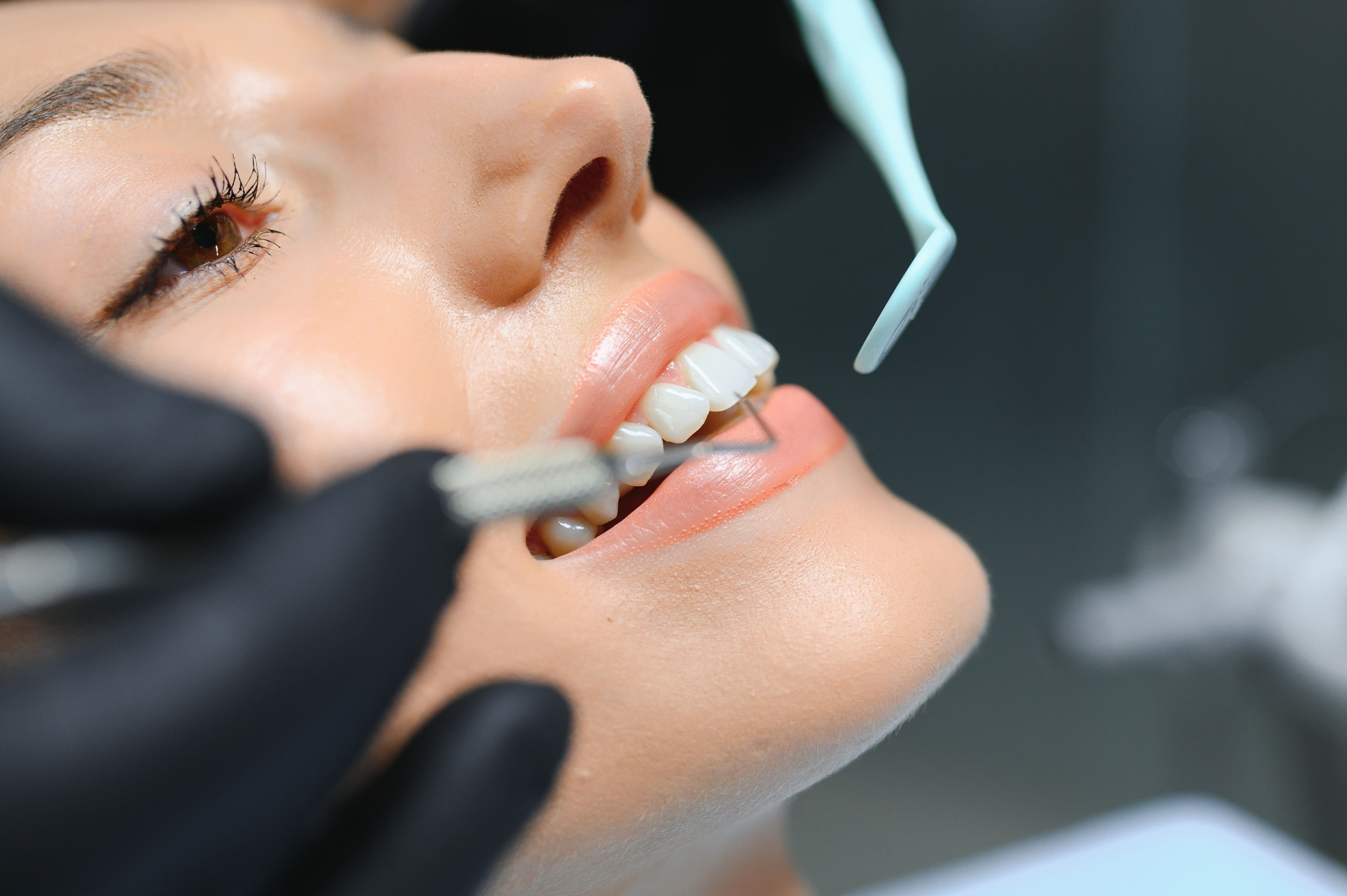
Professional tooth gem application follows a bonding process similar to how orthodontic brackets attach to enamel: clean and isolate, etch, bond coat, composite adhesive, gem placement, LED cure. The full process takes 15–30 minutes per gem.
The three-step bonding system
- Etch: phosphoric acid applied 15–20 seconds creates microscopic roughness in enamel, allowing the bond to lock in
- Bond coat: a thin bonding agent primes the etched surface and cures with an LED light before composite is placed
- Composite glue: clear light-cure dental composite is placed on the bonded surface, the gem is positioned, and the bond is cured solid with an LED light in 20–40 seconds
What to avoid: Super glue, nail adhesive, craft glue, and eyelash glue should never be used for tooth gems. They are not safe for oral use and can cause enamel damage and difficult, risky removal.
How Long Do Tooth Gems Last?
Most professionally applied tooth gems last 3–12 months, with well-placed single crystals sometimes lasting a year or more. Longevity depends on placement location (mid-facial outlasts incisal edge), bonding quality, diet, oral habits, and aftercare consistency.
Are Tooth Gems Safe?
Tooth gems are enamel-safe when applied with dental-grade materials and removed professionally. The main risks come from non-dental adhesives (super glue, nail glue) and DIY removal attempts that apply prying force to the enamel bond site.
How Much Do Tooth Gems Cost?
| Option | Typical Cost | What's Included |
|---|---|---|
| Professional (single crystal) | $50–$150 | Application by trained provider, dental-grade bonding, placement |
| Professional (shaped/premium) | $100–$500+ | Butterfly, heart, cluster, or designer designs |
| DIY kit | $20–$150+ | Multiple gems, etch, bond, composite, applicator tools |
| Professional removal | $25–$75 | Safe gem removal + adhesive polishing |
Tooth Gem Removal
Tooth gems should be removed by a trained professional using controlled instruments to release the bond and polish away adhesive residue — never pried or picked off at home. DIY removal risks micro-fractures and enamel scratching at the bond site.
Aftercare Tips
Good aftercare during the first 24–48 hours is the single biggest factor in how long a tooth gem stays bonded.
- Avoid hard, sticky, or very hot foods for 24 hours after placement
- Brush gently with a soft-bristle toothbrush — do not scrub directly over the gem
- Floss carefully without snapping the floss against the gem base
- Avoid picking at the gem with fingernails, toothpicks, or tongue jewelry
- If the gem loosens, save it and contact your provider rather than attempting DIY removal
- Let your dental hygienist know about the gem at regular cleanings
Tooth Gems vs. Grillz, Veneers & Whitening
| Option | Permanent? | Enamel Impact | Cost Range | Best For |
|---|---|---|---|---|
| Tooth gems | No — removable | None when done correctly | $20–$500+ | Sparkle, style, trends |
| Grillz | No — removable daily | None (slip-on) | $20–$500+ | Bold removable statement |
| Veneers | Yes — irreversible | Enamel permanently shaved | $800–$2,500/tooth | Shape and color correction |
| Teeth whitening | No — fades over time | Minimal with pro products | $50–$600 | Brightening natural enamel |
Tooth gems are the only option that adds decorative sparkle without permanently altering tooth structure — which is why they have grown so rapidly as a standalone cosmetic beauty service.
Where to Buy Tooth Gems
For safe, lasting results, buy tooth gems designed for enamel application — not craft crystals or jewelry stones, which have the wrong base profile and may use incompatible adhesives. LaserGlow carries professional-grade tooth gems and complete kits for providers and individual buyers.
Tooth Gems FAQ
8 questions covering what people search before buying or booking a tooth gem.
How long do tooth gems last?
Professionally applied tooth gems typically last 3–12 months or longer depending on placement, diet, and oral habits. DIY applications generally fall toward the shorter end of that range. Gems placed away from bite pressure zones last longer than incisal edge placements.
For real-world timelines by scenario, habits that extend or shorten gem life, and what causes early pop-offs: How Long Do Tooth Gems Last?
Are tooth gems safe for your enamel?
Yes, when applied with dental-grade adhesive and removed by a professional using proper instruments. The main risks are using unsafe adhesives (super glue, nail glue) or attempting DIY removal by picking the gem off. Neither of these has anything to do with the gem itself or the professional bonding process.
Full myth-busting safety guide: Are Tooth Gems Safe? — reviewed by David Hanna, RDH.
How much do tooth gems cost?
Professional application typically costs $50–$150 per single crystal gem, with shaped gems and custom designs ranging from $150 to $500+. DIY kits range from $20–$150 and include multiple gems and bonding supplies. Professional removal costs $25–$75.
Full pricing guide by service type and what drives the price difference: How Much Do Tooth Gems Cost?
Can tooth gems damage enamel?
Not when applied and removed correctly. Enamel damage risk is specifically linked to non-dental adhesives, improper removal technique (prying or picking), or placement on teeth with pre-existing enamel issues. The procedure performed correctly with dental-grade materials does not damage healthy enamel.
The bonding chemistry is the same as orthodontic bracket attachment — a well-established, reversible procedure. The risks are in the materials and removal method, not the gem or the bonding concept.
Can I remove a tooth gem myself?
Professional removal is strongly recommended. A trained provider uses a dental instrument to carefully detach the gem and polish any adhesive residue from the enamel surface. DIY prying or picking can chip or abrade the enamel. If a gem falls off naturally, save it and contact your provider to have the adhesive residue cleaned off professionally.
Full professional removal process: Tooth Gem Removal Guide.
What is the most popular tooth gem design?
Single flat-back clear crystals are the most popular everyday choice. Among shaped designs, butterfly tooth gems and heart tooth gems are the most frequently requested at beauty studios. Cluster and constellation designs (two to five gems in a deliberate arrangement) are growing in popularity for a more styled, jewelry-like look.
Design catalog with size guide, placement tips by shape, and design comparison table: Tooth Gem Designs & Ideas.
Can I eat and drink normally with a tooth gem?
Yes, after the first 24 hours. During the first day after placement, avoid hard foods (ice, nuts, hard candy), sticky foods (caramel, gummy candy), and biting directly on the gem. After 48 hours, normal eating and drinking are fine with common-sense care — avoid biting directly on the gem and rinse after sticky or acidic foods.
The 24-hour restriction exists because the composite bond interface is still reaching full mechanical strength immediately after curing. The gem feels set, but protecting it from bite stress in that initial window significantly reduces early pop-off risk.
What's the difference between tooth gems and grillz?
Tooth gems are small crystals or charms permanently bonded to the enamel surface using dental adhesive — they stay on for months and require professional removal. Grillz are decorative covers made of metal (usually gold-plated or solid gold) that slip over the teeth and can be removed daily like removable jewelry. Tooth gems don't cover the whole tooth; grillz typically cover a row of teeth.
Neither permanently alters tooth structure when used correctly. Tooth gems are better for a subtle, everyday look. Grillz are better for a bold statement that you want to remove when not wearing. The comparison table above covers cost and enamel impact for both.