

-
Estimated delivery: Sep 02 - Sep 06
Gingival Barrier Gel for Teeth Whitening – Light-Cure Gum Protector
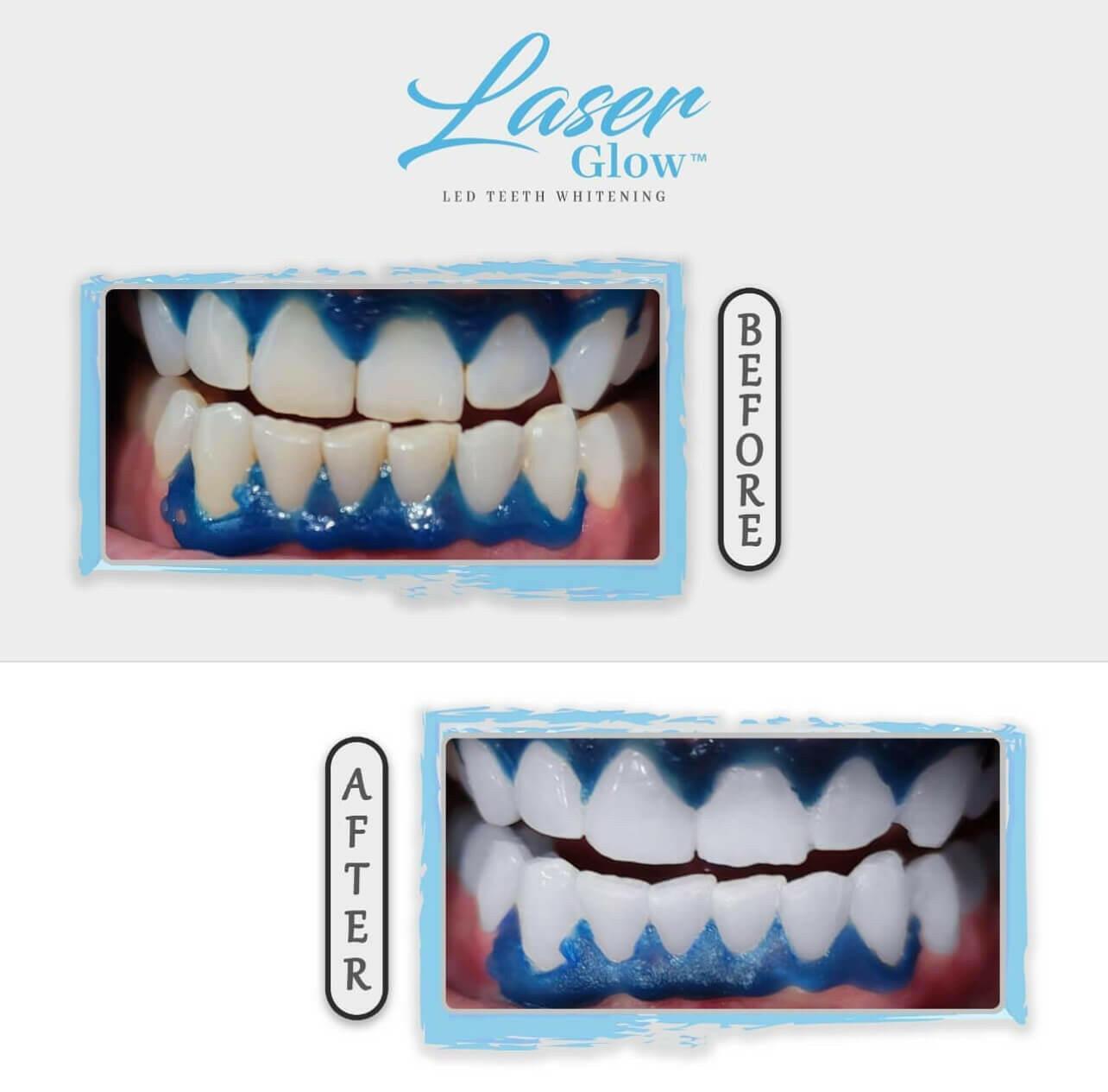
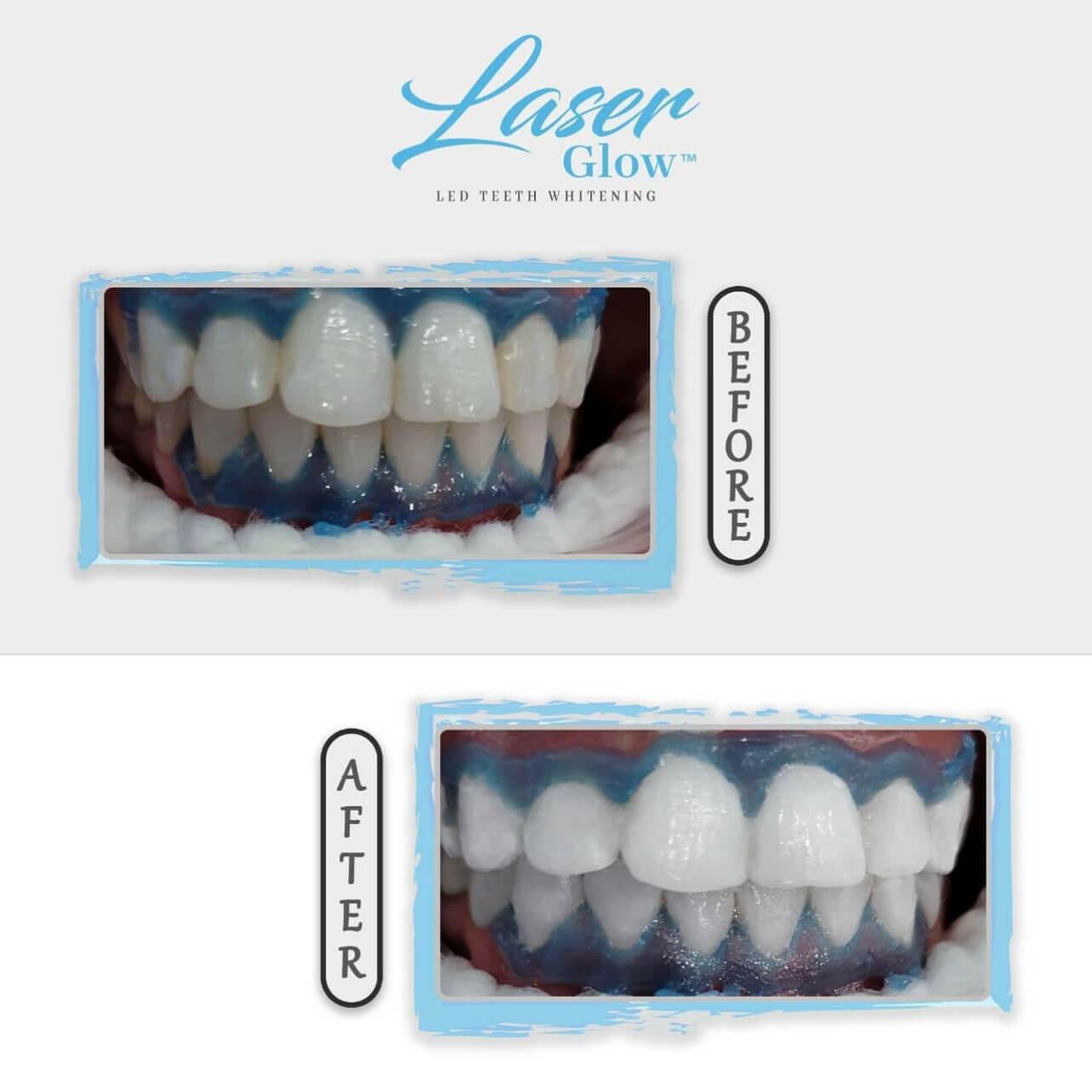
LaserGlow Gingival Barrier Gel is a professional light-cure gum protector used during teeth whitening treatments to help shield soft tissue from whitening gel contact. Also commonly called a gum dam or gum barrier gel in professional whitening settings. The high-viscosity resin stays in place along the gingival margin, cures under a standard LED curing light, and peels away cleanly after treatment. Ideal for dentists, whitening technicians, and professional whitening setups using hydrogen peroxide or carbamide peroxide gels.
3 mL syringe provides enough coverage for up to 3 whitening treatments.
1652 in stock
What Makes This Gingival Barrier Gel Different from Standard Gum Dams
What Makes This Gingival Barrier Gel Different from Standard Gum Dams
The thixotropic gel stays where you place it along the marginal gingiva and papillae, helping seal small gaps and resist washout during whitening gel passes. Once light-cured, it forms a durable barrier that lifts cleanly after the procedure.
How to Apply Gingival Barrier Gel for Teeth Whitening
How to Apply Gingival Barrier Gel for Teeth Whitening
Preparation: Isolate and air-dry soft tissue.
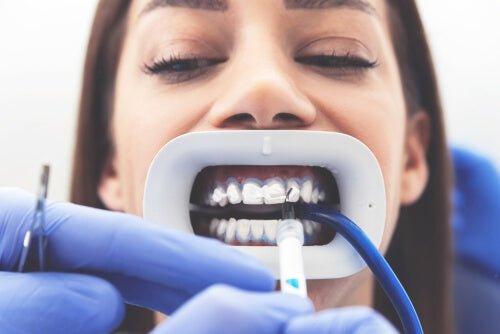
Application: Apply a continuous bead along the gingival margin and extend interproximally where needed.
Cure: Polymerize with an LED curing light according to device output until firm.
Verify: Inspect the seal and add material/re-cure if needed.
Proceed: Apply whitening gel and monitor the barrier during treatment.
Removal: Lift an edge with an instrument, peel away in sections, and rinse.
FREE PDF Teeth Whitening Pro Guide
FREE PDF Teeth Whitening Pro Guide
📘 Free Professional Whitening Protocol (PDF)
The official LaserGlow Whitening Protocol & Safety Guide used by dental clinics and med-spas. Clear chairside steps, isolation guidance, and comfort tactics to deliver consistent results.
If the email isn’t in your inbox within a few minutes, please check your Spam or Promotions folder.
Share this product

Gum Protection During Teeth Whitening - Precision Angled Tip
The syringe and angled tip allow controlled placement around cervical areas, papillae, and interproximal spaces. Apply a consistent bead across the arch to help reduce thin spots and limit whitening gel contact with soft tissue.

Fast-Set Gingival Barrier Gel – Light-Cured Under Standard Dental LED
Cures quickly with a standard dental LED curing light to help reduce chair time and keep the field controlled. Once cured, the barrier remains stable throughout the whitening session.

Protect Gums During Teeth Whitening - Comfort for Sensitive Clients
Smooth cured edges and peel-away removal help protect soft tissue during whitening. When applied as directed, the barrier supports a cleaner, more comfortable treatment experience.

Gingival Barrier Compatibility: Works with HP, CP Whitening Gels & LED Lights
Works with professional hydrogen peroxide or carbamide peroxide whitening gels and common dental LED curing lights. Follow manufacturer IFUs and local scope-of-practice regulations.
Gingival Barrier Specifications
Everything you need to check before restocking — volume, coverage, compatibility and handling.
For professional use only. Follow product instructions, your curing light manufacturer's IFU, and the scope-of-practice regulations that apply where you operate.
Gingival Barrier & Gum Protection FAQ
For dentists, whitening technicians, med spas and trained providers using gum barrier during hydrogen peroxide or carbamide peroxide whitening treatments.
Why do gums turn white during teeth whitening?
Blanched white tissue happens when peroxide gel contacts unprotected gum. The peroxide reacts with the soft tissue and temporarily displaces oxygen in the surface layer, which turns it white. In most cases it is transient and resolves within a few hours to a day, and the tissue may feel tender in the meantime. Rinse thoroughly, stop applying gel to that area, and let the client know what to expect. Persistent whitening, ulceration or significant pain warrants a dental referral. A properly placed and fully cured gingival barrier is what prevents this from happening in the first place.
What happens if whitening gel touches the gums?
Brief incidental contact usually causes transient blanching and mild tenderness. Prolonged contact, or contact with higher-concentration professional gels, can cause a chemical irritation that leaves the tissue sore for longer. This is exactly the risk a gingival barrier is designed to remove - by sealing the margin before any gel goes in, you are not relying on placement precision alone to keep peroxide off soft tissue.
What is gingival barrier gel used for?
It is used during professional whitening to shield gums and soft tissue from whitening gel contact. Applied along the gingival margin and light-cured before the peroxide gel goes on, it forms a temporary physical barrier that peels away cleanly after treatment.
Do I need a gum barrier for teeth whitening?
For professional in-office whitening with hydrogen peroxide or carbamide peroxide gels, yes. The higher the concentration, the less margin for error you have, and the gingival margin, papillae and interproximal areas are where gel migrates most easily. Most professional protocols treat gum protection as a required step rather than an optional one at 35% HP and above.
How do you protect gums during teeth whitening?
Isolate and air-dry the tissue so the barrier will bond, apply a continuous bead along the gingival margin extending interproximally where needed, then light-cure until firm. Inspect the full seal before any whitening gel goes in - a gap of even a millimetre is where contact happens. Add material and re-cure any thin spots, then proceed and keep monitoring the barrier through the session.
What is the difference between a gingival barrier and a gum dam?
They are the same category of product and the terms are used interchangeably in professional whitening. Gum dam, gum barrier, liquid dam and gingival barrier all describe a light-cured resin that seals the gingival margin. What varies between products is viscosity - a barrier that slumps will thin out at the margin during a session, which is where contact occurs.
Does this gingival barrier work with hydrogen peroxide whitening gel?
Yes. It is designed for professional whitening using hydrogen peroxide gels, and soft tissue protection matters most at higher concentrations. It works equally with professional carbamide peroxide gels.
How many treatments does one 3 mL syringe cover?
Up to three full treatments. Actual coverage depends on arch size, how heavy a bead you place, and whether you are extending interproximally. Providers running full-arch protocols with generous coverage should plan closer to two.
What curing light do I need for gingival barrier?
Any standard dental LED curing light. Cure time varies with device output, so follow your light's IFU rather than a fixed number, and cure until the barrier is firm to instrument pressure. Under-curing is the most common cause of a barrier that lifts or breaks down mid-session.
How do you apply gingival barrier gel?
Isolate and air-dry the soft tissue. Apply a continuous bead along the gingival margin, extending interproximally where needed. Cure with an LED light until firm. Inspect the seal and add material or re-cure any gaps. Then apply whitening gel and monitor the barrier throughout the session.
How do you remove gingival barrier after whitening?
Lift one edge with an instrument and peel it away in sections rather than trying to remove it in a single piece. Rinse the field thoroughly afterwards. A fully cured barrier should come away cleanly without fragmenting.
Is gingival barrier gel for professional use only?
Yes. It is intended for dentists, whitening technicians, med spas and trained providers working within their local scope of practice. It is not a consumer product - correct placement and full curing are what make it effective, and both require training.
For professional use only. Always follow local scope-of-practice regulations, product instructions and curing light manufacturer guidance. Information here is educational and does not replace clinical judgement.
Loved by Dentists, RDH, RDA & Whitening Professionals
2000+ Customers Who Love Us
Absolute essential for my practice. It provides excellent protection during whitening treatments and is easy to apply and remove. A top-notch product for ensuring patient safety.

LaserGlow’s Gingival Barrier has been a game-changer. It’s reliable, sets quickly, and creates a secure shield to protect gums during whitening procedures. My clients feel comfortable, and I feel confident using it.
I love how effective LaserGlow’s Gingival Barrier is. It ensures that the whitening gels stay exactly where they should while keeping gums completely safe. It’s become an indispensable tool in my treatments.
LaserGlow Gingival Barrier is my go-to for all whitening sessions. It’s easy to handle, provides precise application, and offers outstanding gum protection. It’s a product I trust completely for professional results.
This Gingival Barrier is the best I’ve used. It’s quick to apply, forms a strong protective layer, and gives me confidence that my clients’ gums are fully protected during whitening treatments. Highly recommended!