An online teeth whitening course should teach a complete, controlled client workflow—not simply sell equipment or issue a printable certificate. Use this guide to compare curriculum depth, demonstrations, assessments, support and transparency before enrolling.
What Should an Online Teeth Whitening Course Include?
Look for organized lessons, full-procedure demonstrations, downloadable references, client forms, knowledge checks, a final assessment, clearly stated access terms and a real support channel. The curriculum should cover consultation, expectations, product handling, workspace setup, soft-tissue protection, application, timing, monitoring, finishing, aftercare, documentation and common problems.
A good course should also be honest about what it cannot provide. A private certificate documents completion of the provider’s training; it does not create a government license or guarantee that every student can offer the service in every location.
Online Teeth Whitening Training Curriculum Checklist
The clearest curriculum follows the same order as a professional client experience. This helps students understand not only each task, but what comes before and after it.
1. Whitening basics
Why teeth change color, surface versus deeper discoloration, natural teeth versus restorations, how whitening ingredients work and why outcomes vary.
2. Consultation and planning
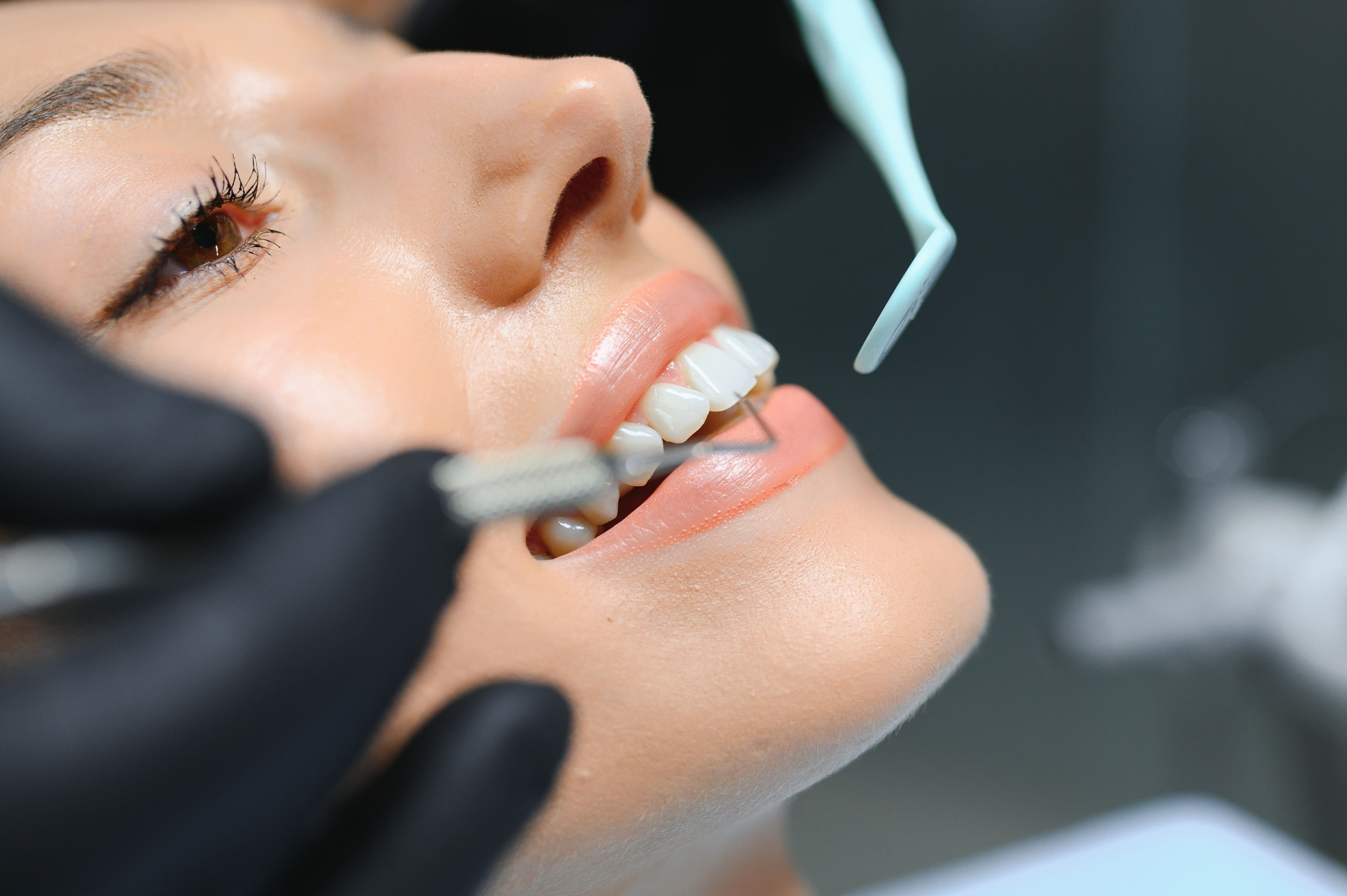
Client goals, previous whitening, sensitivity, existing dental work, shade assessment, photographs, expectations and reasons to postpone or refer.
3. Workspace and supplies
Station setup, product labels, expiration dates, equipment checks, client positioning, hygiene, clean-versus-used zones and efficient turnover.
4. Isolation and protection
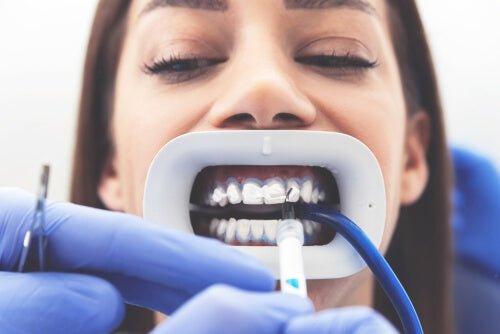
Cheek retractor placement, moisture control, lip comfort, gingival barrier placement where required, curing and barrier inspection.
5. Controlled application
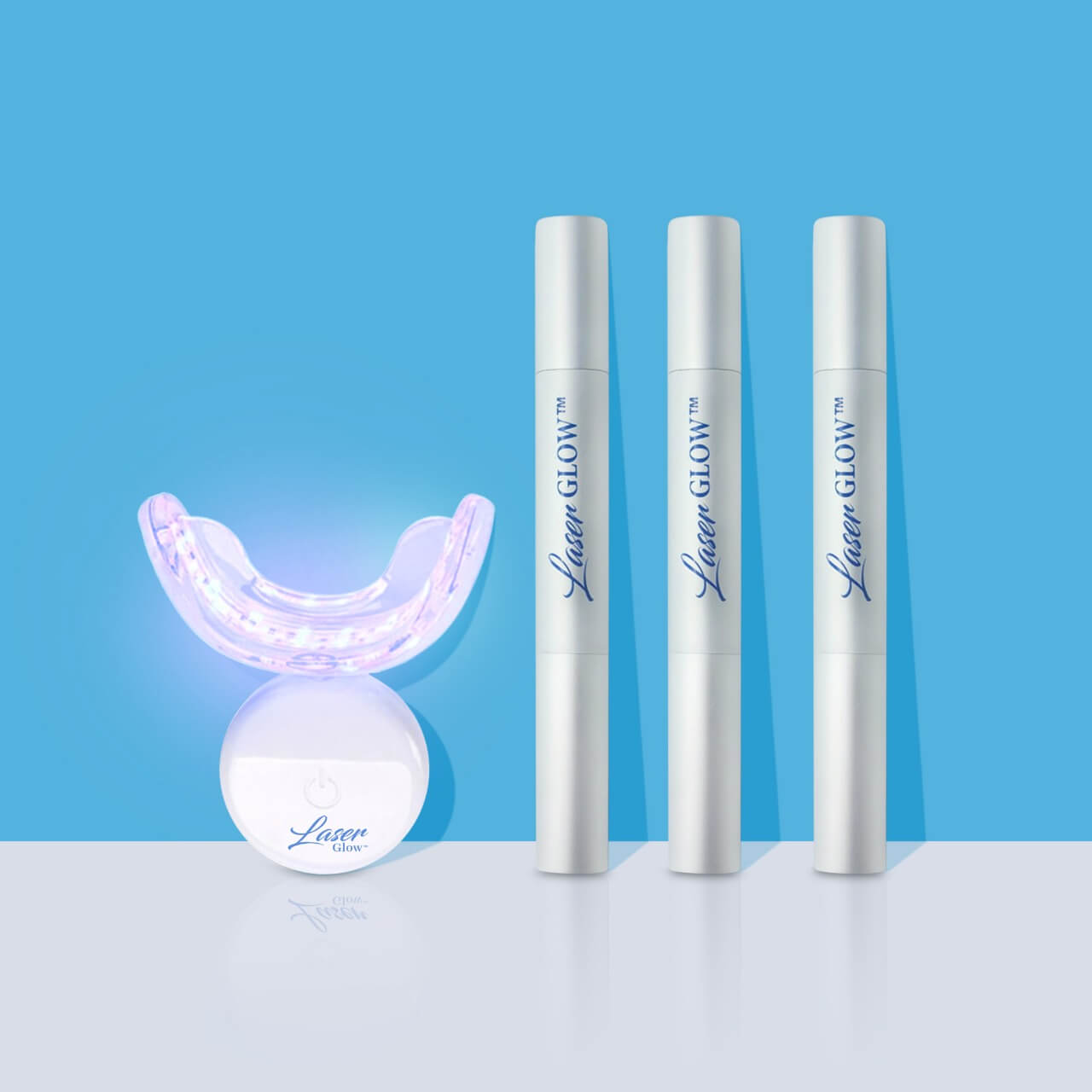
Gel preparation, even placement, avoiding tissue contact, LED positioning, timing, monitoring and removal between treatment cycles.
6. Finishing and aftercare
Final rinse, barrier removal, shade documentation, comfort checks, written aftercare, maintenance and follow-up communication.
7. Problems and boundaries
Sensitivity, irritation, uneven expectations, when to stop, what not to diagnose and when dental evaluation is appropriate.
8. Client-ready operations
Intake, consent, photo permission, notes, policies, inventory, storage, reordering and a repeatable booking-to-follow-up workflow.
How to Evaluate a Teeth Whitening Course Before Enrolling
- Named reviewer or educator: the provider should identify relevant professional background and who is responsible for the material.
- Clear learning path: modules should build logically from foundations through consultation, setup, treatment, aftercare and operations.
- Practical video demonstrations: look for clear views of setup, cheek retractor insertion, gum protection, controlled gel application, LED positioning and finishing.
- Written reference material: a manual or workbook helps students review the workflow without replaying every lesson.
- Useful client resources: intake, consent and aftercare templates add more value than generic motivational bonuses.
- Knowledge checks and final assessment: active recall helps confirm understanding more meaningfully than passive video access alone.
- Practice guidance: the program should tell beginners how to rehearse before accepting a paying client.
- Transparent access: confirm whether access is limited, lifetime, subscription-based or tied to an active account.
- Defined support: know where questions go, what the team can help with and whether support continues after completion.
- Current product guidance: lessons should follow manufacturer directions and be updated when products or protocols change.
- Honest certificate language: avoid claims that a private course creates universal legal authority or an accredited dental credential.
- Clear inclusions: distinguish digital education from equipment, consumables, wholesale access and business tools.
Online vs. In-Person Teeth Whitening Training
| Factor | Online training | In-person training |
|---|---|---|
| Schedule | Flexible and self-paced; useful for busy salon, med-spa and dental professionals. | Fixed date and location; may require travel and time away from appointments. |
| Review | Videos and lessons can often be replayed during practice or later refreshers. | Live teaching may be difficult to revisit unless recordings are included. |
| Feedback | Usually provided through email, chat or submitted questions rather than live observation. | Can include immediate correction and supervised model work. |
| Practice | The learner must create a deliberate rehearsal plan and use an appropriate model. | May provide equipment access and structured practice during the session. |
| Best fit | Learners who value flexibility, repeatable demonstrations and ongoing reference access. | Learners who benefit from live coaching and have access to a credible nearby instructor. |
The delivery format does not determine quality by itself. A strong online program can be more complete than a short in-person class, while an excellent live instructor can offer feedback a prerecorded course cannot. Compare the actual curriculum, assessment and support.
Free vs. Paid Teeth Whitening Training
Free tutorials and guides
Useful for exploring the topic, learning vocabulary or reviewing one narrow step. They are often disconnected, may omit client documents and assessments, and rarely create a complete learning record.
Structured paid courses
Should provide an organized curriculum, demonstrations, downloadable resources, assessment, course access, support and documented completion. Price is justified only when those elements are real.
“Free certification” and “free course” offers sometimes charge later for the certificate, forms, continued access or required products. Before registering, check what is truly included, whether a payment method is required and whether the material is current.
Price alone does not prove quality. The best value is the program that closes your actual knowledge gaps, helps you practice a repeatable workflow and provides resources you will keep using.
What Makes a Teeth Whitening Certificate Meaningful?
A certificate is most meaningful when it is connected to real learning requirements. It should identify the student, course, issuing provider and completion date, and it should be awarded after required lessons and an assessment—not simply after payment.
That does not make it a professional license. It documents completion of a private educational program. Keep the certificate with your records and describe it accurately when speaking with clients, employers or insurers.
Online Course Red Flags
One private certificate cannot override every jurisdiction’s rules.
Bookings, prices, demand, expenses and results vary by business and market.
Starting shade, stain type, restorations and client factors affect outcomes.
Professional education should discuss comfort, temporary sensitivity and soft-tissue exposure honestly.
Completion should require learning and assessment, not only payment.
If the provider will not show the curriculum, it is difficult to judge what you are buying.
A starter kit is useful, but products alone do not build judgment or competency.
Students should know how questions and future content changes are handled.