A teeth whitening business can be a focused standalone concept or a natural add-on for a salon, med spa, studio or existing beauty professional. The opportunity is attractive because appointments can be relatively short, supplies are compact and the service is visually easy to explain—but a lasting business still needs training, dependable equipment, realistic pricing and a polished client workflow.
This guide takes you from choosing a business model through equipment, startup costs, pricing, operations, marketing and a practical 30-day launch plan.
How Do You Start a Teeth Whitening Business?
Choose the business model, verify the requirements for your exact location, complete appropriate training, build a compatible equipment-and-supply system, prepare client documents, calculate your true cost per appointment, price for sustainable margin, rehearse the entire workflow and launch one clear offer.
A course or starter kit can provide education and products, but neither automatically creates legal authority, insurance coverage or a profitable business.
Five Teeth Whitening Business Models
Your model determines the workspace, overhead, booking system, client expectations and local questions you need to answer.
Add-on service
Offer whitening alongside lashes, brows, facials, tooth gems, tanning or another appointment-based service. Existing clients and space can make this the simplest entry point.
Salon or med-spa partner
Rent a room, split revenue or join an established team. Clarify responsibilities for booking, records, insurance, supplies and client follow-up.
Mobile whitening
Travel to homes, offices or events. Lower fixed overhead can be appealing, but portability requires disciplined storage, privacy, sanitation and equipment transport.
Dedicated studio
Create a focused whitening brand and environment. This provides control while adding rent, furnishings, utilities, local approvals and customer-acquisition pressure.
Provider-led dental setting
Integrate whitening within a dental practice or supervised clinical environment with defined professional roles and referral access.
Events and pop-ups
Use short-term activations for discovery or group bookings where permitted. Confirm privacy, consent, sanitation, lighting and client suitability before committing.
Eight Steps to Start a Professional Whitening Service
Define the client and offer
Decide who you serve, where the appointment happens, its approximate length, what is included and how the service complements your current business.
Verify local requirements
Ask the appropriate dental board, health authority, professional licensing board, city or county office, employer and insurer about the exact model you intend to use.
Choose structured education
Learn the complete client process, not only product application. Use the online teeth whitening course checklist to compare programs.
Select compatible equipment and supplies
Build one system around product directions, light or device use, gel, protection, application tools, cleaning, storage and aftercare.
Create the operating documents
Prepare intake, consent, photo permission, treatment notes, aftercare, policies, inventory and incident documentation appropriate to the business.
Calculate costs and set pricing
Include consumables, labor, payment fees, room cost, marketing, insurance, software, supplies and a reserve—not only the gel used.
Test the full client journey
Run a mock appointment from inquiry to follow-up. Time each step, check every form and correct any point where the client or provider may feel unsure.
Launch one offer and measure it
Track inquiries, bookings, cancellations, supply use, service time, client feedback, rebooking and profit before expanding the menu.
Teeth Whitening Business Equipment and Supplies
A professional setup should support product control, client comfort, documentation, cleaning and efficient turnover. Buy for the workflow you plan to use—not for the longest product list.
| Category | Typical planning need | Questions to ask |
|---|---|---|
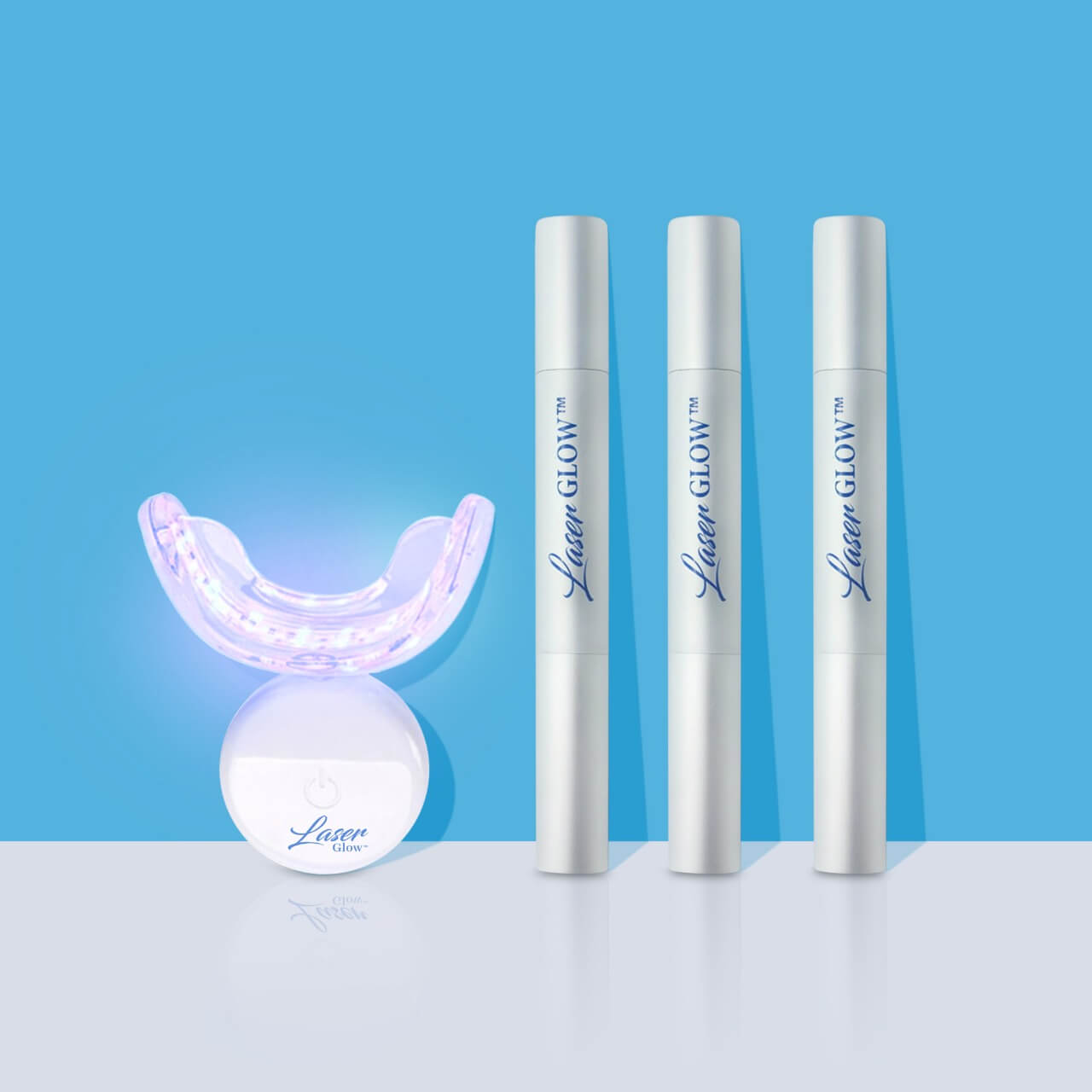
| Whitening light or equipment | Stable positioning, timer, cleaning plan, storage and manufacturer instructions. | Does it fit the products and appointment structure you were trained to use? |
| Whitening gel | Appropriate formula, concentration, packaging, storage, expiration tracking and controlled dispensing. | Who is the product intended for, and what do the directions require? |
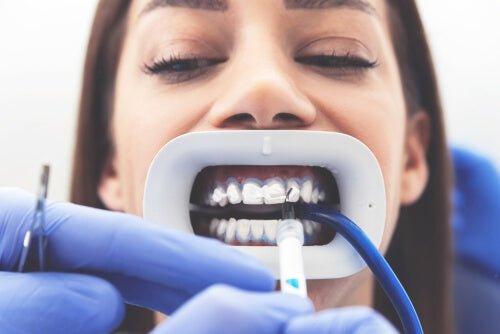
| Protection and application | Retractors, lip support, gingival barrier where required, curing light, applicators, swabs and protective eyewear. | Are the components compatible, easy to inventory and available for reliable reordering? |
| Workspace and hygiene | Adjustable seating, task lighting, trays, PPE, single-use items, cleaning supplies, waste handling and clean storage. | Can you reset the station consistently between clients? |
| Documentation | Intake, consent, photo permission, shade guide, camera setup, treatment notes and aftercare. | Can another trained team member understand exactly what happened during the appointment? |
| Business tools | Booking, payment, reminders, policies, inventory, follow-up and simple performance tracking. | Does each tool reduce errors or improve the client experience enough to justify its cost? |
For detailed product planning, review the professional whitening lights and equipment guide and the business supplies checklist. If you prefer a bundled setup, compare the Professional Teeth Whitening Business Starter Kit.
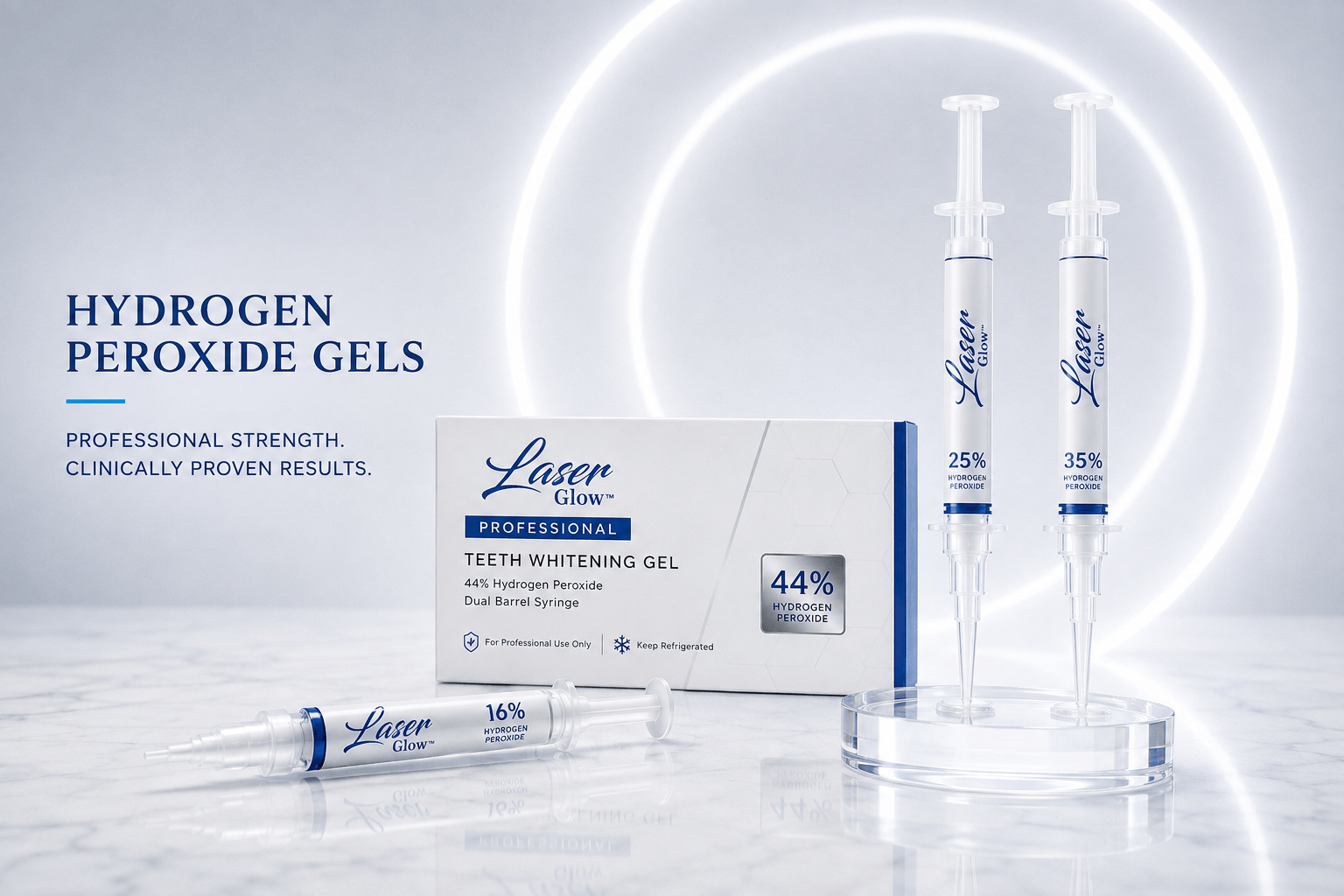
For LaserGlow-branded supplies and products to resell, compare wholesale whitening gel and take-home pricing. If you plan to launch products under your own brand, review the separate private-label gel and pen options, including minimums and artwork requirements.
How Much Does It Cost to Start a Teeth Whitening Business?
There is no trustworthy universal startup price. Someone adding whitening inside an existing salon may already have a treatment room, booking software and clients. A dedicated studio may need deposits, rent, furniture, signage, permits and a larger marketing reserve.
One-time setup
Training, whitening equipment, curing light if used, furniture, storage, initial documents, shade tools and opening inventory.
Per-client supplies
Gel, barrier, retractors, applicators, protective items, cleaning materials, take-home instructions and other disposables.
Recurring operations
Rent, insurance, software, payment processing, utilities, replenishment, laundry or cleaning, accounting and marketing.
Cash reserve
Funds for slower bookings, refunds, replacement equipment, damaged inventory, additional requirements and ordinary surprises.
Create three budget scenarios: a minimum viable add-on, a professional standard setup and a dedicated-growth setup. This shows which expenses are required now and which can wait until demand is proven.
Use the dedicated teeth whitening startup-cost guide for a more detailed budgeting framework.
How to Price Teeth Whitening Services
Competitor prices are useful context, but copying them does not tell you whether an appointment is profitable. Start with the real cost of delivering one service.
Track actual supply use and appointment time during your first services. If one appointment regularly takes longer or uses more product than planned, update the price or workflow instead of quietly accepting lower margin.
Keep the opening menu simple. One standard appointment and one clearly explained maintenance option are easier to sell, deliver and measure than several nearly identical packages. Avoid advertising guaranteed shade changes, permanent results or sensitivity-free treatment.
For a detailed calculation, use the cost-per-client pricing guide.
Build a Repeatable Booking-to-Follow-Up Workflow
1. Inquiry
Explain who the service is for, approximate appointment length, realistic expectations and how to book.
2. Pre-appointment
Send preparation instructions, policies, location details and any required forms early enough for questions.
3. Consultation
Review goals, history, sensitivity, existing dental work, starting shade and whether to proceed, postpone or refer.
4. Service
Follow the documented protocol, communicate throughout the appointment and record products, timing and comfort.
5. Handoff
Document the final shade, provide written aftercare, explain what is normal and identify how to contact the business.
6. Follow-up
Check satisfaction, invite an honest review, answer appropriate questions and discuss maintenance without pressure.
How to Market a New Whitening Service
The best early marketing makes the service easy to understand and gives prospective clients evidence that the business is organized and real.
- Start with existing clients: if you already provide beauty or wellness services, announce the add-on to people who know your work.
- Create an original visual library: use consistent before-and-after lighting, angles and shade documentation with written photo permission.
- Explain the experience: short videos about the consultation, setup, comfort and aftercare reduce uncertainty better than generic “book now” posts.
- Use local discovery: keep business listings, booking links, hours, service descriptions and location information accurate.
- Build partnerships: connect with bridal professionals, salons, med spas, photographers, fitness studios and event businesses whose clients value smile-focused services.
- Ask for honest reviews: make the request after a completed service and never tell clients what rating or wording to use.
- Create a maintenance conversation: explain that habits and stain exposure affect longevity, then let the client decide when they want a refresh.
Track where inquiries come from, how many book, how many attend, average revenue, average product cost and rebooking. A channel that creates likes but no qualified appointments should not receive unlimited time or budget.
30-Day Teeth Whitening Business Launch Plan
Week 1: Validate
Choose the model, define the intended client, investigate local requirements, contact the insurer and set the boundaries of the first offer.
Week 2: Build
Complete education, select compatible products, prepare documents, set policies, organize booking and write the service workflow.
Week 3: Rehearse
Practice the complete appointment, test equipment, time every phase, confirm inventory and run the booking-to-follow-up process.
Week 4: Launch
Publish one offer, contact existing clients and partners, collect original content with permission and track every inquiry through payment and follow-up.
Common mistakes to avoid
- Buying a large product collection before verifying the service model and training needs.
- Opening with too many packages, upgrades and confusing promises.
- Copying competitor pricing without calculating the actual appointment cost.
- Using exaggerated income, safety, shade-change or sensitivity claims.
- Ignoring intake, consent, notes, aftercare and follow-up because they are not visible in social media.
- Assuming a course certificate or starter kit automatically creates legal authorization.
- Spending heavily on ads before the offer, booking page and client experience have been tested.