A realistic teeth whitening business startup budget includes equipment, opening inventory, training, business operations, and a reserve—not only the whitening lamp. Use this framework to build a budget around your actual service model without repeating the complete startup plan.
How Much Does It Cost to Start a Teeth Whitening Business?
Your startup cost depends primarily on whether you are adding whitening to an existing business, operating mobile, or opening a dedicated studio. Calculate five separate buckets: legal and operating setup, training, durable equipment, opening supplies, and a launch reserve. A bundled starter kit can simplify equipment and inventory purchasing, but it is not the complete cost of opening a business.
An add-on inside an existing salon or med spa may reuse space, booking software, furniture, and an established audience.
A dedicated studio may require deposits, furnishings, signage, utilities, insurance, permits, software, and ongoing local marketing.
Teeth Whitening Startup Cost Categories
| Budget category | Include | Do not overlook |
|---|---|---|
| Business and compliance | Registration, local permits where applicable, professional advice, insurance, policies, and record systems. | Rules may differ by location, provider type, supervision, and service model. |
| Training | Role-appropriate education, practice materials, product instructions, continuing education, and staff onboarding. | A private certificate does not automatically grant legal authority. |
| Durable equipment | Whitening lamp or machine, curing equipment where required, shade documentation tools, protective eyewear, chair or workspace setup, storage, and cleaning tools. | Shipping, replacement parts, warranties, maintenance, and equipment compatibility. |
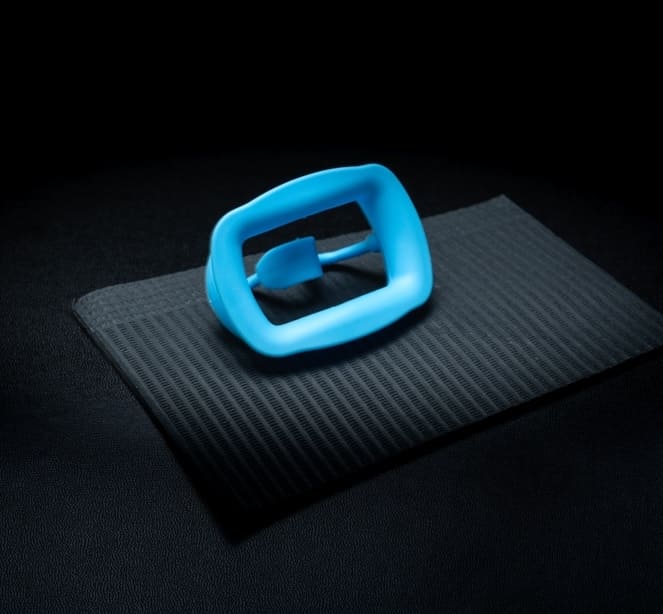
| Opening inventory | Appropriate gel, gingival protection where required, retractors, applicators, mixing tips, disposable protection, cleaning materials, and aftercare. | Expiry dates, storage requirements, product yield, and reorder lead time. |
| Operations | Booking and payment tools, website, phone, rent, utilities, laundry or disposables, merchant fees, photography permissions, and local promotion. | Monthly expenses continue before bookings become consistent. |
| Cash reserve | A buffer for slow bookings, refunds, replacements, inventory delays, repairs, and unexpected requirements. | Do not spend the entire budget on visible equipment. |
For the item-level list, use the teeth whitening equipment checklist and the separate business supplies checklist.
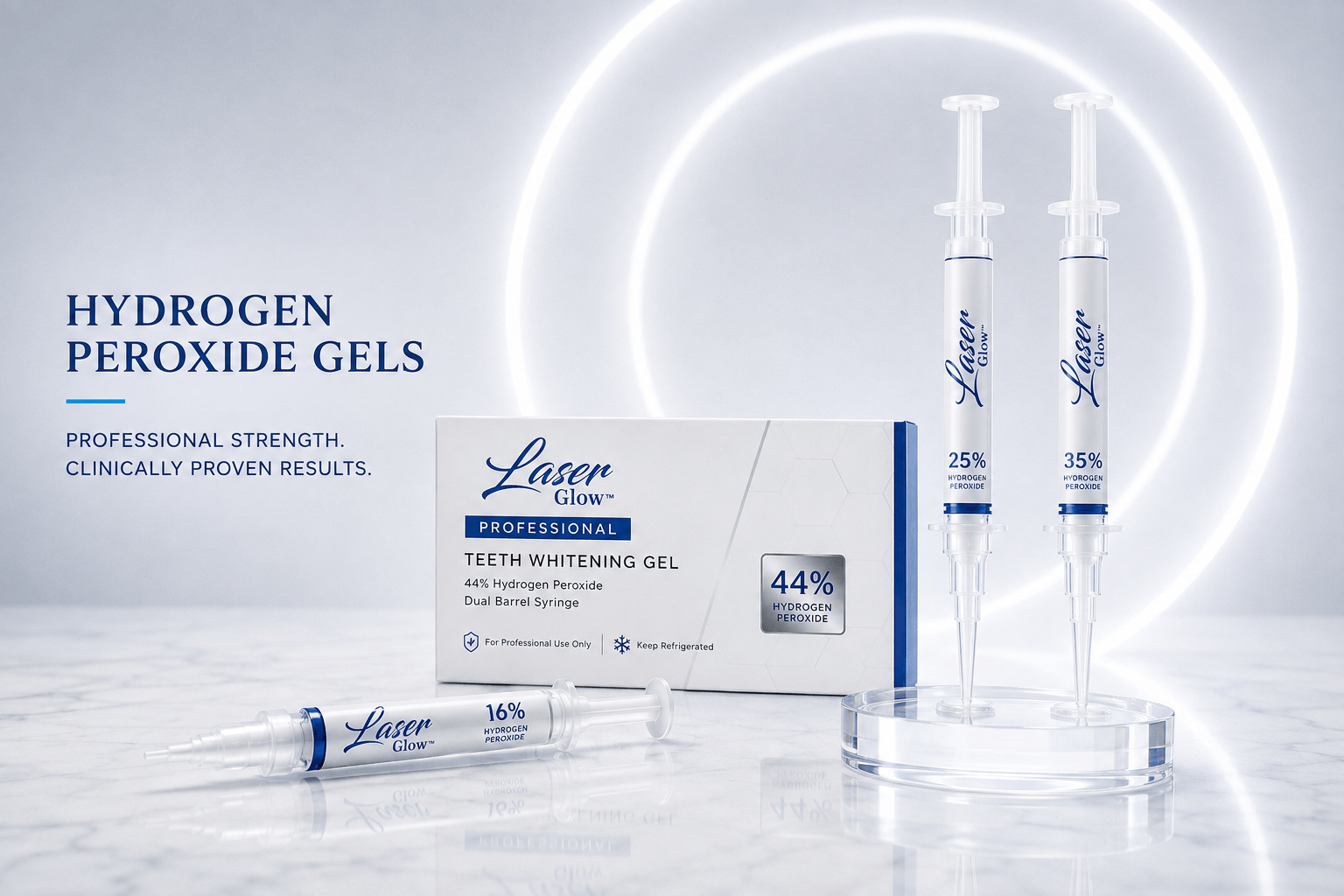
Build the opening-inventory portion of your budget using current wholesale gel and take-home product prices. Compare the quantity tiers against your expected demand, then allow for shipping, applicable taxes, and replenishment.
Build Your Budget in the Right Order
- Verify the model first. Confirm the proposed service and local requirements before purchasing.
- Price the durable setup. Compare compatible equipment, warranty, maintenance, shipping, and expected use—not only the sticker price.
- Estimate opening inventory from appointment capacity. Buy enough to operate reliably without overstocking products that expire.
- Add non-product costs. Include training, insurance, registration, payment fees, software, workspace, cleaning, and marketing.
- Add a reserve. Keep cash available for the first operating period and unexpected replacements.
Startup Cost vs. Cost Per Client
Startup cost measures what is required to become operational. Cost per client measures what each appointment consumes. Keep them separate so you can understand both cash needed to launch and the economics of each service.
Registration, training, equipment, initial inventory, workspace, software, launch marketing, and reserve.
Gel usage, barrier, retractors, applicators, disposables, aftercare, labor, processing fees, and allocated overhead.
After building the startup budget, use the teeth whitening cost-per-client guide before setting service prices.
Where a Starter Kit Fits
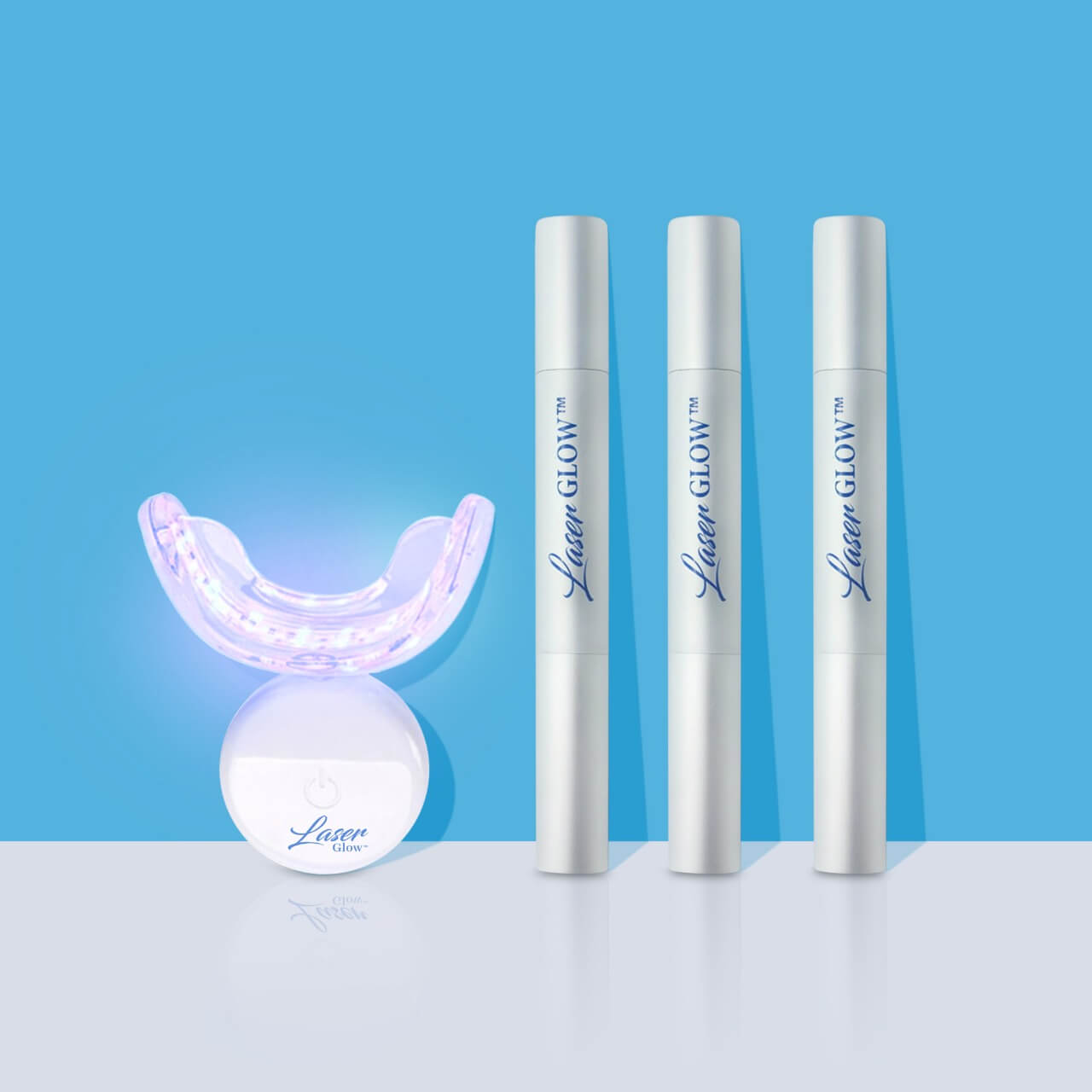
A complete kit can reduce missed items and simplify compatibility, but compare the included quantities against your intended appointment volume. Verify what education is included, what must be purchased separately, how products are replenished, and whether the equipment fits your workspace.
Compare the current Professional Teeth Whitening Business Starter Kit, then add business, compliance, training, and reserve costs to calculate the complete launch budget.
Teeth Whitening Business Startup Cost FAQs
What is the biggest teeth whitening startup expense?
It depends on the model. Equipment may be the largest product purchase, while a dedicated location can make rent, deposits, furnishings, insurance, and operating reserve more significant.
Is a starter kit the same as a complete startup budget?
No. A starter kit may cover core products and equipment, but it does not usually include business registration, professional advice, insurance, workspace, software, payment fees, marketing, or cash reserve.
Should I buy equipment or training first?
First verify your intended service model and local requirements. Then choose training and equipment that fit the permitted workflow and manufacturer directions.
How much inventory should a new whitening business buy?
Base opening inventory on realistic appointment capacity, product expiry, storage, yield, and reorder time. Starting lean is usually safer than buying high volume before demand is proven.
How often should I update my startup budget?
Update it whenever equipment quotes, rent, insurance, product pricing, regulations, or the business model changes, and again before committing funds.