How to Get the Best Results from 16% Hydrogen Peroxide Teeth Whitening Gel
16% hydrogen peroxide whitening gel is a professional-use option for providers who want controlled whitening with a lower-strength hydrogen peroxide formula. It is often used for first-time clients, sensitivity-conscious clients, maintenance appointments, and mild-to-moderate surface staining when a more aggressive gel is not the best starting point.
Benefits of Using 16% Hydrogen Peroxide Whitening Gel
16% hydrogen peroxide gel gives professionals a controlled, lower-strength whitening option compared with stronger chairside gels. It is useful when comfort, client tolerance, and gradual brightening matter more than aggressive whitening in one visit.
Why providers choose 16% HP
- Good entry point for first-time whitening clients.
- Useful for mild-to-moderate staining and maintenance services.
- Lower-intensity option for clients concerned about sensitivity.
- Can help providers create a more conservative treatment path before moving to stronger formulas.
Best candidates
- Clients new to professional whitening.
- Sensitivity-prone clients who need a gentler starting option.
- Clients maintaining results after a stronger whitening session.
- Clients with light coffee, tea, wine, or surface stains on natural teeth.
Whitening gels work on natural tooth structure only. Crowns, veneers, fillings, and bonding will not whiten. Because apparently restorations refuse to participate in the makeover.
How to Apply 16% HP Gel for Better Results
Most poor whitening outcomes come from inconsistent application, poor isolation, overuse, or unrealistic expectations. A strong protocol matters more than simply adding more gel.
| Step | What to Do | Why It Matters |
|---|---|---|
| 1) Screen the client | Review sensitivity, restorations, enamel condition, stain type, and whitening history. | Prevents unrealistic expectations and helps choose the right gel strength. |
| 2) Prepare the teeth | Brush or clean the teeth before application and keep the area controlled. | Clean tooth surfaces allow better contact with the whitening gel. |
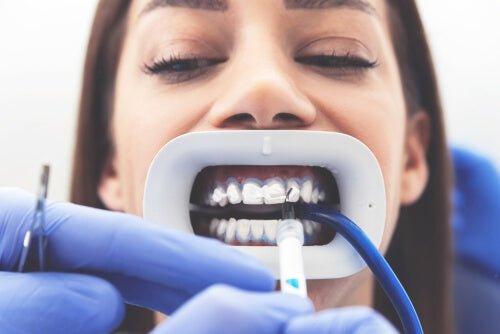
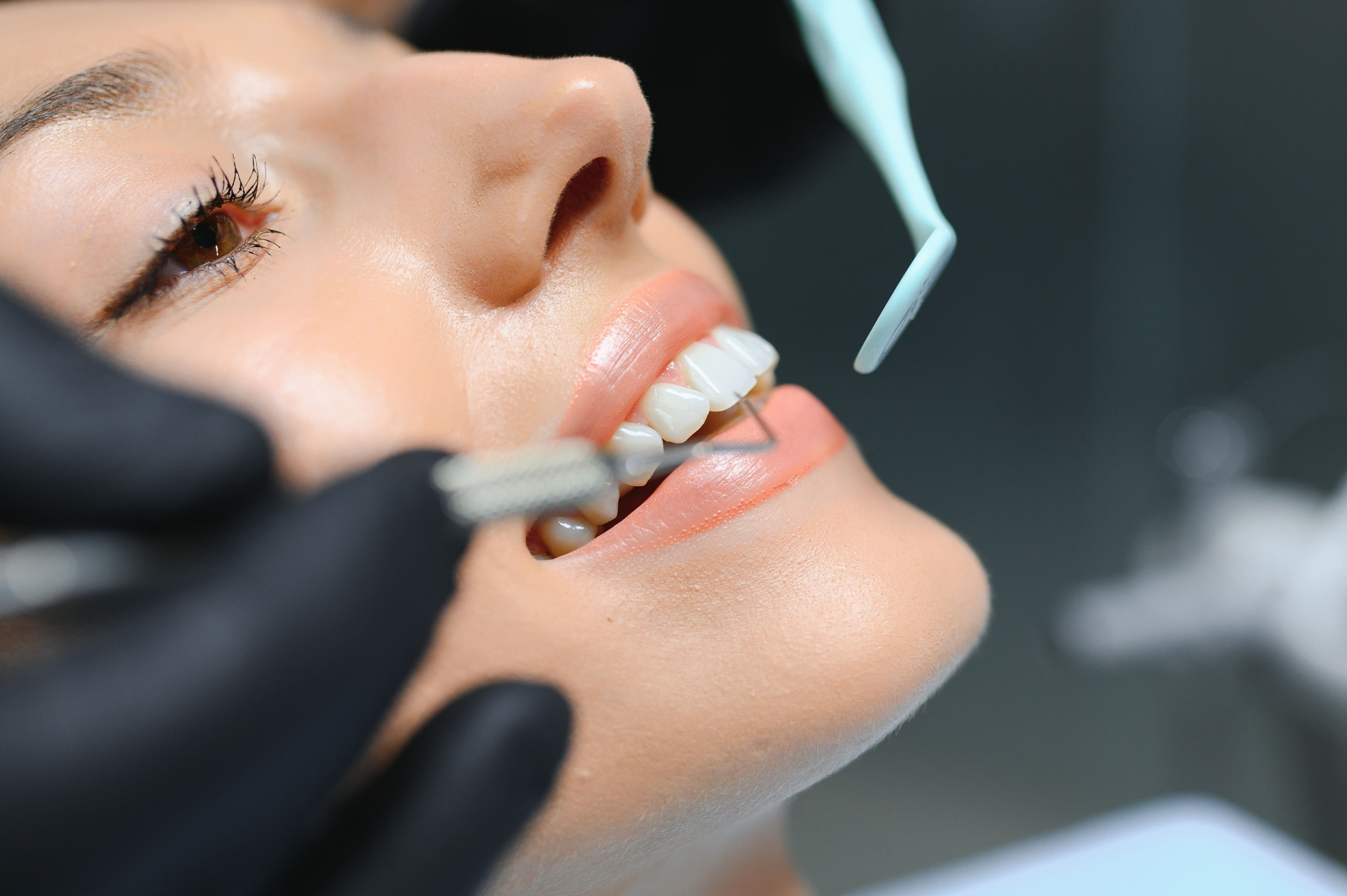
| 3) Protect soft tissue | Use cheek retractors and proper isolation. Use gingival barrier when needed. | Reduces gum irritation and keeps the treatment cleaner. |
| 4) Apply controlled gel amount | Use a thin, even layer. Avoid overloading the teeth or tray. | Too much gel increases mess and irritation, not better whitening. |
| 5) Follow the protocol | Use the product according to professional directions and monitor comfort. | Consistent timing and application improve predictability. |
| 6) Finish and aftercare | Remove gel, rinse thoroughly, check soft tissue, and review aftercare. | Helps reduce irritation and supports longer-lasting results. |
If a client reports gum burning, the issue is often excess gel, poor isolation, or gel sitting on soft tissue. The solution is better control, not pretending peroxide is harmless fairy mist.
Recommended Timing and Frequency for 16% HP Gel
Treatment timing should follow the product’s professional instructions and the client’s tolerance. Leaving whitening gel on longer does not automatically create better results. It can increase sensitivity and irritation without meaningfully improving shade change.
Professional timing considerations
- Follow the product instructions and your whitening protocol.
- Monitor sensitivity during and after treatment.
- Use shorter or more conservative sessions for sensitive clients.
- Document client response and shade change after each visit.
When to slow down
- Sharp sensitivity or “zingers.”
- Gum blanching or irritation.
- Clients with exposed dentin, gum recession, or recent dental work.
- Clients already using strong whitening products at home.
For more on timing, read: Does Leaving Professional Whitening Gel on Longer Work Better?
Managing Sensitivity with 16% Hydrogen Peroxide Gel
Sensitivity can happen with any peroxide whitening gel, even lower-strength options. The goal is to manage client comfort while keeping the protocol controlled and repeatable.
Before and during treatment
- Screen for existing sensitivity before whitening.
- Use conservative timing for sensitivity-prone clients.
- Avoid overapplication and soft tissue contact.
- Use proper isolation and cheek retraction.
After treatment
- Advise clients to avoid extremely hot or cold foods immediately after whitening.
- Pause additional whitening if sensitivity increases.
- Recommend sensitivity-focused oral care when appropriate.
- If sensitivity persists, refer the client to a dental professional.
If a client cannot tolerate peroxide well, consider peroxide-free maintenance between treatments. See: 12% PAP+ Peroxide-Free Whitening Guide.
Common Mistakes That Reduce Whitening Results
Do not do this
- Overapply gel thinking more product means more whitening.
- Ignore gum protection and soft tissue isolation.
- Leave gel on longer than the intended protocol.
- Whiten clients with active dental issues without referral.
- Promise unrealistic results on restorations or deep intrinsic discoloration.
Do this instead
- Use a consistent professional protocol.
- Apply a controlled, even layer of gel.
- Document starting shade, sensitivity, and client response.
- Give clear aftercare instructions.
- Upgrade strength only when appropriate for the case.
Aftercare: How to Help Whitening Results Last Longer
Aftercare matters because stain exposure, diet, oral hygiene, and maintenance products all affect how long whitening results look fresh. The first 24–48 hours after whitening are especially important for avoiding heavy stain exposure.
Aftercare basics
- Avoid coffee, tea, red wine, dark sauces, berries, and tobacco for 24–48 hours when possible.
- Rinse with water after dark beverages or acidic foods.
- Brush gently and maintain regular flossing.
- Use maintenance products between whitening sessions.
Maintenance products
- For event-based touch-ups: 44% Carbamide Peroxide Whitening Pen
- For instant visual brightness: Purple Toothpaste Color Corrector
- For daily brushing support: Day & Night Whitening Toothpaste
When to Move Beyond 16% HP Gel
16% hydrogen peroxide is a useful professional starting point, but some cases may need a stronger gel or a different chairside approach. The upgrade should be based on stain level, client tolerance, appointment goals, and provider experience.
| Gel Option | Best Use | Provider Notes |
|---|---|---|
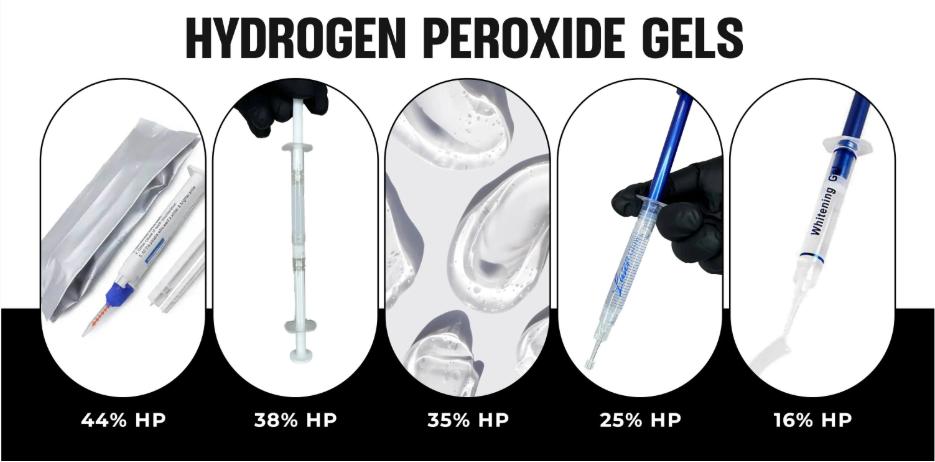
| 16% HP | First-time clients, maintenance, mild-to-moderate stains | Comfort-focused professional starting point |
| 25% HP | Stronger professional whitening with balanced intensity | Useful when clients need more visible lift |
| 35% HP | Advanced chairside whitening sessions | Gingival barrier and controlled isolation required |
| 36% HP Dual-Barrel | Dual-syringe mixing system with activator | Professional-use format for controlled workflows |
| 44% HP Dual-Barrel | High-strength professional whitening protocols | Strict isolation, gingival barrier, and LED whitening machine required |
Higher strength does not automatically mean “better.” It means more need for control, isolation, client screening, and professional judgment. Boring, yes. Necessary, also yes.
16% Hydrogen Peroxide Whitening Gel FAQ
What is 16% hydrogen peroxide whitening gel best for?
16% hydrogen peroxide whitening gel is best for professional whitening providers who want a lower-strength peroxide option for first-time clients, lighter stains, maintenance sessions, or sensitivity-conscious cases.
How many clients can one 16% HP syringe treat?
LaserGlow 16% hydrogen peroxide 1.2 mL syringes typically treat 2–3 clients depending on application amount, treatment protocol, and provider technique.
Is 16% hydrogen peroxide strong enough for teeth whitening?
Yes, 16% hydrogen peroxide can provide visible whitening on natural teeth when used correctly. It is generally a more conservative professional option compared with 25%, 35%, or 44% HP gels.
Does 16% HP gel cause sensitivity?
Sensitivity is possible with any peroxide whitening gel. Providers should screen clients, control gel placement, avoid overuse, and pause treatment if sensitivity becomes uncomfortable or persistent.
Can I leave 16% hydrogen peroxide gel on longer for better results?
Longer contact time does not automatically mean better whitening. Overextending treatment can increase sensitivity or gum irritation. Follow the product instructions and your professional whitening protocol.
Will 16% hydrogen peroxide whiten crowns, veneers, or fillings?
No. Hydrogen peroxide whitening gels work on natural tooth structure. Crowns, veneers, fillings, bonding, and other restorations will not change shade.
Recommended Products for a 16% HP Whitening Protocol
These products support better workflow, maintenance, and client results. Randomly throwing gel into a treatment and hoping for brilliance is not a strategy, although humanity keeps trying.
16% Hydrogen Peroxide Whitening Gel
Lower-strength professional HP gel for first-time clients, maintenance, and sensitivity-conscious whitening protocols.
Shop 16% HPGingival Barrier Gum Protector Gel
Essential for stronger professional whitening protocols and helpful when soft tissue protection is needed.
Shop Gingival BarrierPurple Toothpaste Color Corrector
Peroxide-free optical color correction to help yellow tones look less visible between whitening sessions.
Shop Purple Toothpaste