Clinical answer — David Hanna, RDH
No — leaving gel on longer does not reliably improve whitening results and increases sensitivity risk.
This is one of the most common protocol temptations in professional whitening. Clients want more results; providers extend gel time hoping to deliver. The clinical reality doesn't support it. Here's why — and what actually does improve results.
Why Leaving Gel on Longer Doesn't Improve Whitening
Professional whitening gel depletes over time. Hydrogen peroxide is an unstable compound — once it contacts enamel and begins the oxidation reaction, it breaks down. After the active reaction phase, the gel on the tooth surface is largely exhausted. Extended contact time beyond the point of depletion doesn't continue whitening — it just maintains wet gel on the tooth surface without active HP doing anything useful.
Research on extended HP contact time consistently shows:
- Whitening results plateau after the gel is depleted, regardless of how much longer it remains on the tooth
- Sensitivity and soft tissue irritation continue to increase with extended gel time even after whitening efficacy has plateaued
- Multiple shorter rounds with fresh gel applications outperform one long session with the same total gel — because fresh gel contains active HP, while exhausted gel does not
What Actually Determines Professional Whitening Results
✓ What improves results
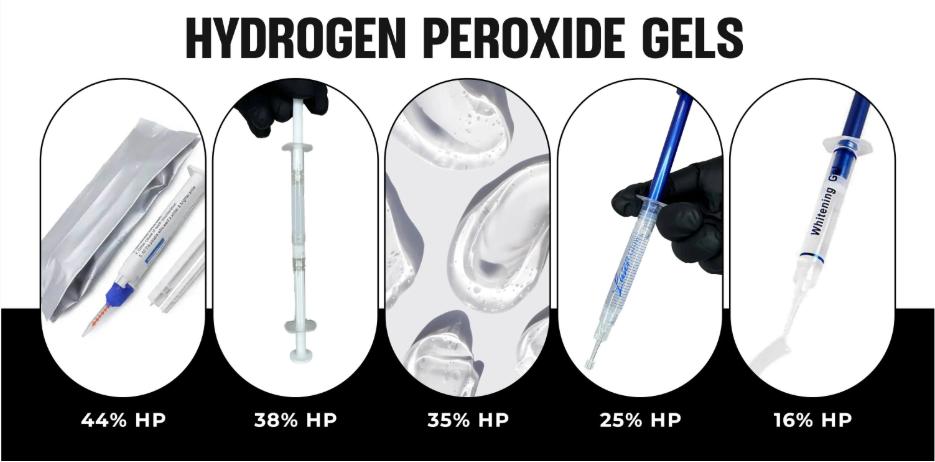
- Higher HP concentration appropriate to the case
- Fresh gel application in each round vs one extended session
- Clean tooth surfaces before gel application
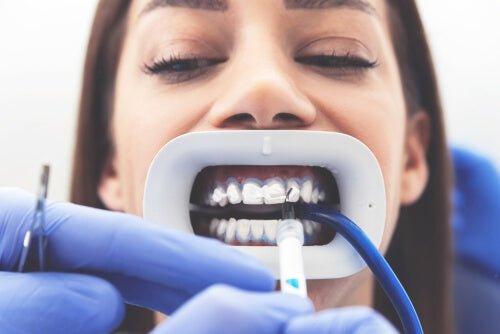
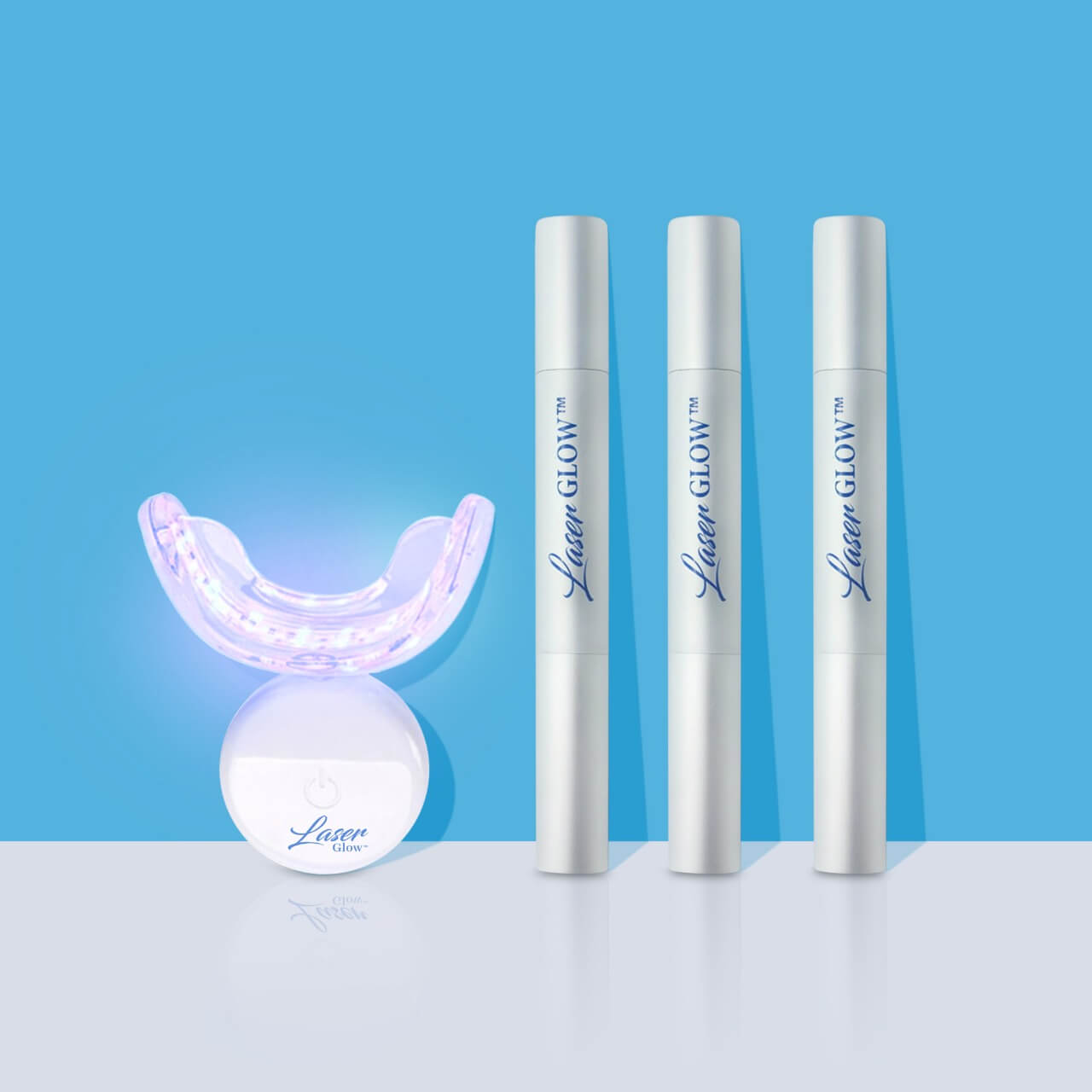
- Proper LED activation throughout the session
- Correct case selection (extrinsic vs intrinsic staining)
- Proper gingival barrier placement and isolation
- Client compliance with pre/post care
✕ What doesn't improve results
- Leaving depleted gel on longer than protocol indicates
- Applying thicker gel layers
- Whitening around restorations expecting shade change
- Increasing session length without increasing gel freshness
- Whitening intrinsic staining with low-concentration gel
- Skipping isolation and hoping for the best
The most common reason professional whitening results fall short of expectations isn't contact time — it's case selection. Intrinsic staining (tetracycline, fluorosis) doesn't respond to the same protocol as extrinsic staining from coffee and tobacco. See the troubleshooting guide for case-specific diagnosis.
How Long Should Professional Whitening Gel Stay On?
Follow the protocol for the specific gel concentration and session design being used. General guidance by approach:
- Single-round sessions: Follow product protocol timing for the gel concentration — typically 15–20 minutes per round for most HP gels
- Multi-round sessions: Two to three rounds of 15–20 minutes with fresh gel applied each round outperforms one extended 45–60 minute session with the same gel
- If results seem insufficient: Step up to the next concentration at the next appointment, not extend the current session — gel strength guide for concentration selection
- Don't push beyond client tolerance: If a client reports significant discomfort during the session, removing gel immediately is the right call. Sensitivity during treatment is a signal to stop, not push through
Whitening Gel Contact Time FAQ
Does leaving whitening gel on for longer produce better results?
No. Professional whitening gel depletes over time — the active HP breaks down as it reacts with enamel. Extended contact time beyond the point of depletion doesn't continue whitening but does increase sensitivity risk. Multiple shorter rounds with fresh gel outperform one long session with the same total gel.
How long should professional HP whitening gel stay on teeth?
Follow the protocol for the specific gel concentration — typically 15–20 minutes per round for most professional HP whitening gels. Multi-round sessions use 2–3 rounds at 15–20 minutes each with fresh gel applied each round. Don't extend beyond protocol timing to try to improve results — it doesn't work and increases client sensitivity.
Why isn't my client getting the whitening results they expected?
Short results are almost always explained by one of: the wrong concentration for the stain type (intrinsic staining requires higher HP and multiple sessions); suboptimal LED activation; application issues (too thin, missed surfaces, inadequate coverage); or unrealistic expectations for the case. Extended contact time is rarely the answer. See the full professional whitening troubleshooting guide.
Is it safe to leave whitening gel on longer than recommended?
Not without clinical justification. The protocol for each HP gel concentration is designed around the gel's active period and the acceptable sensitivity window. Extending contact time increases sensitivity and soft tissue irritation risk without proportional benefit — because the gel is depleted, not actively whitening. Stick to protocol timing and step up concentration at the next appointment if results are insufficient.