Professional guidance — David Hanna, RDH
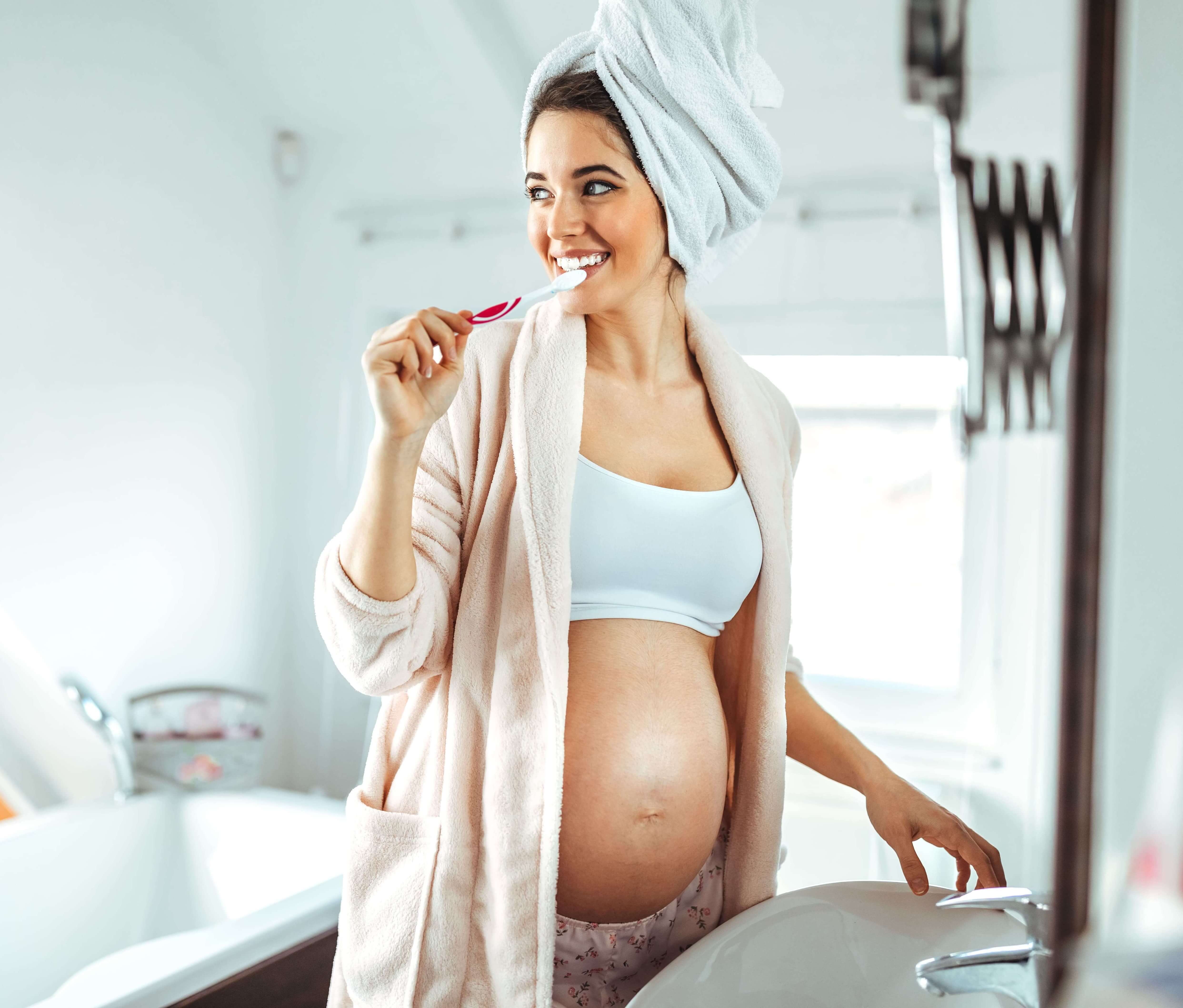
Professional whitening should be deferred during pregnancy.
This is not because whitening is proven harmful in pregnancy — it's because the current evidence is insufficient to rule out risk, and the treatment is elective. Deferral is the conservative, professionally appropriate recommendation. Here's how to advise clients who ask.
Why Professional Whitening Is Deferred During Pregnancy
The recommendation to defer whitening during pregnancy comes from a combination of insufficient safety data and the precautionary principle applied to elective cosmetic procedures during pregnancy. Professional dental and medical organizations consistently recommend deferral — not because whitening is known to harm pregnancy outcomes, but because:
- There are no adequate controlled studies on professional HP whitening during pregnancy. Research is primarily animal studies and case series — not the standard required to confirm safety in pregnant humans.
- Hydrogen peroxide is absorbed systemically in small amounts during whitening. The effect on fetal development at professional HP concentrations has not been adequately studied.
- The procedure is elective — teeth whitening is not medically necessary. When a procedure is elective and safety data is absent, deferral until the exposure can be eliminated (post-delivery) is the correct clinical default.
- First trimester sensitivity — early pregnancy is the most critical period of fetal development and is also when nausea makes dental procedures less tolerable. Even providers who would consider whitening in the second trimester typically recommend against it in the first.
The Research on Whitening During Pregnancy
Professional dental organizations (including the American Dental Association) recommend deferring whitening during pregnancy — not because harm has been established, but because the research necessary to establish safety hasn't been conducted.
What the available evidence shows:
- In vitro and animal studies suggest potential for HP-related effects at high concentrations — but these studies don't translate directly to clinical use in humans at professional whitening doses
- No published controlled clinical trials exist demonstrating either safety or harm from professional whitening during pregnancy in humans
- Low-concentration HP products used briefly (like some toothpastes with trace HP) have not been associated with adverse pregnancy outcomes, but these are very different from professional whitening concentrations
- Saliva and oral mucosa absorb some HP during whitening — the systemic absorption rate and any fetal exposure at professional whitening concentrations hasn't been quantified in clinical settings
The research gap is the reason for deferral — not a body of evidence establishing harm. This distinction matters for how you communicate with clients.
How to Advise Pregnant Clients Who Ask About Whitening
Pregnant clients who ask about whitening deserve an honest, non-alarmist answer that reflects the actual evidence — not an exaggerated warning or a dismissive "it's probably fine."
What to say
What not to say
- Don't say "whitening is dangerous during pregnancy" — the evidence doesn't support that statement
- Don't say "it's probably fine, we just say this to be safe" — this dismisses a legitimate clinical caution
- Don't suggest OTC consumer whitening products as a pregnancy-safe alternative — they carry the same precautionary limitation as professional whitening
What Pregnant Clients Can Use for Smile Brightness
Clients who want to maintain or improve smile brightness during pregnancy have safe, non-peroxide options:
Mechanical cleaning
Professional dental cleaning removes surface staining safely during pregnancy. Regular cleanings are recommended throughout pregnancy and maintain brightness without HP exposure.
Whitening toothpaste
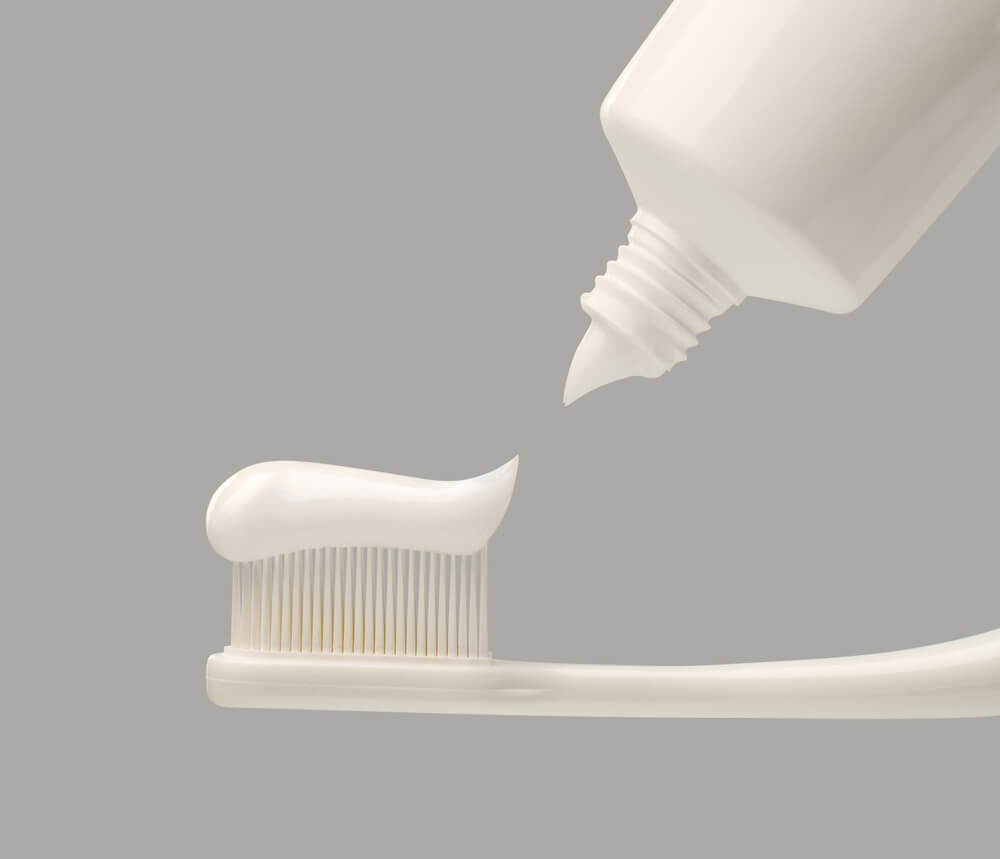
Fluoride-based whitening toothpastes that rely on mild abrasives rather than HP are appropriate during pregnancy. Look for ADA-approved options. These address surface staining only.
Purple color corrector
Purple color corrector toothpaste neutralizes yellow tones optically on contact. No HP, no whitening chemistry — purely optical. Safe to use during pregnancy.
Plan professional whitening post-delivery
Set the appointment for after delivery and after nursing, if applicable. Frame the conversation as "let's plan this for after the baby" rather than "you can't have this."
When Can Professional Whitening Resume After Pregnancy?
After delivery, professional whitening can resume once:
- The client is no longer pregnant — the deferral applies to pregnancy, not postpartum period in general
- If nursing: Some providers recommend waiting until nursing is complete as an additional precaution — HP absorbed during whitening passes into breast milk in small amounts. The evidence on clinical significance is limited, but nursing clients who want to be conservative should discuss timing with their physician. This is a preference-based conversation, not a firm contraindication like pregnancy itself.
- The client's teeth and gums are in good health — post-delivery hormonal changes can affect gum health. A dental screening before whitening post-pregnancy is good practice.
Whitening During Pregnancy FAQ
Can you whiten your teeth while pregnant?
Professional dental guidance recommends deferring professional teeth whitening during pregnancy. The recommendation is precautionary — not because whitening is proven harmful in pregnancy, but because adequate safety data for professional HP whitening during pregnancy doesn't exist, and the procedure is elective. Wait until after delivery.
Is teeth whitening safe in the second trimester?
The professional recommendation is to defer whitening for all three trimesters, not just the first. While the first trimester is considered the most critical for fetal development, the absence of safety data applies throughout pregnancy. Some providers apply individual clinical judgment in the second trimester in consultation with the client's physician, but the blanket recommendation is deferral until post-delivery.
What happens if I whitened my teeth before I knew I was pregnant?
Incidental whitening before learning of pregnancy is not a cause for concern. There is no documented evidence that brief, early exposure to professional whitening gel causes harm to pregnancy outcomes. The deferral recommendation is for planned future whitening, not a retrospective warning about past exposure. Discuss any concerns with your obstetrician if needed for reassurance.
Can I use whitening toothpaste while pregnant?
Fluoride-based whitening toothpastes that use mild abrasives rather than HP are generally considered appropriate during pregnancy. ADA-approved fluoride toothpaste is recommended for all adults including during pregnancy. Toothpastes with trace HP concentrations are not the same category as professional whitening gels — the exposure is minimal and transient. When in doubt, a non-HP whitening toothpaste or a standard fluoride toothpaste avoids the question entirely.
Is whitening safe while breastfeeding?
HP whitening while nursing is a separate consideration from pregnancy. HP absorbed during whitening passes into breast milk in small amounts. Clinical evidence on significance is limited. Some providers apply the same deferral to breastfeeding; others consider it acceptable with the client's informed decision in consultation with their physician. Unlike during pregnancy, this is a clinical judgment conversation rather than a uniform professional recommendation for deferral.