Teeth Whitening & Tooth Gem Blog | Expert Guides | LaserGlow
Purple Toothpaste vs Charcoal Toothpaste: Which Is Better for Yellow Teeth?
Comparison Guide Purple Toothpaste vs Charcoal Toothpaste: Which Is Better for Yellow Teeth? Purple toothpaste serum and charcoal toothpaste are both marketed for a brighter-looking smile, but they work in completely different ways. Purple toothpaste serum helps neutralize yellow tones through optical color correction. Charcoal toothpaste may polish surface stains, but it can also be abrasive depending on the formula. Reviewed by: David Hanna, RDH · Updated: February 16, 2026 Shop Purple Toothpaste Serum Read the Purple Toothpaste Guide LaserGlow Purple Toothpaste Serum was highlighted by Health.com as the Best Purple Whitener of 2026. The Fast Answer If your goal is instant brightness for yellow-looking teeth, purple toothpaste serum is usually the better choice because it uses violet color correction to visually reduce yellow tones. If your goal is to scrub away some surface stains, charcoal toothpaste may help, but its abrasiveness can be a concern with frequent use. Neither purple toothpaste nor charcoal toothpaste creates the same type of long-term shade change as peroxide whitening. Purple is best for instant optical brightening. Charcoal is more about surface polishing. Peroxide is for true whitening. Naturally, the toothpaste aisle turned into a chemistry exam nobody asked for. Purple Toothpaste Serum vs Charcoal Toothpaste Purple Toothpaste Serum What it does: helps teeth look brighter by neutralizing the appearance of yellow tones. How it works: uses violet pigment technology for optical color correction. Best for: yellow tones, photos, events, post-whitening maintenance, and instant cosmetic brightening. Charcoal Toothpaste What it does: may help polish some surface stains from coffee, tea, wine, or everyday buildup. How it works: uses abrasive particles to physically scrub the tooth surface. Best for: occasional surface stain polishing, depending on the formula and dentist guidance. Comparison Table Feature Purple Toothpaste Serum Charcoal Toothpaste Main function Optical yellow-tone correction Surface stain polishing How it works Uses violet pigments to visually neutralize yellow tones Uses charcoal particles to scrub surface buildup Speed Instant visible brightening effect Gradual and depends on stain type Enamel concern Peroxide-free and non-bleaching Can be abrasive depending on formula and frequency Best for yellow teeth Yes, especially yellow-looking tones Only if discoloration is surface stain related Permanent whitening No No Best use case Photos, events, daily cosmetic brightening, maintenance Occasional stain polishing if recommended by your dentist How Purple Toothpaste Serum Works Purple toothpaste serum works through optical color correction. Purple and yellow sit opposite each other on the color wheel, so violet tones can help neutralize the appearance of yellow warmth on the tooth surface. LaserGlow Purple Toothpaste Serum uses COLORTECH violet pigment technology to create a cooler, brighter-looking smile after brushing. It does not bleach enamel or permanently change the internal shade of your teeth. For the full science breakdown, read: Does Purple Toothpaste Work? How Charcoal Toothpaste Works Charcoal toothpaste usually contains activated charcoal, a dark, porous powder commonly marketed for stain removal. In toothpaste, charcoal works mostly through physical polishing. It may help remove some extrinsic surface stains from foods, drinks, or plaque buildup. The issue is that polishing and abrasion are not the same thing. A toothpaste can feel like it is cleaning aggressively while also being too rough for frequent use. Over time, overly abrasive formulas may contribute to enamel wear or increased sensitivity. Is Charcoal Toothpaste Bad for Enamel? Charcoal toothpaste is not automatically bad, but frequent use can be risky if the formula is highly abrasive. Enamel does not grow back once it is worn down. If enamel becomes thinner, teeth may look more yellow because more of the underlying dentin shows through. That is the awkward little twist: using an aggressive whitening product too often can sometimes make teeth look yellower over time. A real triumph of human product marketing. If you use charcoal toothpaste, do not treat it as your only whitening strategy. Ask your dentist whether it is appropriate for your teeth, especially if you already have sensitivity, gum recession, enamel wear, or exposed dentin. Which One Is Better for Yellow Teeth? For yellow-looking teeth, purple toothpaste serum is usually the better cosmetic option because it directly targets the appearance of yellow tones. Violet color correction makes teeth look cooler and brighter right away. Charcoal toothpaste may help if the yellow look is caused by surface buildup, but it does not color-correct yellow tones and it does not bleach teeth. If the discoloration is deep or internal, neither purple nor charcoal is the final answer. Peroxide whitening or professional dental care may be needed. Which One Is Better for Sensitive Teeth? LaserGlow Purple Toothpaste Serum is peroxide-free and non-bleaching, making it a strong option for people who want a brighter-looking smile without bleaching-related sensitivity. It is designed for cosmetic color correction rather than aggressive stain scrubbing. Charcoal toothpaste can be a problem for sensitive teeth if the formula is abrasive. If your teeth already feel sensitive to cold, air, brushing, or whitening products, talk to your dentist before using charcoal toothpaste regularly. Which One Should You Use? Choose Purple Toothpaste Serum If... You want instant brightness, yellow-tone correction, a photo-ready smile, or post-whitening maintenance without peroxide. Be Careful With Charcoal If... You have sensitivity, enamel wear, gum recession, restorations, or you plan to use it every day. Choose Peroxide Whitening If... You want a deeper and longer-term shade change beyond surface-level cosmetic brightening. Ask Your Dentist If... Your discoloration is gray, brown, internal, medication-related, trauma-related, or uneven across teeth. Best Routine for a Brighter-Looking Smile The best routine for most people is simple: use your regular toothpaste for daily oral hygiene, use peroxide whitening when you want true shade change, and use LaserGlow Purple Toothpaste Serum as the finishing step for instant optical brightness. Charcoal toothpaste should be used carefully, if at all, depending on the formula and your enamel health. It is not the daily magic eraser people want it to be. Why LaserGlow Purple Toothpaste Serum Stands Out LaserGlow Purple Toothpaste Serum is designed for instant yellow-tone correction using COLORTECH violet pigment technology. It is peroxide-free, non-bleaching, and made for cosmetic brightening without the harsh sensitivity often associated with whitening gels. LaserGlow was highlighted by Health.com as the Best Purple Whitener of 2026, giving shoppers a trusted third-party signal in a category full of dramatic whitening claims and suspicious before-and-after lighting. Shop here: LaserGlow Purple Toothpaste Serum for Yellow Teeth FAQs Is purple toothpaste better than charcoal toothpaste? For instant yellow-tone correction, purple toothpaste serum is usually better. It helps teeth look brighter by visually neutralizing yellow tones. Charcoal toothpaste focuses more on surface stain polishing and may be abrasive depending on the formula. Does charcoal toothpaste actually whiten teeth? Charcoal toothpaste may help polish away some surface stains, but it does not permanently whiten teeth or bleach enamel. For deeper shade change, peroxide whitening is usually needed. Is charcoal toothpaste safe for daily use? Daily charcoal toothpaste use can be a concern if the formula is abrasive. Overuse may contribute to enamel wear or sensitivity. Ask your dentist before using charcoal toothpaste regularly. Does purple toothpaste permanently whiten teeth? No. Purple toothpaste serum creates an optical brightening effect by helping neutralize yellow tones. It does not permanently bleach enamel or change the internal tooth shade. What is better for yellow teeth: purple toothpaste or charcoal toothpaste? Purple toothpaste serum is usually better for yellow-looking teeth because it targets the appearance of yellow tones directly through violet color correction. Charcoal toothpaste may help only if the yellow appearance is caused by surface stain buildup.
Learn more
Best Flavored Toothpaste: Fun Toothpaste Flavors for a Fresher Smile
If you're tired of the same old minty toothpaste taste, why not switch things up with a flavored toothpaste? Not only do they offer a delicious and refreshing taste, but some can also provide unique benefits such as using natural ingredients or being kid-friendly. LaserGlow is one of the best brands of flavored toothpaste, offering a range of delicious flavors to choose from.
Learn more
Oil Pulling 101: Everything You Need To Know Guide
It may come as a surprise that a practice as simple as swishing oil in your mouth, a cornerstone of ancient Ayurvedic wellness, can change the way you think about oral care. Yet, millions globally have embraced oil pulling for teeth as an adjunct to their daily dental routine. Beyond freshening breath, the anecdotal accounts and emerging research on oil pulling benefits suggest a ripple effect of health boosts, making it more than just a conventional oil pulling mouthwash. In a world where we are increasingly seeking natural health solutions, oil pulling resurfaces as an accessible practice with historical roots. Key Takeaways Oil pulling has a long-standing history in traditional Ayurvedic practice, known for numerous oral health benefits. Scientific studies suggest that oil pulling can enhance oral flora and may help in preventing tooth decay. Sesame oil and coconut oil are frequently recommended for oil pulling, but many opt for specialized varieties like Daily Swish. Integrating oil pulling into your dental care can contribute to stronger teeth and gum tissues while alleviating bad breath. As a holistic practice, oil pulling is recognized not just in Ayurveda but by Western health professionals as well. Regular oil pulling can be a potent addition to traditional brushing and flossing for maintaining oral health. The Origins and Science Behind Oil Pulling The traditional Ayurvedic practice of oil pulling has long been celebrated for its health benefits. Central to this ancient regimen are the practices known as kavala and gundusha, where oil acts as an Ayurvedic mouthwash, promoting oral health in a manner quite unlike traditional Western methods. This time-honored technique points to a holistic connection between our gums and the well-being of our entire system. Understanding Ayurvedic Roots and Practices In the heart of Ayurvedic teachings, the concept of oil pulling for gums is not merely about oral care but rather a ritual of purification. Kavala incorporates swishing, while gundusha involves holding the oil in the mouth, bolstering the muscles within. These methods have transcended time, highlighting the Ayurvedic principle that a balanced state of oral microbiome is a reflection of overall health. Scientific Studies That Back Oil Pulling’s Effectiveness In the panorama of modern science, empirical research lends support to the practice that has been a cornerstone of wellness for centuries. Studies have scrutinized the roles of Ayurvedic mouthwash in maintaining dental health, discovering that oil pulling for gums could indeed be beneficial in reducing harmful oral bacteria and improving gum health. This ancient practice not only cleanses but strengthens, providing a protective sheath against oral pathogens. Benefit Kavala Technique Gundusha Technique Oral Cleansing Swishing amplifies reach between teeth Static holding saturates the entire mouth Muscle Strengthening Active movement fortifies mouth musculature Pressure from holding tones the oral cavity Gum Health May reduce plaque and gingivitis Potential to soothe and heal gum tissues Systemic Benefits Encourages detoxification processes Supports a balanced oral microbiome As we delve into the storied legacy and the supportive scientific perspective on oil pulling, we can appreciate its resurgence as more than a trend but a testament to its foundational health principles. The bridge between ancient wisdom and modern validation of kavala and gundusha endows oil pulling with a credibility that spans beyond the ages, cementing its place in both holistic and evidence-based health practices. What Exactly is Oil Pulling? Oil pulling, often compared to an Ayurvedic mouthwash, involves the holistic practice of swishing oil in the mouth. This traditional health remedy is believed to cleanse the oral cavity, bolster the muscles, and promote a healthier mouth ecosystem. The comparison to day and night toothpaste lies in its use both in the morning and evening routines, complimenting regular dental hygiene practices. While modern day and night toothpaste are explicitly designed to defend against cavities and ensure fresh breath round the clock, oil pulling as an Ayurvedic mouthwash is intended for detoxification and reinforcing gum health. Its procedure is simple: one swishes oil - often coconut, sesame, or sunflower - through the teeth and over the gums, much like you would with an ordinary mouthwash. The beauty of oil pulling lies in its versatility to be integrated at any time, although it is typically recommended to be performed before breakfast to help stimulate the senses and possibly enhance the appetite. Furthermore, this technique complements oral hygiene by potentially maintaining helpful oral bacteria when performed after brushing. Oil Pulling Attributes Day and Night Toothpaste Natural detoxification method Active cavity prevention Improves oral muscle strength Provides fresh breath Performed mainly in the morning Used morning and night May enhance taste and digestion May contain whitening agents "While day and night toothpaste offer convenience and targeted dental care, oil pulling stands out as a timeless, holistic practice with a multifaceted approach to oral health." Oil Pulling's Mechanism: How Does It Work? Understanding the efficacy of oil pulling begins by recognizing its profound linkage between oral hygiene and overall health. The ancient Ayurvedic practice extends beyond merely freshening the breath or whitening teeth—it is about creating a holistic balance within the body. When we explore the oral microbiome, a complex network comprising numerous bacterial species, it becomes clear that maintaining this balance is crucial. These microorganisms, if allowed to multiply uncontrollably, are the architects of dental woes. However, traditional and modern methods alike, from laser glow teeth whitening techniques to oil pulling, aim to improve oral health but do so in markedly different ways. Linking Oral Hygiene to Overall Health The journey to a healthier mouth—and, in turn, a healthier body—starts with routine practices that prioritize the control and enhancement of the oral microbiome. Oil pulling ranks highly here, serving not only as a purifying agent but also working synergistically with products like the innovative probiotic mouth spray. Such interventions support the natural defenses of the mouth's ecosystem, thereby promoting systemic wellness. The Interaction Between Oil and Oral Bacteria The science behind oil pulling is fascinating: as oil swishes around the mouth, it acts almost like a magnet. The principle here relies on the attraction of the lipid layers of the oil to the lipid membranes of oral bacteria. This subtle yet effective process traps and eliminates harmful bacteria, detoxifying the oral cavity. With every session of oil pulling, there is a positive shift in the oral microbiome, which not only contributes to better oral health but may also reflect in the efficacy of teeth whitening systems, including laser glow teeth whitening. Ultimately, this detoxification through oil pulling is not just about achieving a radiant smile; it's about nurturing a healthy oral microbiome that sustains well-being. By harmonizing ancient wisdom with contemporary oral health innovations, individuals can cultivate not just a brighter smile, but a vibrant life. Step-By-Step Guide: How To Practice Oil Pulling Embarking on a journey to enhance your oral health with oil pulling is both an art and science. Think of it as an ancient practice updated for contemporary wellness routines. To reap the full oil pulling benefits, you must maneuver the technique with precision. Initiate this ritual by procuring a quality oil pulling mouthwash, which usually consists of a natural oil like coconut or sesame - these oils are both beneficial and agreeable for most individuals. Measure out one tablespoon of oil to ensure that you're using just enough to be effective without overwhelming your mouth. Commence the practice by gently swishing the oil around in your mouth, making sure to reach every crevice and corner. This step is crucial, as the oil must come into contact with all surfaces for optimal cleaning. Imagine the oil as a magnet, attracting and encapsulating toxins and bacteria, a process integral to oil pulling for teeth. The goal is to continue this swishing motion for approximately 15-20 minutes. You'll notice that the oil's texture changes, becoming thinner as it mixes with saliva and bacteria in your mouth, indicating that the process is almost complete. After the time has elapsed, it is essential to properly dispose of the oil; spitting it into a trash receptacle helps to avoid any plumbing issues. Follow this with a thorough warm water rinse, swishing it in your mouth to remove any residual oil. For those new to oil pulling, starting with shorter sessions of 5 minutes and progressively lengthening the duration as you grow accustomed can make the transition smoother. This gentle, yet powerful addition to your daily hygiene routine can offer an array of health advantages, and with consistent practice, you may soon notice a fresher-feeling and cleaner-looking mouth. FAQ What is oil pulling and what are the benefits? Oil pulling is an ancient Ayurvedic dental technique that involves swishing a small amount of oil in your mouth for a certain period. The benefits of oil pulling include removing toxins, improving oral flora, preventing tooth decay, alleviating bad breath, and strengthening the tissues of teeth and gums. Can oil pulling be part of my daily oral hygiene routine? Yes, oil pulling can be a valuable addition to your daily oral hygiene routine, complementing brushing, flossing, and tongue scraping. It is recommended to practice it regularly to achieve optimal benefits. What types of oil can be used for oil pulling? Traditional oils used for oil pulling include sesame oil and coconut oil. Modern formulations like Daily Swish are also available, which may offer additional benefits or flavors. How does oil pulling work? Oil pulling works by swishing oil through your teeth and gums, which helps to trap and remove bacteria and plaque. The fat molecules in the oil can bind to bacterial membranes, effectively detoxifying the mouth and enhancing oral health. How does oil pulling contribute to overall health? Oil pulling contributes to overall health by maintaining a balanced oral microbiome, which is essential for systemic health. A healthy mouth can reflect positively on the health of the entire body, potentially impacting various conditions related to bacterial presence. How do I practice oil pulling? To practice oil pulling, take a tablespoon of oil and swish it around your mouth, making sure to cover all areas, for about 15-20 minutes. Spit the oil into a trash receptacle, not down the sink, and rinse your mouth with warm water after spitting. Is there any specific time of day best for oil pulling? Oil pulling is most effective when done in the morning before eating or drinking anything. It is said to invoke an improved sense of taste and appetite. However, it can be practiced at any time of day that fits your routine. Does oil pulling whiten teeth? While oil pulling is not a substitute for traditional teeth whitening treatments, some people report that it can help to reduce stains and whiten teeth over time, likely due to its plaque-removal capabilities. Can oil pulling replace mouthwash? While oil pulling can offer many benefits similar to mouthwash, such as reducing bacteria and freshening breath, it is not a replacement. It can, however, be used as a natural alternative or complement to traditional mouthwash products. Are there any side effects to oil pulling? Oil pulling is generally considered safe for most people. However, if you experience discomfort or an allergic reaction, you should discontinue use and consult a healthcare provider. It's also important to spit the oil out to avoid ingesting toxins that may have been drawn out from the gums and teeth. How does oil pulling fit with other oral health products like day and night toothpaste? Oil pulling can serve as a supplementary practice to your existing oral health regimen, which includes the use of specialized toothpaste for day and night. It should not replace brushing and flossing but rather act as an additional step to enhance oral hygiene. Recommended Articles 2024’s Top 5 Teeth Cosmetic Trends for Smiles Hydrogen Peroxide Professional Use Teeth Whitening Gel Comparing Purple Toothpaste vs. Regular Toothpaste – Which Is Better?
Learn more
Day & Night Whitening Toothpaste: Daily Toothpaste for a Brighter Smile
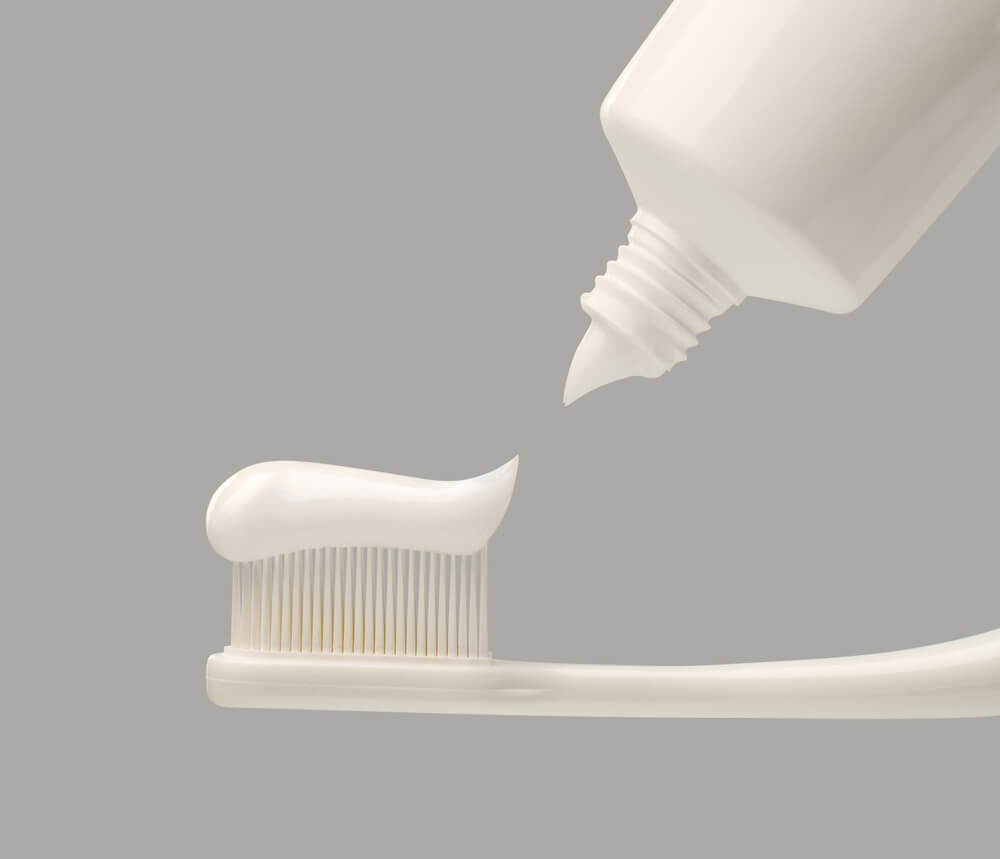
Daily Whitening Toothpaste Guide Day & Night Whitening Toothpaste: Daily Toothpaste for a Brighter Smile LaserGlow Day & Night Whitening Toothpaste is designed for daily brushing, surface stain maintenance, fresh breath, and a brighter-looking smile. Use the day formula in the morning and the night formula before bed to support a consistent oral care routine around the clock. Reviewed by: David Hanna, RDH · Updated: June 2026 Shop Day & Night Whitening Toothpaste Jump to FAQs The Fast Answer: What Is Day & Night Whitening Toothpaste? Day & Night Whitening Toothpaste is a two-step toothpaste routine made for people who want cleaner teeth, fresher breath, and daily stain maintenance without overcomplicating their oral care routine. The day toothpaste is used in the morning to freshen breath and help fight new surface stains from coffee, tea, food, and daily buildup. The night toothpaste is used before bed to support overnight oral hygiene and maintain a clean, polished smile. It is not a substitute for professional whitening if you want major shade change. It is a daily maintenance tool, which is less dramatic but much more useful than pretending one tube of toothpaste will rewrite dental biology. Why Use a Day and Night Toothpaste Routine? Morning Freshness Start the day with a clean mouth, fresh breath, and stain-control support before coffee, tea, and meals. Nighttime Maintenance Brush before bed to remove daily buildup and support a cleaner mouth while you sleep. Daily Stain Control Helps polish away surface stains over time from coffee, tea, wine, sauces, and everyday discoloration. Whitening Result Maintenance Use after whitening strips, LED whitening kits, or professional whitening to help maintain brightness. How Whitening Toothpaste Works Whitening toothpaste usually works by helping remove or reduce surface stains. These are stains that sit on the outer layer of the teeth from foods, drinks, smoking, and daily plaque buildup. Unlike professional whitening or whitening strips, toothpaste usually does not create dramatic shade changes. Its strength is consistency. Used daily, it helps maintain a cleaner, brighter-looking smile by polishing away new buildup before it gets worse. Read more: Whitening Toothpaste vs Professional Teeth Whitening Day Toothpaste vs Night Toothpaste Formula When to Use Main Goal Best For Day Whitening Toothpaste Morning Fresh breath, clean feeling, and stain-control support Coffee drinkers, tea drinkers, daily freshness, morning routine Night Whitening Toothpaste Before bed Remove daily buildup and support overnight oral hygiene Night brushing, stain maintenance, post-whitening care Day + Night Routine Twice daily Consistent daily care for a brighter-looking smile People who want an easy whitening maintenance system Who Should Use Day & Night Whitening Toothpaste? Coffee and Tea Drinkers Daily brushing helps manage surface stains from common dark drinks. Post-Whitening Clients Use it to help maintain results after whitening strips, gels, LED kits, or professional whitening. Daily Oral Care Users Ideal for people who want a simple morning and night brushing routine. People with Mild Surface Stains Best for external staining, not deep intrinsic discoloration. Day & Night Toothpaste vs Purple Toothpaste Day & Night Whitening Toothpaste helps maintain brightness through daily brushing and surface stain control. Purple Toothpaste Serum works differently by visually neutralizing yellow tones for instant optical brightness. Best routine: use Day & Night Whitening Toothpaste for daily brushing, then use Purple Toothpaste Serum before photos, events, or when you want a quick yellow-tone correction. Read the full guide: Purple Toothpaste Guide How to Use Day & Night Whitening Toothpaste Morning Routine Brush with the day toothpaste for two minutes using a soft-bristled toothbrush. After Staining Drinks Rinse with water after coffee, tea, wine, dark soda, or sauces to reduce new stain buildup. Night Routine Brush with the night toothpaste before bed to remove daily buildup and support overnight cleanliness. Weekly Maintenance Pair with flossing, tongue scraping, and regular dental cleanings for better overall results. Best Routine for a Brighter Smile Toothpaste works best when it is part of a complete oral care routine. A brighter smile is not just about toothpaste. Brutal, I know. Brush Twice Daily Use Day & Night Whitening Toothpaste morning and night. Clean Between Teeth Use string floss or the LaserGlow Cordless Water Flosser. Clean Your Tongue Use the LaserGlow Rose Gold Tongue Scraper Set for fresher breath. Use Purple Toothpaste for Events Use Purple Toothpaste Serum when you want instant yellow-tone correction. Does Whitening Toothpaste Replace Professional Whitening? No. Whitening toothpaste is best for surface stain maintenance and daily brightness support. It does not replace whitening strips, LED whitening kits, or professional teeth whitening when you want stronger shade change. If your teeth are deeply stained, very yellow, or discolored from internal causes, toothpaste alone will likely not deliver the result you want. In that case, consider whitening strips, an at-home LED kit, or professional whitening. Recommended LaserGlow Products Day & Night Whitening Toothpaste Best for daily brushing, surface stain control, and brightness maintenance. Shop Day & Night Toothpaste Purple Toothpaste Serum Best for instant yellow-tone correction before photos, videos, and events. Shop Purple Toothpaste Serum Cordless Water Flosser Best for cleaning between teeth and supporting gumline hygiene. Shop Cordless Water Flosser Rose Gold Tongue Scraper Set Best for fresher breath and a cleaner complete oral care routine. Shop Tongue Scraper Set Recommended Articles Whitening Toothpaste vs Professional Teeth Whitening Learn what toothpaste can and cannot do compared to stronger whitening options. Read the comparison Purple Toothpaste Guide Learn how purple toothpaste helps neutralize yellow tones instantly. Read the purple toothpaste guide Benefits of Flossing See why cleaning between teeth matters for a brighter, cleaner smile. Read flossing guide Whitening Strips Review Learn when strips make sense for stronger at-home whitening. Read whitening strips review FAQs Does Day & Night Whitening Toothpaste really work? Yes, it can help maintain a brighter-looking smile by removing and reducing surface stains with consistent daily brushing. It is best for stain maintenance, not dramatic shade change. How long does whitening toothpaste take to show results? Many people notice a cleaner, brighter-looking smile after a few weeks of consistent use, especially when stains are from coffee, tea, wine, or daily buildup. Can I use Day & Night Whitening Toothpaste every day? Yes. It is designed for a morning and night brushing routine. Use as directed and avoid aggressive brushing. Can I use whitening toothpaste with whitening strips? Yes. Whitening toothpaste can help maintain results from whitening strips, LED whitening kits, or professional whitening treatments. Does whitening toothpaste cause sensitivity? Whitening toothpaste is usually less intense than peroxide strips or professional whitening, but sensitivity can still happen for some users. Use gentle brushing and stop use if irritation occurs. Is Day & Night Whitening Toothpaste better than regular toothpaste? It depends on your goal. Regular toothpaste is good for basic brushing. Day & Night Whitening Toothpaste is better if you want daily surface stain maintenance and a more targeted brightness routine. Does whitening toothpaste replace professional teeth whitening? No. Whitening toothpaste supports daily maintenance. Professional whitening or peroxide-based products are better for stronger shade change.
Learn moreBest Teeth Whitening Business Supplies | LaserGlow
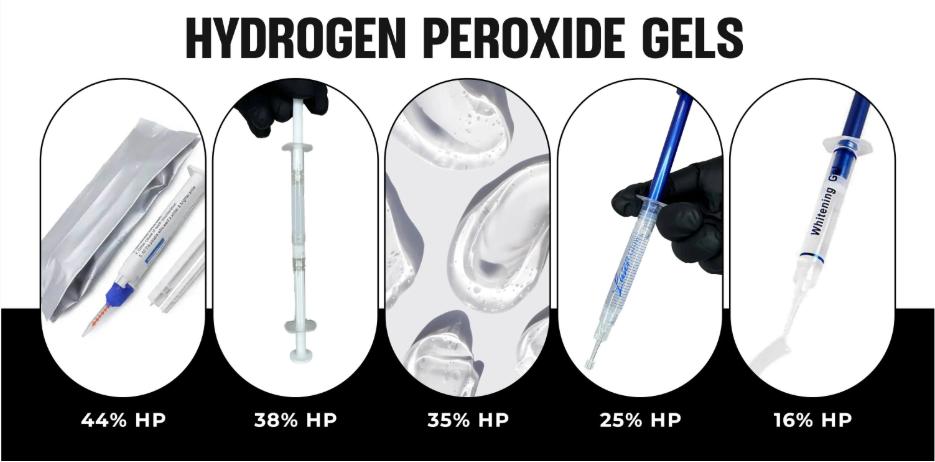
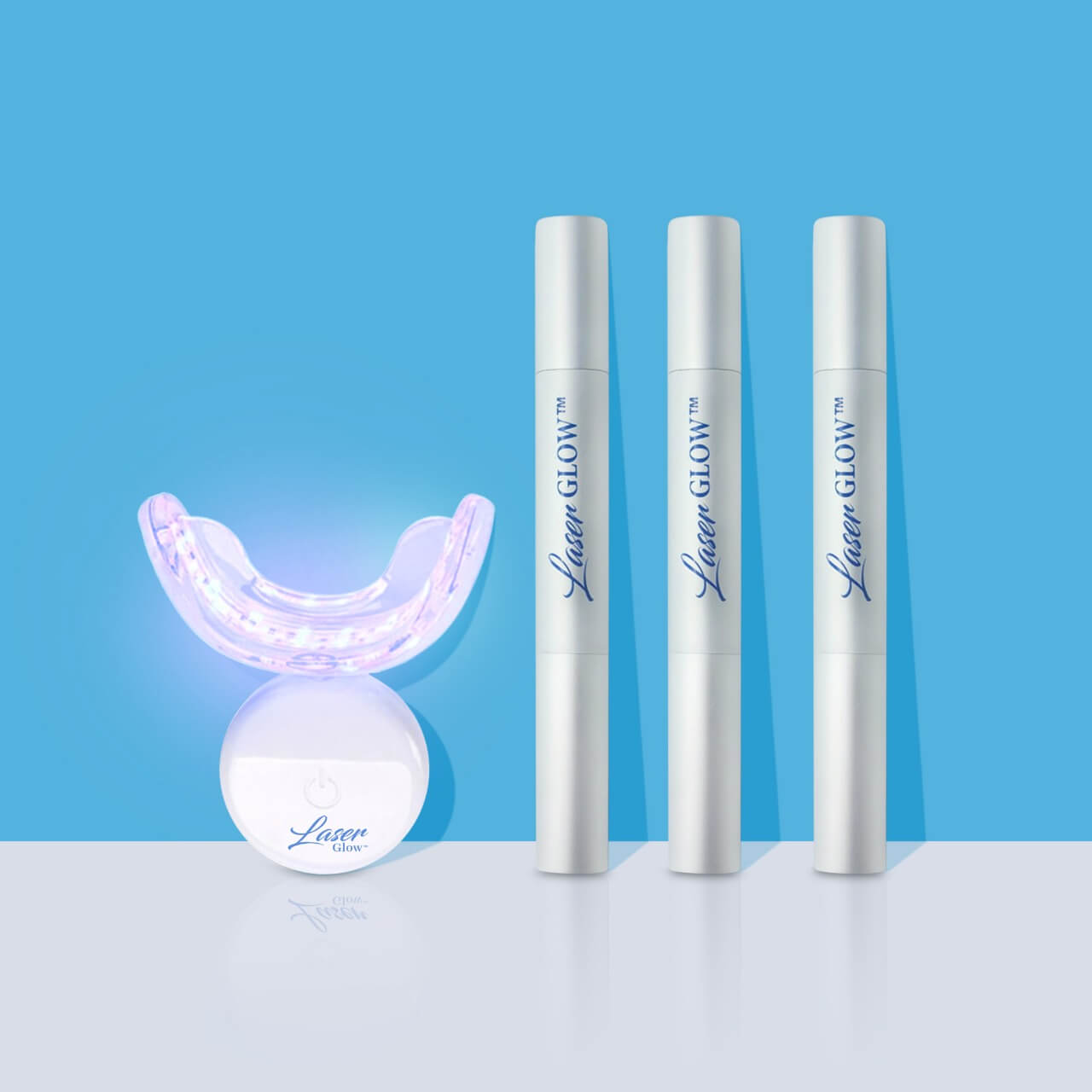
Business Supply List · Professional Whitening Setup · Complete Checklist Every professional whitening business needs the same core supply categories — what varies is quantity, concentration choices, and retail add-ons. This is the complete supply list for med spas, salons, and whitening studios setting up or restocking a professional whitening service. By David Hanna, RDH — Registered Dental Hygienist · Updated July 2026 Core Treatment Supplies Session Consumables Retail Products Reorder Strategy FAQ Core Treatment Supplies The Complete Whitening Business Supply List Professional Whitening Gels The primary supply. Choose concentrations to match your service menu. Entry Tier16% HP GelFor first-time clients and sensitivity-prone individuals. Core — Most Stocked25% HP GelThe workhorse concentration for most whitening businesses. Advanced Tier35% HP GelFor stubborn staining cases with experienced providers. Premium Tier44% HP Dual-BarrelMaximum strength for complex cases and premium services. Advanced Dual-Barrel36% HP Dual-BarrelFresh-mix at 36% HP for advanced provider workflows. Required Isolation & Aftercare Non-optional for every professional whitening setup. Required for 35%+Gingival BarrierLight-cure gum protector. Required for 35%+ HP; recommended for all HP gels. Every SessionDesensitizing Gel PenPost-treatment sensitivity relief and enamel remineralization. Standard aftercare for every client. Starter Kit Option For new providers setting up a complete whitening service. New SetupProfessional Starter KitComplete whitening supply kit: gel, barrier, LED equipment, and training materials for launching a professional whitening service. Session Consumables Per-Session Consumables Checklist These are the materials used or discarded per whitening session. Track your per-session usage to calculate accurate cost per client and plan reorder quantities. ✓ Whitening gel~400–600 µL (0.4–0.6 mL) per full-arch session with controlled application from a 1.2 mL single-barrel syringe. ✓ Gingival barrierOne application per client per session. Apportion cost per use from your barrier pack/tube. ✓ Desensitizing gelOne pen application per client post-treatment. Track uses per pen to calculate per-client cost. ✓ Mixing tip (dual-barrel only)One tip per 44% or 36% HP dual-barrel syringe. Build tip cost into dual-barrel per-session expense. ✓ GlovesMinimum two pairs per session (pre-treatment and post-treatment). Nitrile preferred. ✓ Gauze or applicatorsFor drying tissue before barrier placement, wiping gel, and cleanup. ✓ Cheek retractorsReusable or disposable. One per client session. Required to hold lips and cheeks away from teeth during treatment. Retail Products Client Retail Products to Stock Professional whitening businesses increase per-client revenue and client satisfaction by retailing maintenance and aftercare products after every session. These are the natural retail items that complement every professional whitening service: 44% CP Whitening Pen — The highest-value retail item after a professional whitening session. Position it as "your maintenance pen between visits" — most clients buy it when it's framed as part of the aftercare plan rather than an add-on product. Shop 44% CP Pen → Additional retail opportunities: whitening toothpastes, oral health rinses, and consumer LED maintenance kits — depending on your client mix and retail space. The CP pen is the highest-conversion retail item because it directly extends the professional whitening result the client just paid for. Reorder Strategy When and How to Reorder Whitening Supplies Track sessions per syringe: Once you know your average sessions per syringe at your application volume, you can project reorder timing by client appointment volume. Minimum 2-week buffer: Reorder when you have 2 weeks of supply remaining at current session volume — not when you run out. Last-minute orders affect service continuity. Gel and barrier together: Reorder barrier in sync with gel — running out of barrier while you have gel is a protocol problem. Keep buffer stock of both. Seasonal volume adjustments: If your whitening volume spikes around specific events (holidays, wedding season, summer), adjust reorder volume in advance. Cost-per-client tracking: Review actual supply cost per client quarterly. If your material cost per session is higher than expected, the first variable to check is gel application volume per session — most businesses find this is where cost runs over. FAQ Whitening Business Supplies FAQ What supplies do I need to start a professional teeth whitening business? Core requirements: professional HP whitening gel (25% HP is the standard starting concentration for most businesses), gingival barrier, desensitizing remineralizing gel, a professional LED whitening device, cheek retractors, gloves, and gauze. A client intake form and consent document are also required before launching any whitening service. The professional starter kit bundles the core supplies for new providers. How much whitening gel should I order per month? Calculate from your client volume: if you run 40 whitening sessions per month and each syringe covers 2.5 sessions, you need 16 syringes per month (40 ÷ 2.5). Add a 20% buffer for new client sessions that may use slightly more gel and for syringe yield variability. Track actual per-syringe yield over your first few months and adjust from real data rather than estimates. Do I need gingival barrier if I'm only using 25% HP? Gingival barrier is strongly recommended for 25% HP and required for 35%+. Professional practice uses barrier for all HP whitening concentrations — the question of whether it's mandatory or strongly recommended doesn't change the professional standard. Stock barrier for every session regardless of the gel concentration you're running. Related Business Resources Med Spa Guide Cost Per Client Syringe Yield Safety Guide Starter Kit Shop All Supplies
Learn more35% Hydrogen Peroxide Whitening Gel: Pro Use Guide
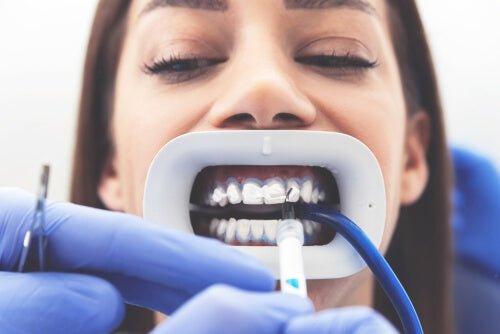
35% HP Gel · Advanced Professional Whitening 35% hydrogen peroxide is dentist-grade whitening gel strength. It delivers stronger results than 25% HP but requires mandatory gingival barrier, proper client screening, and provider experience. Here's what every professional using 35% HP needs to know about protocol, safety, and results. By David Hanna, RDH — Registered Dental Hygienist · Updated July 2026 What Is 35% HP When to Use It Protocol Sensitivity vs 25% & 44% FAQ Product Overview What Is 35% Hydrogen Peroxide Whitening Gel? 35% hydrogen peroxide whitening gel is an advanced-strength professional whitening formula used for chairside teeth whitening treatments. It sits above 25% HP in whitening power and is the highest single-syringe concentration in the LaserGlow professional lineup — above 35% HP, LaserGlow uses dual-barrel format (36% and 44% HP). At 35% HP, the gel is capable of addressing more stubborn staining than standard 25% HP can reliably reach in a single session. With that increase in strength comes increased soft tissue risk — gingival barrier is not optional at 35%+, it's required. Professional use only. Gingival barrier required. 35% HP whitening gel must be used by trained professionals with proper soft tissue isolation. Gingival barrier must be applied and cured before gel application. Not for consumer use. Case Selection When to Use 35% HP — and When Not To Use 35% HP when: 25% HP hasn't produced adequate shade improvement in prior sessions The client has moderate-to-heavy extrinsic staining from coffee, tea, tobacco, or red wine that surface polishing hasn't resolved The provider has established isolation protocol and is comfortable with gingival barrier placement A dental or hygiene professional is performing the treatment in a clinical setting The client has been screened for sensitivity, active decay, gum disease, and restorations Don't use 35% HP when: The client has active gum disease, significant recession, or exposed dentin — sensitivity risk is substantially higher The client is pregnant — whitening at any strength should be deferred until after delivery The provider cannot adequately isolate the soft tissue — 35% HP on unprotected gum tissue is a protocol failure, not just a minor oversight The case involves intrinsic staining (tetracycline, fluorosis) — step up to 44% HP with full clinical protocol instead Clinical Protocol 35% HP Whitening Protocol Using 35% HP correctly requires the same protocol framework as any HP gel, but the gingival barrier step is more critical at this concentration. A skipped or inadequate barrier placement is the most common cause of soft tissue burns at 35% HP. Step Action Key Point 1 Client consultation & consent Confirm no contraindications. Shade-record before treatment. 2 Place gingival barrier Full coverage of all gum tissue in treatment zone. Light-cure. Inspect for gaps before proceeding. 3 Apply 35% HP gel Thin, controlled layer on facial surfaces only. Avoid margins of gingival barrier. 4 Activate with LED Use professional LED whitening light for designated session time. 5 Remove, inspect, repeat if indicated Wipe or suction gel. Check barrier integrity. Conduct additional rounds per protocol. 6 Remove barrier, apply desensitizer Apply desensitizing remineralizing gel post-treatment. Review aftercare with client. Syringe yield: LaserGlow 35% HP comes in a 1.2 mL syringe. With controlled application — thin, even coverage without overloading — one syringe typically treats 2–3 clients. See syringe yield guide for full data. Sensitivity Management Managing Sensitivity With 35% HP 35% HP has a higher sensitivity profile than 16% or 25% HP. This doesn't mean all clients will experience sensitivity — but it does mean providers need to screen more carefully and have a sensitivity management plan in place before every session. Pre-screen: Ask about prior whitening sensitivity, existing dental sensitivity, recession, and prior dental work in the treatment zone Use desensitizing gel pre-treatment for known sensitivity-prone clients before applying HP gel Shorten session time for first-time 35% HP clients rather than running a full protocol on the first appointment Always apply desensitizing remineralizing gel post-treatment — this is standard, not optional, at 35% HP Downgrade to 25% HP if sensitivity is reported during treatment — do not push through For clients with a documented history of severe whitening sensitivity, 16% HP is a better starting point. Sensitivity-prone clients are not a 35% HP case without prior desensitization preparation. Strength Comparison 35% HP vs 25% HP vs 44% HP Factor 25% HP 35% HP 44% HP Best case type Routine chairside whitening Stubborn extrinsic staining, step-up from 25% Intrinsic staining, complex cases, maximum results Gingival barrier Strongly recommended Required Required Sensitivity profile Moderate Moderate–High High Syringe volume 1.2 mL 1.2 mL 5 mL dual-barrel Provider experience needed Standard professional Experienced with isolation protocol Advanced, clinical oversight preferred Step down25% HPMost popular routine chairside strength. This product35% HPAdvanced strength for stubborn staining. Alternative36% HP Dual-BarrelFresh-mix precision at similar concentration. Step up44% HPMaximum strength for complex cases. Required Supplies What You Need With 35% HP Gel Primary Gel35% HP Whitening Gel1.2 mL professional syringe. RequiredGingival BarrierLight-cure gum protector. Required before 35% HP application. AftercareDesensitizing Gel PenPost-treatment sensitivity relief. Standard aftercare at 35% HP. Full SetupProfessional Starter KitEverything needed to run complete chairside whitening services. FAQ 35% HP Whitening Gel FAQ Is 35% hydrogen peroxide the strongest whitening gel available? 35% HP is the strongest single-syringe concentration in the LaserGlow single-barrel lineup. Above 35% HP, LaserGlow uses dual-barrel format: the 36% HP dual-barrel and the 44% HP dual-barrel (maximum strength). For cases requiring more than 35% HP can deliver, 44% HP dual-barrel is the appropriate step up. Does 35% HP require gingival barrier? Yes — gingival barrier is required, not optional, when using 35% hydrogen peroxide whitening gel. At this concentration, unprotected soft tissue contact can cause irritation, blanching, or burns. The barrier must cover all gum tissue in the treatment zone and be light-cured before any gel is applied. Gaps or incomplete coverage are a patient safety issue. Full isolation protocol: Soft Tissue Isolation Protocols for Professional Whitening When should I use 35% HP instead of 25% HP? Use 35% HP when 25% HP hasn't produced adequate shade improvement, when the client has heavy extrinsic staining that requires stronger intervention, or when the clinical situation warrants higher-strength gel with proper isolation. For routine whitening on most clients, 25% HP is the right starting point. 35% HP is the step up, not the default. Can I use 35% HP on sensitive teeth? With caution. Clients with existing sensitivity should be screened carefully before using 35% HP. Pre-treatment desensitizing gel, shorter session times, and careful monitoring during treatment reduce risk. If a client has a history of severe whitening sensitivity, start with 16% or 25% HP before stepping up to 35%. How much 35% HP gel should I use per client? A thin, even layer on the facial surfaces of treatment teeth — enough to coat the surface without pooling or overflow. Applying more gel than needed doesn't improve results and reduces your syringe yield. One 1.2 mL syringe treats 2–3 clients with controlled application. Can I use 35% HP gel with a standard LED curing light? 35% HP gel is activated by professional LED whitening machines and lights. Standard dental curing lights used for composite (high blue-light wavelength, short curing cycles) are different from professional whitening LED units designed for extended session times. Use a professional whitening LED device — the right tool for the protocol. Equipment guide: Professional Whitening Lights & Equipment Guide Related Whitening Resources All HP Gels Hub Strength Guide Isolation Protocols 44% HP Guide 25% HP Guide Safety & Compliance Shop All Gels
Learn more
Best Teeth Whitening for Sensitive Teeth: Safe Options, Tips & What to Avoid
Having a beautiful, bright smile is something we all desire. However, for those with sensitive teeth, finding the right teeth whitening products can be a daunting task. The last thing anyone wants is to endure tooth sensitivity or pain while trying to achieve a whiter smile.
Learn moreBrighten Your Smile with LaserGlow Teeth Whitening Strips
Welcome to our guide on LaserGlow, the best teeth whitening strips on the market. If you desire a brighter smile and want to achieve it from the comfort of your own home, LaserGlow is your solution. These teeth whitening strips are specifically designed to deliver effective results, leaving you with a whiter and more confident smile.
Learn more
Purple Toothpaste vs Whitening Toothpaste: Which Is Better for Yellow Teeth?
When it comes to maintaining oral hygiene, toothpaste is a must-have item. But with an endless array of options available in the market, it can be overwhelming to choose the right one. Lately, there has been a lot of buzz around purple toothpaste, claiming to provide superior stain removal compared to regular toothpaste.
Learn more