Latest Advances in Dental Whitening Technology
Whitening chemistry has not changed dramatically in decades, but how it is delivered, activated, and paired with aftercare has. Here is what is actually new in dual-barrel gel systems, LED activation, PAP+ chemistry, and remineralizing technology, and what it means for providers and at-home users alike.
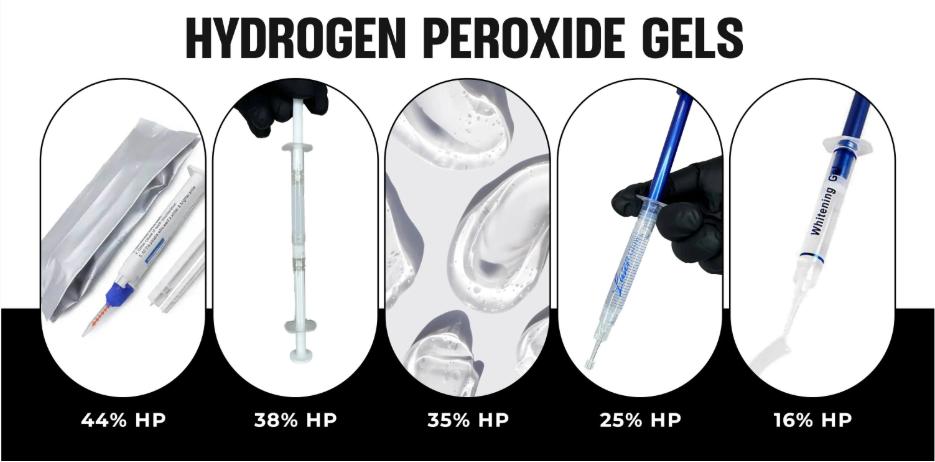
Hydrogen peroxide and carbamide peroxide have whitened teeth for decades, and the underlying chemistry has not been reinvented. What has changed is everything around it: how gel is mixed and delivered, how it is activated, how sensitivity is managed, and what is added afterward to support enamel. This guide breaks down the advances worth knowing about for providers evaluating equipment and gel systems, and for anyone whitening at home who wants to understand what they are actually using.
From Single-Concentration Gel to Dual-Barrel Automixing
Traditional single-syringe gel is pre-mixed and ready to apply. Dual-barrel systems store two components separately and combine them through an automatic mixing tip at the point of application. This can provide a more consistent ratio during application and help reduce waste when the system is used according to its instructions.
For higher-concentration professional protocols, controlled dispensing matters. An uneven ratio can affect working consistency, treatment performance, and the likelihood of sensitivity or soft-tissue irritation.
For a deeper comparison, read Dual-Barrel vs. Single-Syringe Whitening Gel .
LED and Light-Activated Whitening: What the Technology Actually Does
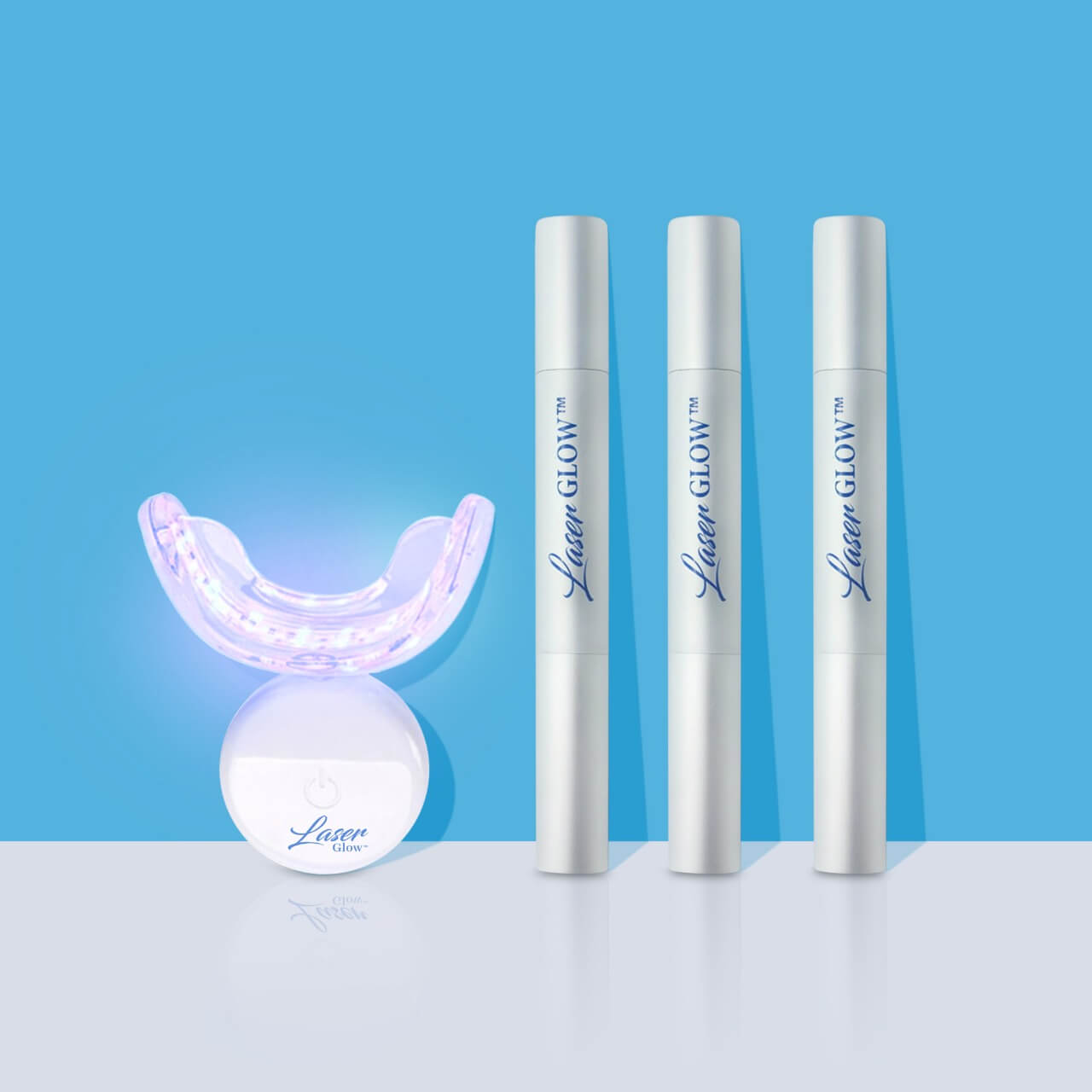
LED light does not whiten teeth by itself. Certain whitening gels are formulated for use with a light source that may help accelerate the chemical reaction during treatment. The outcome depends primarily on the gel formulation, concentration, application technique, treatment time, stain type, and individual tooth structure.
LED systems have become common in professional and consumer whitening because they are generally less expensive and produce less heat than many older light-based systems. However, not every whitening gel benefits from light activation, so providers should follow the gel manufacturer's instructions rather than treating the light as a universal performance upgrade.
PAP+: The Peroxide-Free Shift for Sensitive-Tooth Whitening
PAP+ products use phthalimidoperoxycaproic acid as an alternative whitening ingredient to hydrogen peroxide or carbamide peroxide. PAP+ formulations have gained attention among users seeking a peroxide-free option, particularly those who have experienced sensitivity with traditional peroxide systems.
The exact performance of a PAP+ product depends on its complete formula, concentration, contact time, stain type, and usage protocol. Peroxide-based professional products may still be better suited to deeper or more persistent discoloration, while PAP+ gives providers and consumers another option when comfort is a major concern.
Nano-Hydroxyapatite and the Rise of Remineralizing Aftercare
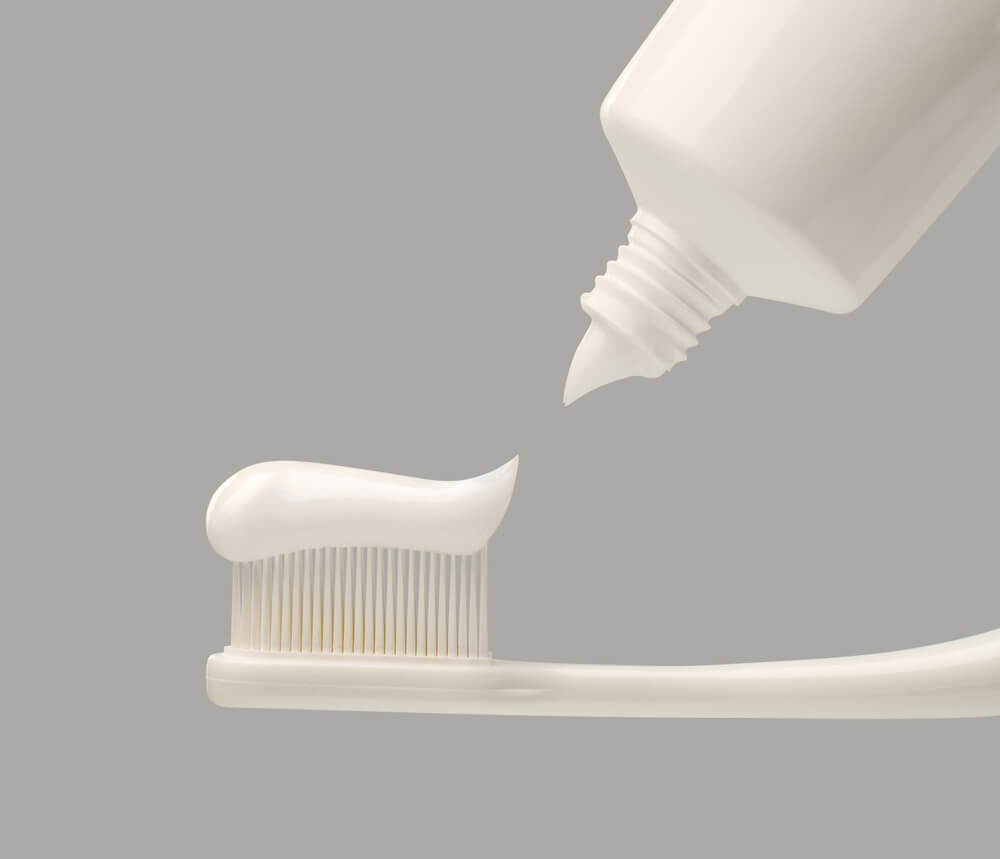
One of the more useful recent shifts is not a whitening ingredient at all. Nano-hydroxyapatite and other remineralizing technologies are increasingly used in oral-care products designed to support enamel and reduce sensitivity after whitening.
These ingredients do not oxidize stain in the same way as peroxide or PAP+ whitening agents. Their role is better understood as aftercare and maintenance: supporting the enamel surface, improving comfort, and helping users maintain a consistent oral-care routine after whitening.
How to think about it: whitening technology and remineralizing technology solve different problems. Whitening products target discoloration. Remineralizing products support the tooth surface and may help reduce sensitivity afterward.
Smarter Formulations for Sensitivity Control
Sensitivity is one of the main reasons people stop a whitening routine early. Modern protocols address it through several approaches rather than relying on one product: lower-concentration formulas, shorter treatment intervals, peroxide-free alternatives, careful soft-tissue isolation, and desensitizing or remineralizing products used before or after treatment.
How to Choose the Right Technology for Your Practice or Routine
| If you are... | Consider | Why |
|---|---|---|
| A new provider building a whitening menu | Professional Whitening Starter Kit | Combines equipment and core supplies into one starting system |
| Running a higher-volume whitening schedule | Dual-barrel professional gel systems | Controlled dispensing and potentially less waste |
| Working with sensitivity-prone clients | Lower-concentration or PAP+ options | Allows the protocol to prioritize comfort and tolerance |
| Whitening at home for the first time | Sensitive Whitening Strips | Simple format with a lower barrier to starting |
| Looking for a structured at-home whitening system | Wireless LED Whitening Kit | Combines a timed application routine with an LED mouthpiece |
For related reading, see Does Leaving Professional Whitening Gel on Longer Work Better? and How Many Clients Can One Syringe of Whitening Gel Treat? .
Upgrade Your Whitening Protocol
Shop professional whitening gels, LED equipment, PAP+ formulas, and aftercare products for a more complete whitening system.
Frequently Asked Questions About Whitening Technology
What is PAP+ teeth whitening and how is it different from peroxide?
PAP+ uses phthalimidoperoxycaproic acid as an alternative whitening ingredient to hydrogen peroxide or carbamide peroxide. It is peroxide-free and is often marketed toward users concerned about sensitivity. Results vary by formula, concentration, stain type, and usage protocol.
Does LED light actually make whitening more effective, or just faster?
LED light does not whiten teeth by itself. Certain gels are formulated for use with light activation, which may accelerate the reaction during treatment. The effectiveness of the treatment still depends primarily on the gel formulation, concentration, contact time, and application protocol.
What is the difference between single-syringe and dual-barrel whitening gel?
Single-syringe gel is pre-mixed and ready to apply. Dual-barrel systems keep two components separate until they pass through an automatic mixing tip. This can improve dispensing consistency and reduce waste when used correctly.
Is nano-hydroxyapatite toothpaste a replacement for whitening gel?
No. Nano-hydroxyapatite is primarily used to support enamel and manage sensitivity. It does not oxidize internal or external stain in the same way as peroxide or PAP+ whitening ingredients.
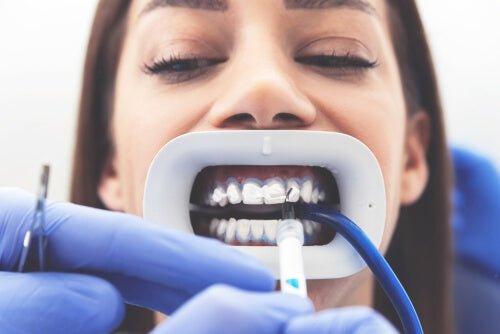
Why do higher-percentage gels require a gingival barrier?
High-concentration professional gels can irritate soft tissue. A light-cured gingival barrier helps isolate and protect the gum line during application. Providers must use the protective protocol specified by the product manufacturer.
Are at-home LED whitening kits catching up to professional in-office results?
At-home systems have improved, but professional whitening treatments generally use stronger formulations, more controlled isolation, and direct supervision. At-home kits are typically designed for gradual results through repeated use.
What causes whitening sensitivity, and how is it being addressed?
Whitening sensitivity can happen when active ingredients temporarily penetrate enamel and reach the dentin. Modern approaches include lower-concentration formulas, reduced contact time, PAP+ products, desensitizing gels, and remineralizing aftercare.
How often should a whitening practice upgrade its equipment or gel systems?
There is no universal replacement schedule. Providers should reassess equipment when light output becomes inconsistent, maintenance problems increase, treatment results decline, or a newer system offers a meaningful improvement in safety, efficiency, or consistency.
Is laser whitening still used, or has LED replaced it?
Laser whitening systems still exist, but LED systems are more common in many professional and at-home settings because they are generally less expensive and produce less heat.
What should I look for when choosing a professional whitening gel concentration?
Consider the client's sensitivity history, stain severity, enamel condition, treatment setting, manufacturer instructions, and provider training. The strongest concentration is not automatically the best choice for every client.
Key Takeaways
- Many recent whitening advances involve delivery, application, sensitivity management, and aftercare rather than entirely new whitening chemistry.
- Dual-barrel systems can improve dispensing consistency by keeping components separate until application.
- LED light does not whiten teeth independently and should only be used with compatible formulations.
- PAP+ gives consumers and providers a peroxide-free whitening option.
- Remineralizing products support enamel and sensitivity management but do not replace whitening gel.
- Gel concentration and treatment technology should be selected around the individual client, product instructions, and treatment setting.
This article is for educational purposes and is not a substitute for professional dental advice, diagnosis, training, or treatment. Professional-strength whitening products should only be used in accordance with manufacturer instructions, applicable regulations, and appropriate soft-tissue protection protocols.