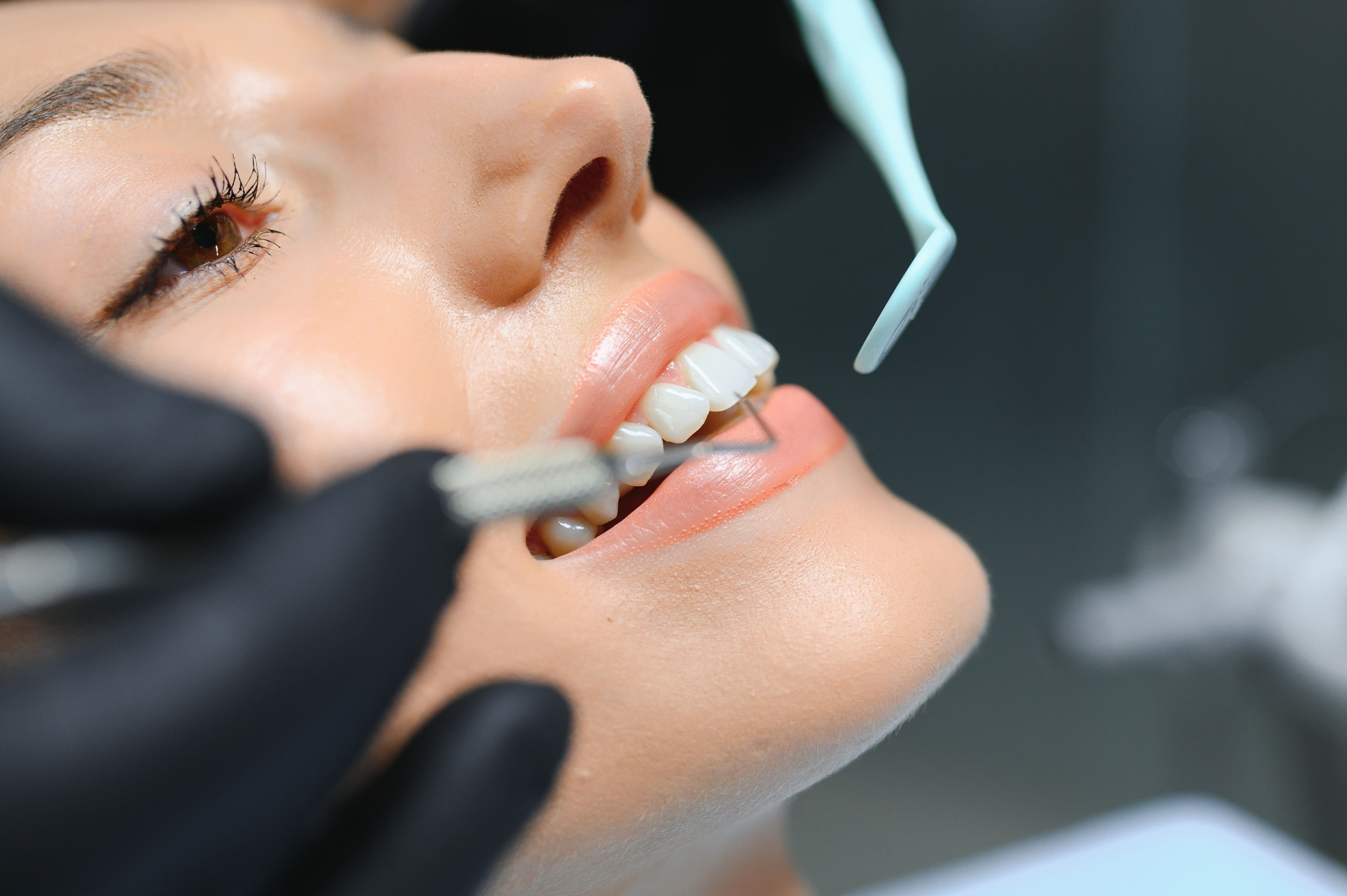
Syringe yield is one of the most practical business metrics in professional whitening — it directly determines your cost per client and your margin per service. Here's the actual yield data by gel, what affects it, and how to optimize application to protect profit without compromising results.
How Many Clients Per Syringe — By Concentration
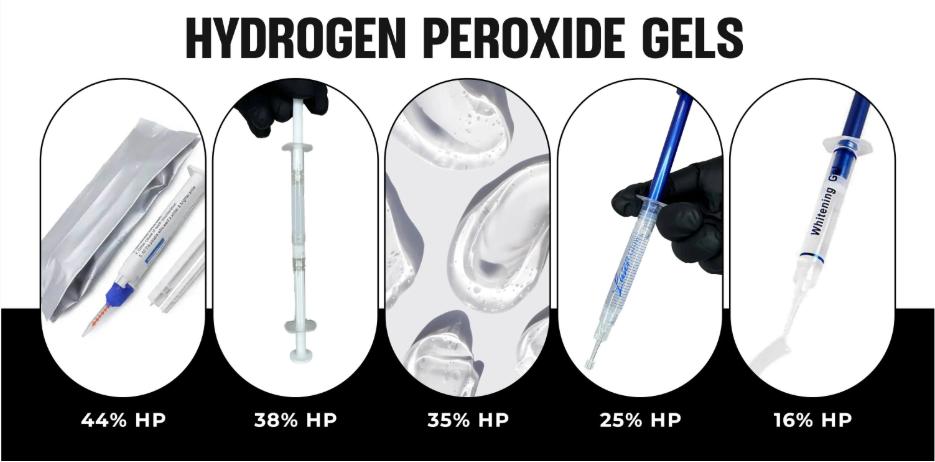
LaserGlow professional HP whitening gels come in two syringe sizes: 1.2 mL single-barrel (16%, 25%, 35%) and 5 mL dual-barrel (36%, 44% HP). Yield per syringe depends on application amount, number of arches treated, and provider technique. These figures are based on controlled, professional application.
- Volume
- 1.2 mL single-barrel
- Arch coverage
- Both arches, thin layer
- Best yield factor
- Controlled thin application
- Volume
- 1.2 mL single-barrel
- Arch coverage
- Both arches, thin layer
- Best yield factor
- Precise tip placement
- Volume
- 1.2 mL single-barrel
- Arch coverage
- Both arches, thin layer
- Best yield factor
- Minimal overlap at margins
- Volume
- 5 mL dual-barrel
- Arch coverage
- Both arches per session
- Waste factor
- ~0.1–0.2 mL tip purge per syringe
What Affects Syringe Yield
| Factor | Impact on Yield | What to Do |
|---|---|---|
| Application layer thickness | Highest single impact. Overloading halves yield. | Apply the thinnest even layer that covers tooth surfaces — not a thick coat |
| Arch coverage | Treating both arches uses more gel per session than upper-arch only | Quote clients per session, not per arch. Factor in arch count when calculating cost |
| Number of rounds | Multi-round sessions use more gel | Account for rounds in per-session gel budget, not per-client |
| Tip placement precision | Gel applied on gingival barrier instead of tooth surface is wasted | Apply precisely to tooth surfaces only — stay inside the barrier boundary |
| 44% HP tip purge | Dual-barrel requires 0.1–0.2 mL purge per syringe — fixed waste | Account for tip waste in cost model; don't count purge volume as usable yield |
| Open-time waste (single syringe) | Gel left uncapped degrades; partially used syringes may have reduced potency next session | Recap promptly; use consistent amount per session; track syringe use |
How to Maximize Syringe Yield Without Compromising Results
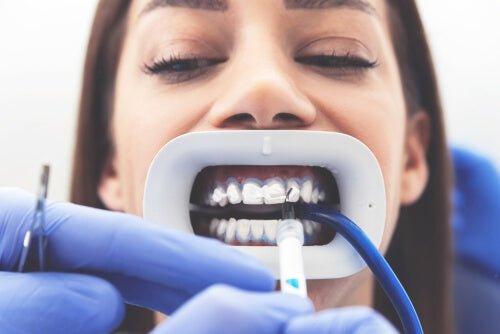
More gel does not produce better whitening. The whitening reaction happens at the enamel surface — thick application doesn't penetrate deeper or faster. It just wastes product and increases the chance of gel migrating to soft tissue. These are the technique adjustments that protect yield without affecting outcome:
- Use a fine-tip applicator or brush to control placement rather than expressing gel directly from the syringe tip in a thick bead
- Apply in a single sweeping pass across facial surfaces — cover the surface once, don't go back over it
- Avoid applying to cervical margins — gel there contacts gingival barrier instead of enamel and produces zero whitening while reducing available volume
- Track gel use per session with a notebook or intake form — once you know your average per session, you can project exactly how many sessions each syringe provides
- For dual-barrel 44% HP: attach the mixing tip only at the start of the session, not in advance — this prevents unnecessary purge volume loss
Calculating Your Real Cost Per Whitening Client
Gel is not your only consumable cost per whitening session. A realistic cost-per-client calculation includes all materials consumed per session:
| Consumable | Per-Session Cost Estimate | Notes |
|---|---|---|
| HP Whitening Gel | Syringe cost ÷ clients per syringe | The primary variable. Controlled application maximizes this. |
| Gingival Barrier | Approx. cost per application | Required for 35%+. Factor per session regardless of yield. |
| Desensitizing Gel | Cost per pen ÷ uses | Standard post-treatment aftercare. Include in every session cost. |
| Mixing Tips (44% HP) | Cost per tip | One tip per syringe (44% HP). Include in dual-barrel cost model. |
| Disposables | Gloves, gauze, cheek retractors | Low per-session cost but adds up at volume. Track monthly. |
Full pricing strategy: Teeth Whitening Cost Per Client Pricing Guide
Syringe Yield FAQ
How many clients can one syringe of 25% HP treat?
One 1.2 mL syringe of 25% HP whitening gel typically treats 2–3 clients with controlled professional application — a thin, even layer on both arches. Providers who apply more gel than needed per session get 1–2 clients per syringe. The technique, not the gel, is the yield variable.
Does the 44% HP dual-barrel syringe treat more clients than the 1.2 mL syringes?
Not in proportion to volume. The 44% HP dual-barrel syringe is 5 mL — significantly larger than the 1.2 mL single-barrel gels. However, it also requires a tip purge of 0.1–0.2 mL per syringe and is used for more complex cases where application may be more extensive. Realistic yield is up to 3 clients per syringe, similar on a per-client basis to the 1.2 mL gels at controlled application.
Does applying more whitening gel produce better whitening results?
No. Whitening results are determined by gel concentration, application quality, isolation, LED activation, and case selection — not by application volume. A thick gel application doesn't penetrate enamel more effectively than a thin one. It just wastes product, increases the risk of gel migrating to soft tissue, and reduces your syringe yield without any clinical benefit.
How should I track gel use across clients?
Mark the syringe before and after each session to track approximate volume used. When you complete each appointment, note the gel used in the client record. Over 20–30 sessions, your average per-session volume becomes clear — and you can accurately project cost per client and plan reorder points. This takes 30 seconds per session and protects margin at scale.